Year: 2018

Nanorobots Constructed from Nanoclay: Using Nature to Create Self‐Propelled Autonomous Nanomachines

Self‐propelled, autonomous micro and nanomachines are at the forefront of current nanotechnology. These micro and nanodevices move actively to perform desired tasks, usually using chemical energy from their surrounding environment. Typically, these structures are fabricated via clean room or template‐based electrodeposition methodologies, which yield relatively low numbers of these devices. To utilize these machines in …
Nanorobots Constructed from Nanoclay: Using Nature to Create Self‐Propelled Autonomous Nanomachines Read More »

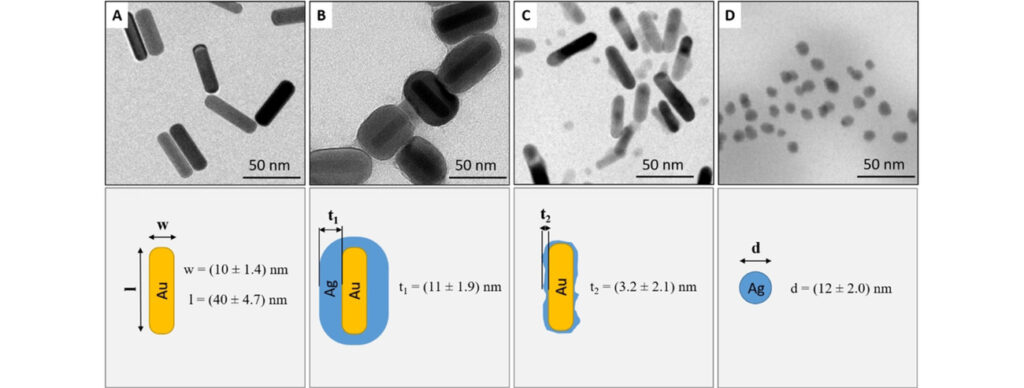
Observed Dramatically Improved Catalysis of Ag Shell on Au/Ag Core-shell Nanorods is Due to Silver Impurities Released During Etching Process

Core/shell bimetallic nanoparticles are highly popular in electrocatalysis; it is argued that the core metal enhances the catalytic properties of the shell. We have investigated the electrocatalytic properties of Au/Ag core‐shell nanorods (Au/Ag NRs) where Ag shell was thinned by aging in the presence of cetyltrimethylammonium bromide. We observed excellent electrocatalysis toward hydrogen peroxide electroreduction …
Observed Dramatically Improved Catalysis of Ag Shell on Au/Ag Core-shell Nanorods is Due to Silver Impurities Released During Etching Process Read More »

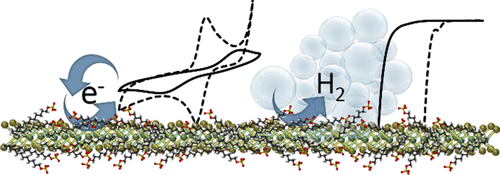
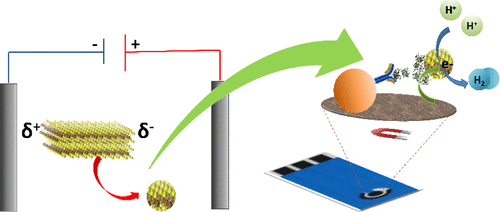
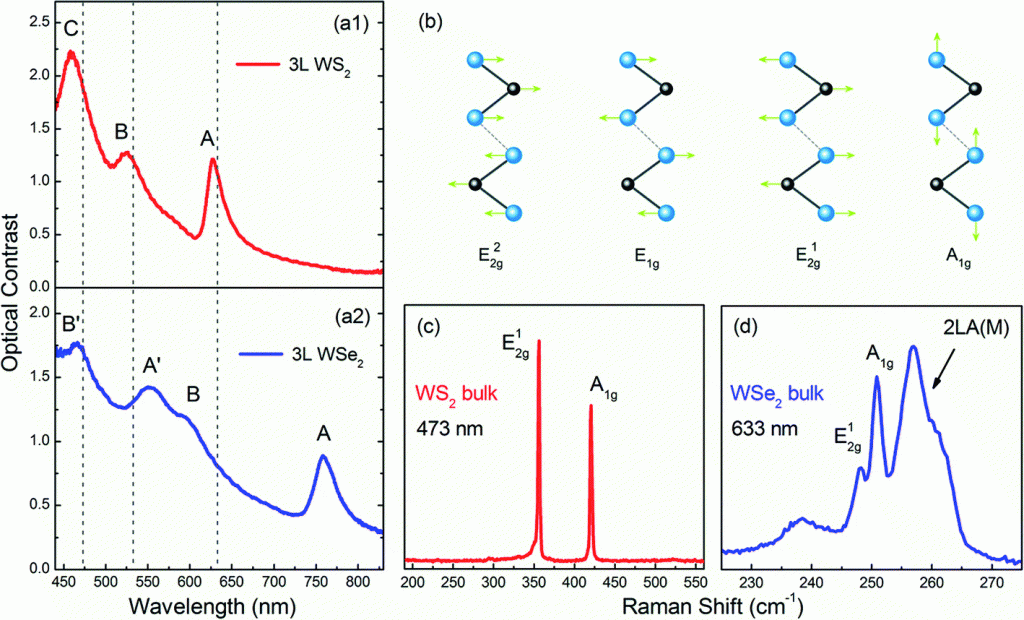
WSe2 nanoparticles with enhanced hydrogen evolution reaction prepared by bipolar electrochemistry: application in competitive magneto-immunoassay

Among groups of layered nanomaterials, transition metal dichalcogenides (TMDs) are the most studied group, especially for their hydrogen evolution reaction (HER) electrocatalytic activity and good stability in a highly corrosive environment. However, TMDs possess only low catalytic activity in the bulk form consisting of 2H phase, therefore, exfoliation must take place to enlarge the surface …
WSe2 nanoparticles with enhanced hydrogen evolution reaction prepared by bipolar electrochemistry: application in competitive magneto-immunoassay Read More »

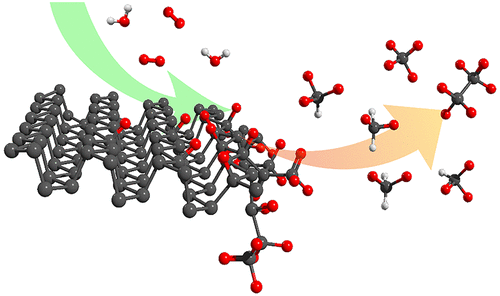
Graphene Oxide: Carbocatalyst or Reagent?

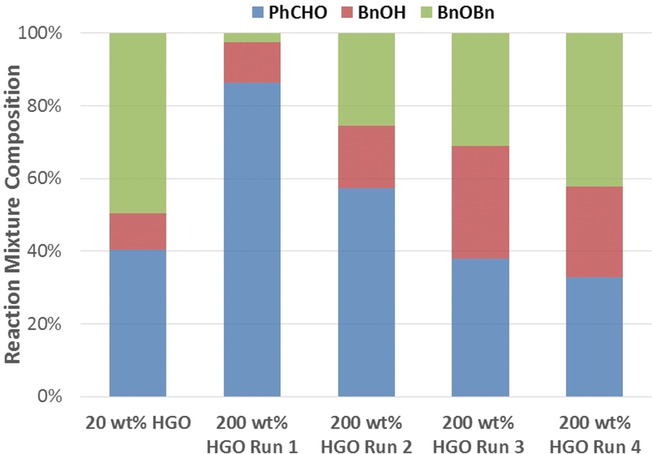
Metal-free heterogeneous carbon-based materials have the potential to facilitate a wide range of organic transformations in an economical and environmentally-friendly manner. However, the mechanism of their action is often obfuscated by their ill-defined nature, so careful analysis of the reaction products is essential before they can be labelled “catalysts” in accordance with the IUPAC definition. …

Graphene Oxide: Carbocatalyst or Reagent? Read More »

ZnO/ZnO2/Pt Janus Micromotors Propulsion Mode Changes with Size and Interface Structure: Enhanced Nitroaromatic Explosives Degradation under Visible Light

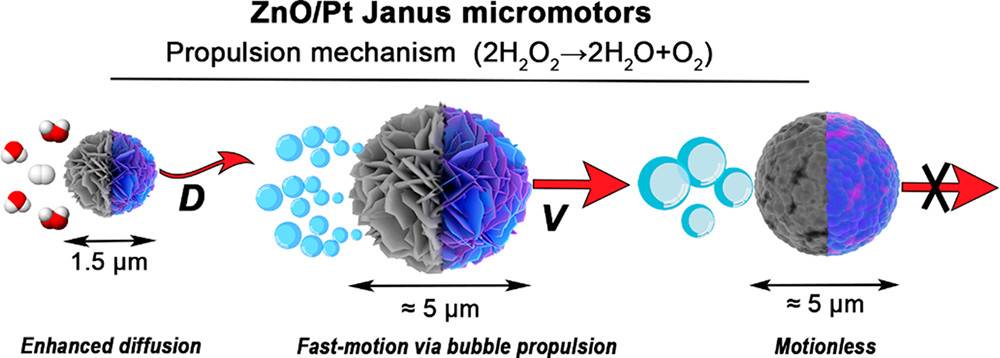
Self-motile mesoporous ZnO/Pt-based Janus micromotors accelerated by bubble propulsion that provide efficient removal of explosives and dye pollutants via photodegradation under visible light are presented. Decomposition of H2O2 (the fuel) is triggered by a platinum catalytic layer asymmetrically deposited on the nanosheets of the hierarchical and mesoporous ZnO microparticles. The size dependent motion behavior of …

ZnO/ZnO2/Pt Janus Micromotors Propulsion Mode Changes with Size and Interface Structure: Enhanced Nitroaromatic Explosives Degradation under Visible Light Read More »

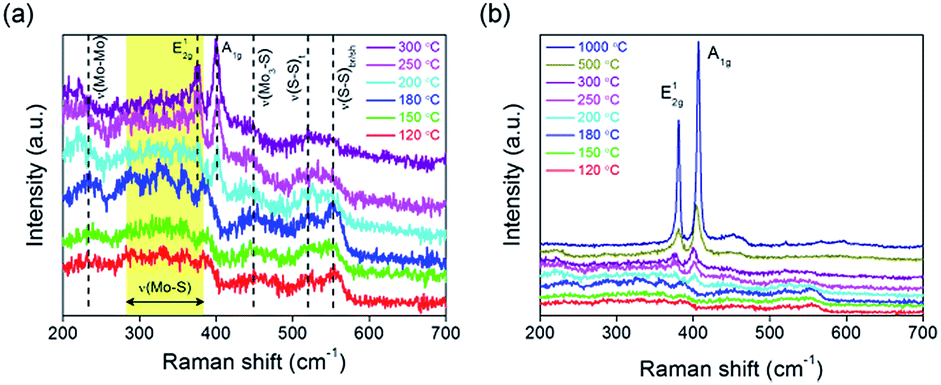
Electrochemical Exfoliation of MoS2 Crystal for Hydrogen Electrogeneration

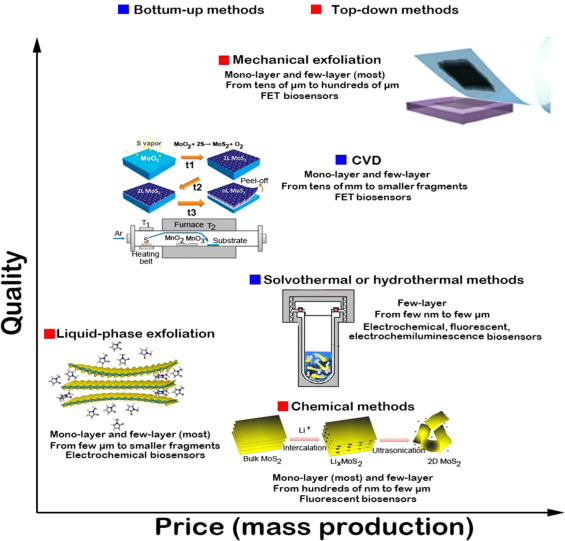
Transition metal dichalcogenides (TMDs) have recently emerged within the group of 2D materials due to their electrical, catalytic and optical properties significantly enhanced and useful when down-sized to single layer. In particular, MoS2 has attracted much attention due to its semiconducting nature with a useful band gap when present as single layer, the enhanced photoluminescence, …

Electrochemical Exfoliation of MoS2 Crystal for Hydrogen Electrogeneration Read More »

Cytotoxicity of phosphorus allotropes (black, violet, red)

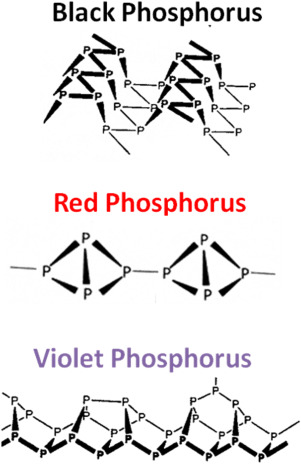
Black phosphorus has shown great potential in many applications such as energy, optoelectronics and bio/sensing. However, its toxicity study is still in its infancy. Here, the cytotoxicity of black phosphorus prepared by two different synthesis methods, i.e. vapour growth transport and high pressure conversion, are investigated. Precursor and intermediate materials, namely red and violet phosphorus, …

Cytotoxicity of phosphorus allotropes (black, violet, red) Read More »

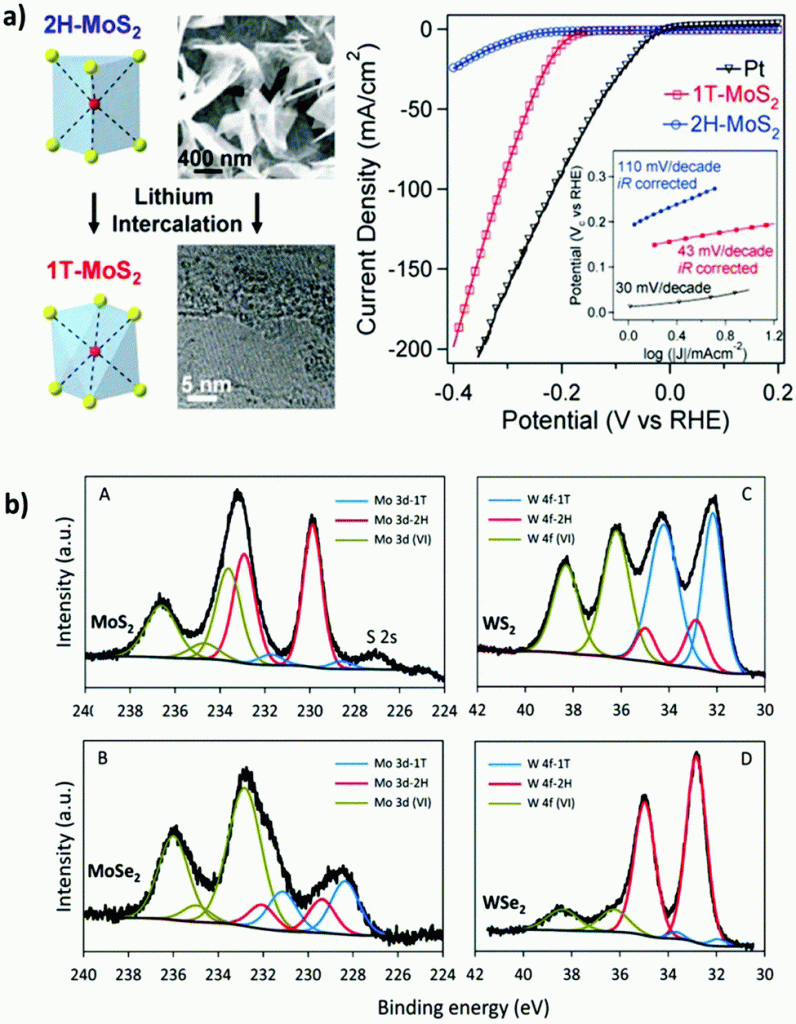
1T-Phase Tungsten Chalcogenides (WS2, WSe2, WTe2) Decorated with TiO2 Nanoplatelets with Enhanced Electron Transfer Activity for Biosensing Applications

Layered transition metal dichalcogenides (TMDs) have received a great deal of attention due to fact that they have varied band gap, depending on their metal/chalcogen composition and on the crystal structure. Furthermore, these materials demonstrate great potential application in a myriad of electrochemical technologies. Heterogeneous electron transfer (HET) abilities of TMD materials toward redox-active molecules …

1T-Phase Tungsten Chalcogenides (WS2, WSe2, WTe2) Decorated with TiO2 Nanoplatelets with Enhanced Electron Transfer Activity for Biosensing Applications Read More »

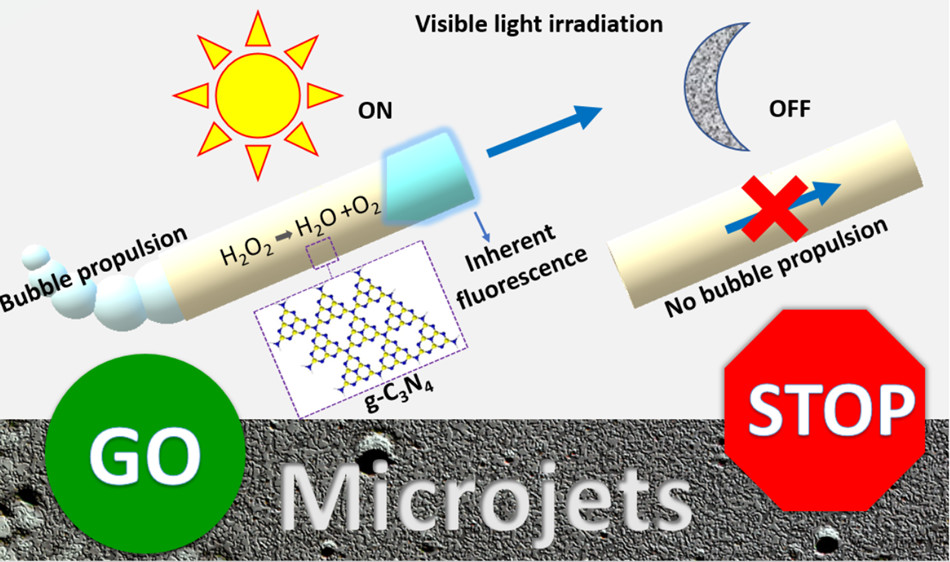
Metal-Free Visible-Light Photoactivated C3N4 Bubble-Propelled Tubular Micromotors with Inherent Fluorescence and On/Off Capabilities

Photoactivated micromachines are at the forefront of the micro- and nanomotors field, as light is the main power source of many biological systems. Currently, this rapidly developing field is based on metal-containing segments, typically TiO2 and precious metals. Herein, we present metal-free tubular micromotors solely based on graphitic carbon nitride, as highly scalable and low-cost …

Metal-Free Visible-Light Photoactivated C3N4 Bubble-Propelled Tubular Micromotors with Inherent Fluorescence and On/Off Capabilities Read More »

Characteristics and performance of two-dimensional materials for electrocatalysis

The unique anisotropy and electronic properties of 2D materials have sparked immense interest in their fundamental electrochemistry and wide spectrum of applications. Beginning with the prototype 2D material – graphene – studies into an extensive library of other ultrathin layered structures have gradually emerged. Among these are the transition metal dichalcogenides, layered double hydroxides, metal …

Characteristics and performance of two-dimensional materials for electrocatalysis Read More »

Fluorographenes for Energy and Sensing Application: The Amount of Fluorine Matters

With graphene and its derivatives playing important roles in a wide array of applications lately, modification and optimization of these materials become of paramount importance. In this work, we study the electrochemical and electrocatalytic behaviors of three fluorinated graphenes with varied fluorine contents. Unsurprisingly, the fluorinated graphene materials have displayed enhanced electrochemical sensing in various …

Fluorographenes for Energy and Sensing Application: The Amount of Fluorine Matters Read More »

Multimaterial 3D-Printed Water Electrolyzer with Earth-Abundant Electrodeposited Catalysts

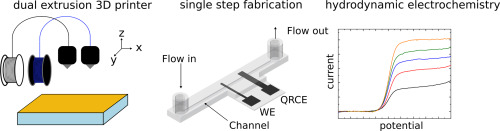
Additive manufacturing (AM) is reaching a stage of development that enables high throughput fabrication of end products/devices. An important contribution to the advancement of this technology is given by the possibility to combine different materials into a single printing process or integrate diverse technologies for the fabrication of different components. Here we show how a …

Multimaterial 3D-Printed Water Electrolyzer with Earth-Abundant Electrodeposited Catalysts Read More »

3D Printed Graphene Electrodes’ Electrochemical Activation

Three-dimensional (3D) printing technologies are emerging as an important tool for the manufacturing of electrodes for various electrochemistry applications. It has been previously shown that metal 3D electrodes, modified with metal oxides, are excellent catalysts for various electrochemical energy and sensing applications. However, the metal 3D printing process, also known as selective laser melting, is …

3D Printed Graphene Electrodes’ Electrochemical Activation Read More »

Fluorographene and Graphane as an Excellent Platform for Enzyme Biocatalysis

The application of enzymes is a crucial issue for current biotechnological application in pharmaceutical, as well as food and cosmetic industry. Effective platforms for enzyme immobilization are necessary for their industrial use in various biosynthesis procedures. Such platforms must provide high yield of immobilization and retain high activity at various conditions for their large-scale applications. …

Fluorographene and Graphane as an Excellent Platform for Enzyme Biocatalysis Read More »

Covalent Functionalization of Exfoliated Arsenic with Chlorocarbene

Few-layer and monolayer arsenic (arsenene) materials have been attracting great attention mainly from a theoretical perspective. Chemical modification of these materials would expand significantly the range of their applications. Here, we describe a chlorocarbene-mediated modification of exfoliated layered arsenic materials. Carbene-based species are highly reactive and offer further possibilities of functionalization. Our approach for modifying …

Covalent Functionalization of Exfoliated Arsenic with Chlorocarbene Read More »

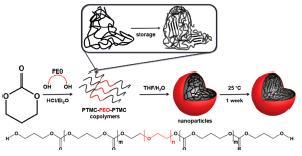
Nanoparticles Based on Poly(trimethylene carbonate) Triblock Copolymers with Post-Crystallization Ability and Their Degradation in vitro

Aliphatic polycarbonate-based block copolymers have received considerable attention as carriers for targeted drug and gene delivery because of their biocompatibility and biodegradability. However, there is little understanding of their phase behaviour and physicochemical characterization of the particles made from them. Here, we prepared a series of well-defined poly(trimethylene carbonate) (PTMC)-based copolymers with molar masses of …

Nanoparticles Based on Poly(trimethylene carbonate) Triblock Copolymers with Post-Crystallization Ability and Their Degradation in vitro Read More »

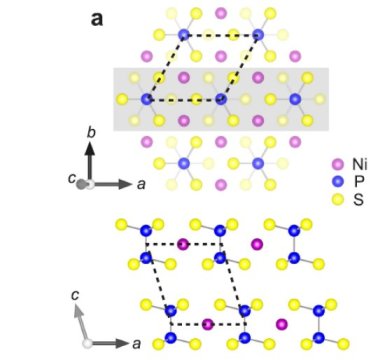
Cytotoxicity of layered metal phosphorus chalcogenides (MPXY) nanoflakes; FePS3, CoPS3, NiPS3

Metal phosphorus chalcogenides is a new class of 2D materials that have shown interesting semiconducting, electronic, anisotropic, magnetic, dielectric, structural and optical properties. Recently, NiPS3, FePS3 and CoPS3 in particular have been highlighted for promising potential in important energy applications such as electro-catalysts for water splitting and hydrogen storage. However, little is known about the …

Cytotoxicity of layered metal phosphorus chalcogenides (MPXY) nanoflakes; FePS3, CoPS3, NiPS3 Read More »

Cooperative Multifunctional Self‐Propelled Paramagnetic Microrobots with Chemical Handles for Cell Manipulation and Drug Delivery

Autonomous self‐propelled micromachines, taking energy from surrounding environment and converting it to their motion, are on the forefront of the research for smart materials in the recent years. Owing to their self‐propulsion mechanism, they have demonstrated to be more efficient drug carriers than passive particles. Here, multifunctional superparamagnetic/catalytic microrobots (PM/Pt microrobots) for cell manipulation, anticancer …

Cooperative Multifunctional Self‐Propelled Paramagnetic Microrobots with Chemical Handles for Cell Manipulation and Drug Delivery Read More »

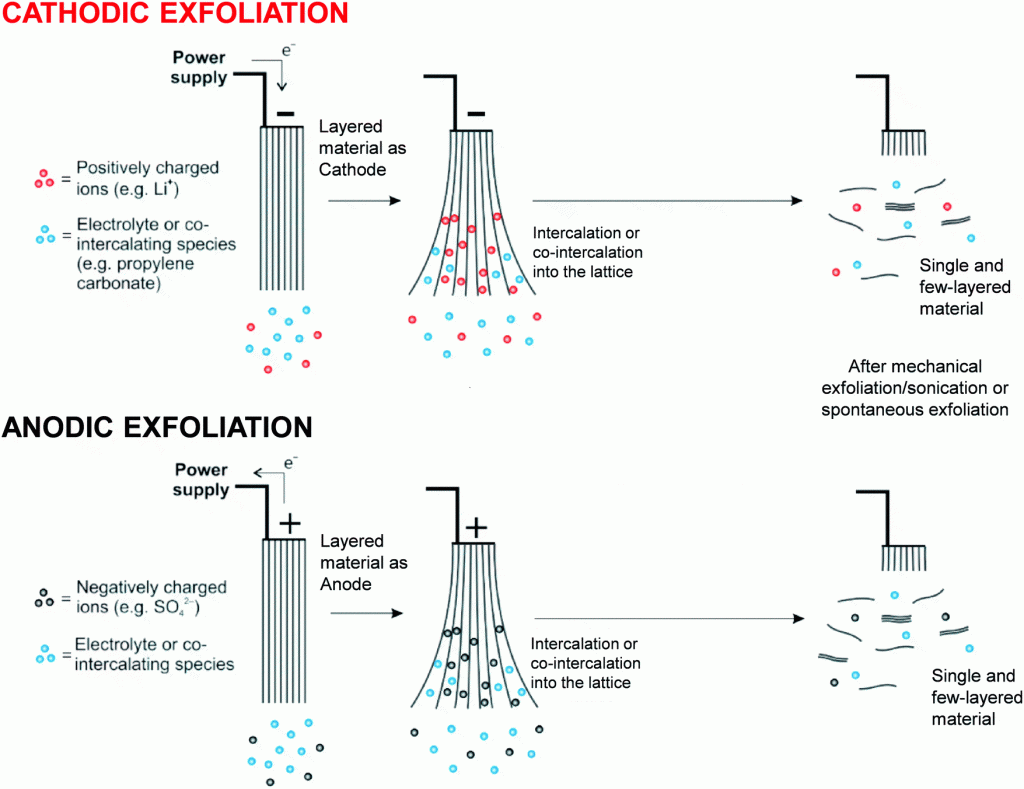
Exfoliation of layered materials using electrochemistry

After the isolation and discovery of the extraordinary properties of graphene, tremendous interest has been directed towards other layered materials. Known also as van der Waals solids, these materials can offer a much wider range of properties than graphene when exfoliated to single or few-layer sheets with benefits for several different applications. Similar to graphene, …

Exfoliation of layered materials using electrochemistry Read More »

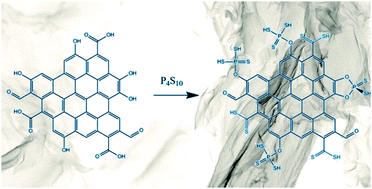
Synthesis and properties of phosphorus and sulfur co-doped graphene

The derivatisation of graphene significantly extends its application potential beyond just a highly conductive material. The introduction of sulfur based functionalities is relatively difficult and remains quite unexplored. Here, we demonstrated effective functionalization of graphene oxide with sulfur and phosphorus based functionalities by a simple one step reaction using phosphorus(v) sulfide known in organic synthesis …

Synthesis and properties of phosphorus and sulfur co-doped graphene Read More »

Molybdenum Sulfide Electrocatalysis is Dramatically Influenced by Solvents Used for Its Dispersions

Transition metal dichalcogenides, especially MoS2 and related MoS3, have attracted attention as potential replacement of platinum for electrochemical energy applications. These materials are typically treated before the use in solvents. It is assumed that these solvents do not influence follow-up electrochemistry. Here, we show that the oxygen reduction overpotentials as well as inherent electrochemistry of …

Molybdenum Sulfide Electrocatalysis is Dramatically Influenced by Solvents Used for Its Dispersions Read More »

2D-Pnictogens: alloy-based anode battery materials with ultrahigh cycling stability

There is an increasing demand for efficient energy storage systems in our modern mobile society for a wide range of applications such as smart grids, portable electronic devices, and electric vehicles. The performance of advanced batteries in terms of energy density, power density, cyclability, and safety is mainly determined by the primary functional components, particularly …

2D-Pnictogens: alloy-based anode battery materials with ultrahigh cycling stability Read More »

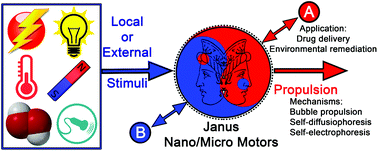
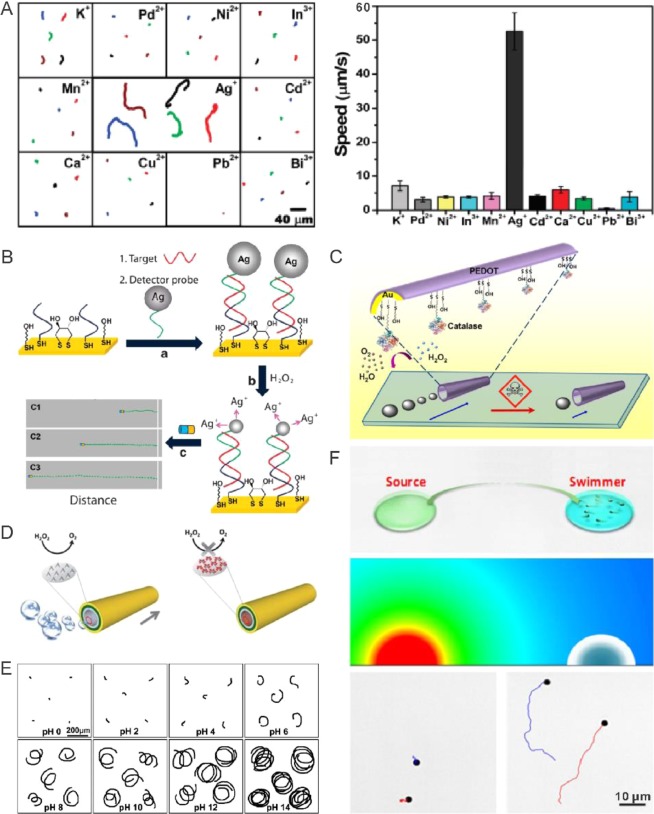
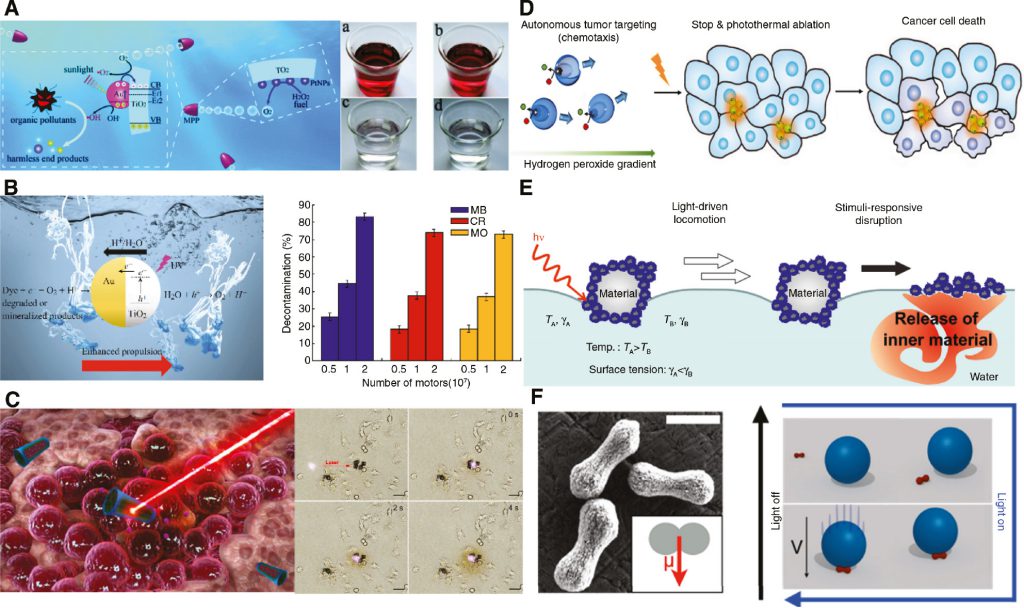
Multifunctional and self-propelled spherical Janus nano/micromotors: recent advances

Recent progress in autonomous self-propelled multifunctional Janus nano/micromotors, which are able to convert chemical or light energy into mechanical motion, is presented. This technology of moving micro- and nanodevices is at the forefront of materials research and is a promising and growing technology with the possibility of using these motors in both biomedical and environmental …

Multifunctional and self-propelled spherical Janus nano/micromotors: recent advances Read More »

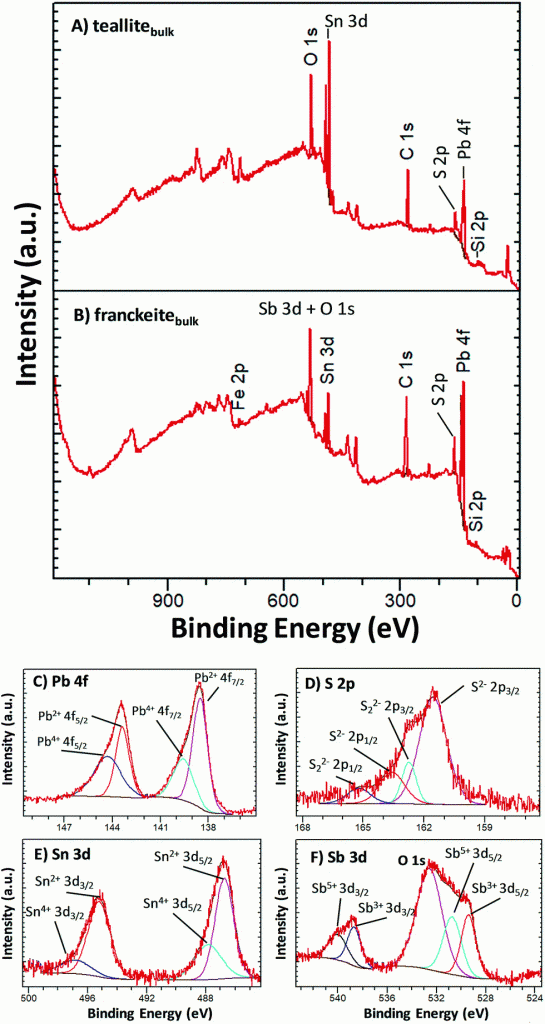
Layered franckeite and teallite intrinsic heterostructures: shear exfoliation and electrocatalysis

Research into van der Waals heterostructures (vdWH) has been mostly focused on fabricating individually stacked atomically thin crystals in lab settings. Interestingly, vdWH materials are also readily available from the Earth’s lithosphere. Franckeite is a naturally-occurring misfit-layered vdWH, composed of Pb, Sn, Sb, Fe, and S. Teallite differs from franckeite by not containing Sb. Herein, …

Layered franckeite and teallite intrinsic heterostructures: shear exfoliation and electrocatalysis Read More »

Additive manufacturing of electrochemical interfaces: Simultaneous detection of biomarkers

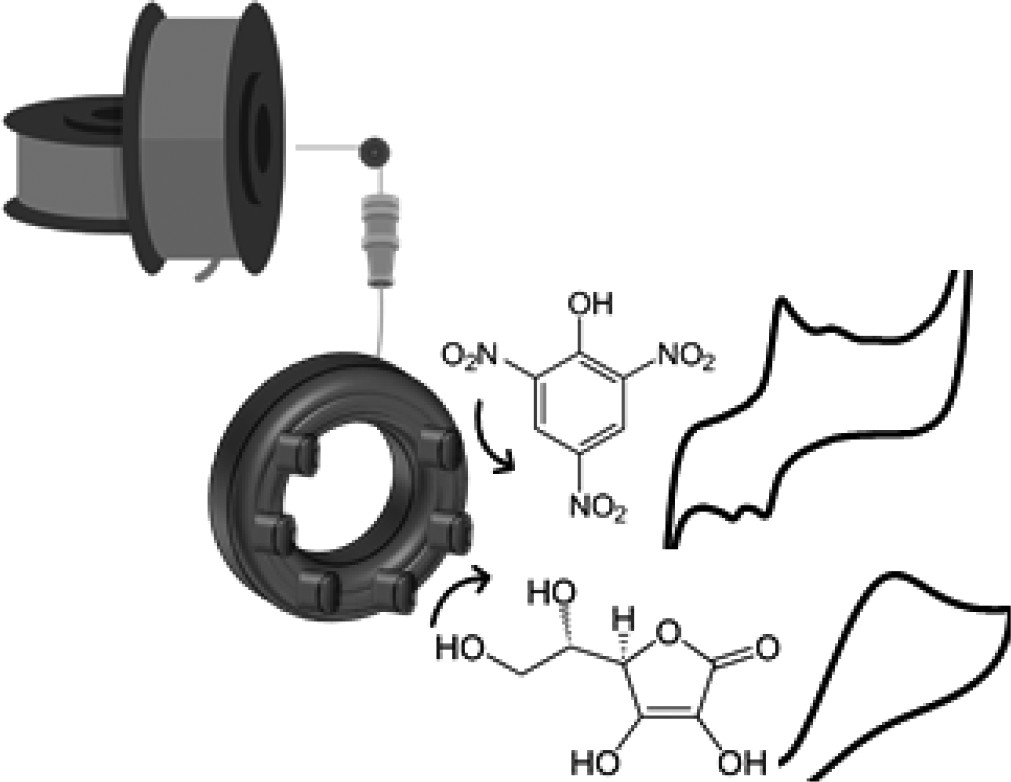
3D-printed stainless steel helical shaped electrodes with or without surface modification with a gold (Au) film are tested as novel electrode materials for the electrochemical detection of ascorbic acid and uric acid in aqueous solutions. Their performance in terms of sensitivity, selectivity and reproducibility is evaluated and compared to conventional glassy carbon electrode (GCE). Owing …

Additive manufacturing of electrochemical interfaces: Simultaneous detection of biomarkers Read More »

Triazine- and Heptazine-Based Carbon Nitrides: Toxicity

Graphitic carbon nitride has attracted extensive interests recently because of its potential in biosensing, photocatalytic, and biomedical applications. Similar to graphene, it is a two-dimensional carbon and nitrogen-based nanomaterial with weak van der Waals forces between each layer. Carbon nitrides can have various structural moieties such as triazine and heptazine. Unlike graphene-substituted nanosheets, the toxicity …

Triazine- and Heptazine-Based Carbon Nitrides: Toxicity Read More »

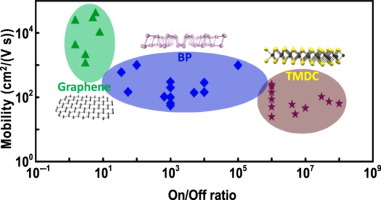
Fluorination of Black Phosphorus-Will Black Phosphorus Burn Down in the Elemental Fluorine?

Black phosphorus (BP) represents a promising tunable bandgap alternative to graphene and other 2D materials in the field of semiconductors. However, its reactivity toward covalent modification of its surface (as a key to its bandgap adjustment) is scarcely reported. Here a method of covalent modification of BP involving reaction with fluorine is reported. Other allotropes …

Fluorination of Black Phosphorus-Will Black Phosphorus Burn Down in the Elemental Fluorine? Read More »

Layered transition metal dichalcogenide electrochemistry: journey across the periodic table

Studies on layered transition metal dichalcogenides (TMDs), in particular for Group VIB TMDs like MoS2 and WS2, have long reached a crescendo in the realms of electrochemical applications initiated by their remarkable catalytic and electronic properties. One area that garnered considerable attention is the fervent pursuit of layered TMDs as electrocatalysts for hydrogen evolution reaction …

Layered transition metal dichalcogenide electrochemistry: journey across the periodic table Read More »

Micro- and nanorobots based sensing and biosensing

Synthetic micro- and nanorobots have attracted considerable attentions for their potential applications in environment, biomedicine and microengineering. In this review, we summarize the recent works on micro/nanorobots based sensing and biosensing according to different mechanisms: motion based sensing, electrochemical sensing with micro/nanorobots and fluorescent, electrochemiluminescent, colorimetric sensing with micro/nanorobots. Micro/nanorobots offer a convenient and active …

Micro- and nanorobots based sensing and biosensing Read More »

Monoelemental 2D materials-based field effect transistors for sensing and biosensing: Phosphorene, antimonene, arsenene, silicene, and germanene go beyond graphene

Graphene has been of immense interest for its interesting electronic properties, such as being a zeroband gap semiconductor. However, to be able to usefully employ graphene for electronics and electronic-transduction system sensors and biosensors, one needs to open this band gap. This proofs to be challenging on reproducible, scalable way. There are other 2D monoelemental …

Monoelemental 2D materials-based field effect transistors for sensing and biosensing: Phosphorene, antimonene, arsenene, silicene, and germanene go beyond graphene Read More »

Products of Degradation of Black Phosphorus in Protic Solvents

Deterioration of the surface of black phosphorus (BP) caused by ambient atmosphere is an undesired process, limiting broader use of BP in many areas. The mechanism of BP degradation was explained theoretically, and the oxidized materials were thoroughly characterized experimentally. However, the surface analysis techniques introduce only a limited insight into the real state of …

Products of Degradation of Black Phosphorus in Protic Solvents Read More »

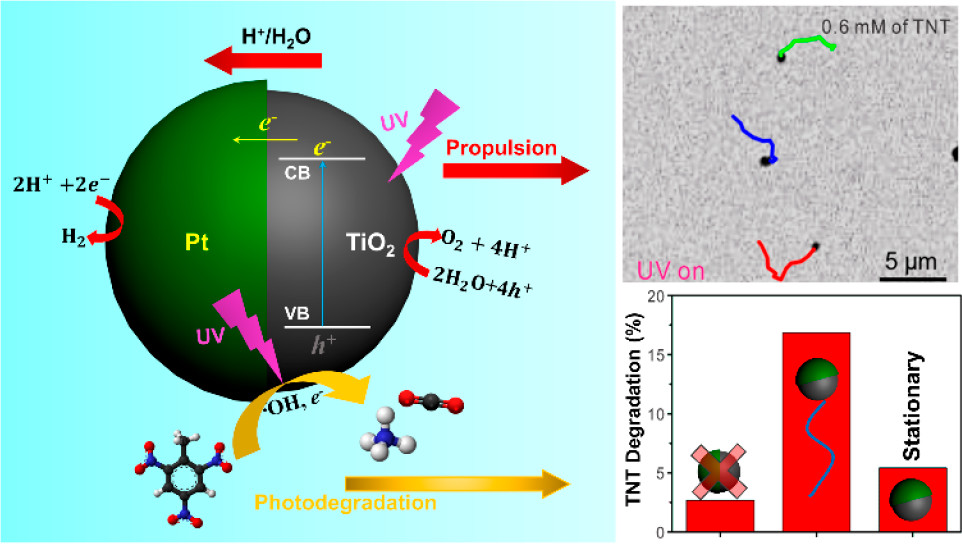
Fuel-Free Light-Powered TiO2/Pt Janus Micromotors for Enhanced Nitroaromatic Explosives Degradation

Nitroaromatic explosives such as 2,4,6-trinitrotoluene (2,4,6-TNT) and 2,4-dinitrotoluene (2,4-DNT) are two common nitroaromatic compounds in ammunition. Their leakage leads to serious environmental pollution and threatens human health. It is important to remove or decompose them rapidly and efficiently. In this work, we present that light-powered TiO2/Pt Janus micromotors have high efficiency for the “on-the-fly” photocatalytic …

Fuel-Free Light-Powered TiO2/Pt Janus Micromotors for Enhanced Nitroaromatic Explosives Degradation Read More »

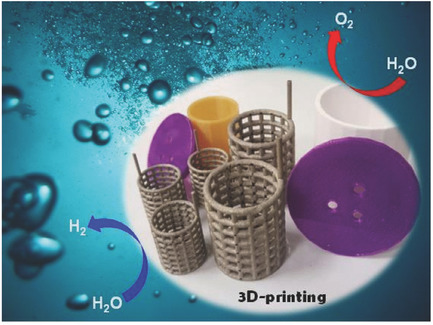
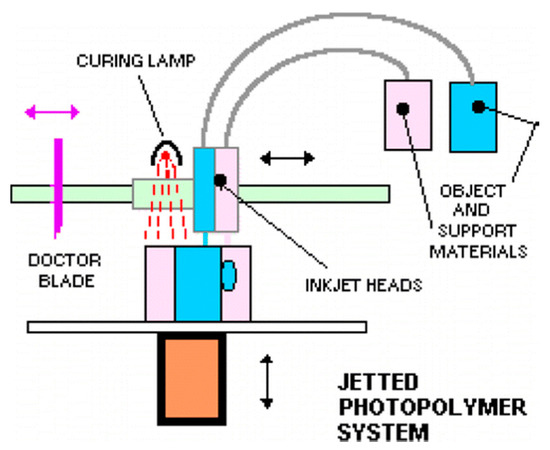
Self-Contained Polymer/Metal 3D Printed Electrochemical Platform for Tailored Water Splitting

The enormous advancements made recently in additive manufacturing require parallel development of new printable materials with particular focus on so-defined functional materials. Functional materials have specific properties that are useful for the fabrication of active devices such as sensors, electronic components, catalytic reactors, etc. It is shown here that the combination of standard 3D-printing technologies …

Self-Contained Polymer/Metal 3D Printed Electrochemical Platform for Tailored Water Splitting Read More »

Structure-Function Dependence on Template-Based Micromotors

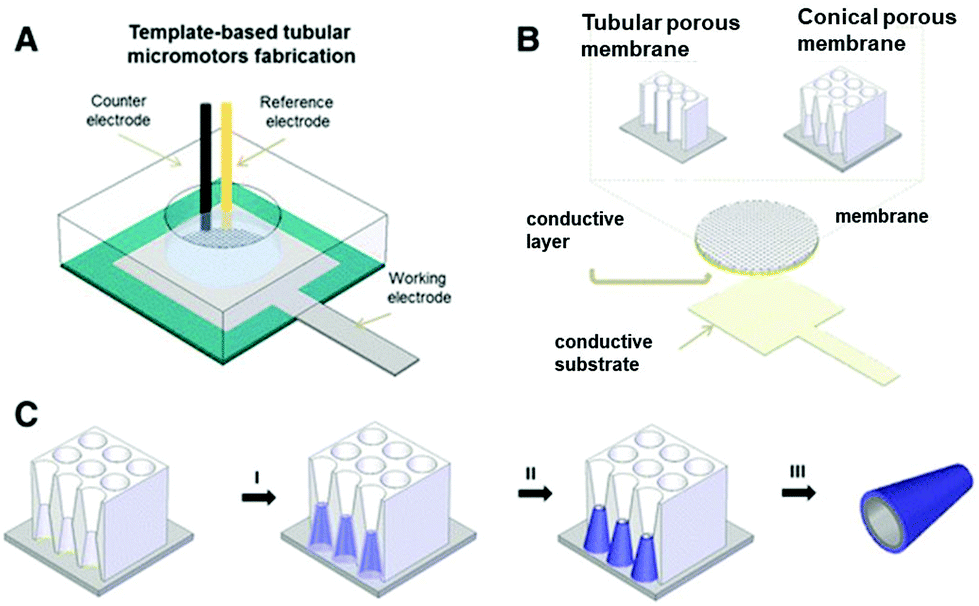
Catalytically bubble propelled micromotors are one of the most frequently used self-propelled micromachines in the literature. Typically, the structure-function relationship is not investigated. We present detailed study of how the structural geometry influences the propulsion of these micromachines. We prepared different micromotors with membrane template-assisted electrodeposition by applying varied electroplating time. We obtained a variety …

Structure-Function Dependence on Template-Based Micromotors Read More »

3D-printed Electrodes for Sensing of Biologically Active Molecules

3D printing (additive manufacturing) is currently an emerging technology that could revolutionize the traditional manufacturing process. The application of 3D printing technology has been examined in many different fields including manufacturing, science, medicine, and electronics. Another application of 3D printing technology which holds promising potential is fabrication of electrochemical sensors and transducers. Electroanalytical devices hold …

3D-printed Electrodes for Sensing of Biologically Active Molecules Read More »

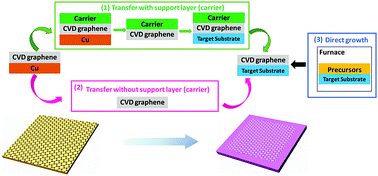
The chemistry of CVD graphene

This review covers all aspects of possible graphene doping and chemical modification published to date. Together with the chemistry of graphene, the current methods of large scale and high quality graphene growth and recent progress in graphene transfer methods are also discussed. The possible applications are discussed together with their relation to graphene chemistry. Compared …

The chemistry of CVD graphene Read More »

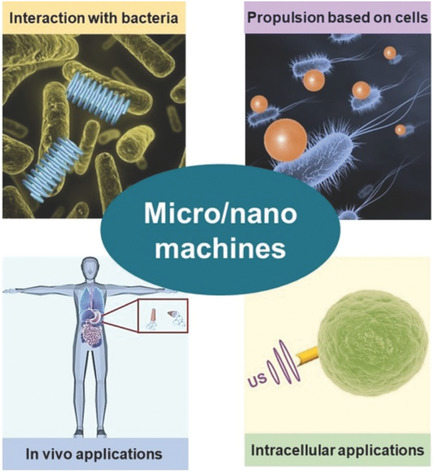
Micro/Nanomachines and Living Biosystems: From Simple Interactions to Microcyborgs

Miniaturization of machines into the micro/nanoscale is an essential ingredient toward better understanding and control of the microscopic world. As an emerging research area, micro/nanomachines have attracted substantial efforts of researchers from multiple disciplines. Mimicking the biological machines in nature, artificial micro/nanomachines are becoming increasingly sophisticated so that they can serve as useful tools to …

Micro/Nanomachines and Living Biosystems: From Simple Interactions to Microcyborgs Read More »

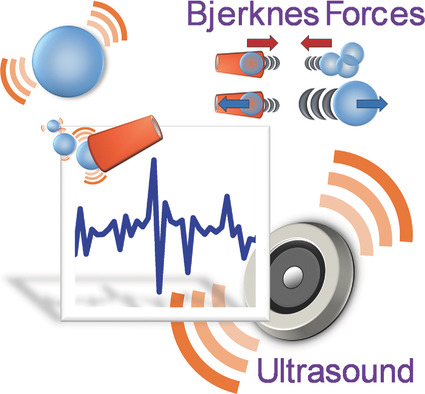
Bjerknes Forces in Motion: Long-Range Translational Motion and Chiral Directionality Switching in Bubble-Propelled Micromotors via an Ultrasonic Pathway

Manipulation of a micromotor’s locomotion has been the ultimate aim of scientists and engineers alike. While numerous roadmaps have been cast, the interswitching of the locomotion and directionality of these miniaturized machines remains elusive. In this report, ultrasound is utilized to produce stop/go motion on bubble-propelled micromotors via Bjerknes forces. An intricate study using high-speed …

Bjerknes Forces in Motion: Long-Range Translational Motion and Chiral Directionality Switching in Bubble-Propelled Micromotors via an Ultrasonic Pathway Read More »

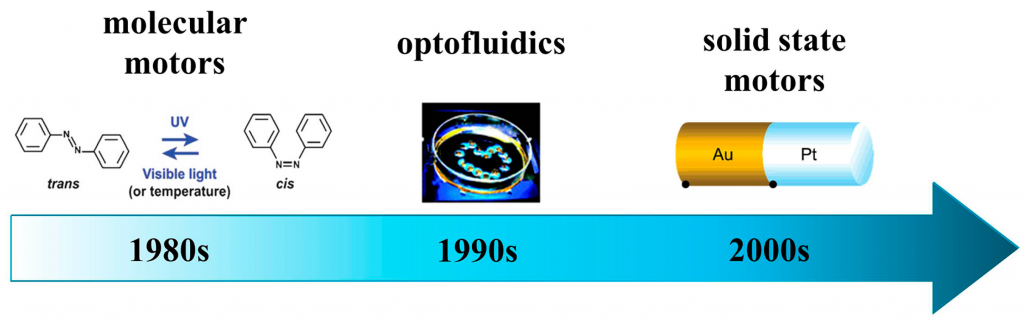
Micro‐ and Nanomachines on the Move

Micro‐ and nanomachines that can self‐propel or that can be actuated to act as transporters, sensors, and mobile reactors require novel functional responsive materials. Important advances in materials science over the past decade have led to remarkable progress in this field and the development and operation of synthetic nanomachines that start to mimic their natural …

Micro‐ and Nanomachines on the Move Read More »

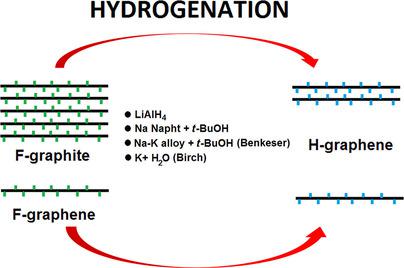
Hydrogenation of Fluorographite and Fluorographene: An Easy Way to Produce Highly Hydrogenated Graphene

Fluorographene is an excellent precursor for the synthesis of graphene derivatives. Relative to pure graphene, fluorographene possesses higher reactivity and, in comparison with graphene oxide, is also homogenous in composition, which enables the preparation of well-defined materials. Recently, it has been shown that several graphene derivatives can be synthesized from fluorographene, thus yielding various products …

Hydrogenation of Fluorographite and Fluorographene: An Easy Way to Produce Highly Hydrogenated Graphene Read More »

(Bio)Analytical chemistry enabled by 3D printing: Sensors and biosensors

3D printing has revolutionized the concept of object manufacturing, making an enormous impact on industry and economy. The technology has found a niche in countless fields, including scientific research. It has rendered practical solutions to scientific problems by offering tailored-shaped devices with exquisite control in design and geometry and through the versatility of printable materials. …

(Bio)Analytical chemistry enabled by 3D printing: Sensors and biosensors Read More »

Functional Protection of Exfoliated Black Phosphorus by Noncovalent Modification with Anthraquinone

Few and monolayer black phosphorus (phosphorene) is currently an intensively researched material. Shear exfoliated black phosphorus (BPSE) nano sheets were functionalized with the redox active antraquinone (AQ) that can provide additional charge storage capacity. The noncovalent interaction of BP with AQ occurs due to van der Waals interactions. X-ray photoelectron spectroscopy results show that AQ …

Functional Protection of Exfoliated Black Phosphorus by Noncovalent Modification with Anthraquinone Read More »

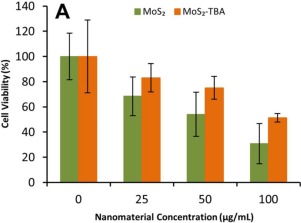
In vitro cytotoxicity of covalently protected layered molybdenum disulfide

Layered molybdenum disulfide (MoS2) is in forefront of materials research. MoS2 has been reported to display various unique electronic, catalytic and sensing properties. Functionalization of MoS2 is common as it can improve biocompatibility, electrochemical behaviour, catalytic performance, and sensing abilities. In this study, a cytotoxicity study of MoS2 functionalized with an organic molecule, thiobarbituric acid …

In vitro cytotoxicity of covalently protected layered molybdenum disulfide Read More »

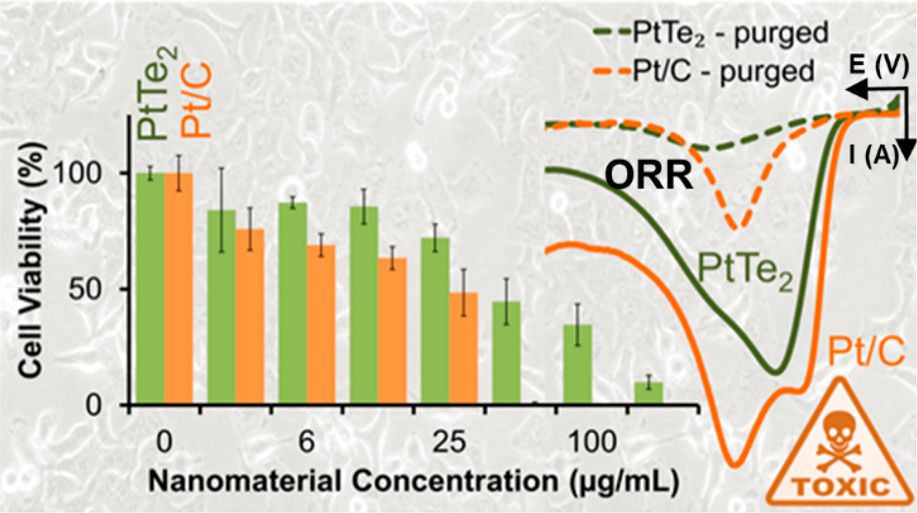
Layered PtTe2 Matches Electrocatalytic Performance of Pt/C for Oxygen Reduction Reaction with Significantly Lower Toxicity

Oxygen reduction reaction (ORR) is an important reaction for fuel cells and platinum on carbon (Pt/C) is a typical electrocatalyst for ORR in industrial applications. There is a constant search for a replacement for Pt/C with better ORR electrocatalytic performance but thus far, most materials show poorer electrocatalytic activity than Pt/C. Herein, we present electrocatalytical …

Layered PtTe2 Matches Electrocatalytic Performance of Pt/C for Oxygen Reduction Reaction with Significantly Lower Toxicity Read More »

Morphology-Dependent Magnetism in Nanographene: Beyond Nanoribbons

Imprinting self-sustainable magnetic features into graphene has recently generated much interest owing to its potential application in spintronics. Several strategies for imprinting magnetic features into graphene are proposed theoretically. However, only a few of them are realized experimentally. Here, the first scalable synthesis of magnetic graphene nanoplatelets with diverse morphologies, including nanoribbons and triangular, pentagonal, …

Morphology-Dependent Magnetism in Nanographene: Beyond Nanoribbons Read More »

MoSe2 Dispersed in Stabilizing Surfactant Media: Effect of the Surfactant Type and Concentration on Electron Transfer and Catalytic Properties

Layered transition metal dichalcogenides (TMDs) have gained attention from the scientific community because of their extended range of applications. Molybdenum diselenide (MoSe2) has been proven to be an efficient catalyst for the hydrogen evolution reaction (HER), having implications in the research of new catalysts for clean energy production. One way to produce large quantities of …

MoSe2 Dispersed in Stabilizing Surfactant Media: Effect of the Surfactant Type and Concentration on Electron Transfer and Catalytic Properties Read More »

MoS2 Nanoparticles as Electrocatalytic Labels in Magneto-Immunoassays

Ability to detect biomolecules with a simple and cost-effective approach has been very demanding in today’s medicine. The nanoparticles and two-dimensional materials have been extensively used within this field in devices with high selectivity and sensitivity. Here, we report the use of MoS2 nanoparticles (MoS2 NPs) as a signal-enhancing label in a standard immunoassay test. …

MoS2 Nanoparticles as Electrocatalytic Labels in Magneto-Immunoassays Read More »

3D-Printed Graphene/Polylactic Acid Electrodes Promise High Sensitivity in Electroanalysis

Additive manufacturing provides a unique tool for prototyping structures toward electrochemical sensing, due to its ability to produce highly versatile, tailored-shaped devices in a low-cost and fast way with minimized waste. Here we present 3D-printed graphene electrodes for electrochemical sensing. Ring- and disc-shaped electrodes were 3D printed with a Fused Deposition Modeling printer and characterized …

3D-Printed Graphene/Polylactic Acid Electrodes Promise High Sensitivity in Electroanalysis Read More »

A highly sensitive room temperature humidity sensor based on 2D-WS(2 )nanosheets

Ambient humidity monitoring is of outmost importance in many technological fields. For this reason, there is still a substantial interest in the development of new simple humidity sensors with high performances. Here it is presented a study to the development of a sensitive, selective and reliable conductometric humidity sensor based on two-dimensional (2D) WS(2 )nanosheets. …

A highly sensitive room temperature humidity sensor based on 2D-WS(2 )nanosheets Read More »

Polymer platforms for micro- and nanomotor fabrication

Artificial, self-propelled micro- and nanomotors are small devices capable of autonomous movement, which are a powerful scientific innovation for solving various medical and environmental issues. Their design is frequently inspired by complex biological structures which are composed of biopolymers and their composites. The choice of materials for nano- and micromachines is crucial for their shape, …

Polymer platforms for micro- and nanomotor fabrication Read More »

Nonconductive layered hexagonal boron nitride exfoliation by bipolar electrochemistry

Boron nitride (h-BN), which is an isoelectronic analogue of graphite, has received immense attention due to its unique physical and chemical properties. Numerous methods have been developed to isolate few-layered h-BN nanosheets. These include chemical vapour deposition, solution-based exfoliation and ball-milling amongst others. The bipolar electrochemical method is one of the popular, scalable and water …

Nonconductive layered hexagonal boron nitride exfoliation by bipolar electrochemistry Read More »

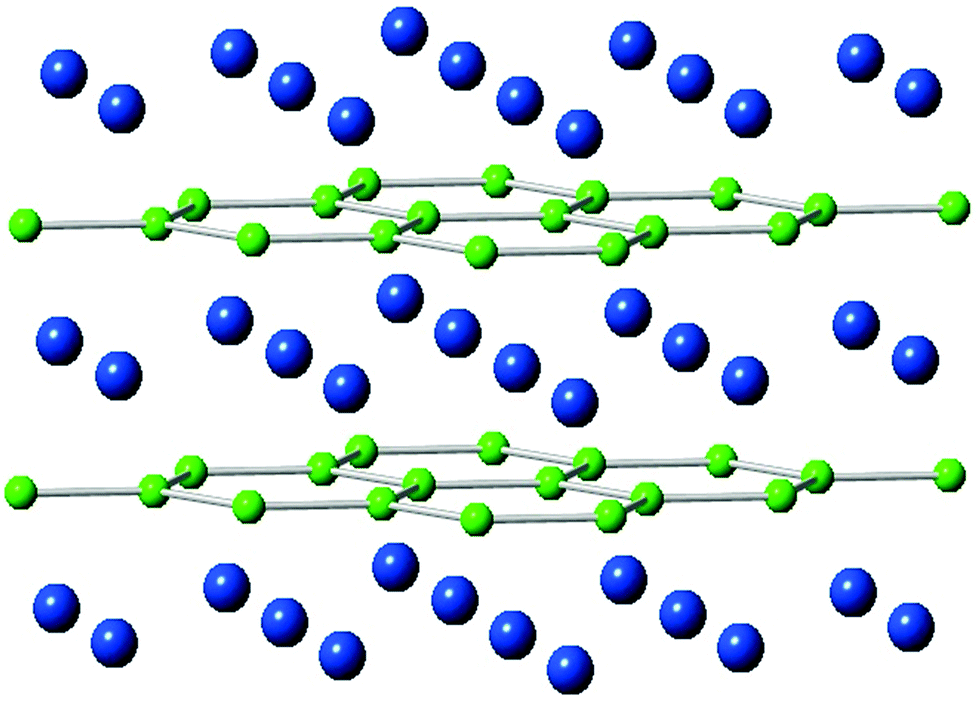
Chemistry of Graphene Derivatives: Synthesis, Applications, and Perspectives

The chemistry of graphene and its derivatives is one of the hottest topics of current material science research. The derivatisation of graphene is based on various approaches, and to date functionalization with halogens, hydrogen, various functional groups containing oxygen, sulfur, nitrogen, phosphorus, boron, and several other elements have been reported. Most of these functionalizations are …

Chemistry of Graphene Derivatives: Synthesis, Applications, and Perspectives Read More »

Cation-Controlled Electrocatalytical Activity of Transition-Metal Disulfides

The nanostructured layered transition-metal dichalcogenides are highly promising materials for substitution of platinum metals in electrocatalysis. These layered materials are usually exfoliated with intercalation of Li from organolithium compounds. Alkali metal intercalation leads not only to exfoliation and increased surface area but also, even more importantly, to conversion of naturally occurring 2H (trigonal prismatic) semiconducting …

Cation-Controlled Electrocatalytical Activity of Transition-Metal Disulfides Read More »

Tunable Pt-MoSx Hybrid Catalysts for Hydrogen Evolution

Platinum (Pt)-based materials are inevitably among the best-performing electrocatalysts for hydrogen evolution reaction (HER). MoS2 was suggested to be a potent HER catalyst to replace Pt in this reaction by theoretical modeling; however, in practice, this dream remains elusive. Here we show a facile one-pot bottom-up synthesis of Pt-MoSx composites using electrochemical reduction in an …

Tunable Pt-MoSx Hybrid Catalysts for Hydrogen Evolution Read More »

Morphological Effects and Stabilization of the Metallic 1T Phase in Layered V-, Nb-, and Ta-Doped WSe2 for Electrocatalysis

Layered transition-metal dichalcogenides ( TMDs) are valued for their electrocatalytic properties toward the hydrogen-evolution reaction ( HER) and oxygen-reduction reaction ( ORR). One effective strategy to activate the electrocatalytic properties of TMDs is through doping. The optimistic outlook of doped-MoS2 as an electrocatalyst witnessed in previous reports spurred us to examine the effect of doping …

Morphological Effects and Stabilization of the Metallic 1T Phase in Layered V-, Nb-, and Ta-Doped WSe2 for Electrocatalysis Read More »

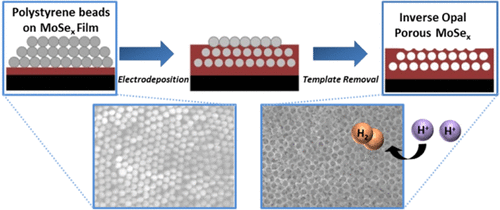
Inverse Opal-like Porous MoSeX Films for Hydrogen Evolution Catalysis: Overpotential-Pore Size Dependence

Transition metal dichalcogenides (TMDs) are prized as electrocatalysts for hydrogen evolution reaction (HER). Common TMD syntheses entail conditions of high temperatures and reagents that are detrimental to the environment. The electrochemical synthesis of TMDs is advocated as a viable alternative to the conventional synthetic procedures in terms of simplicity, ecological sustainability, and versatility of deposition …

Inverse Opal-like Porous MoSeX Films for Hydrogen Evolution Catalysis: Overpotential-Pore Size Dependence Read More »

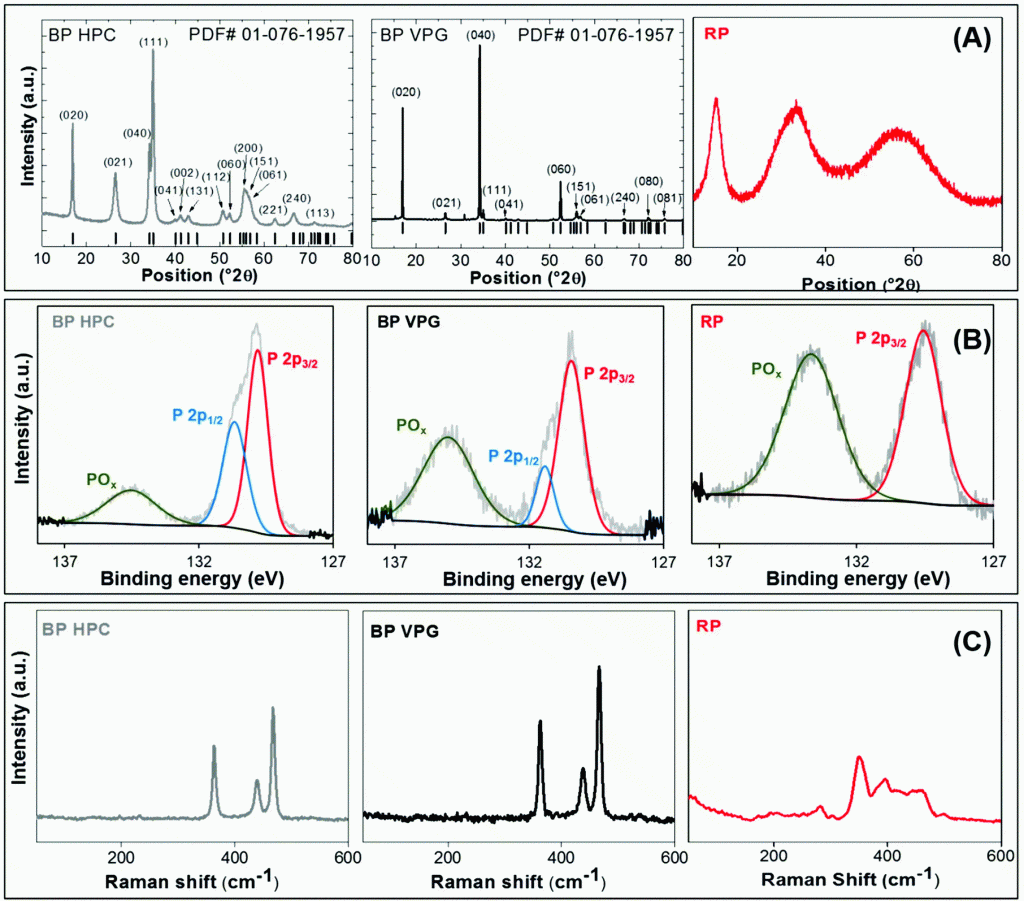
Black Phosphorus Synthesis Path Strongly Influences Its Delamination, Chemical Properties and Electrochemical Performance

We show here that synthetic approaches to layered black phosphorus (BP), namely, high-pressure conversion of red phosphorus (RP) and vapor growth of BP from RP in the presence of Sn/SnI4, lead to dramatically different crystallinity of BP which in turn strongly influences its exfoliation, chemical and electrochemical properties. In particular, we demonstrate that black phosphorus …

Black Phosphorus Synthesis Path Strongly Influences Its Delamination, Chemical Properties and Electrochemical Performance Read More »

Metallic impurities in black phosphorus nanoflakes prepared by different synthetic routes

The allotropes of elementary phosphorus materials, such as black phosphorus and its single layer form phosphorene have recently regained scientific attention due to their outstanding properties suitable for applications in electronics, optical devices, and energy applications. As with many other materials, there is a fundamental question of the presence of impurities in these materials and …

Metallic impurities in black phosphorus nanoflakes prepared by different synthetic routes Read More »

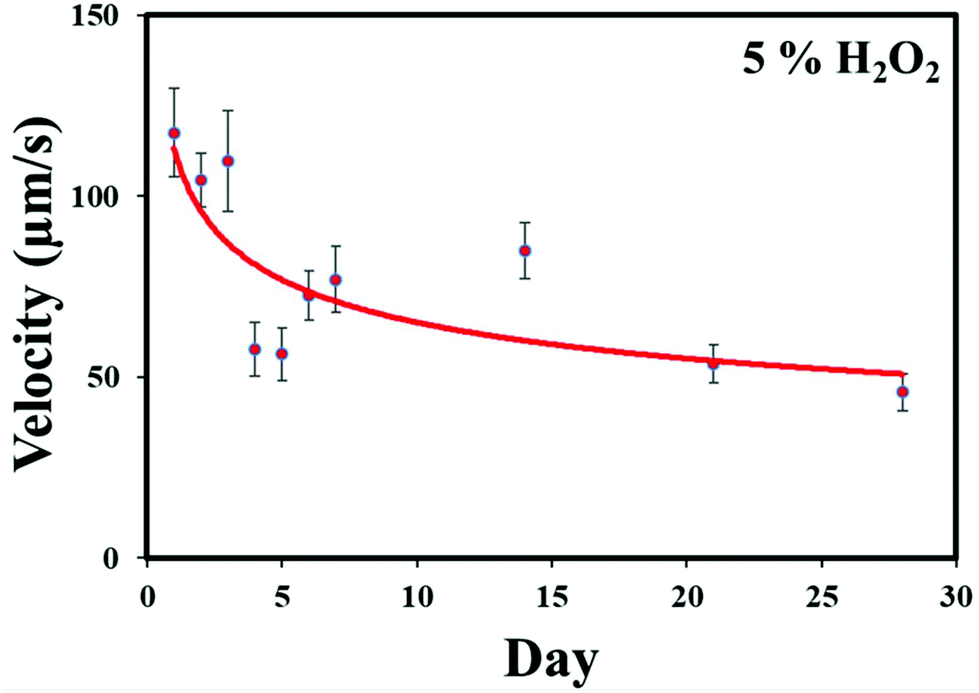
Corrosion due to ageing influences the performance of tubular platinum microrobots

Autonomous self-propelled nano and microrobots are in the forefront of materials research. The micro-machines are typically prepared in batches, stored and subsequently used. We show here that the storage of platinum tubular catalytic microrobots in water causes their corrosion which results in their lower mobility and performance. This has important implications for the construction and …

Corrosion due to ageing influences the performance of tubular platinum microrobots Read More »

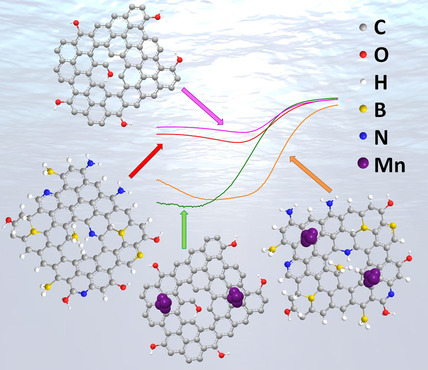
One-Step Synthesis of B/N Co-doped Graphene as Highly Efficient Electrocatalyst for the Oxygen Reduction Reaction: Synergistic Effect of Impurities

In the last decade, numerous studies of graphene doping by various metal and nonmetal elements have been done in order to obtain tailored properties, such as non-zero band gap, electrocatalytic activity, or controlled optical properties. From nonmetal elements, boron and nitrogen were the most studied dopants. Recently, it has been shown that in some cases …

One-Step Synthesis of B/N Co-doped Graphene as Highly Efficient Electrocatalyst for the Oxygen Reduction Reaction: Synergistic Effect of Impurities Read More »

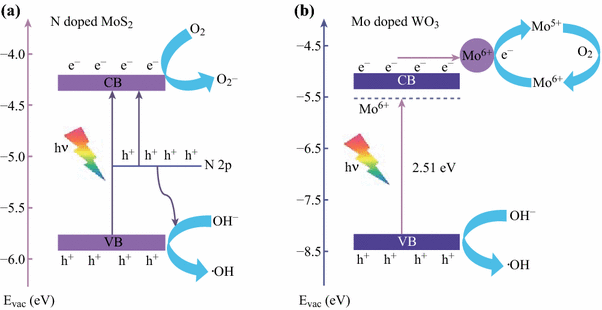
Nanohybrids of Two-Dimensional Transition-Metal Dichalcogenides and Titanium Dioxide for Photocatalytic Applications

The ever increasing need for renewable and clean energy resources as well as environmental concerns are considered as two serious challenges of today’s society. Photocatalysis has proved to be a reliable and effective technology to overcome these issues. However, to bring the full potential of this approach into reality, two main hurdles of fast charge …

Nanohybrids of Two-Dimensional Transition-Metal Dichalcogenides and Titanium Dioxide for Photocatalytic Applications Read More »

Cytotoxicity of Group 5 Transition Metal Ditellurides (MTe2; M=V, Nb, Ta)

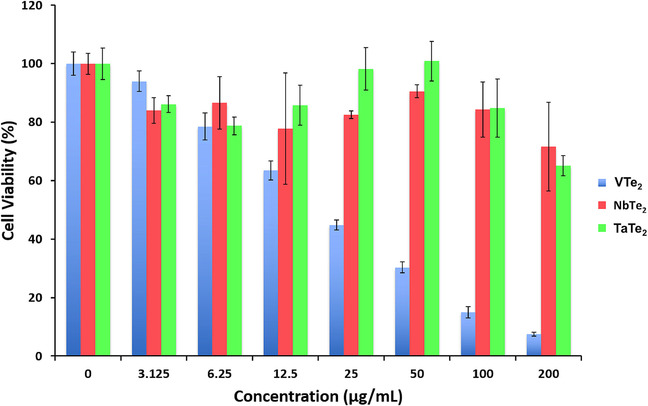
Much research effort has been put in to study layered compounds with transition metal dichalcogenides (TMDs) being one of the most studied compounds. Due to their extraordinary properties such as excellent electrochemical properties, tuneable band gaps, and low shear resistance due to weak van der Waals interactions between layers, TMDs have been found to have …

Cytotoxicity of Group 5 Transition Metal Ditellurides (MTe2; M=V, Nb, Ta) Read More »

TaS3 Nanofibers: Layered Trichalcogenide for High-Performance Electronic and Sensing Devices

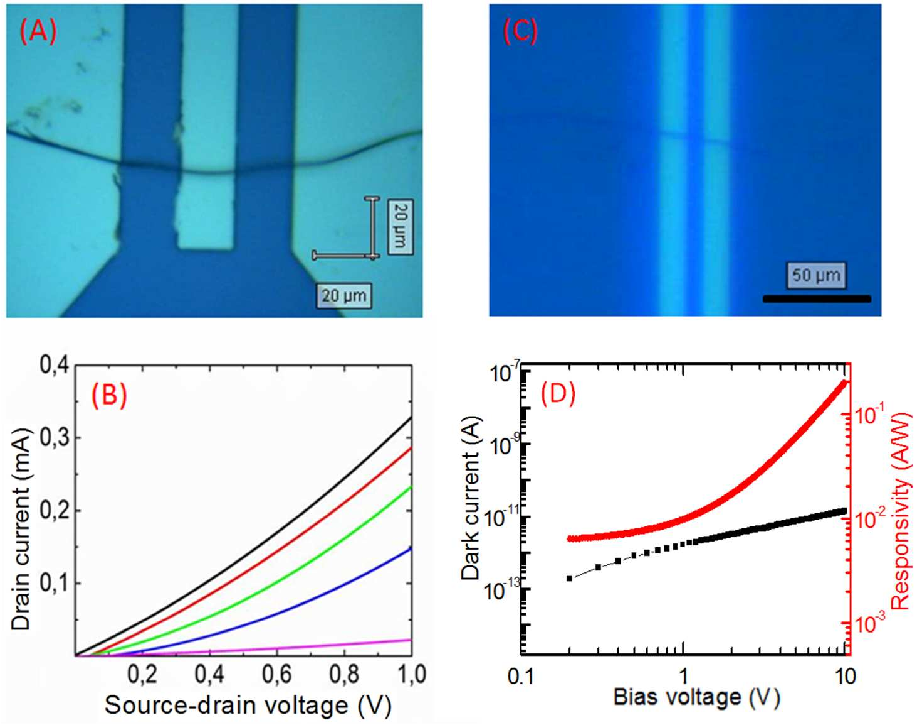
Layered materials, like transition metal dichalcogenides, exhibit broad spectra with outstanding properties with huge application potential, whereas another group of related materials, layered transition metal trichalcogenides, remains unexplored. Here, we show the broad application potential of this interesting structural type of layered tantalum trisulfide prepared in a form of nanofibers. This material shows tailorable attractive …

TaS3 Nanofibers: Layered Trichalcogenide for High-Performance Electronic and Sensing Devices Read More »