Year: 2019

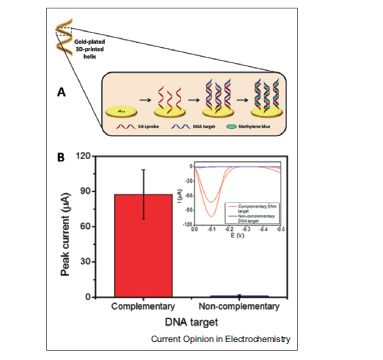
Three-dimensionally printed electrochemical systems for biomedical analytical applications

Additive manufacturing (3D-printing) has revolutionized many areas of the manufacturing. Three-dimensional printing offers enormous potential to biomedical devices, including electroanalytical systems. The motivation for 3D printing is rapid prototyping and decentralized customizable fabrication of bioanalytical systems in the diverse and remote areas of the globe. We overview the recent trends and discuss the fabrication and …
Three-dimensionally printed electrochemical systems for biomedical analytical applications Read More »

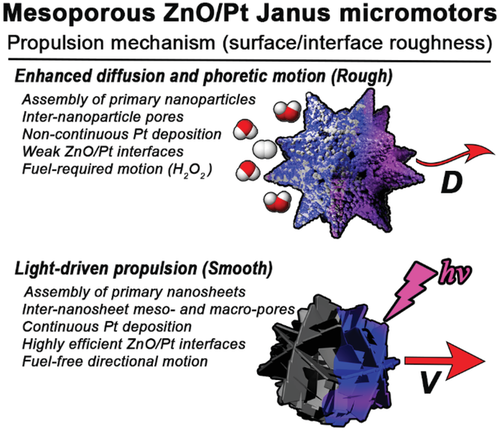
Catalytic and Light-Driven ZnO/Pt Janus Nano/Micromotors:Switching of Motion Mechanism via Interface Roughness and Defect Tailoring at the Nanoscale

The first models of mesoporous ZnO/Pt Janus micromotors that show fuel‐free and light‐powered propulsion depending on the interface roughness are shown. Two models of ZnO semiconducting particles with distinct surface morphologies and pore structures are synthesized by self‐aggregation of primary nanoparticles and nanosheets into nanoscale rough and smooth microparticles, respectively. The self‐assembled nanosheet model (smooth) …

Catalytic and Light-Driven ZnO/Pt Janus Nano/Micromotors:Switching of Motion Mechanism via Interface Roughness and Defect Tailoring at the Nanoscale Read More »

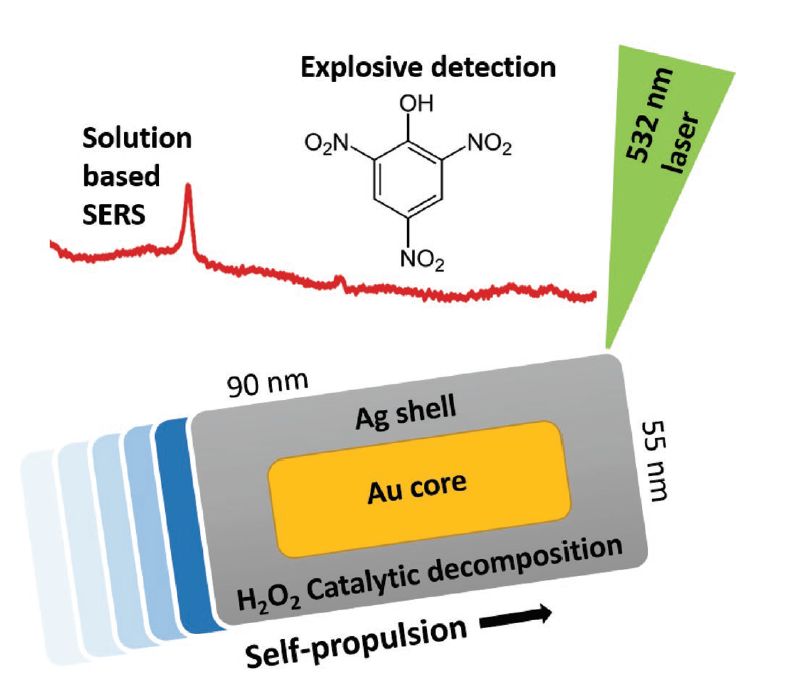
Plasmonic Self-Propelled Nanomotors for Explosives Detection via Solution- Based Surface Enhanced Raman Scattering

Nanomotors represent a class of artificial machines that span the chasm between molecular motors and bigger micromotors. Their importance lies in the fact that to effectively navigate and perform tasks in a biological environment without alerting the action of the immune system, the maximal size of the object has to be well below 200 nm. …

Plasmonic Self-Propelled Nanomotors for Explosives Detection via Solution- Based Surface Enhanced Raman Scattering Read More »

Interaction of single- and double-stranded DNA with multilayer MXene by fluorescence spectroscopy and molecular dynamics simulations

The integration of nucleic acids with nanomaterials has attracted great attention from various research communities in search of new nanoscale tools for a range of applications, from electronics to biomedical uses. MXenes are a new class of multielement 2D materials baring exciting properties mostly directed to energy-related fields. These advanced materials are now beginning to …

Interaction of single- and double-stranded DNA with multilayer MXene by fluorescence spectroscopy and molecular dynamics simulations Read More »

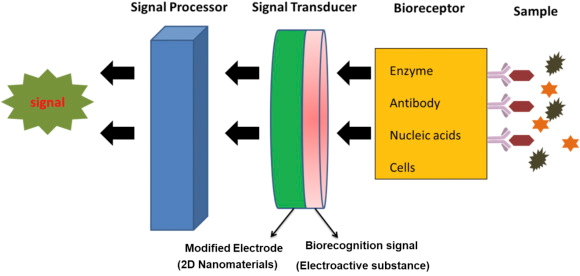
Emerging mono-elemental 2D nanomaterials for electrochemical sensing applications: From borophene to bismuthene

Two-dimensional (2D) layered materials have attracted immense attention attributed to their desirable and promising applications in sensing and biosensing devices. Graphene has long been established as an excellent mono-elemental layered material with desirable properties and potential applications in sensing and biosensing devices. Moving beyond graphene, other mono-elemental nanomaterials have re-emerged to provide alternative options for …

Emerging mono-elemental 2D nanomaterials for electrochemical sensing applications: From borophene to bismuthene Read More »

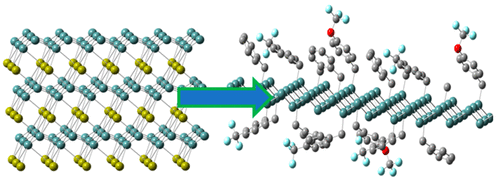
Exfoliation of Calcium Germanide by Alkyl Halides

Two-dimensional materials are at the forefront of material research in the past decade. Besides graphene, there exist large groups of its heavier analogues, silicon- and germanium-based two-dimensional materials, which are much less explored. Methods of synthesis of germanene derivatives are based on chemical exfoliation of Zintl phase precursors. Here we report a novel effective and flexible method for synthesis of alkylated derivatives of germanene by phase transfer assisted exfoliation of calcium germanide. We demonstrate the universality of the reported method and its broad application in synthesis of various germanene derivatives. The developed method allows precise control over the chemical composition and optical properties of germanene derivatives.

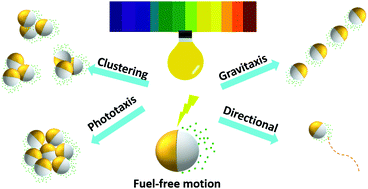
Fuel-free light-driven micro/nanomachines: artificial active matter mimicking nature

The recent advances in the micro/nanomotor field have shown great progress in the propulsion of such devices by fuel-free mechanisms. Light, as an abundant and natural source, has been demonstrated to be a promising external field to wirelessly induce the motion of these tiny micro/nanomachines, without the need of any toxic fuel or complex system …

Fuel-free light-driven micro/nanomachines: artificial active matter mimicking nature Read More »

Self‐Propelled 3D‐Printed “Aircraft Carrier” of Light‐Powered Smart Micromachines for Large‐Volume Nitroaromatic Explosives Removal

Self‐propelled micro‐/nanomotors are in the forefront of materials research, for applications ranging from environmental remediation to biomedicine. However, due to their limited sizes, they can only navigate within small distances, typically in the order of millimeters, which inevitably hinder their use for large‐volume real applications. Here it is shown that a 3D‐printed millimeter‐scale motor (3DP‐motor) …

Self‐Propelled 3D‐Printed “Aircraft Carrier” of Light‐Powered Smart Micromachines for Large‐Volume Nitroaromatic Explosives Removal Read More »

Radioactive Uranium Preconcentration via Self-Propelled Autonomous Microrobots Based on Metal–Organic Frameworks

Self-propelled micromachines have recently attracted attention for environmental remediation, yet their use for radioactive waste management has not been addressed. Engineered micromotors that are able to combine highly adsorptive capabilities together with fast autonomous motion in liquid media are promising tools for the removal of nuclear waste, which is one of the most difficult types …

Radioactive Uranium Preconcentration via Self-Propelled Autonomous Microrobots Based on Metal–Organic Frameworks Read More »

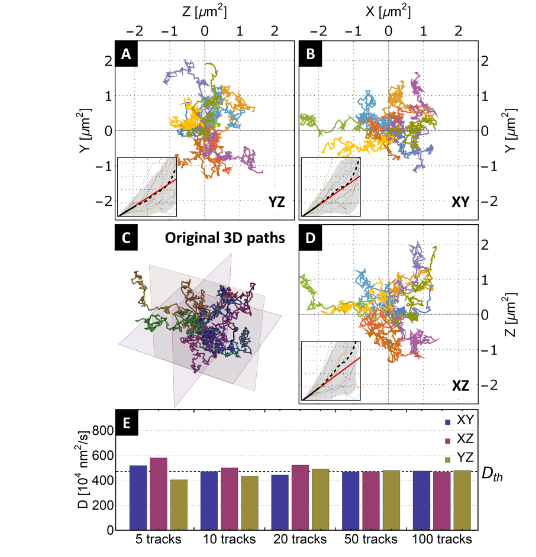
Nanomotor tracking experiments at the edge of reproducibility

The emerging field of self-propelling micro/nanorobots is teeming with a wide variety of novel micro/nanostructures, which are tested here for self-propulsion in a liquid environment. As the size of these microscopic movers diminishes into the fully nanosized region, the ballistic paths of an active micromotor become a random walk of colloidal particles. To test such …

Nanomotor tracking experiments at the edge of reproducibility Read More »

Self-Propelled Autonomous Mg/Pt Janus Micromotor Interaction with Human Cells

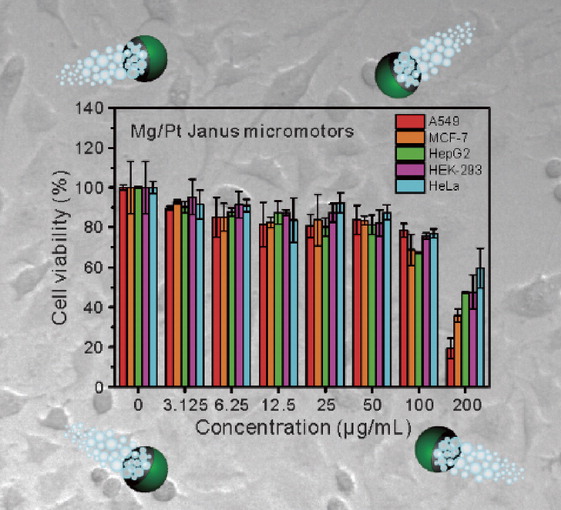
Magnesium (Mg)-based micromotors have attracted considerable attention as they are capable of moving in water and human blood plasma without external fuels. It has also been demonstrated that they have potential for drug delivery in mouse stomach. However, their biocompatibility and cytotoxicity to human cells have yet to be studied. Therefore, we performed cytotoxicity study …

Self-Propelled Autonomous Mg/Pt Janus Micromotor Interaction with Human Cells Read More »

MAX and MAB Phases: Two-Dimensional Layered Carbide and Boride Nanomaterials for Electrochemical Applications

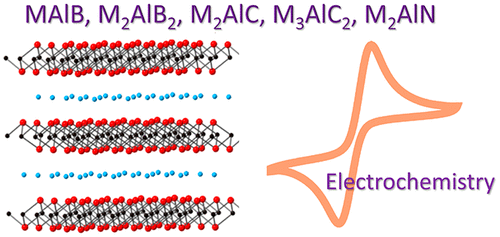
Electrochemical and electrocatalytic properties of a class of layered materials known as MAX and MAB phases have yet to gain interest in the scientific community. Herein, electrochemical and toxicity studies of six MAX and MAB phases (Ti2AlC, Ti2AlN, Ti3AlC2, Ti3SiC2, Cr2AlB2, and MoAlB) were explored. The materials were found to possess high heterogeneous electron transfer …

MAX and MAB Phases: Two-Dimensional Layered Carbide and Boride Nanomaterials for Electrochemical Applications Read More »

2H and 2H/1T-Transition Metal Dichalcogenide Films Prepared via Powderless Gas Deposition for the Hydrogen Evolution Reaction

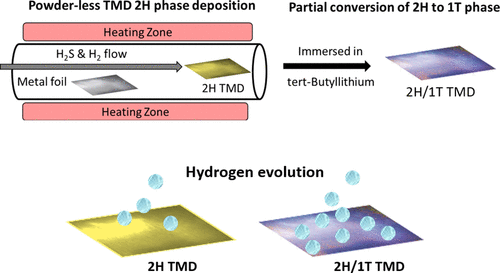
The cathodic process in electrochemical water electrolyzers, the hydrogen evolution reaction (HER), is an extremely important reaction as it produces clean H2 gas that can be utilized in a fuel cell to create electricity as an energy source for the increasing energy consumption of today’s World. Transition metal dichalcogenide (TMD) materials have emerged as a competitor …

2H and 2H/1T-Transition Metal Dichalcogenide Films Prepared via Powderless Gas Deposition for the Hydrogen Evolution Reaction Read More »

Antimony Chalcogenide van der Waals Nanostructures for Energy Conversion and Storage

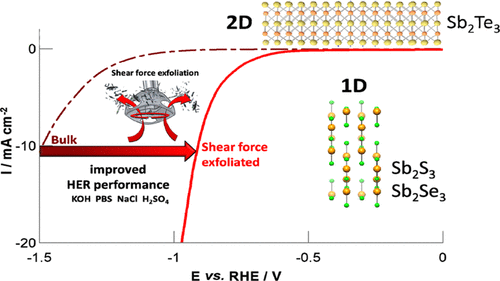
Among van der Waals nanomaterials, topological insulators such as antimony chalcogenides (Sb2X3, X = S, Se, Te) have interesting thermoelectric and optical properties. Expressly, Sb2S3 is regarded as a favorable anode material for batteries owing to its predicted specific capacity. Both Sb2S3 and Sb2Se3 have an isomorphous tubular one-dimensional (1D) crystal structure, whereas Sb2Te3 has …

Antimony Chalcogenide van der Waals Nanostructures for Energy Conversion and Storage Read More »

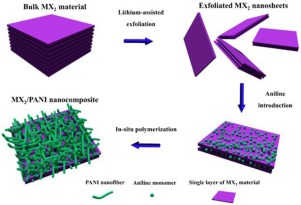
Exfoliated transition metal dichalcogenide (MX2; M = Mo, W; X = S, Se, Te) nanosheets and their composites with polyaniline nanofibers for electrochemical capacitors

Ultrathin sheets of transition metal dichalcogenides have received a great deal of interest in an attempt to develop advanced electrode nanomaterials for electrochemical capacitors, with most of the attention focused on pure transition metal dichalcogenides. We systematically investigated and compared the charge storage capability of tert-butyllithium-exfoliated group 6 transition metal dichalcogenide materials (MX2; M = …

Exfoliated transition metal dichalcogenide (MX2; M = Mo, W; X = S, Se, Te) nanosheets and their composites with polyaniline nanofibers for electrochemical capacitors Read More »

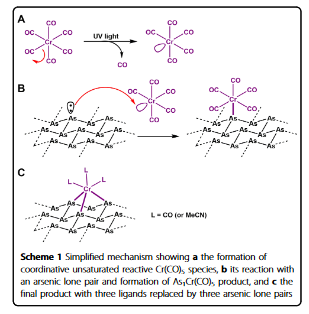
Coordination chemistry of 2D and layered gray arsenic:photochemical functionalization with chromium hexacarbonyl

The functionalization of layered materials is one of the current challenges in material science. Exfoliated rhombohedral (gray) arsenic represents a promising layered material for the fabrication of electronic devices and sensors; however, synthetic protocols for tuning its properties or protecting the surface by covalent functionalization are not known. In this communication, we present its covalent …

Coordination chemistry of 2D and layered gray arsenic:photochemical functionalization with chromium hexacarbonyl Read More »

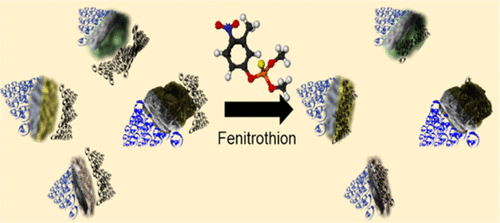
Cloisite Microrobots as Self-Propelling Cleaners for Fast and Efficient Removal of Improvised Organophosphate Nerve Agents

Naturally available microclays are well-known materials with great adsorption capabilities that are available in nature in megatons quantities. On the contrary, artificial nanostructures are often available at high cost via precision manufacturing. Such precision nanomanufacturing is also typically used for fabrication of self-propelled micromotors and nanomachines. Herein, we utilized naturally available Cloisite microclays to fabricate …

Cloisite Microrobots as Self-Propelling Cleaners for Fast and Efficient Removal of Improvised Organophosphate Nerve Agents Read More »

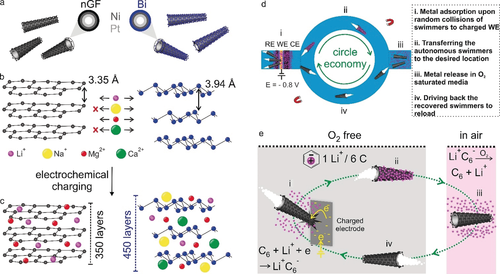
Supercapacitors in Motion:Autonomous Microswimmers for Natural-Resource Recovery

An electroadsorption technique similar to the ultrafast charging mechanism in supercapacitors is utilized to remove metals with different sizes and hydrophilicities from contaminated water using self‐propelled microswimmers. The swimmers carry graphite fibre or bismuth with a layered crystal structure providing high electrostatic double‐layer capacitances. Unlike previous methods, this electrochemical technique does not only utilize the …

Supercapacitors in Motion:Autonomous Microswimmers for Natural-Resource Recovery Read More »

Impurities in graphene/PLA 3D-printing filaments dramatically influence the electrochemical properties of the devices

Herein, for the first time, we report on the presence of metal impurities in a widely reported and commercially available graphene/polylactic acid (PLA) 3D-printing filament and discuss the influence of these impurities on the electrochemical properties of as-printed and modified electrodes with said filament. Our findings show that the graphene component of this commercial filament …

Impurities in graphene/PLA 3D-printing filaments dramatically influence the electrochemical properties of the devices Read More »

Micromotors as “Motherships”:A Concept for the Transport, Delivery, and Enzymatic Release of Molecular Cargo via Nanoparticles

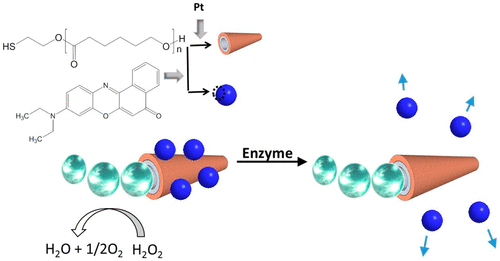
Nano/micromotors based on biodegradable and biocompatible polymers represent a progressively developing group of self-propelled artificial devices capable of delivering biologically active compounds to target sites. The majority of these machines are micron sized, and biologically active compounds are simply attached to their surface. Micron-sized devices cannot enter cells, but they provide rapid velocity, which scales …

Micromotors as “Motherships”:A Concept for the Transport, Delivery, and Enzymatic Release of Molecular Cargo via Nanoparticles Read More »

Atomic Layer Deposition as a General Method Turns any 3D‐Printed Electrode into a Desired Catalyst: Case Study in Photoelectrochemisty

3D‐printing technologies have begun to revolutionize many manufacturing processes, however, there are still significant limitations that are yet to be overcome. In particular, the material from which the products are fabricated is limited by the 3D‐printing material precursor. Particularly, for photoelectrochemical (PEC) energy applications, the as‐printed electrodes can be used as is, or modified by …

Atomic Layer Deposition as a General Method Turns any 3D‐Printed Electrode into a Desired Catalyst: Case Study in Photoelectrochemisty Read More »

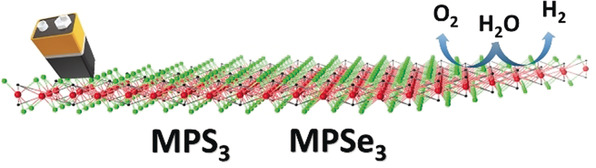
Metal Phosphorous Trichalcogenides (MPCh(3)): From Synthesis to Contemporary Energy Challenges

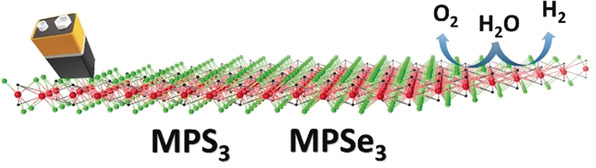
Owing to their unique physical and chemical properties, layered two-dimensional (2D) materials have been established as the most significant topic in materials science for the current decade. This includes layers comprising mono-element (graphene, phosphorene), di-element (metal dichalcogenides), and even multi-element. A distinctive class of 2D layered materials is the metal phosphorous trichalcogenides (MPCh(3), Ch=S, Se), …

Metal Phosphorous Trichalcogenides (MPCh(3)): From Synthesis to Contemporary Energy Challenges Read More »

Proteinase- sculptured 3D-printed graphene/polylactic acid electrodes as potential biosensing platforms: towards enzymatic modeling of 3D-printed structures dagger

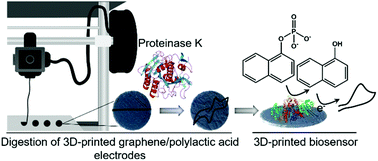
3D printing technologies are currently appealing for the research community due to their demonstrated versatility for different scientific applications. One of the most commonly used materials for 3D printing is polylactic acid (PLA), a biodegradable polymer that can be fully or partially digested by enzymes such as proteinase K. This work seeks to exploit PLA’s …

Proteinase- sculptured 3D-printed graphene/polylactic acid electrodes as potential biosensing platforms: towards enzymatic modeling of 3D-printed structures dagger Read More »

Bipolar Electrochemistry as a Simple Synthetic Route toward Nanoscale Transition of Mo2B5 and W2 B5 for Enhanced Hydrogen Evolution Reaction

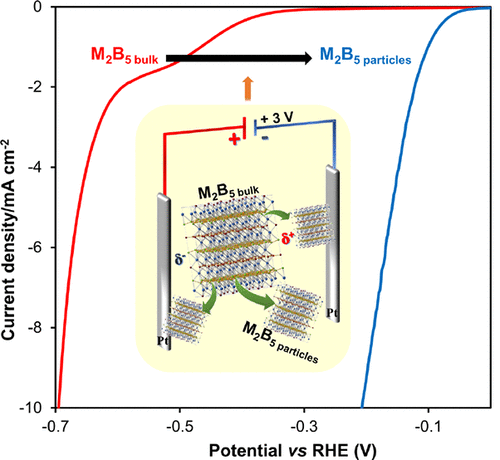
The development of non-noble metal and earth-abundant-basedelectrocatalysts for electrochemical hydrogen production is of great significance forlarge scale application of water splitting technology. Particularly, molybdenum- andtungsten-based materials, such as MoS2,WS2, MoP, and WP, are widely studied fortheir promising performance in catalyzing the hydrogen evolution reaction (HER),especially in their nanostructured forms. Here, we investigate the HER activity …

Bipolar Electrochemistry as a Simple Synthetic Route toward Nanoscale Transition of Mo2B5 and W2 B5 for Enhanced Hydrogen Evolution Reaction Read More »

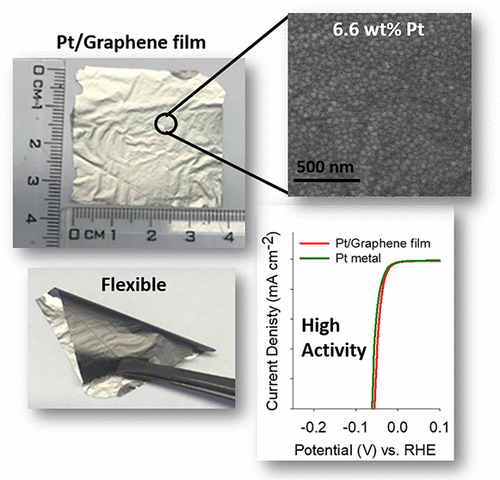
Flexible Pt/Graphene Foil Containing only 6.6 wt % of Pt has a Comparable Hydrogen Evolution Reaction Performance to Platinum Metal

A significant amount of research is currently being undertaken to decrease the overall cost which governs the running of electrolyzer technologies. If the cost associated with electrolyzers was significantly reduced, it would pave a path to the efficient and economical generation of clean molecular hydrogen that could be used as a feedstock to create energy. …

Flexible Pt/Graphene Foil Containing only 6.6 wt % of Pt has a Comparable Hydrogen Evolution Reaction Performance to Platinum Metal Read More »

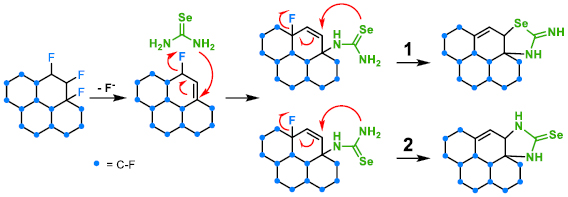
Selenium covalently modified graphene: towards gas sensing

The research in the area of graphene derivatives containing chalcogen elements is currently an exclusive domain of oxygen- and sulfur-containing functional groups. Here we report an effective introduction of selenium-based organic functional groups and propose a mechanism of their attachment to graphene and graphene-related materials. Fluorographene can be effectively functionalized by selenium-containing group, forming C-Se …

Selenium covalently modified graphene: towards gas sensing Read More »

Catalytic hydrogen evolution reaction on “metal-free” graphene: key role of metallic impurities

Molecular hydrogen is widely considered as a potential carbon-free and renewable energy carrier for a sustainable energy strategy. The electrocatalytic hydrogen evolution reaction is a major pathway to obtain ultra-pure hydrogen, and it vastly relies on the development of inexpensive electrocatalysts. In recent years, graphene has been proposed as a “metal-free” catalyst for the hydrogen …

Catalytic hydrogen evolution reaction on “metal-free” graphene: key role of metallic impurities Read More »

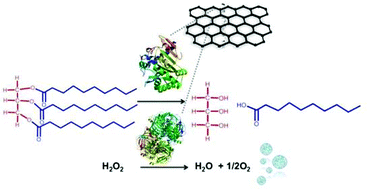
Thiographene synthesized from fluorographene via xanthogenate with immobilized enzymes for environmental remediation

Graphene, graphene oxide and their related thiographene-, hydroxygraphene- or fluorographene-based materials have broad applications. We report on the thiol-functionalization of fluorographene via xanthogenate. Such thiographene contains 5.1 at% of sulphur in the form of thiol groups, which is the highest thiol content reported to date. Such tailored thiographene allows the immobilization of two types of …

Thiographene synthesized from fluorographene via xanthogenate with immobilized enzymes for environmental remediation Read More »

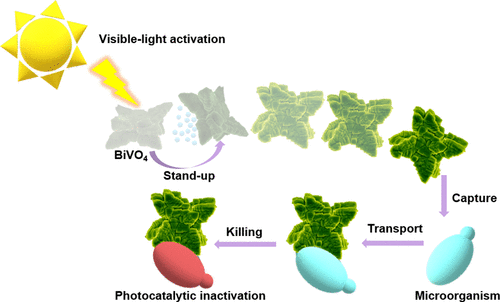
Visible-Light-Driven Single-Component BiVO4 Micromotors with the Autonomous Ability for Capturing Microorganisms

Light-driven micro/nanomotors represent the next generation of automotive devices that can be easily actuated and controlled by using an external light source. As the field evolves, there is a need for developing more sophisticated micromachines that can fulfill diverse tasks in complex environments. Herein, we introduce single-component BiVO4 micromotors with well-defined micro/nanostructures that can swim …

Visible-Light-Driven Single-Component BiVO4 Micromotors with the Autonomous Ability for Capturing Microorganisms Read More »

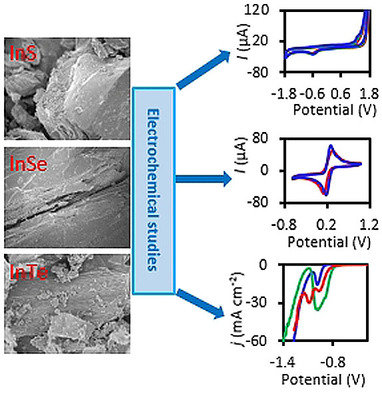
Electrochemistry of Layered Semiconducting A(III)B(VI) Chalcogenides: Indium Monochalcogenides (InS, InSe, InTe)

Layered A(III)B(VI) chalcogenides represent an interesting class semiconductors, where most of adopting 2D structures. Unlike the typical sandwiched structure of transition metal dichalcogenides (TMDs), layered A(III)B(VI) chalcogenides like InSe and GaSe are composed of X-M-M-X motif where M is gallium/indium and X is sulfur/selenium/tellurium. The exception is InS, which adopt an orthorhombic 3D structure. Herein, …

Electrochemistry of Layered Semiconducting A(III)B(VI) Chalcogenides: Indium Monochalcogenides (InS, InSe, InTe) Read More »

Chemistry of Layered Pnictogens: Phosphorus, Arsenic, Antimony, and Bismuth

Materials with few layers have been subjected to extensive research for the last few decades owing to their remarkable properties as for example catalysts, optical and electrical devices, or sensors. The properties and electronic structure of these materials can be tailored by the introduction of substituents. In the case of more reactive species, the modification …

Chemistry of Layered Pnictogens: Phosphorus, Arsenic, Antimony, and Bismuth Read More »

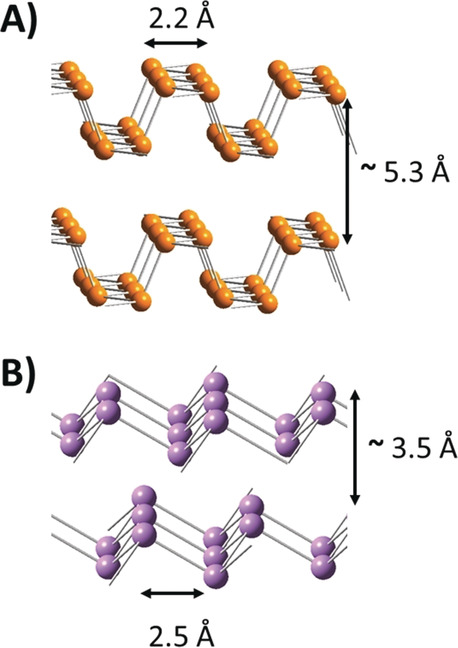
Edge vs. basal plane electrochemistry of layered pnictogens (As, Sb, Bi): Does edge always offer faster electron transfer?

Materials with layered structure are at the forefront of material research. Graphite, MoS2 and black phosphorus, as layered materials, exhibit, in general, fast heterogeneous transfer at the edge planes and slow at the basal plane for many electroactive molecules. There is a fundamental question whether this is general behaviour of layered materials. Here, we examined fundamental …

Edge vs. basal plane electrochemistry of layered pnictogens (As, Sb, Bi): Does edge always offer faster electron transfer? Read More »

Fluorine saturation on thermally reduced graphene

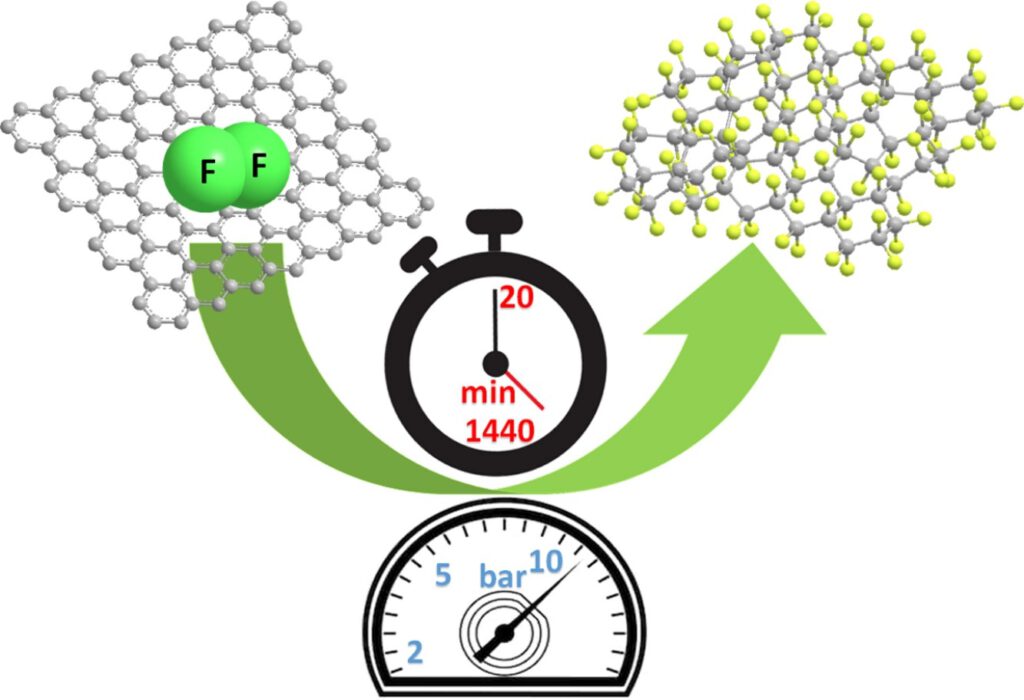
Fluorographene is a wide band-gap insulator with high photoluminescence and hydrophobicity. In the past, fluorographene was considered to be chemically inert similarly to Teflon. However, it has been recently reported that fluorographene can undergo several chemical modifications such as nucleophilic or radical substitutions. Fluorinated graphene is typically prepared by top-down synthesis based on sonochemical exfoliation …

Fluorine saturation on thermally reduced graphene Read More »

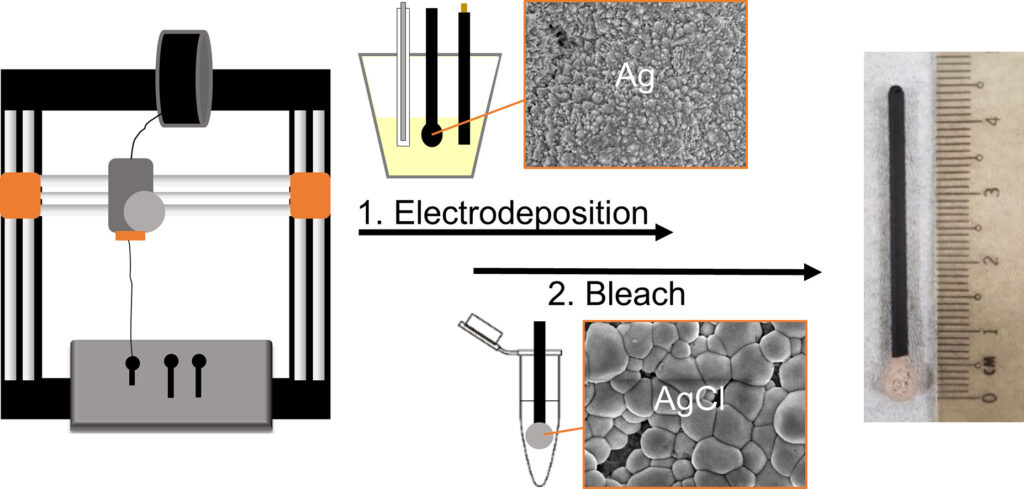
3D-printed Ag/AgCl pseudo-reference electrodes

Three-dimensional (3D) printing offers the advantages of customisation, reproducibility and rapid production. In parallel, there is a demand for electrochemical components designed for miniaturisation or customisation of devices. Herein we report a straightforward, fast and simple method to prepare an Ag/AgCl pseudo-reference electrode primarily based on 3D printing using a graphene/polylactic acid filament. The fabrication …

3D-printed Ag/AgCl pseudo-reference electrodes Read More »

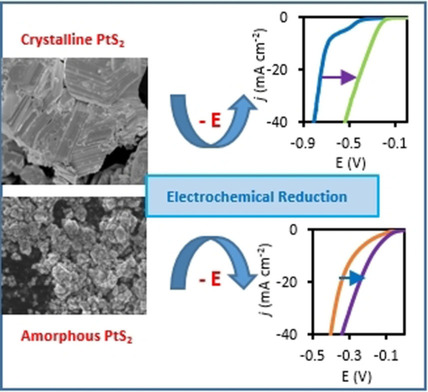
Layered Crystalline and Amorphous Platinum Disulfide (PtS2): Contrasting Electrochemistry

Group 6 transition metal dichalcogenides (TMDs), such as MoS2 and WS2 have been extensively studied for various applications while few studies have delved into other TMDs such as platinum dichalcogenides. In this work, layered crystalline and amorphous platinum disulfide (PtS2) were synthesized, characterised and their fundamental electrochemical properties were investigated. Both materials exhibited inherent oxidation …

Layered Crystalline and Amorphous Platinum Disulfide (PtS2): Contrasting Electrochemistry Read More »

MoS2 versatile spray-coating of 3D electrodes for the hydrogen evolution reaction

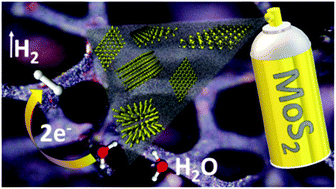
A facile one-step MoS2 spray-coating method was applied to a range of rigid, flexible, porous and 3D printed carbon-based surfaces, yielding high loadings in MoS2 flakes. The characterization of MoS2 flakes from a commercial lubricant spray reveals up to micron-scale bulk sheets of the layered material, constituted in its majority by the semiconducting 2H polymorph, …

MoS2 versatile spray-coating of 3D electrodes for the hydrogen evolution reaction Read More »

Recyclable nanographene-based micromachines for the on-the-fly capture of nitroaromatic explosives

It has been more than a decade since nano/micromachines (NMMs) have received the particular attention of scientists in different research fields. They are able to convert chemical energy into mechanical motion in their surrounding environment. Herein, a powerful, efficient and fast strategy of using nanosized reduced graphene oxide flake (n-rGO)-based self-propelled tubular micromachines for the …

Recyclable nanographene-based micromachines for the on-the-fly capture of nitroaromatic explosives Read More »

The capacitance and electron transfer of 3D-printed graphene electrodes are dramatically influenced by the type of solvent used for pre-treatment

3D-printing (or additive manufacturing) is presently an emerging technology that promises to reshape traditional manufacturing processes. The electrochemistry field can certainly take advantage of this fabrication tool for sensing and energy-related applications. Polymer/graphene filaments commonly used for the fabrication of 3D-printed electrodes show poor electrochemistry in the native state, requiring post-fabrication activation procedures. In the …

The capacitance and electron transfer of 3D-printed graphene electrodes are dramatically influenced by the type of solvent used for pre-treatment Read More »

Micromotor-Assisted Human Serum Glucose Biosensing

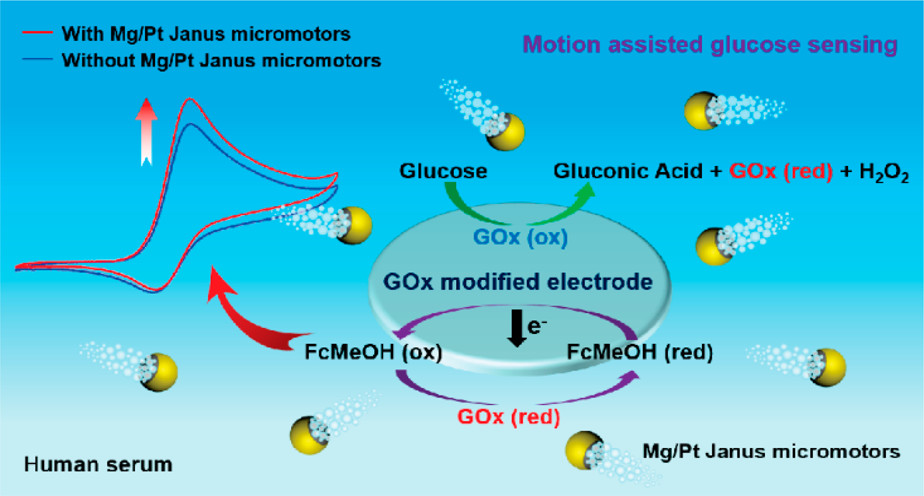
Artificial self-propelled micromachines have shown great promise in biomedical sciences. In this work, we use Mg/Pt Janus micromotors with self-rejuvenating surfaces to enhance the electrochemical sensing performance and sensitivity toward glucose in human serum. The detection of glucose is based on the glucose oxidase enzyme and ferrocenemethanol shuttle system, where mass transfer was dramatically enhanced …

Micromotor-Assisted Human Serum Glucose Biosensing Read More »

Micro/nanomachines: what is needed for them to become a real force in cancer therapy?

Conventional drug delivery systems face several issues in medical applications, such as cyto/genotoxicity and off-targeting. These issues are particularly significant for cancer therapeutics because many of the currently used systems are toxic in their free form. Self-propelled autonomous micro/nanomachines offer promising alternative drug delivery systems based on high cargo loading, fast autonomous movement, precise targeting …

Micro/nanomachines: what is needed for them to become a real force in cancer therapy? Read More »

Metal-Organic Frameworks Based Nano/Micro/Millimeter-Sized Self-Propelled Autonomous Machines

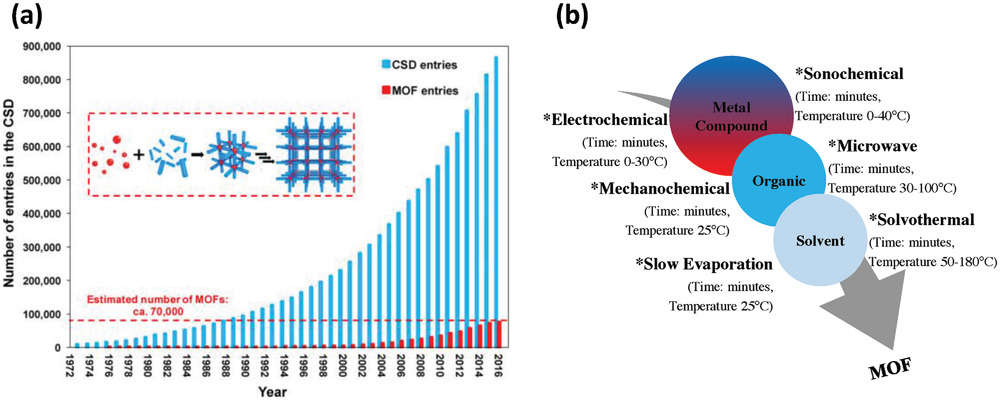
Synthetic nano/micro/millimeter-sized machines that harvest energy from the surrounding environment and then convert it to motion have had a significant impact on many research areas such as biology (sensing, imaging, and therapy) and environmental applications. Autonomous motion is a key element of these devices. A high surface area is preferable as it leads to increased …

Metal-Organic Frameworks Based Nano/Micro/Millimeter-Sized Self-Propelled Autonomous Machines Read More »

Recoverable Bismuth-Based Microrobots: Capture, Transport, and On-Demand Release of Heavy Metals and an Anticancer Drug in Confined Spaces

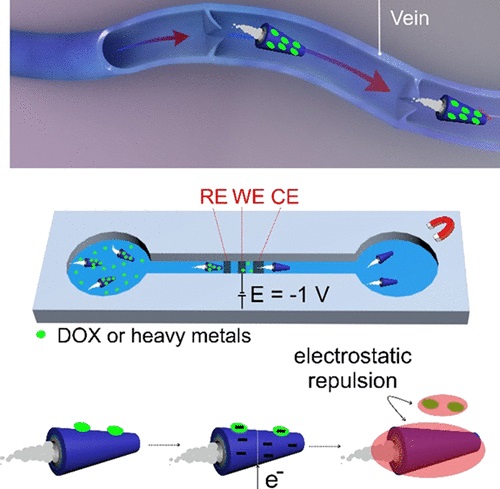
Self-propelled microrobots are seen as the next step of micro- and nanotechnology. The biomedical and environmental applications of these robots in the real world need their motion in the confined environments, such as in veins or spaces between the grains of soil. Here, self-propelled trilayer microrobots have been prepared using electrodeposition techniques, coupling unique properties …

Recoverable Bismuth-Based Microrobots: Capture, Transport, and On-Demand Release of Heavy Metals and an Anticancer Drug in Confined Spaces Read More »

A Metal-Doped Fungi-Based Biomaterial for Advanced Electrocatalysis

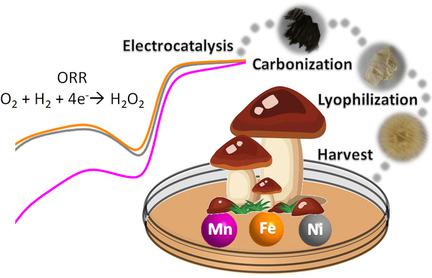
Nature and its highly sophisticated biomaterials are an endless source of inspiration for engineers and scientists across a wide range of disciplines. During the last decade, concepts of bioinspired synthesis of hierarchically structured nano- and micromaterials have been attracting increasing attention. In this article, we have utilized the natural ability of fungi to absorb metal …

A Metal-Doped Fungi-Based Biomaterial for Advanced Electrocatalysis Read More »

Smart Microdevices Laying “Breadcrumbs”to Find the Way Home: Chemotactic Homing TiO2/Pt Janus Microrobots

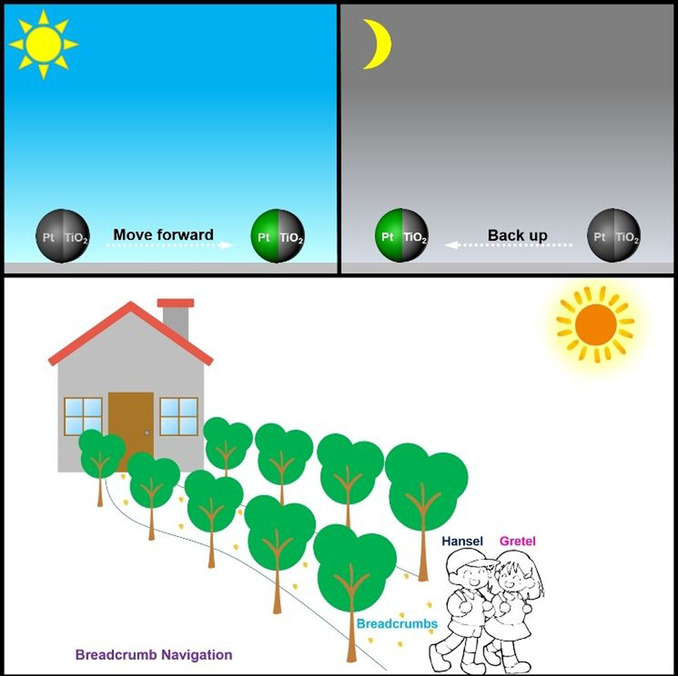
Synthetic microrobots or micromotors are known to show “intelligent” behavior such as magnetotaxis, phototaxis, chemotaxis, active detection, and chemical communication. Herein, we present the concept of micromotors laying “breadcrumbs”; that is, these micromachines can move/return to a home position without external guidance after their external energy input is stopped. As a demonstration, TiO2/Pt Janus micromotors …

Smart Microdevices Laying “Breadcrumbs”to Find the Way Home: Chemotactic Homing TiO2/Pt Janus Microrobots Read More »

Two-Dimensional Materials on the Rocks: Positive and Negative Role of Dopants and Impurities in Electrochemistry

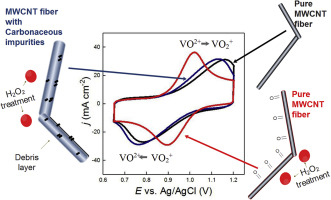
Two-dimensional (2D) materials, such as graphene and transition-metal chalcogenides, were shown in many works as very potent catalysts for industrially important electrochemical reactions, such as oxygen reduction, hydrogen and oxygen evolution, and carbon dioxide reduction. We critically discuss here the development in the field, showing that not only dopants but also impurities can have dramatic …

Two-Dimensional Materials on the Rocks: Positive and Negative Role of Dopants and Impurities in Electrochemistry Read More »

Graphene Oxide Nanoplatelets Potentiate Anticancer Effect of Cisplatin in Human Lung Cancer Cells

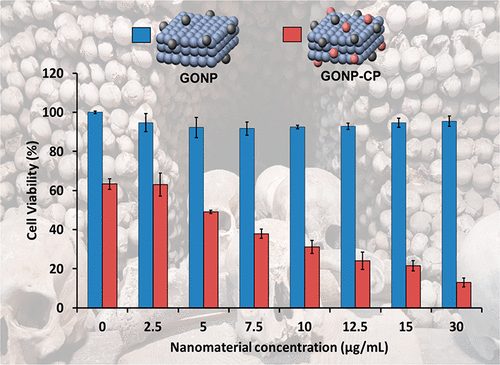
Graphene oxide (GO) has been widely explored by many in drug delivery strategies and toxicity assays. The toxicity of graphene oxide depends on the size of the sheets. Smaller sheets show lower toxicity, a quality which is essential for utilization in biomedical applications. However, despite vast research on GO, anticancer properties and drug carrier capabilities …

Graphene Oxide Nanoplatelets Potentiate Anticancer Effect of Cisplatin in Human Lung Cancer Cells Read More »

Chemotactic Micro- and Nanodevices

Preparation of autonomous chemotactic micro- and nanomachines represents one of the most difficult challenges of modern materials science. To construct a device mimicking the behavior of many microorganisms, which evolved their chemotactic abilities during the millennia of evolution, places extreme demands on the imagination and abilities of researchers. However, with the chemotactic devices in hand, …

Chemotactic Micro- and Nanodevices Read More »

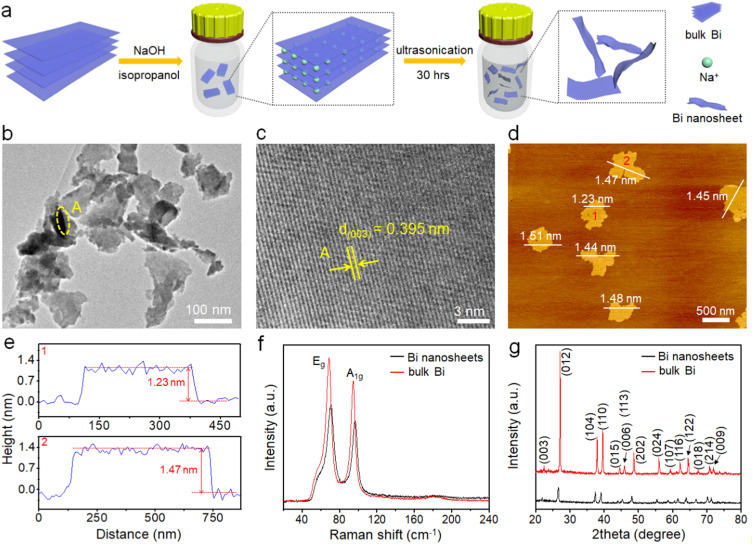
Cytotoxicity of Shear Exfoliated Pnictogen (As, Sb, Bi) Nanosheets

The experimental achievement of phosphorene, which exhibits superior electronic, physical, and optical properties has spurred recent interest in other Group 15 elemental 2D nanomaterials such as arsenene, antimonene, and bismuthene. These unique and superior properties of the pnictogen nanosheets have spurred intensive research efforts and led to the discovery of their diversified potential applications; for …

Cytotoxicity of Shear Exfoliated Pnictogen (As, Sb, Bi) Nanosheets Read More »

Atomically Thin 2D-Arsenene by Liquid-Phased Exfoliation: Toward Selective Vapor Sensing

Phosphorene and antimonene, single- or few-layered (FL) semiconductor materials, have recently attracted enormous attention due to their unique properties, provided by their extreme thinness. Here, a liquid-phase exfoliation (LPE) procedure to prepare FL arsenene, another member of pnictogens, assisted by sonication and without any additional surfactant is reported. The exfoliation process is performed in various …

Atomically Thin 2D-Arsenene by Liquid-Phased Exfoliation: Toward Selective Vapor Sensing Read More »

Platinum-Halloysite Nanoclay Nanojets as Sensitive and Selective Mobile Nanosensors for Mercury Detection

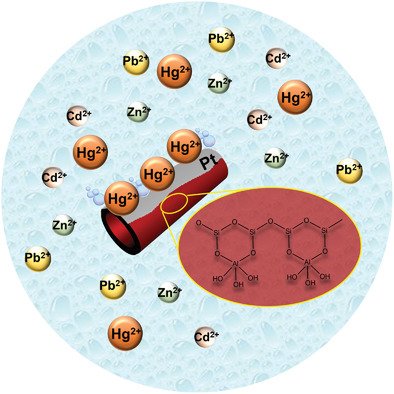
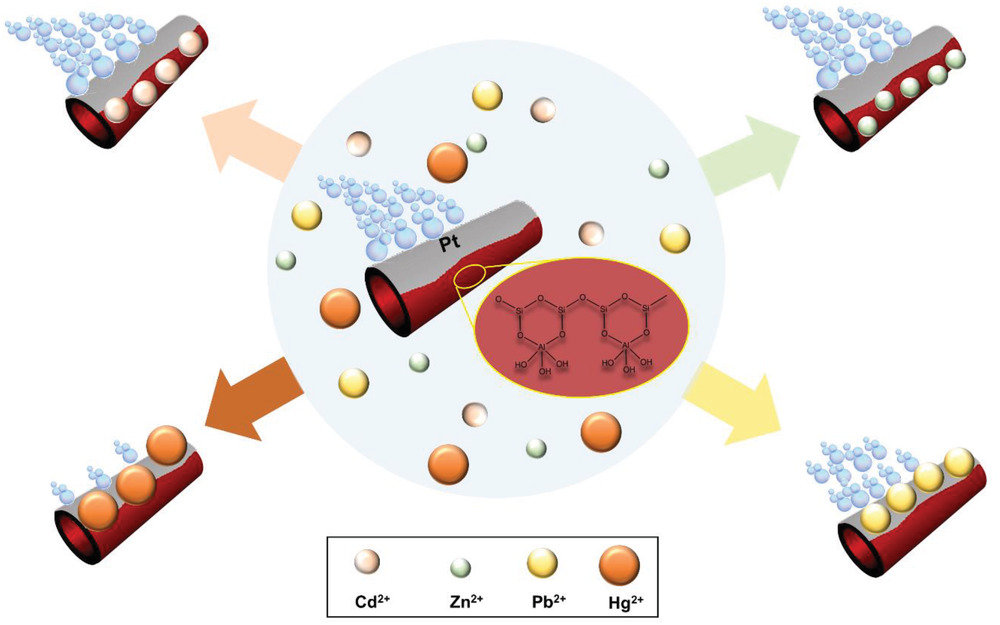
Naturally available tubular Halloysite nanoclay is modified with platinum for the fabrication of autonomous self-moving nanojets. The nanojets exhibit great performance in the removal of heavy metal ions in aqueous solutions. The heavy metal ions get readily adsorbed onto the large surface area available on the Halloysite nanoclay. The fabricated nanojets are observed to have …

Platinum-Halloysite Nanoclay Nanojets as Sensitive and Selective Mobile Nanosensors for Mercury Detection Read More »

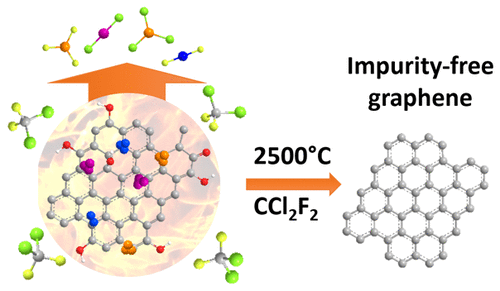
Ultrapure Graphene Is a Poor Electrocatalyst: Definitive Proof of the Key Role of Metallic Impurities in Graphene-Based Electrocatalysis

Graphene and its derivatives have been reported in many articles as “metal-free” carbon electrocatalytic materials. Its synthesis procedures are generally based on the chemical oxidation of graphite and subsequent thermal or chemical reduction. Because graphene oxide has a large surface area and typically contains a variety of oxygen functionalities, metallic ions (impurities) from reaction mixtures …

Ultrapure Graphene Is a Poor Electrocatalyst: Definitive Proof of the Key Role of Metallic Impurities in Graphene-Based Electrocatalysis Read More »

Ultrafast Electrochemical Trigger Drug Delivery Mechanism for Nanographene Micromachines

Nano/micromachines with autonomous motion are the frontier of nanotechnology and nanomaterial research. These self-propelled nano/micromachines convert chemical energy obtained from their surroundings to propulsion. They have shown great potential in diagnostic and therapeutic applications. This work introduces a high-speed tubular electrically conductive micromachine based on reduced nanographene oxide (n-rGO) as a platform for drug delivery …

Ultrafast Electrochemical Trigger Drug Delivery Mechanism for Nanographene Micromachines Read More »

Cyanographene and Graphene Acid: The Functional Group of Graphene Derivative Determines the Application in Electrochemical Sensing and Capacitors

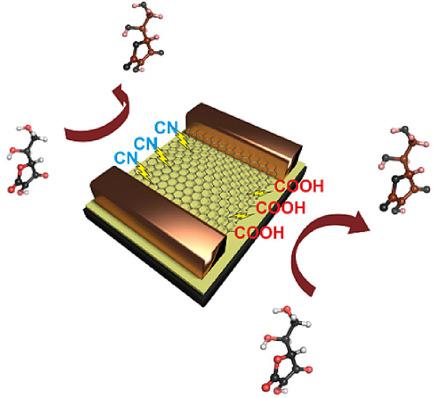
Well-defined, stoichiometric derivatives of graphene afford many opportunities in fine-tuning of graphene properties and hence, extend the application potential of this material. Here, we present the electrochemical properties of cyanographene (G-CN), and graphene acid (G-COOH) in order to understand the role of the covalently attached functional groups on the graphene sheet in electrochemical sensing for …

Cyanographene and Graphene Acid: The Functional Group of Graphene Derivative Determines the Application in Electrochemical Sensing and Capacitors Read More »

Pnictogen-Based Enzymatic Phenol Biosensors: Phosphorene, Arsenene, Antimonene, and Bismuthene

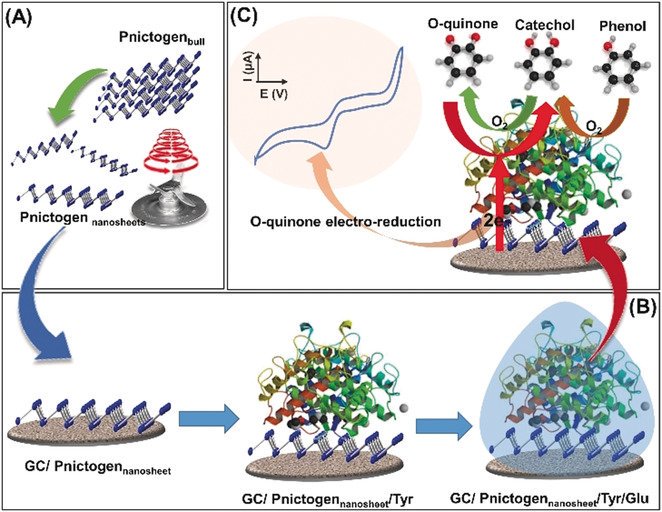
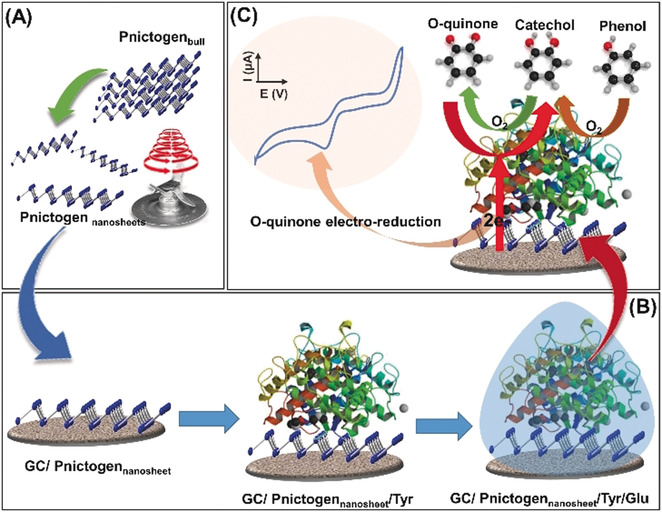
Two-dimensional materials have allowed for great advances in the biosensors field and to obtain sophisticated, smart, and miniaturized devices. In this work, we optimized a highly sensitive and selective phenol biosensor using 2D pnictogens (phosphorene, arsenene, antimonene, and bismuthene) as sensing platforms. Exfoliated pnictogen were obtained by the shear-force method, undergoing delamination and downsizing to …

Pnictogen-Based Enzymatic Phenol Biosensors: Phosphorene, Arsenene, Antimonene, and Bismuthene Read More »

Black Phosphorus Cytotoxicity Assessments Pitfalls: Advantages and Disadvantages of Metabolic and Morphological Assays

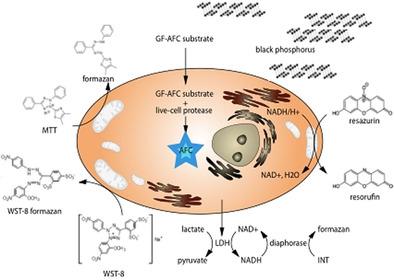
Black phosphorus (BP) belongs to a group of 2D nanomaterials and nowadays attracts constantly increasing attention. Parallel to the growing utilization of BP nanomaterial increase also the requirements for the thorough comprehension of its potential impact on human and animal health. The aim of this study was to compare and discuss five assays commonly used …

Black Phosphorus Cytotoxicity Assessments Pitfalls: Advantages and Disadvantages of Metabolic and Morphological Assays Read More »

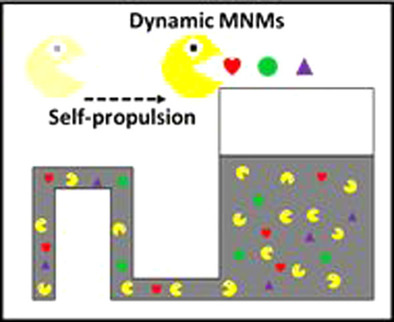
Micro/Nanomotors for Water Purification

Self-propelled micro/nanomotors are synthetic machines that can convert different sources of energy into motion; at the same time, they are able to serve innovative environmental applications, for example, water purification. The self-propelled micro and nanomachines can rapidly zoom through the solution, carrying catalytic surface or chemical to remove or degrade pollutants in a much faster …

Micro/Nanomotors for Water Purification Read More »

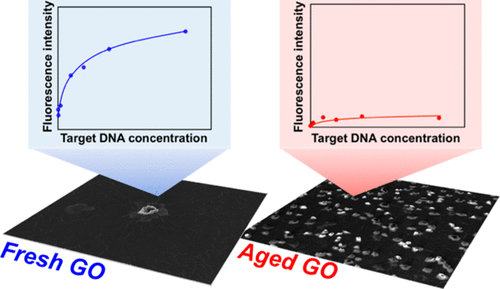
Mix-and-Read No-Wash Fluorescence DNA Sensing System Using Graphene Oxide: Analytical Performance of Fresh Versus Aged Dispersions

Simple and sensitive assays for DNA detection still represent a highly pursued research area with important implications in biomedical-related sciences. Graphene oxide (GO) is a highly efficient quenching platform for fluorophore-tagged DNA, which is why its use for fluorescent sensing has been widespread over the past decade. GO-based biosensing systems frequently rely upon the isolation …

Mix-and-Read No-Wash Fluorescence DNA Sensing System Using Graphene Oxide: Analytical Performance of Fresh Versus Aged Dispersions Read More »

Layered and two dimensional metal oxides for electrochemical energy conversion

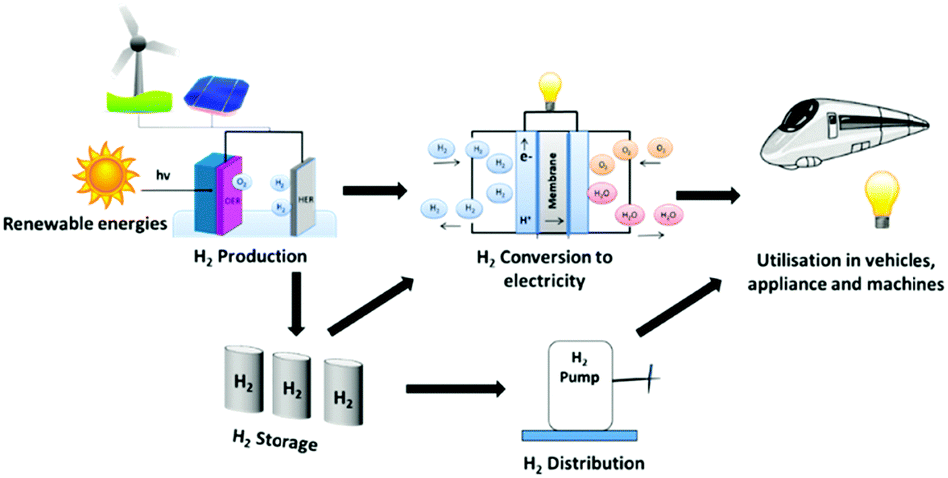
The oxygen evolution and reduction reactions are two extremely important reactions in terms of energy applications. Currently, the Oxygen Evolution Reaction (OER) hinders the efficient running of electrolyzer devices which convert water into molecular H-2. This H-2 can subsequently be used in a H-2/O-2 fuel cell for the renewable generation of electricity with only H2O …

Layered and two dimensional metal oxides for electrochemical energy conversion Read More »

Exfoliated Layered Manganese Trichalcogenide Phosphite (MnPX3, X = S, Se) as Electrocatalytic van der Waals Materials for Hydrogen Evolution

Layered metal trichalcogen phosphites, also entitled as metal phosphorus chalcogenides (MPX3), have regained abundant interest, not only due to their magnetic properties, but also due to promising performances in energy storage and conversion. Herein, two different layered manganese trichalcogen phosphites, MnPX3 (X = S, Se), are synthetized and submitted to shear force exfoliation. Structural and …
Exfoliated Layered Manganese Trichalcogenide Phosphite (MnPX3, X = S, Se) as Electrocatalytic van der Waals Materials for Hydrogen Evolution Read More »

Platinum–Halloysite Nanoclay Nanojets as Sensitive and Selective Mobile Nanosensors for Mercury Detection

Naturally available tubular Halloysite nanoclay is modified with platinum for the fabrication of autonomous self-moving nanojets. The nanojets exhibit great performance in the removal of heavy metal ions in aqueous solutions. The heavy metal ions get readily adsorbed onto the large surface area available on the Halloysite nanoclay. The fabricated nanojets are observed to have …
Platinum–Halloysite Nanoclay Nanojets as Sensitive and Selective Mobile Nanosensors for Mercury Detection Read More »

Metal Phosphorous Trichalcogenides (MPCh3): From Synthesis to Contemporary Energy Challenges

MPCh3 player: A new era for metal phosphorous trichalcogenides (MPCh3), a distinctive class of 2D layered materials, first synthesized in the late 1800s, is beginning. With an unusual intercalation behavior, MPCh3 were intensively studied in the 1970s for lithium batteries. Presently rediscovered as 2D nanomaterials for water splitting catalysis and energy storage applications.