Year: 2017

Surface properties of MoS2 probed by inverse gas chromatography and their impact on electrocatalytic properties

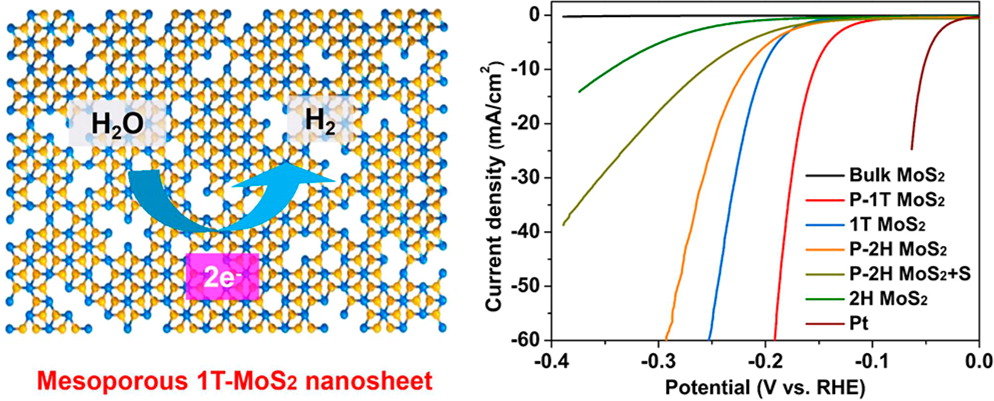
Layered transition metal dichalcogenides (TMDs) are at the forefront of materials research. One of the most important applications of these materials is their electrocatalytic activity towards hydrogen evolution, and these materials are suggested to replace scarce platinum. Whilst there are significant efforts towards this goal, there are various reports of electrocatalysis of MoS2 (which is …
Surface properties of MoS2 probed by inverse gas chromatography and their impact on electrocatalytic properties Read More »

Composition-Graded MoWSx Hybrids with Tailored Catalytic Activity by Bipolar Electrochemistry

Among transition metal dichalcogenide (TMD)-based composites, TMD/graphene-related material and bichalcogen TMD composites have been widely studied for application toward energy production via the hydrogen evolution reaction (HER). However, scarcely any literature explored the possibility of bimetallic TMD hybrids as HER electrocatalysts. The use of harmful chemicals and harsh preparation conditions in conventional syntheses also detracts …

Composition-Graded MoWSx Hybrids with Tailored Catalytic Activity by Bipolar Electrochemistry Read More »

The Role of the Metal Element in Layered Metal Phosphorus Triselenides upon Their Electrochemical Sensing and Energy Applications

The number of layered materials seems to be ever-growing, from mono-to multielement, with affiliates and applications being tested continuously. Chalcogenophosphites, also designated as metal phosphorus chalcogenides (MPX), have attracted great interest because of not only their magnetic properties but also promising capabilities in energy applications. Herein, bulk crystals of different layered metal triselenophosphites, with a …

The Role of the Metal Element in Layered Metal Phosphorus Triselenides upon Their Electrochemical Sensing and Energy Applications Read More »

Introduction of sulfur to graphene oxide by Friedel-Crafts reaction

Chemically modified graphene oxides have been intensively studied in the last decade. The introduction of heteroatoms is usually not well controlled and several different functionalities are formed. In this paper we introduced dithiocarboxylic acid on the graphene oxide by its reaction with carbon disulfide as a solvent and reagent and aluminum chloride as Friedel-Crafts catalyst. …

Introduction of sulfur to graphene oxide by Friedel-Crafts reaction Read More »

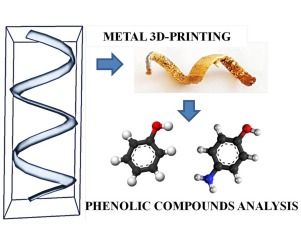
3D-printed metal electrodes for electrochemical detection of phenols

3D printed metal electrode modified by means of electroplating methodologies was tested and compared with conventional glassy carbon (GC) electrode for the individual and simultaneous electrochemical detection of phenol and p-aminophenol (p-AP) in aqueous solution via cyclic and differential pulse voltammetry. The 3D printed gold-plated electrode produced two distinct oxidation peaks for phenol and p-AP …

3D-printed metal electrodes for electrochemical detection of phenols Read More »

Microwave irradiated N- and B,Cl-doped graphene: Oxidation method has strong influence on capacitive behavior

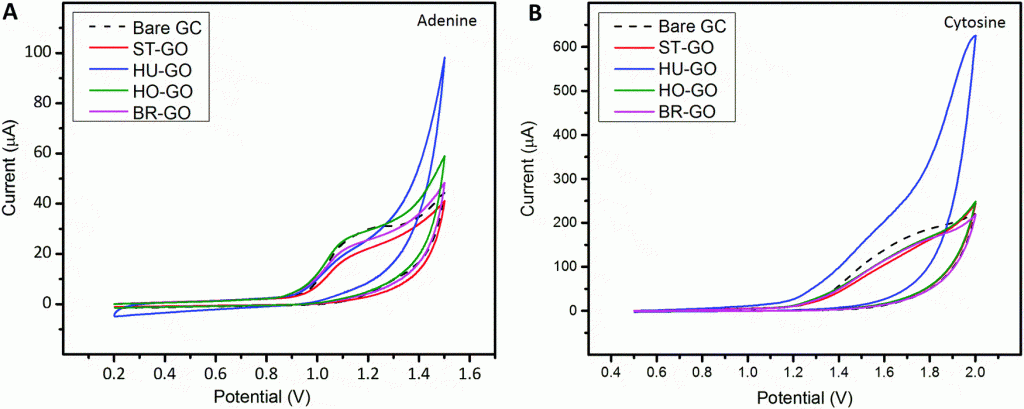
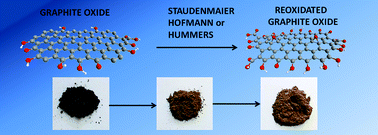
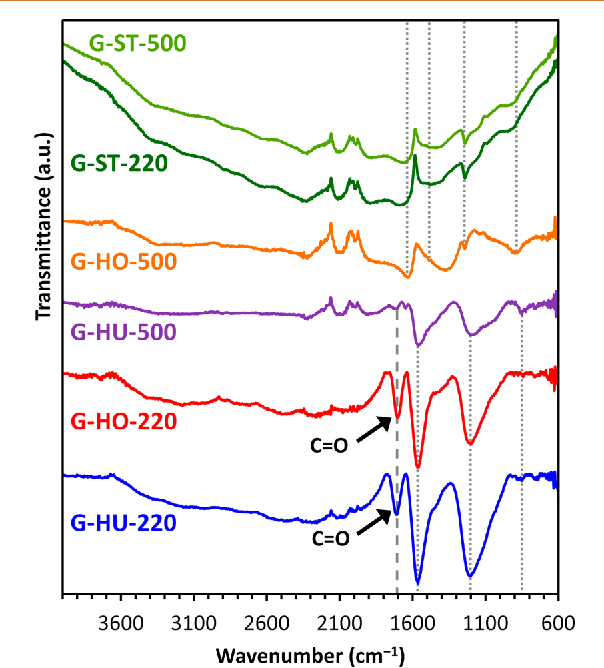
Graphene and its derivatives show promising potential in future capacitor systems due to their excellent conductivity and large surface area. Here, we study the effect of different graphite oxidation methods (i.e., Staudenmaier, Hummers, and Hoffman methods) on the capacitive behavior of heteroatom-doped graphene. After graphite oxidation, the graphene materials were simultaneously doped, exfoliated, and reduced …

Microwave irradiated N- and B,Cl-doped graphene: Oxidation method has strong influence on capacitive behavior Read More »

1T-Phase Transition Metal Dichalcogenides (MoS2, MoSe2, WS2, and WSe2) with Fast Heterogeneous Electron Transfer: Application on Second-Generation Enzyme-Based Biosensor

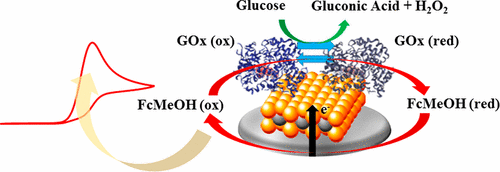
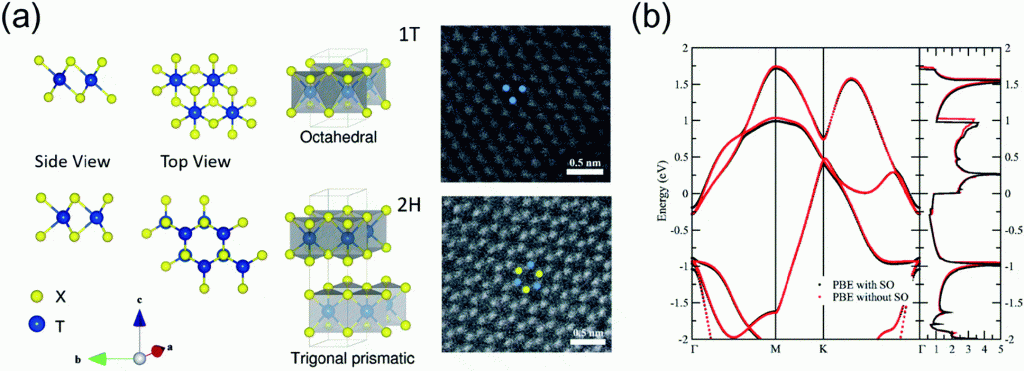
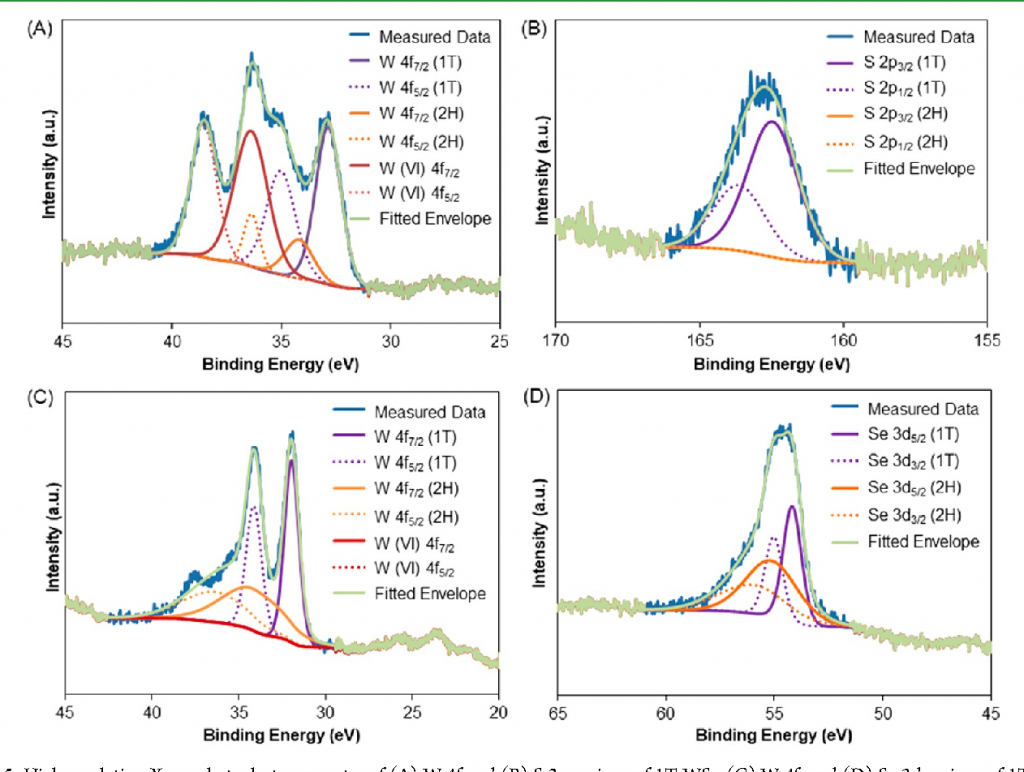
Two-dimensional transition metal dichalcogenides (TMDs) have been in the spotlight for their intriguing properties, including a tunable band gap and fast heterogeneous electron-transfer (HET) rate. Understandably, they are especially attractive in the field of electrochemical biosensors. In this article, HET capabilities of various TMDs (MoS2, MoSe2, WS2, and WSe2) within group VI chemically exfoliated via …

1T-Phase Transition Metal Dichalcogenides (MoS2, MoSe2, WS2, and WSe2) with Fast Heterogeneous Electron Transfer: Application on Second-Generation Enzyme-Based Biosensor Read More »

Pnictogen (As, Sb, Bi) Nanosheets for Electrochemical Applications Are Produced by Shear Exfoliation Using Kitchen Blenders

Layered materials are of high importance because of their anisotropy and as a source of 2D materials. Whilst there is a plethora of multi-elemental 2D materials, the number mono-elemental 2D materials is rather limited. Herein, we demonstrate that aqueous shear exfoliation can be used to obtain As, Sb, and Bi exfoliated nanosheets. Morphological and chemical …

Pnictogen (As, Sb, Bi) Nanosheets for Electrochemical Applications Are Produced by Shear Exfoliation Using Kitchen Blenders Read More »

Detection of Amphipathic Viral Peptide on Screen-Printed Electrodes by Liposome Rupture Impact Voltammetry

Detection of infectious viruses and disease biomarkers is of utmost importance in clinical screening for effective identification and treatment of diseases. We demonstrate here the use of liposome rupture impact voltammetry for the qualitative detection of model amphipathic viral peptide on a screen-printed electrode. This novel, proof-of-concept method was proposed for the quick and reliable …

Detection of Amphipathic Viral Peptide on Screen-Printed Electrodes by Liposome Rupture Impact Voltammetry Read More »

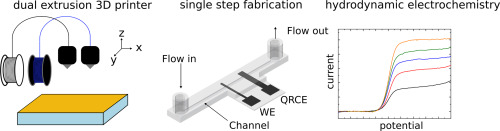
3D-printed Metal Electrodes for Heavy Metals Detection by Anodic Stripping Voltammetry

Heavy metals, being one of the most toxic and hazardous pollutants in natural water, are of great public health concern. Much effort is still being devoted to the optimization of the electroanalytical methods and devices, particularly for the development of novel electrode materials in order to enhance selectivity and sensitivity for the analysis of heavy …

3D-printed Metal Electrodes for Heavy Metals Detection by Anodic Stripping Voltammetry Read More »

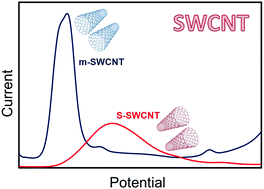
Semi-conducting single-walled carbon nanotubes are detrimental when compared to metallic single-walled carbon nanotubes for electrochemical applications

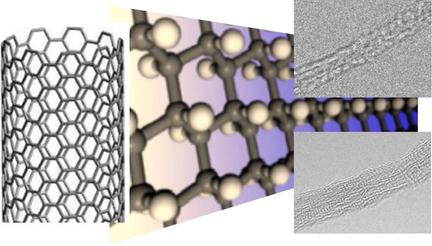
As-synthetized single walled carbon nanotubes (SWCNTs) contain both metallic and semiconducting nanotubes. For the electronics, it is desirable to separate semiconducting SWCNTs (s-SWCNTs) from the metallic ones as s-SWCNTs provide desirable electronic properties. Here we test whether ultrapure semi-conducting single-walled carbon nanotubes (s-SWCNTs) provide advantageous electrochemical properties over the as prepared SWCNTs which contain a …

Semi-conducting single-walled carbon nanotubes are detrimental when compared to metallic single-walled carbon nanotubes for electrochemical applications Read More »

Etched nanoholes in graphitic surfaces for enhanced electrochemistry of basal plane

The understanding and tailoring of the electrochemistry of graphite is of significant industrial importance. We develop a method of etching pits into the basal planes of highly oriented pyrolytic graphite (HOPG) by electrolysis. The etching of HOPG was realized by performing electrochemical reactions at alternating potentials at room temperature, and the resulting membranes are characterized …

Etched nanoholes in graphitic surfaces for enhanced electrochemistry of basal plane Read More »

Black Phosphorus Nanoparticles Potentiate the Anticancer Effect of Oxaliplatin in Ovarian Cancer Cell Line

During the past few years, growing attention has been paid to black phosphorus (BP) and its unique optical, electrical, and catalytic properties. Furthermore, BP has proven to be biocompatible and biodegradable; qualities that present new opportunities for its utilization in the field of life sciences. However, despite all its suitable properties and applicability, its utilization …

Black Phosphorus Nanoparticles Potentiate the Anticancer Effect of Oxaliplatin in Ovarian Cancer Cell Line Read More »

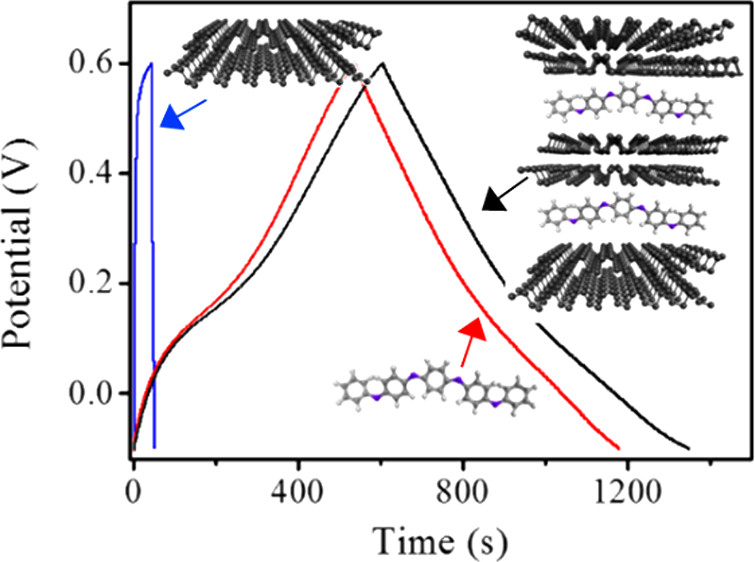
Black Phosphorus Nanoflakes/Polyaniline Hybrid Material for High-Performance Pseudocapacitors

Electrochemical supercapacitors based on conducting polymers are promising energy storage devices which can combine the merits of both rechargeable batteries and conventional electrostatic capacitors. Herein, we demonstrate that the novel hybrid electrode material made of few-layered black phosphorus (BP) and polyaniline (PANI) can outperform the constructing components. BP/PANI nanocomposite demonstrates high specific capacitance of 354 …

Black Phosphorus Nanoflakes/Polyaniline Hybrid Material for High-Performance Pseudocapacitors Read More »

3D Printed Electrodes for Detection of Nitroaromatic Explosives and Nerve Agents

Three-dimensional (3D) printing has proven to be a versatile and useful technology for specialized applications in industry and also for scientific research. We demonstrate its potential use toward the electrochemical detection of nitro aromatic compounds 2,4,6-trinitrotoluene (TNT), 2,4-dinitrotoluene (DNT), and fenitrothion (FT). The detection of these compounds is of utmost importance in military and forensic …

3D Printed Electrodes for Detection of Nitroaromatic Explosives and Nerve Agents Read More »

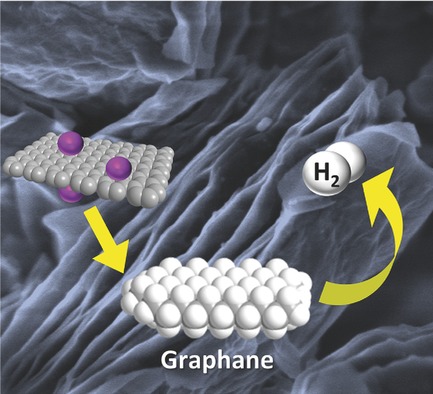
Planar Polyolefin Nanostripes: Perhydrogenated Graphene

Graphene hydrogenation gives an opportunity to introduce a band gap into the graphene electronic structure. Complete hydrogenation may lead to the graphane, a fully hydrogenated counterpart of graphene. However, pure graphane has not been successfully prepared to this day. Here, we show that hydrogenation of single-walled carbon nanotubes by means of Birch reduction leads to …

Planar Polyolefin Nanostripes: Perhydrogenated Graphene Read More »

Layered Transition-Metal Ditellurides in Electrocatalytic Applications-Contrasting Properties

The layered compounds and especially transition-metal dichalcogenides are at the forefront of current research on electrocatalytic materials. Despite the fact that electrocatalytical properties of molybdenum and tungsten disulfides are well-known, their tellurium analogues are significantly less explored. Here we show an effective method for MoTe2 and WTe2 chemical exfoliation based on alkali metal intercalation and …

Layered Transition-Metal Ditellurides in Electrocatalytic Applications-Contrasting Properties Read More »

Graphitic carbon nitride: Effects of various precursors on the structural, morphological and electrochemical sensing properties

Graphitic carbon nitride (g-C3N4) has been discovered very long ago, in the 1830s. g-C3N4, an analogue of graphene, has been of great interest due to the strong electron donor nature of nitrogen present in g-C3N4, which is absent in graphene. Though studies have shown that g-C3N4 can be used as an electrochemical sensing platform for …

Graphitic carbon nitride: Effects of various precursors on the structural, morphological and electrochemical sensing properties Read More »

Bioinspired Spiky Micromotors Based on Sporopollenin Exine Capsules

The development of a micromotor with unique spiky morphology based on sporopollenin exine capsules (SECs) is reported here. A widely abundant natural material extracted from sunflower pollen grains, the SECs are physically robust, highly monodisperse microcapsules that are ornamented with spiky appendages, opening the door to exploring bubble generation on this unique biomaterial surface. Partial …

Bioinspired Spiky Micromotors Based on Sporopollenin Exine Capsules Read More »

Unconventionally Layered CoTe2 and NiTe2 as Electrocatalysts for Hydrogen Evolution

Two members of the transition metal ditelluride family, CoTe2 and NiTe2, exist in multiple structures encompassing marcasite-, pyrite- and CdI2 related structures. The allotrope modification is influenced by weak changes in stoichiometry and synthesis. It is crucial to emphasize that the CdI2 structure type is manifested by NiTe2 while the CoTe2 adopts a related structure …

Unconventionally Layered CoTe2 and NiTe2 as Electrocatalysts for Hydrogen Evolution Read More »

Thin, High-Flux, Self-Standing, Graphene Oxide Membranes for Efficient Hydrogen Separation from Gas Mixtures

The preparation and gas-separation performance of self-standing, high-flux, graphene oxide (GO) membranes is reported. Defect-free, 15-20 mm thick, mechanically stable, unsupported GO membranes exhibited outstanding gas-separation performance towards H-2/CO2 that far exceeded the corresponding 2008 Robeson upper bound. Remarkable separation efficiency of GO membranes for H-2 and bulky C-3 or C-4 hydrocarbons was achieved with …

Thin, High-Flux, Self-Standing, Graphene Oxide Membranes for Efficient Hydrogen Separation from Gas Mixtures Read More »

Electrochemical Exfoliation of Layered Black Phosphorus into Phosphorene

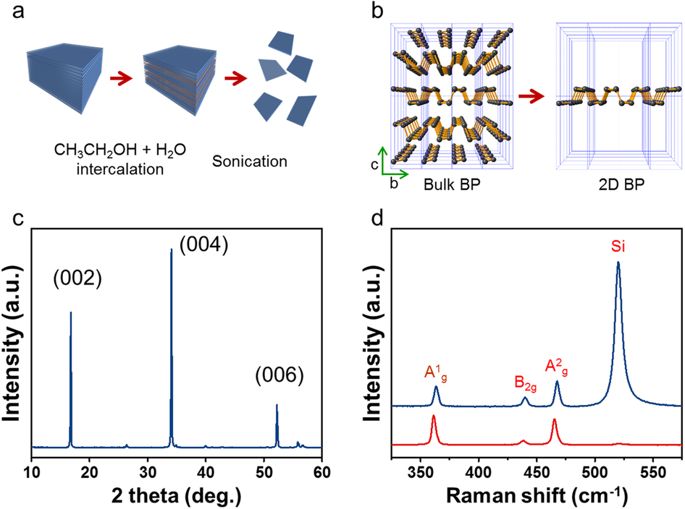
Among 2D materials that recently have attracted enormous interest, black phosphorus (BP) is gaining a rising popularity due to its tunable band-gap structure, which is strongly correlated to the thickness and can enable its use in optoelectronic and electronic applications. It is therefore important to provide a facile and scalable methodology to prepare single or …

Electrochemical Exfoliation of Layered Black Phosphorus into Phosphorene Read More »

2H -> 1T Phase Change in Direct Synthesis of WS2 Nanosheets via Solution-Based Electrochemical Exfoliation and Their Catalytic Properties

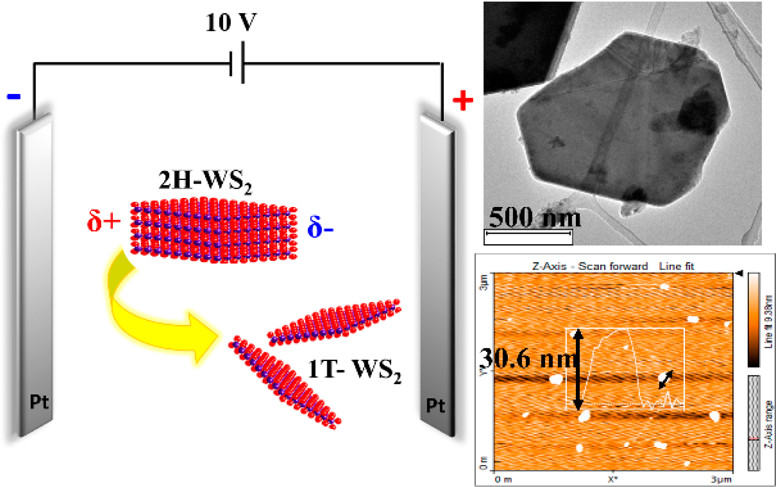
Metallic IT-WS2 has various interesting properties such as increased density of catalytically active sites on both the basal planes and edges as well as metallic conductivity which allows it to be used in applications such as biosensing and energy devices. Hence, it is highly beneficial to develop a simple, efficient, and low-cost synthesis method of …

2H -> 1T Phase Change in Direct Synthesis of WS2 Nanosheets via Solution-Based Electrochemical Exfoliation and Their Catalytic Properties Read More »

The Covalent Functionalization of Layered Black Phosphorus by Nucleophilic Reagents

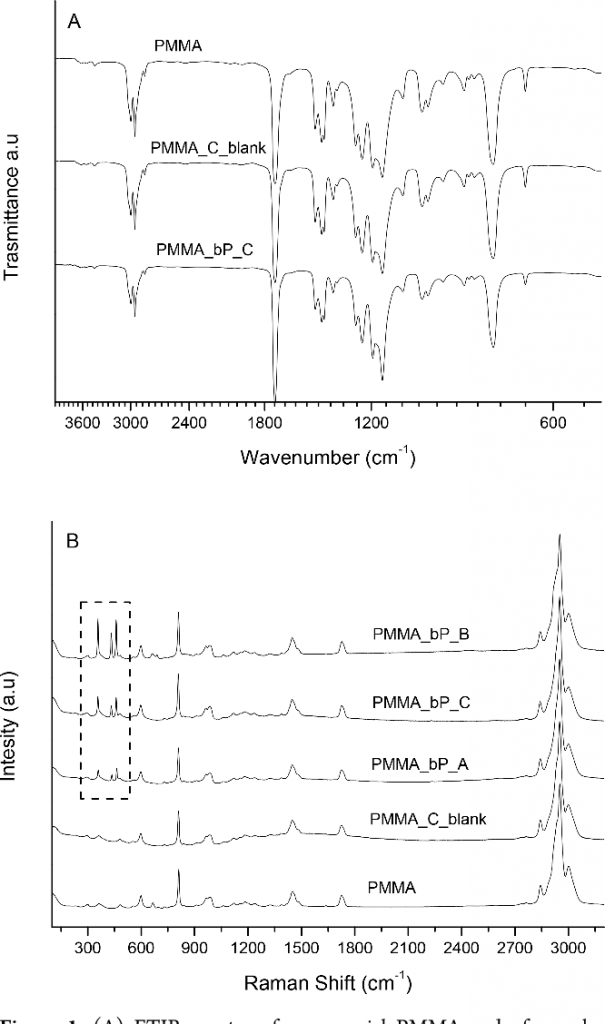
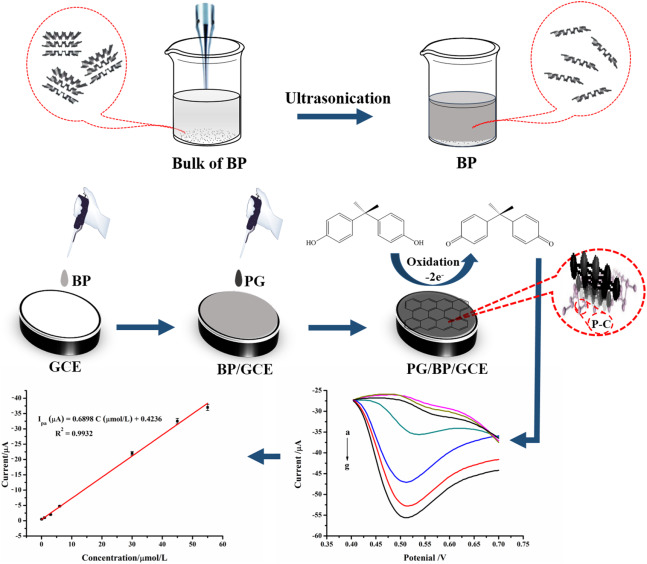
Layered black phosphorus has been attracting great attention due to its interesting material properties which lead to a plethora of proposed applications. Several approaches are demonstrated here for covalent chemical modifications of layered black phosphorus in order to form P-C and P-O-C bonds. Nucleophilic reagents are highly effective for chemical modification of black phosphorus. Further …

The Covalent Functionalization of Layered Black Phosphorus by Nucleophilic Reagents Read More »

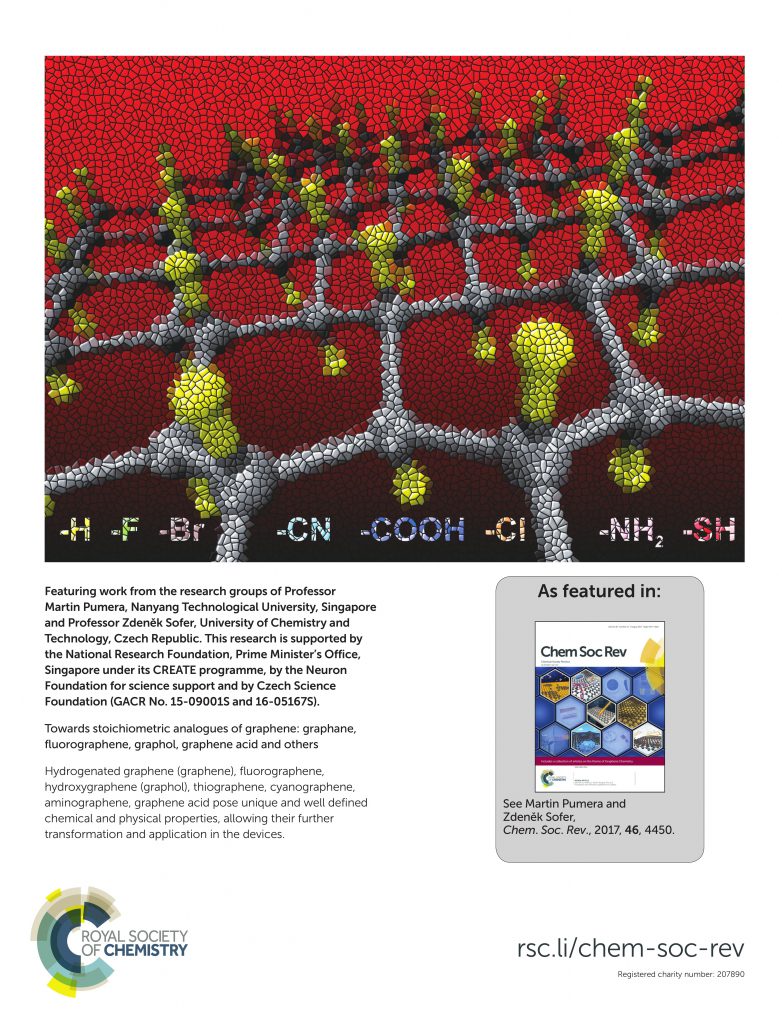
Towards stoichiometric analogues of graphene: graphane, fluorographene, graphol, graphene acid and others

Stoichiometric derivatives of graphene, having well-defined chemical structure and well-defined chemical bonds, are of a great interest to the 2D materials research. Hydrogenated graphene (graphene), fluorographene, hydroxygraphene (graphol), thiographene, cyanographene, aminographene, graphene acid pose unique and well defined chemical and physical properties, allowing their further transformation and application in the devices. Here we overview various …

Towards stoichiometric analogues of graphene: graphane, fluorographene, graphol, graphene acid and others Read More »

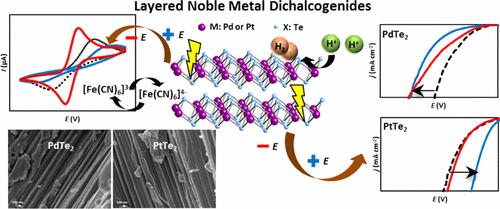
Layered Noble Metal Dichalcogenides: Tailoring Electrochemical and Catalytic Properties

Owing to the anisotropic nature, layered transition metal dichalcogenides (TMDs) have captured tremendous attention for their promising uses in a plethora of applications. Currently, bulk of the research is centered on Group 6 TMDs. Layered noble metal dichalcogenides, in particular the noble metal tellurides, belong to a subset of Group 10 TMDs, wherein the transition …

Layered Noble Metal Dichalcogenides: Tailoring Electrochemical and Catalytic Properties Read More »

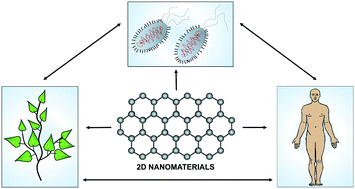
Environmental impact and potential health risks of 2D nanomaterials

The prospective intensive utilization of two-dimensional (2D) nanomaterials, such as graphene, transition metal dichalcogenides, and black phosphorus, increased the requirements for thorough comprehension of their potential impact on the environment and health. The unique properties of 2D materials originate from their parent material crystalline structure composed of vertically stacked layers. This enables the reduction of …

Environmental impact and potential health risks of 2D nanomaterials Read More »

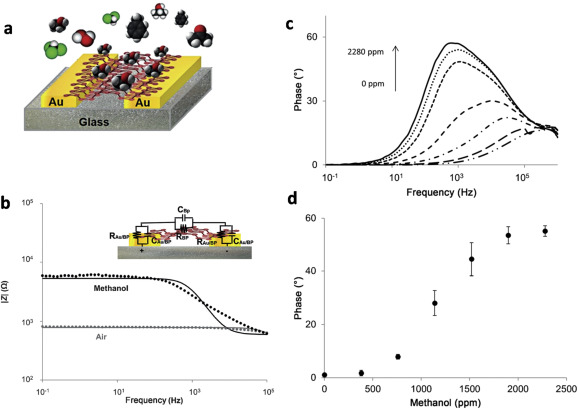
Phosphorene and black phosphorus for sensing and biosensing

Two dimensional (2D) materials exhibit highly useful materials properties. Graphene, single sheet transition metals dichalcogenides found plethora applications in various fields, including analytical chemistry. Layered black phosphorus and its single sheet variation (phosphorene) became popular material very recently due to its monoelemental composition, biocompatibility, electrochemical properties, tunable bandgap and resulting optical properties. Here we describe …

Phosphorene and black phosphorus for sensing and biosensing Read More »

Graphene/Group 5 Transition Metal Dichalcogenide Composites for Electrochemical Applications

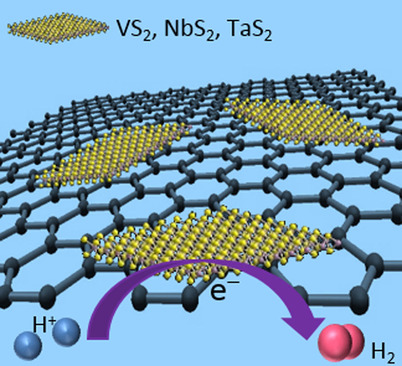
In comparison to the extensive research and great success attained by Group 6 transition metal dichalcogenides (TMDs) as hydrogen evolution reaction (HER) electrocatalysts, there is limited research focused on metallic Group 5 TMDs for use as electrocatalysts for hydrogen evolution. Density functional theory calculations have pointed out that Group 5 TMDs are highly favorable for …

Graphene/Group 5 Transition Metal Dichalcogenide Composites for Electrochemical Applications Read More »

Selective Bromination of Graphene Oxide by the Hunsdiecker Reaction

Halogenated graphenes have been attracting great attention in the recent years. The currently used methods are usually non-specific, and halogen groups are randomly distributed over the graphene. Here we demonstrate a selective graphene functionalization based on a well known reaction mechanism-Hunsdiecker reaction-applied on selective bromination of graphene oxide. The chemical analysis using various spectroscopic methods …

Selective Bromination of Graphene Oxide by the Hunsdiecker Reaction Read More »

Universal Method for Large-Scale Synthesis of Layered Transition Metal Dichalcogenides

The layered transition metal dichalcogenides are currently amongst the most intensively investigated materials. These compounds constitute a broad family of materials, with characteristic layered structures, covering both semiconductors and metallic materials. The great attention arises from the possibility to exfoliate these materials down to single layers with many unique properties, such as thickness dependent band-gap …

Universal Method for Large-Scale Synthesis of Layered Transition Metal Dichalcogenides Read More »

Polyaniline/MoSX Supercapacitor by Electrodeposition

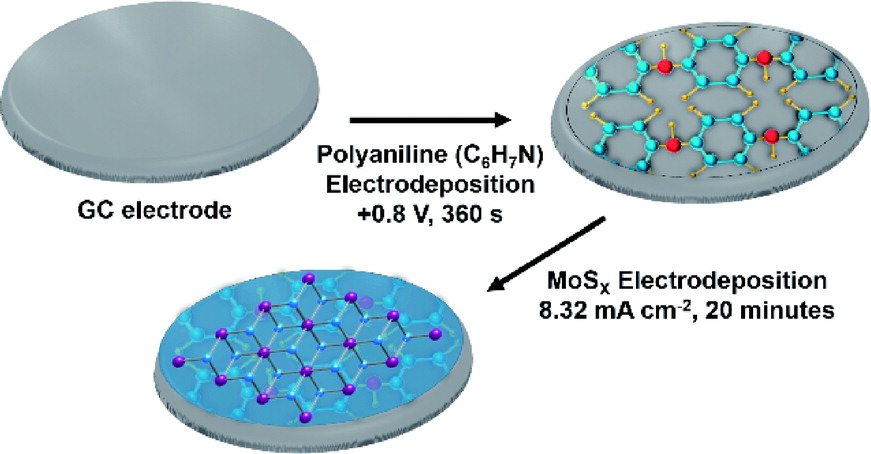
Supercapacitors as a promising energy storage device have received significant attention. Here we report a facile, low cost and mass production strategy to prepare polyaniline (PANI)/molybdenum sulfide (MoSX) supercapacitor material by electrodeposition. More specifically, PANI was electrodeposited on glassy carbon (GC) through chrono amperometry followed by electrodeposition of MoSX via chrono potentiometry from ammonium tetrathiomolybdate …

Polyaniline/MoSX Supercapacitor by Electrodeposition Read More »

Nitrogen-doped graphene: effect of graphite oxide precursors and nitrogen content on the electrochemical sensing properties

Graphene, produced via chemical methods, has been widely applied for electrochemical sensing due to its structural and electrochemical properties as well as its ease of production in large quantity. While nitrogen-doped graphenes are widely studied materials, the literature showing an effect of graphene oxide preparation methods on nitrogen quantity and chemical states as well as …

Nitrogen-doped graphene: effect of graphite oxide precursors and nitrogen content on the electrochemical sensing properties Read More »

Two-dimensional transition metal dichalcogenide/conducting polymer composites: synthesis and applications

The exploration of hybridizing transition metal dichalcogenide (TMD) nanosheets with other materials as a unique approach for engineering their properties has attracted considerable attention from the scientific community for both basic studies and numerous potential applications. Among the various kinds of functional materials in hand, the utilization of intrinsically conducting polymers (CPs) in the construction …

Two-dimensional transition metal dichalcogenide/conducting polymer composites: synthesis and applications Read More »

Electrosynthesis of Bifunctional WS3-x/Reduced Graphene Oxide Hybrid for Hydrogen Evolution Reaction and Oxygen Reduction Reaction Electrocatalysis

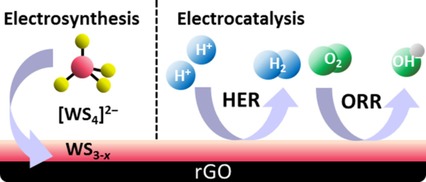
A multitude of research into the application of transition-metal dichalcogenides as earth-abundant hydrogen evolution reaction (HER) electrocatalysts has been conducted. However, current synthetic methods generally deploy environmentally harmful chemicals and energy-consuming reaction conditions, despite the primary intent to attain renewable energy production. Here, the desirable properties of tungsten sulfide and reduced graphene oxide (rGO) have …

Electrosynthesis of Bifunctional WS3-x/Reduced Graphene Oxide Hybrid for Hydrogen Evolution Reaction and Oxygen Reduction Reaction Electrocatalysis Read More »

2H -> 1T Phase Engineering of Layered Tantalum Disulfides in Electrocatalysis: Oxygen Reduction Reaction

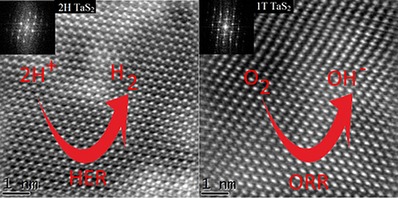
Tremendous attention is currently being paid to renewable sources of energy. Transition-metal dichalcogenides (TMDs) have been intensively studied for their promising catalytic activities in the hydrogen evolution reaction (HER) and the oxygen reduction reaction (ORR). In this fundamental work, we explored the catalytic properties of TMD family members 2HTaS(2) and 1T TaS2. Our findings reveal …

2H -> 1T Phase Engineering of Layered Tantalum Disulfides in Electrocatalysis: Oxygen Reduction Reaction Read More »

2D Monoelemental Arsenene, Antimonene, and Bismuthene: Beyond Black Phosphorus

Two-dimensional materials are responsible for changing research in materials science. After graphene and its counterparts, graphane, fluorographene, and others were introduced, waves of renewed interest in 2D binary compounds occurred, such as in metal oxides, transition-metal dichalcogenides (most often represented by MoS2), metal oxy/hydroxide borides, and MXenes, to name the most prominent. Recently, interest has …

2D Monoelemental Arsenene, Antimonene, and Bismuthene: Beyond Black Phosphorus Read More »

Two-Dimensional 1T-Phase Transition Metal Dichalcogenides as Nanocarriers To Enhance and Stabilize Enzyme Activity for Electrochemical Pesticide Detection

Single or few layers lithium-exfoliated transition metal dichalcogenides (TMDs) are found to exist predominantly in the conducting metallic 1T-polymorph, which makes it desirable for numerous applications due to its large surface area, good electrical conductivity, and enhanced electrocatalytic capabilities. We demonstrated the use of tert-butyllithium exfoliated TMDs (MoS2, MoSe2, WS2, WSe2) as a platform for …

Two-Dimensional 1T-Phase Transition Metal Dichalcogenides as Nanocarriers To Enhance and Stabilize Enzyme Activity for Electrochemical Pesticide Detection Read More »

Coke-derived graphene quantum dots as fluorescence nanoquencher in DNA detection

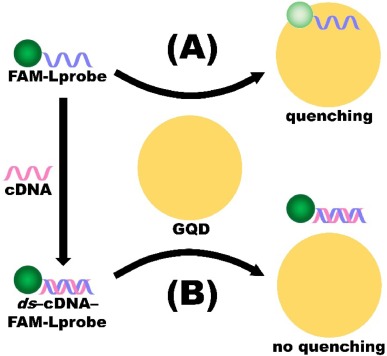
The recent emergence of coal and related fossil fuel products as an abundant and affordable source of graphene quantum dots (GQDs) highlights the potential of the carbon precursor in the development of simple and cost-effective DNA nanobiosensors. A coke-derived precursor- calcined petroleum coke- was utilized for the facile one-step synthesis of GQDs. Thereafter, DNA detection …

Coke-derived graphene quantum dots as fluorescence nanoquencher in DNA detection Read More »

Concentration of Nitric Acid Strongly Influences Chemical Composition of Graphite Oxide

Graphite oxide is the most widely used precursor for the synthesis of graphene through top-down methods. We demonstrate a significant influence of nitric acid concentration on the structure and composition of the graphite oxide prepared by graphite oxidation. In general, two main chlorate-based oxidation methods are currently used for graphite oxide synthesis: the Staudenmaier method …

Concentration of Nitric Acid Strongly Influences Chemical Composition of Graphite Oxide Read More »

Group 6 Layered Transition-Metal Dichalcogenides in Lab-on-a-Chip Devices: 1T-Phase WS2 for Microfluidics Non-Enzymatic Detection of Hydrogen Peroxide

Two-dimensional (2D) layered transition-metal dichalcogenides (TMDs) have been placed in the spotlight for their advantageous properties for catalytic and sensing applications. However, little work is done to explore and exploit them in enhancing the performance of analytical lab-on-a-chip (LOC) devices. In this work, we demonstrate a simple, sensitive, and low-cost fabrication of electrochemical LOC microfluidic …

Group 6 Layered Transition-Metal Dichalcogenides in Lab-on-a-Chip Devices: 1T-Phase WS2 for Microfluidics Non-Enzymatic Detection of Hydrogen Peroxide Read More »

Graphene Nanobubbles Produced by Water Splitting

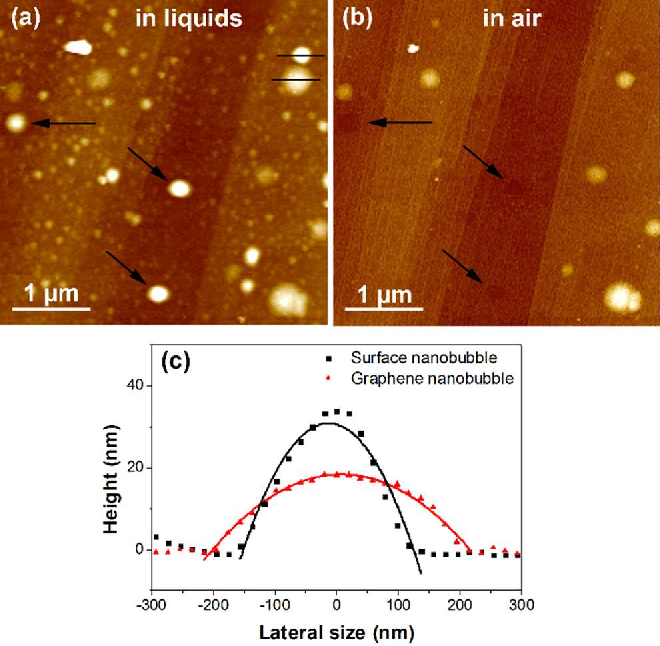
Graphene nanobubbles are of significant interest due to their ability to trap mesoscopic volumes of gas for various applications in nanoscale engineering. However; conventional protocols to produce such bubbles are relatively elaborate and require specialized equipment to subject graphite samples to high temperatures or pressures. Here, we demonstrate, the formation of graphene nanobubbles between layers …

Graphene Nanobubbles Produced by Water Splitting Read More »

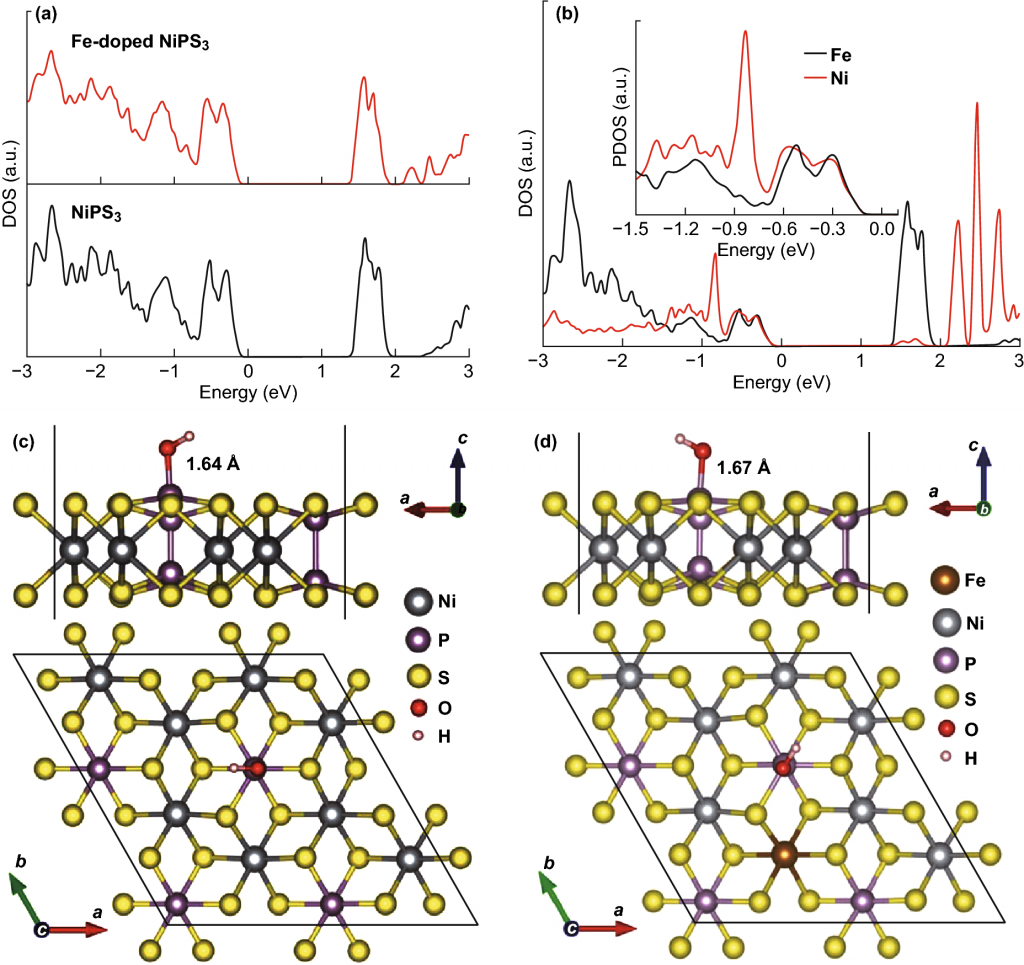
Layered Metal Thiophosphite Materials: Magnetic, Electrochemical, and Electronic Properties

Beyond graphene, transitional metal dichalcogenides, and black phosphorus, there are other layered materials called metal thiophosphites (MPSx), which are recently attracting the attention of scientists. Here we present the synthesis, structural and morphological characterization, magnetic properties, electrochemical performance, and the calculated density of states of different layered metal thiophosphite materials with a general formula MPSx …

Layered Metal Thiophosphite Materials: Magnetic, Electrochemical, and Electronic Properties Read More »

Ultrapure Molybdenum Disulfide Shows Enhanced Catalysis for Hydrogen Evolution over Impurities-Doped Counterpart

The development of electrocatalysts to meet the requirements of renewable energy applications has seen much attention placed on transition-metal dichalcogenide (TMD) materials owing to their promising properties. In particular, the strategy of atomic doping has garnered some success in tuning the electronic properties and harnessing the vast potential that TMDs can offer in the catalysis …

Ultrapure Molybdenum Disulfide Shows Enhanced Catalysis for Hydrogen Evolution over Impurities-Doped Counterpart Read More »

Near-Stoichiometric Bulk Graphane from Halogenated Graphenes (X = Cl/Br/I) by the Birch Reduction for High Density Energy Storage

Hydrogen is a clean fuel with high specific energy and its handling and storage are important toward fuel cell research. Particularly, high-density hydrogen storage is crucial for the viability of future hydrogen-powered devices. This leads to the search for suitable methods; one such option is chemical storage in light materials with large surface areas, such …
Near-Stoichiometric Bulk Graphane from Halogenated Graphenes (X = Cl/Br/I) by the Birch Reduction for High Density Energy Storage Read More »

Nano/Microrobots Meet Electrochemistry

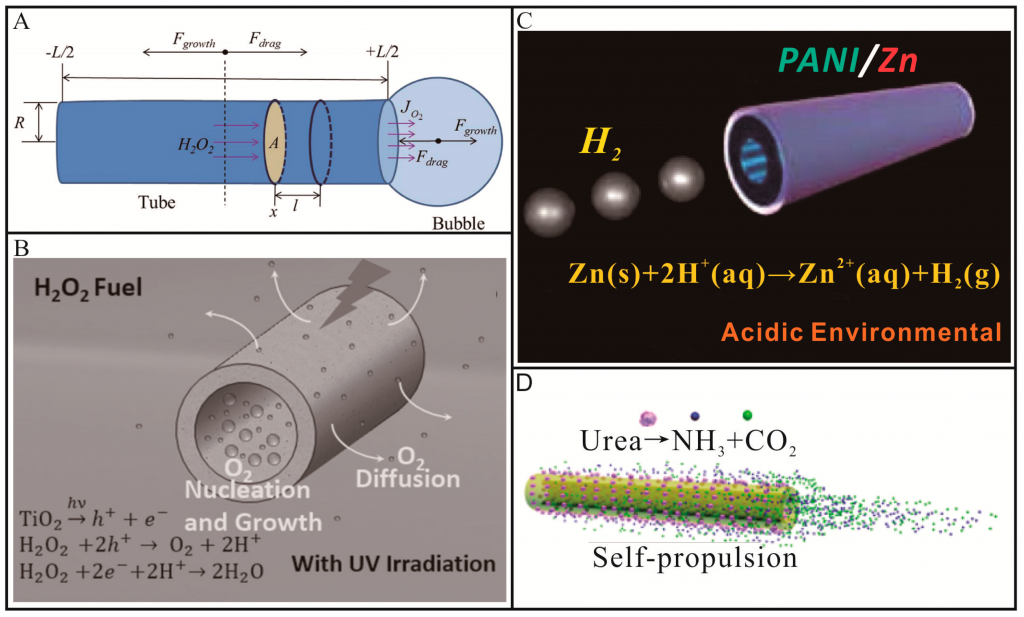
Artificial autonomous self-propelled nano and microrobots are an important part of contemporary technology. They are typically self-powered, taking chemical energy from their environment and converting it to motion. They can move in complex environments and channels, deliver cargo, perform nanosurgery, act as chemotaxis and perform sense-and-act actions. The electrochemistry is closely interwoven within this field. …
Nano/Microrobots Meet Electrochemistry Read More »

Functional Nanosheet Synthons by Covalent Modification of Transition-Metal Dichalcogenides

We report on the facile preparation of versatile MoS2 thiobarbituric acid conjugates, which, in addition to excellent electrochemical behavior, can serve as nanosheet platforms for further functionalization in a multitude of applications. We show that chemically exfoliated MoS2 was extensively modified with up to 50% surface coverage, while maintaining its metallic character, and that the …

Functional Nanosheet Synthons by Covalent Modification of Transition-Metal Dichalcogenides Read More »

Investigation on the ability of heteroatom-doped graphene for biorecognition

Doped graphene platforms have been attracting considerable attention due to their improved electrochemical performances. Recent studies have shown the advantage of using either p-type or n-type doped graphene materials as transducers for the detection of various electroactive probes. Here we wanted to take a step forward and extend the study to investigate the ability of …

Investigation on the ability of heteroatom-doped graphene for biorecognition Read More »

The effect of varying solvents for MoS2 treatment on its catalytic efficiencies for HER and ORR

MoS2 has been investigated intensively in the field of catalysis for the hydrogen evolution reaction (HER) in particular. Much effort has been made by various research teams worldwide to look into the specific catalyst design such as nano-structuring, defect engineering or hybrid structures. But what evades us is the fundamental preparation method for the dispersion …

The effect of varying solvents for MoS2 treatment on its catalytic efficiencies for HER and ORR Read More »

The Origin of MoS2 Significantly Influences Its Performance for the Hydrogen Evolution Reaction due to Differences in Phase Purity

Molybdenum disulfide (MoS2) is at the forefront of materials research. It shows great promise for electrochemical applications, especially for hydrogen evolution reaction (HER) catalysis. There is a significant discrepancy in the literature on the reported catalytic activity for HER catalysis on MoS2. Here we test the electrochemical performance of MoS2 obtained from seven sources and …

The Origin of MoS2 Significantly Influences Its Performance for the Hydrogen Evolution Reaction due to Differences in Phase Purity Read More »

Doping with Graphitic Nitrogen Triggers Ferromagnetism in Graphene

Nitrogen doping opens possibilities for tailoring the electronic properties and band gap of graphene toward its applications, e.g., in spintronics and optoelectronics. One major obstacle is development of magnetically active N-doped graphene with spin-polarized conductive behavior. However, the effect of nitrogen on the magnetic properties of graphene has so far only been addressed theoretically, and …

Doping with Graphitic Nitrogen Triggers Ferromagnetism in Graphene Read More »

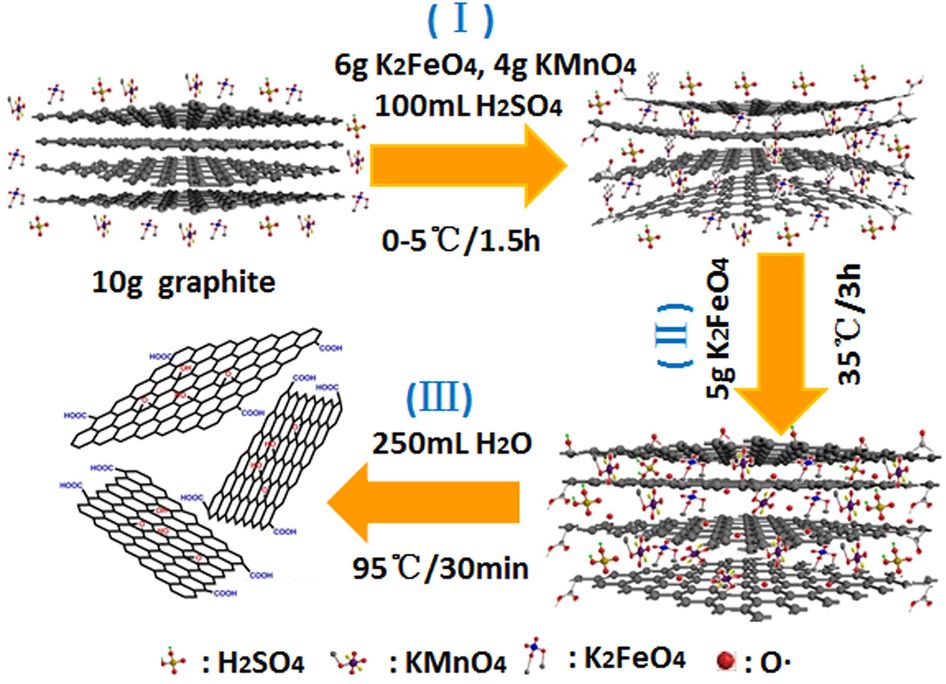
Tuning of graphene oxide composition by multiple oxidations for carbon dioxide storage and capture of toxic metals

Graphene oxide (GO) is a material used as a precursor for the synthesis of graphene and its derivatives. Chemical properties of graphene are strongly influenced by the chemical composition of the original GO. In this paper we would like to show that the amount as well as the type of functional groups can be significantly …

Tuning of graphene oxide composition by multiple oxidations for carbon dioxide storage and capture of toxic metals Read More »

Emerging materials for the fabrication of micro/nanomotors

Self-propelled autonomous nano and micromotors are devices which in many aspects mimic living organisms: they take chemical energy from the environment and convert it to motion; they are capable of phototaxis, chemotaxis and magnetotaxis, following the gradient of fuel, a magnetic field or light. There is an immense spectrum of possible applications of these devices, …

Emerging materials for the fabrication of micro/nanomotors Read More »

Synthesis of Carboxylated-Graphenes by the Kolbe-Schmitt Process

Graphene oxide is an oxidized form of graphene containing a large variety of oxygen groups. Although past models have suggested carboxylic acids to be present in significant amounts, recent evidence has shown otherwise. Toward the production of carboxyl-graphene, a synthetic method is presented herein based on the Kolbe- Schmitt process. A modified procedure of heating …

Synthesis of Carboxylated-Graphenes by the Kolbe-Schmitt Process Read More »

Fluorographene Modified by Grignard Reagents: A Broad Range of Functional Nanomaterials

Fluorographene is the youngest stoichiometric derivative of graphene; hence, its reactivity is only poorly explored. Compared to graphene, the significantly higher reactivity of C-F bonds makes this material a suitable platform for a large number of chemical modifications. Fluorographene is also the only member of the halographene family that can be prepared in the stoichiometric …

Fluorographene Modified by Grignard Reagents: A Broad Range of Functional Nanomaterials Read More »

1T-Phase WS2 Protein-Based Biosensor

Metallic 1T-phase transition metal dichalcogenides have been recognized for their desirable properties like high surface-to-volume ratio, high conductivity, and capacitive behavior, making them outstanding for catalytic and sensing applications. Herein, a hydrogen peroxide (H2O2) biosensor is constructed by the immobilization of hemoglobin (Hb) on 1T-phase WS2 (1T-WS2) sheets, and entrapment by glutaraldehyde. 1T-WS2 not only …

1T-Phase WS2 Protein-Based Biosensor Read More »

A study of the effect of sonication time on the catalytic performance of layered WS2 from various sources

WS2 is a transition metal dichalcogenide (TMD) with many potential applications from catalysis to sensing, and is of interest both in its bulk and monolayer forms. There is discrepancy in the literature on the reported electrocatalytic effect of layered WS2. In this study, we examine two issues: the influence of the WS2 source and the …

A study of the effect of sonication time on the catalytic performance of layered WS2 from various sources Read More »

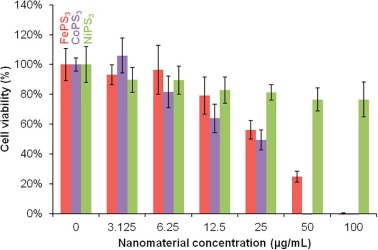
Cytotoxicity of Exfoliated Layered Vanadium Dichalcogenides

Transition-metal Group 5 vanadium dichalcogenides have shown promising properties for many applications, such as batteries, capacitors, electrocatalysts for hydrogen production and many more. However, their toxicological effects have not yet been well understood. Here, we studied the cytotoxicity of exfoliated VS2, VSe2 and VTe2 by incubating various concentrations of the materials with human lung carcinoma …

Cytotoxicity of Exfoliated Layered Vanadium Dichalcogenides Read More »

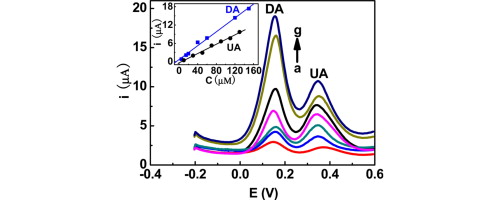
Boron and Nitrogen Doped Graphene via Microwave Exfoliation for Simultaneous Electrochemical Detection of Ascorbic Acid, Dopamine and Uric Acid

Boron and nitrogen doped graphenes show opposite effect on the electronic structure, one with electron withdrawing and another one with electron donating effects. It is of high importance to investigate the influence of B or N doping on biomarkers detection and compare it to non-doped graphene. Here we show that B-doped graphene shows significant enhancement …

Boron and Nitrogen Doped Graphene via Microwave Exfoliation for Simultaneous Electrochemical Detection of Ascorbic Acid, Dopamine and Uric Acid Read More »