Year: 2026

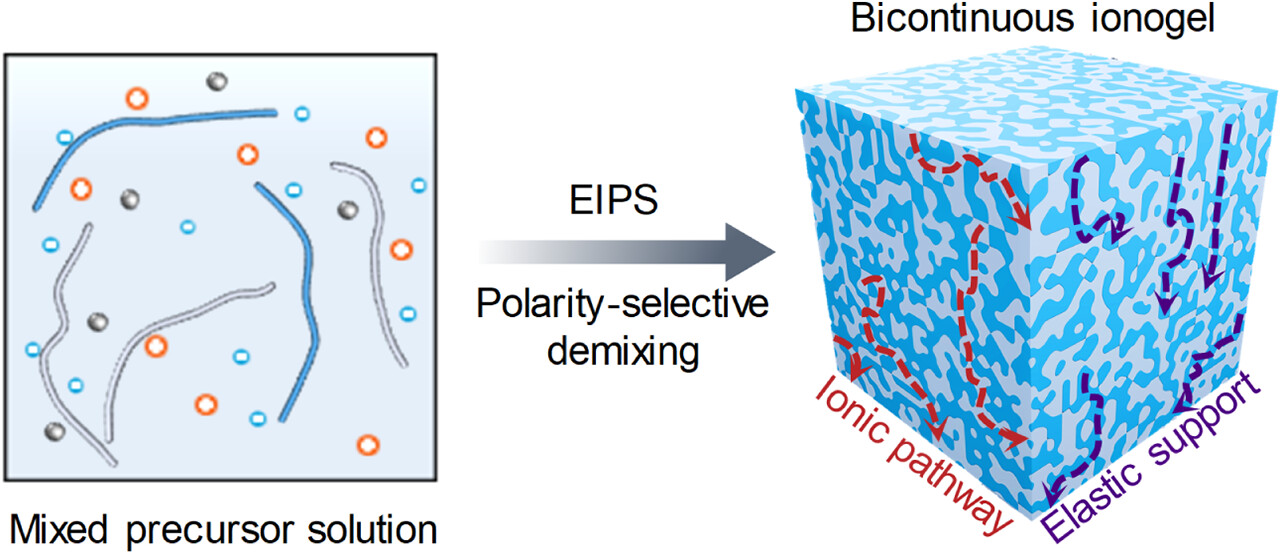
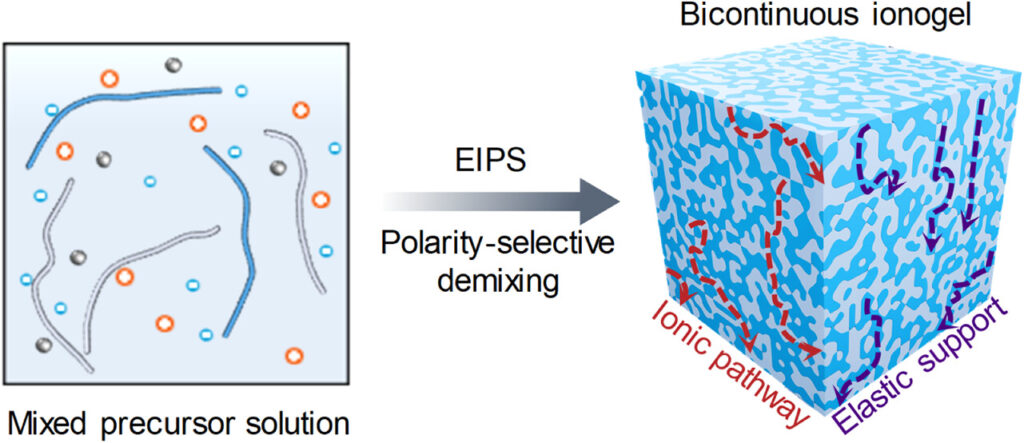
Polarity-Selective Assembly Enables Tough and Stretchable Ionogels for Wearable Electronic

The widespread adoption of stretchable ionogels for emerging soft iontronics has been impeded by an inherent trade-off between mechanical robustness and ionic conductivity. Moreover, most existing approaches rely on intricate molecular designs or multistep processing, posing significant challenges to scalability and processability. Herein, we develop a facile and generalizable solvent-evaporation-induced phase-separation strategy that yields ionogels …
Polarity-Selective Assembly Enables Tough and Stretchable Ionogels for Wearable Electronic Read More »

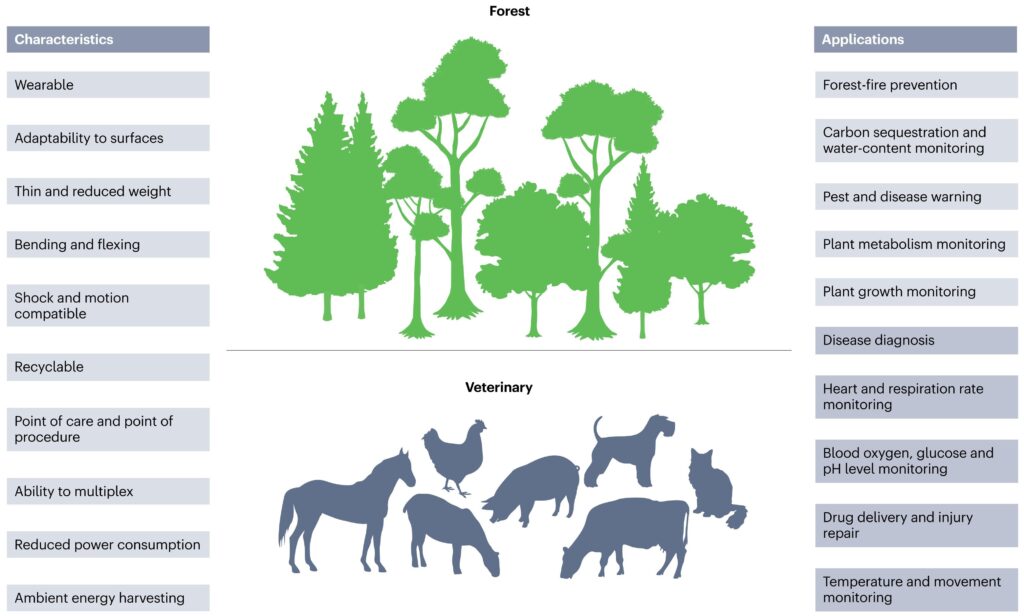
Flexible electronics for forest and veterinary health monitoring

Intensifying public concern over environmental degradation and food safety is driving urgent demand for advanced, robust monitoring systems in forests and veterinary healthcare. Forests face escalating threats from climate change, wildfires, pests and diseases, whereas livestock and companion animals require timely detection of behavioural and pathological changes to curb outbreaks and safeguard welfare. Traditional monitoring …

Flexible electronics for forest and veterinary health monitoring Read More »

Artificial chemotaxis in micro/nanomotors

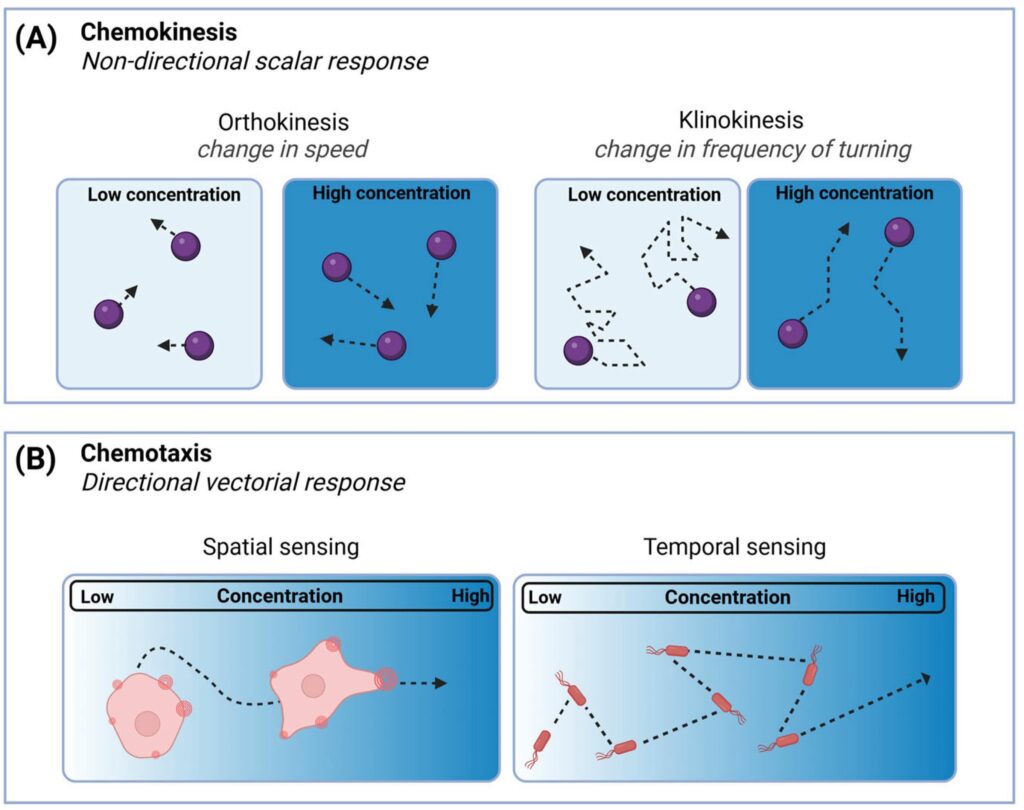
Chemotaxis is the directional motion of objects in response to chemical gradients, a process that drives navigation in micro/nanomotors, enabling a bio-inspired transition toward autonomous direction control. However, current studies lack consistent mechanistic justification, definition, and standardized experimental validation. This review summarizes key physical principles governing active chemotaxis, surveys experimental strategies for generating chemical gradients …

Artificial chemotaxis in micro/nanomotors Read More »

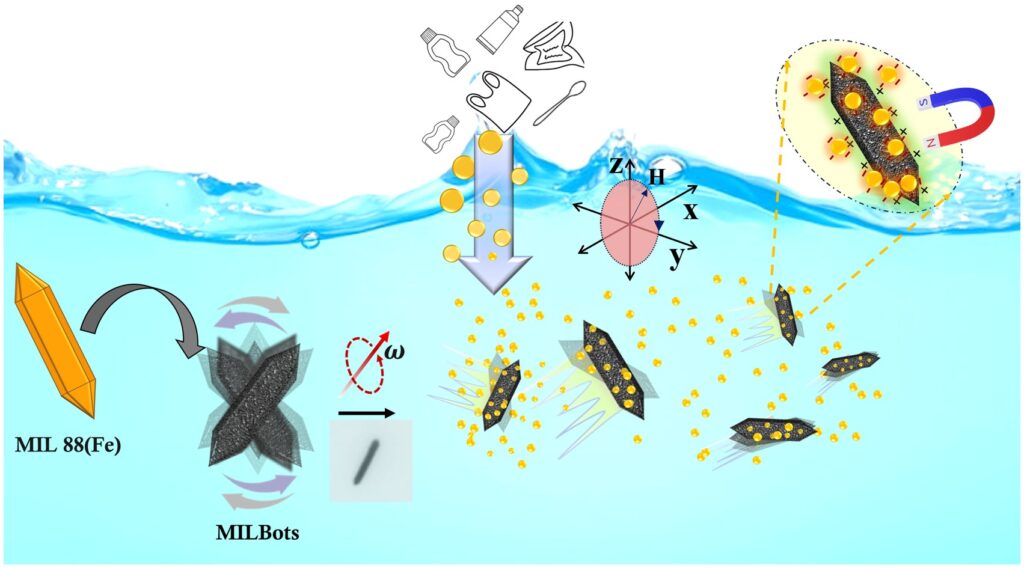
MOF-derived magnetic microrobots for the active capture of nanoplastics

The widespread use of synthetic polymeric products in modern life has led to an uncontrolled presence of micro-/nano-plastics in the ecosystem. Tiny plastic debris are now commonly found in water bodies, posing potential threats to the well-being of living organisms. Among various water remediation methods, adsorption stands out as a safe and effective strategy for …

MOF-derived magnetic microrobots for the active capture of nanoplastics Read More »

Silver-enhanced Photoresponsive g-C3N4/Ag Janus Microrobots With Negative Photogravitaxis Efficient Antibiotic Degradation

Water pollution remains a serious global challenge; hence, the efficient, low-cost, and environmentally friendly removal of pollutants from water has become a research hotspot. Photocatalytic microrobots can achieve autonomous movement and generate reactive oxygen species (ROS), presenting a great opportunity for water purification. Despite the excellent properties of g-C3N4, such as high photocatalytic activity, high …

Silver-enhanced Photoresponsive g-C3N4/Ag Janus Microrobots With Negative Photogravitaxis Efficient Antibiotic Degradation Read More »

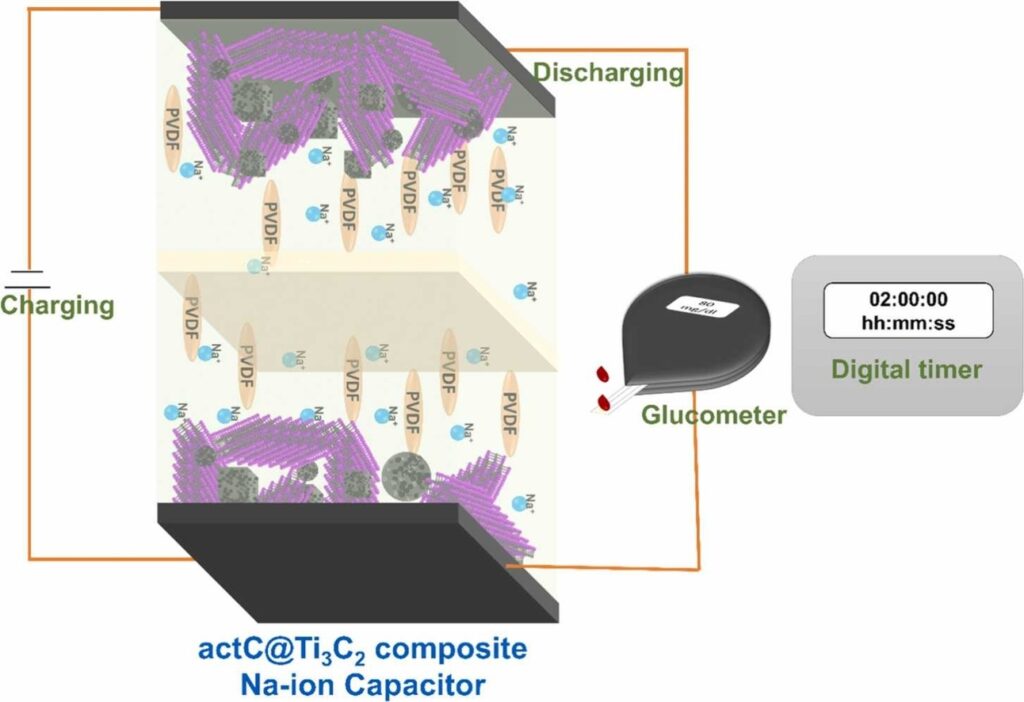
MXene/carbon based ultra-stable symmetric sodium-ion capacitors for glucose monitoring

Biomass-derived activated carbon and MXenes are promising candidates for high-performance electrochemical energy storage owing to their low cost and excellent charge-storage properties. Herein, we demonstrate a unified single-step molten-salt strategy to synthesize a composite of pumpkin seed-derived activated carbon and Ti3C2Tx MXene in a single pot for sodium-ion capacitor (SIC) applications. In this process, biomass …

MXene/carbon based ultra-stable symmetric sodium-ion capacitors for glucose monitoring Read More »

Laser induced MXene-derived oxide based advanced supercapacitor for wireless applications

The development of energy storage systems for wireless and wearable electronics requires electrode materials that combine high energy density, mechanical flexibility, and long-term cycling stability. Here, we present a laser-engineering strategy for Ti3C2Tx MXene electrodes that induces surface oxidation and forms a hybrid structure comprising in-situ grown TiO2 nanostructures embedded on a conductive MXene matrix. …

Laser induced MXene-derived oxide based advanced supercapacitor for wireless applications Read More »

Translational Application of Biomedical Microrobots in Female Reproductive System

Recent advancements in robotics enable the rapid evolution of micro/nanorobotic technologies which accelerates developing precise, patient-tailored diagnostic and therapeutic strategies. Untethered microrobots are making strides in the biomedical field due to their ability to access hard-to-reach locations in the organs, allow adjusting dosage time, and can be combined with different treatments. Potential impact is evident …

Translational Application of Biomedical Microrobots in Female Reproductive System Read More »

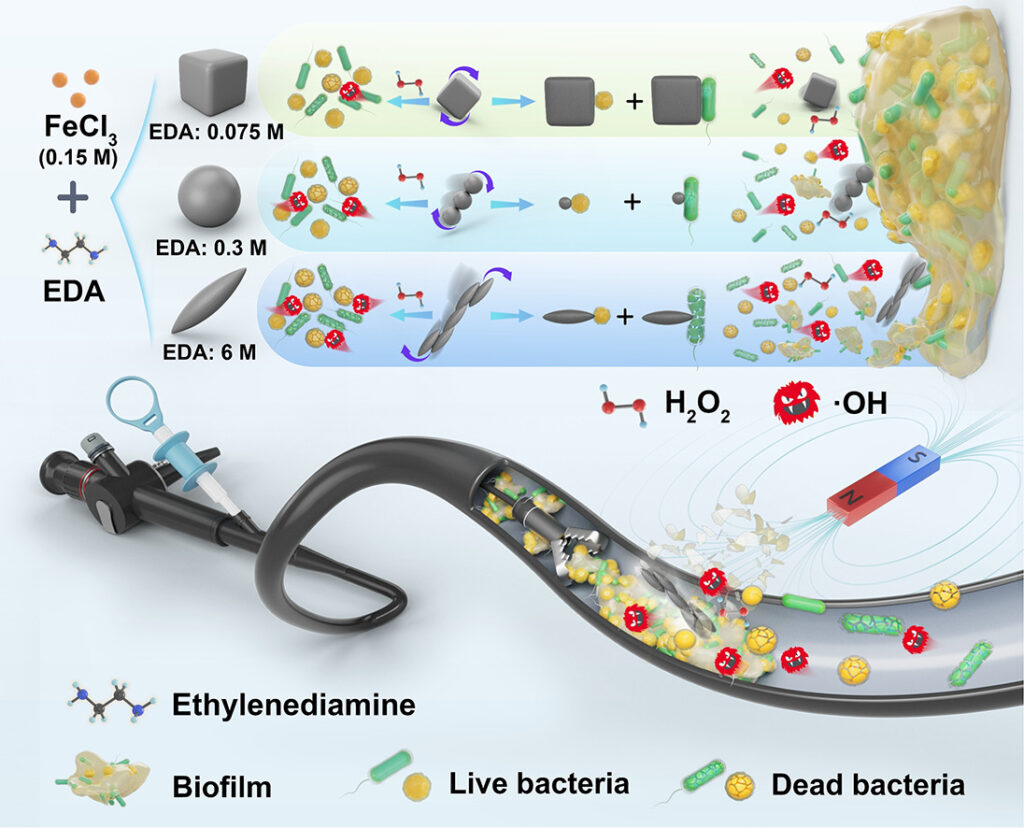
Shape-dependent magnetic-driven microrobots for biofilm-eradicating medical device disinfection through mechanical and chemical bactericidal action

Biomedical device-associated infections are a primary cause of clinical treatment failure, with persistent biofilm infections in the intricate architectures of medical devices further compounding the issue. In this work, we developed magnetite microrobots (Fe3O4 MRs) with various geometries, including cubic, spherical, and fusiform shapes, which integrate magnetically driven mechano-bactericidal performance with peroxidase (POD)-like catalytic activity …

Shape-dependent magnetic-driven microrobots for biofilm-eradicating medical device disinfection through mechanical and chemical bactericidal action Read More »

Liquid Metal Microrobots for Magnetically Guided Transvascular Navigation

Soft microrobots, compared with their rigid counterparts, offer superior adaptability in dynamic and confined biological environments. Here, magnetically-guided liquid metal microrobots composed of gallium-indium alloys embedded with Fe nanoparticles are introduced. The unique combination of magnetic maneuverability, high surface tension, intrinsic radiopacity, and deformability allows liquid metal-based microbots to overcome limitations of both hard microrobots …

Liquid Metal Microrobots for Magnetically Guided Transvascular Navigation Read More »

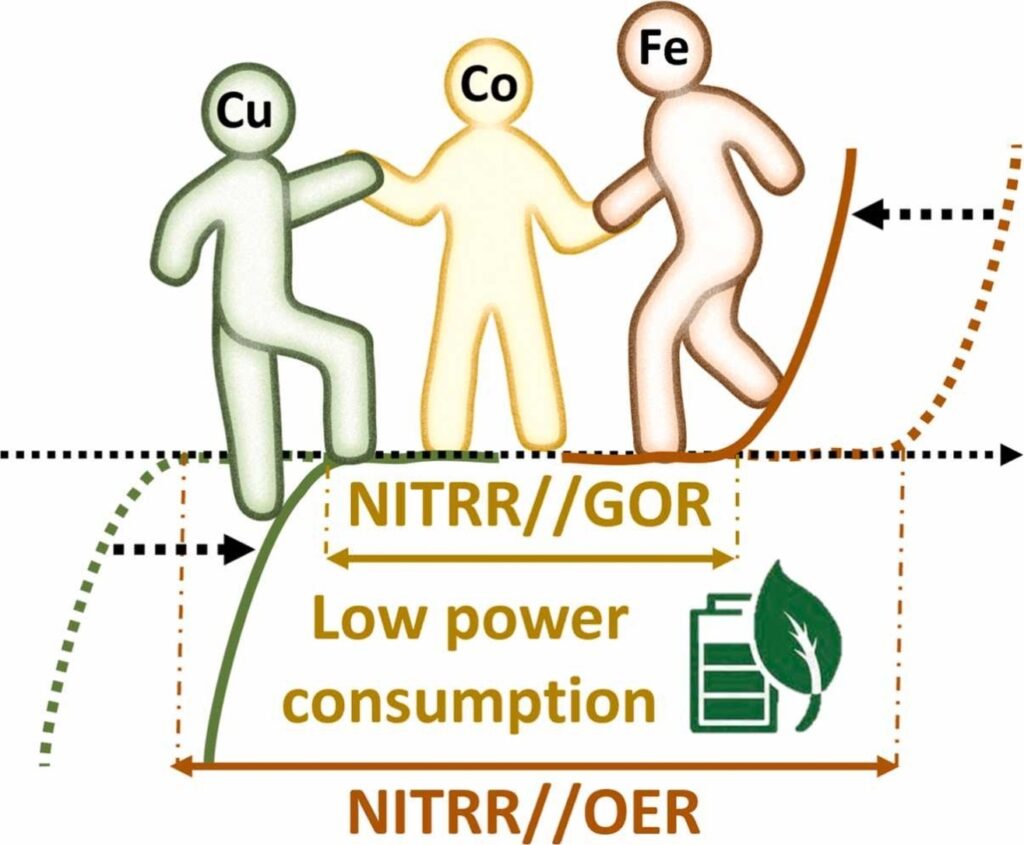
Metal-doping induced catalytic suitability of CoWO4@3D-printed electrode for nitrate reduction coupled glycerol oxidation

Multimetallic site engineering is emerging as a powerful strategy to regulate electronic structure and reaction pathways in complex multielectron electrocatalytic systems, such as electrocatalytic nitrate reduction. Here, we report the rational design of transition metal-doped CoWO4 (M-CoWO4, M = Cu, Fe, Ni) integrated into 3D-printed octet lattice electrodes for the electrochemical conversion of nitrate to …

Metal-doping induced catalytic suitability of CoWO4@3D-printed electrode for nitrate reduction coupled glycerol oxidation Read More »

Laser-Processed 2D Germanane on Graphene for Organohydrogel-Based Zinc-Ion Hybrid Capacitors

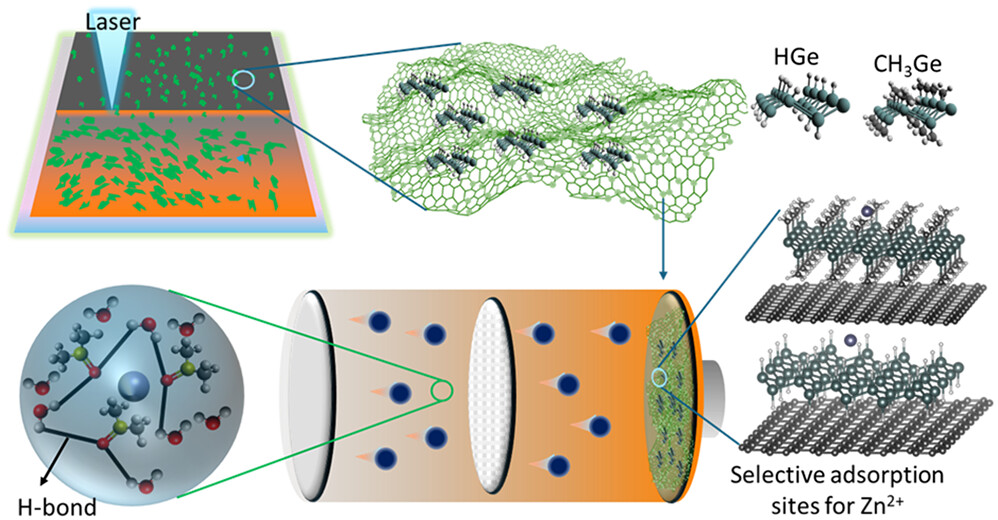
Group 14 monoelemental two-dimensional (2D) materials beyond graphene, such as silicene and germanene, have gained significant attention in the scientific community. Covalent functionalization of germanene with hydrogen and methyl leads to germanane (hydrogen/methyl-terminated germanene; HGe/MGe). While the optical and electronic properties of HGe and MGe were explored previously, there is no report on their zinc …

Laser-Processed 2D Germanane on Graphene for Organohydrogel-Based Zinc-Ion Hybrid Capacitors Read More »

Upcycling Waste Fabric Material into High-Performance Supercapacitor Devices

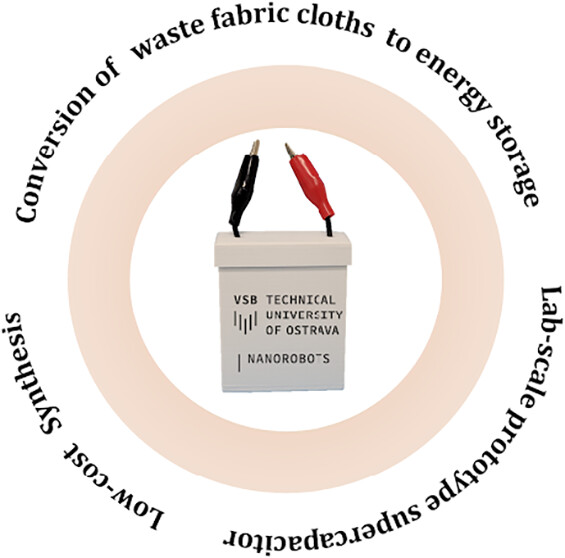
Waste fashion fabric cloth materials, including such household items as wet wipes, diapers, masks, disposable gloves, discarded bedsheets, washing cloths, pillow covers, etc., pose an important environmental problem as they are generally nonrecyclable and ultimately accumulate in landfills, liberating poisonous byproducts into the environment. With growing energy concerns, cost-effective, lightweight, and durable energy storage devices …

Upcycling Waste Fabric Material into High-Performance Supercapacitor Devices Read More »

SoK: Hospital at Home Model of Care – Toward Appropriate Use Cases and Other Challenges

At present there is a unique convergence of hospital infrastructure needs, desirable patient care outcomes, and economic incentives that are driving interest in the hospital at home (HaH) model of care we describe in this paper. While HaH is not new, the model’s adoption was accelerated by the COVID-19 pandemic and has since continued to …

SoK: Hospital at Home Model of Care – Toward Appropriate Use Cases and Other Challenges Read More »

Molecularly Engineered Fluorescent Magnetic Microrobots for Sensing High-Energy Nitroaromatic Explosives in Highly Acidic Aqueous Environments

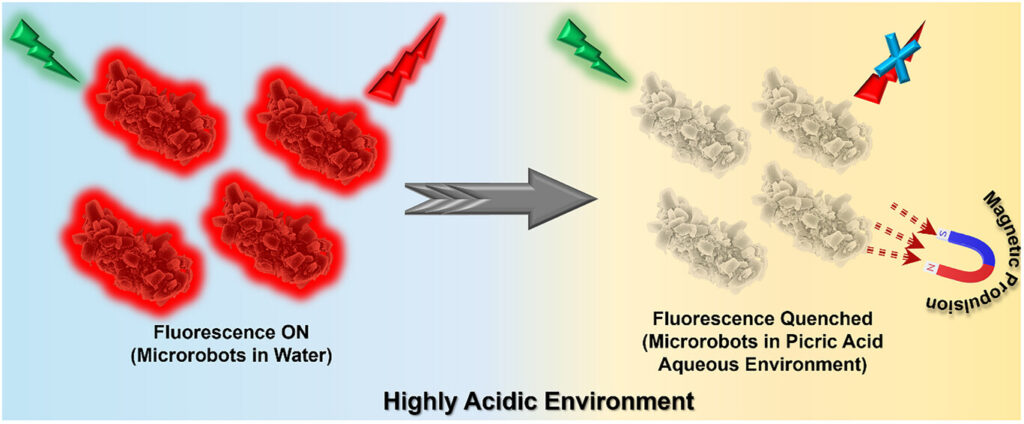
Among various analytical sensing approaches currently in use, fluorescence sensing is known for its high sensitivity, rapid response, and applicability in monitoring a wide range of target molecules. Pairing an appropriate navigation system with a fluorescent molecule that can carry it to inaccessible or hard-to-reach environments can pave the way for remote and selective sensing …

Molecularly Engineered Fluorescent Magnetic Microrobots for Sensing High-Energy Nitroaromatic Explosives in Highly Acidic Aqueous Environments Read More »

Single-Atom Engineering for Next Generation Rechargeable Batteries

Single-atom engineering (SAE) is a promising approach for next-generation rechargeable batteries due to its maximal atom utilization, high catalytic activity, and tunable selectivity. However, the incomplete understanding of the microenvironment of single atoms and their electrochemical behavior limits their practical application in rechargeable batteries. Most existing review articles either discuss battery chemistry or characterization techniques …

Single-Atom Engineering for Next Generation Rechargeable Batteries Read More »

Printing technologies for monitoring crop health

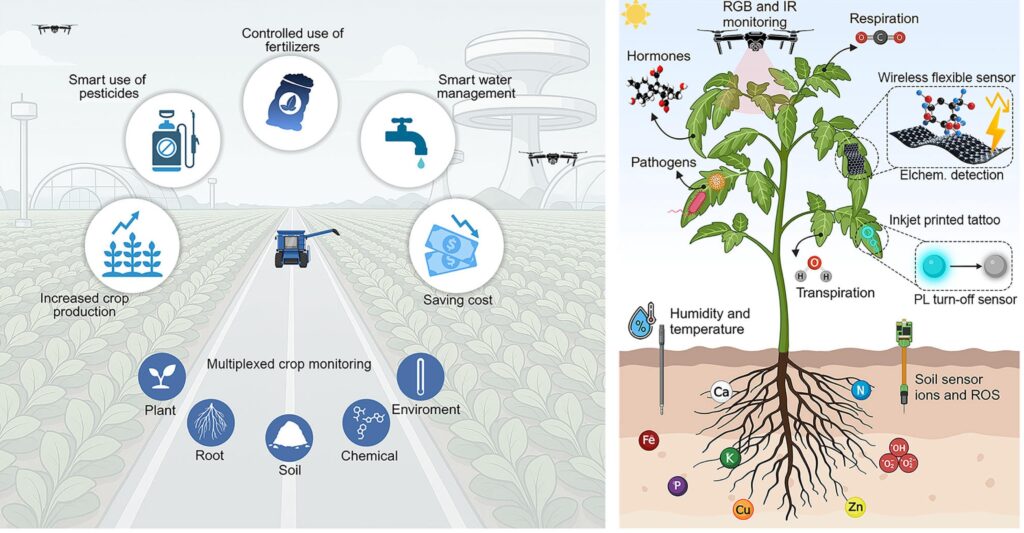
Agricultural production requires low-cost sensors capable of delivering reliable, high-resolution data across large areas. Rising food demand, limited arable land, and severe soil degradation have accelerated the adoption of precision agriculture, which relies on real-time monitoring of soil, plant, and environmental conditions. Central to this shift is the development of scalable sensor technologies enabled by …

Printing technologies for monitoring crop health Read More »

Laser-Induced Microfabrication of Carbon Nanostructure: Processing Mechanism and Application for Next-Generation Battery Technology

Direct laser writing with a single beam of multiple parallel optical configurations facilitate the production of conductive carbon-based nanomaterials, carbon-based catalysts, micropatterned carbon surface, hierarchical 3D porous carbon structure, numerous carbon-based composites, and so on. This chemical-free, cost-effective, binder-free, maskless patterning technology minimizes the environmental impact and enables more sustainable production of diverse carbon-based materials …

Laser-Induced Microfabrication of Carbon Nanostructure: Processing Mechanism and Application for Next-Generation Battery Technology Read More »

Moon Regolith Simulant-Based All-3D-Printed Triboelectric Nanogenerator for Effective Mechanical Energy Conversion

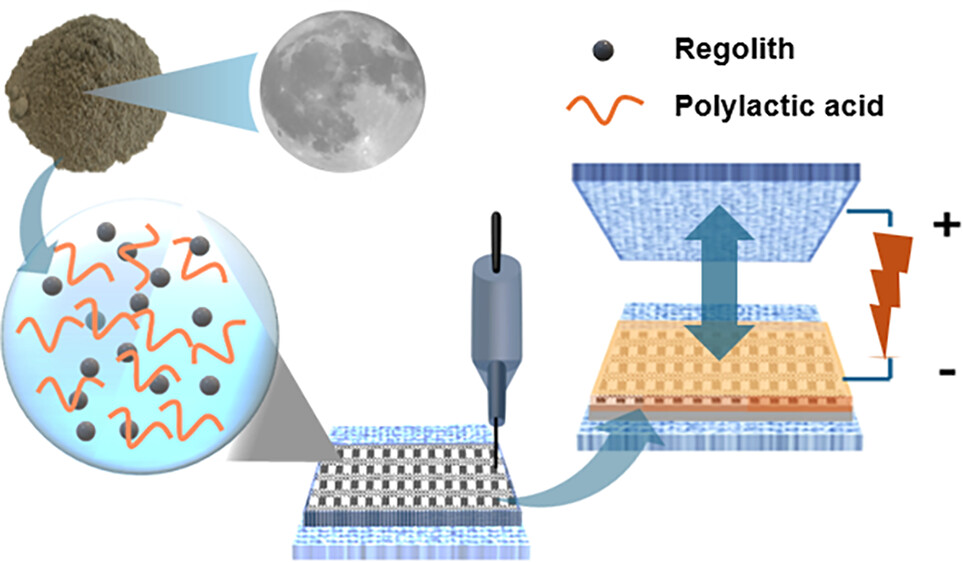
Sustained human activity on the Moon will require energy systems that can be manufactured directly from lunar materials, avoiding the mass and cost constraints of transporting devices from the Earth. Here, we demonstrate a triboelectric nanogenerator (TENG) fabricated using a lunar regolith (LR) simulant as an active triboelectric component through a scalable 3D-printing strategy. LR …

Moon Regolith Simulant-Based All-3D-Printed Triboelectric Nanogenerator for Effective Mechanical Energy Conversion Read More »

Laser-induced enhancement for the detection of isopropyl alcohol in V2CTx MXene films

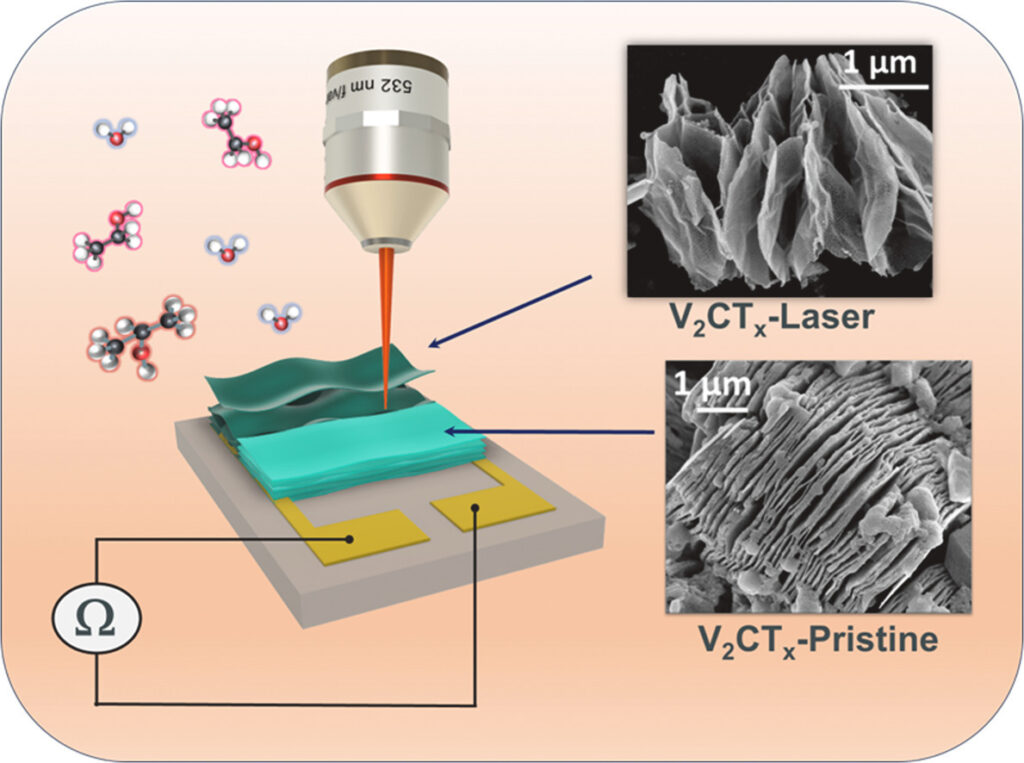
The development of efficient gas sensing material having good sensitivity, working at room temperature, and quick response and recovery is imperative for indoor environmental monitoring, especially for detecting volatile organic compounds (VOC). There has been significant interest in 2D materials for gas sensors owing to their high surface area. However, the sensitivity of these materials …

Laser-induced enhancement for the detection of isopropyl alcohol in V2CTx MXene films Read More »

Roadmap of Flexible Electrodes for Next-Generation Wearable Electronics

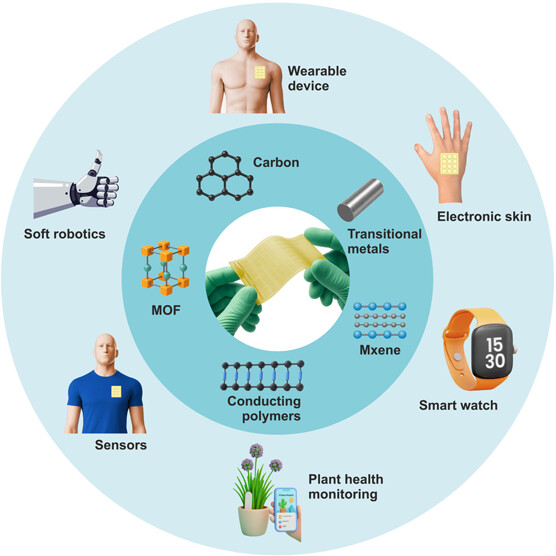
With the rapid growth of smart innovations, flexible electronics recognized for their lightweight, tremendous flexibility, and extraordinary scalability are growing more integrated into our daily life. Flexible electronics, known for their lightweight, high flexibility, and seamless integration with biological and nonbiological systems, are driving advances in wearable and implantable devices. Central to this progress are …

Roadmap of Flexible Electrodes for Next-Generation Wearable Electronics Read More »

Lunar regolith simulant-based triboelectric nanogenerators: Toward sustainable energy harvesting from resources on the moon

The exploration of extraterrestrial materials for energy harvesting, generation and storage is important for futuristic material evolution and use. Thus, study and use of extraterrestrial materials simulants becomes straightforward way to identify potential of those materials. Such as Lunar Regolith Simulants are tested as reference material to explore suitability for construction, solar cell components and …

Lunar regolith simulant-based triboelectric nanogenerators: Toward sustainable energy harvesting from resources on the moon Read More »

Dual electrode-free Zn-MnO2 battery as a future energy source

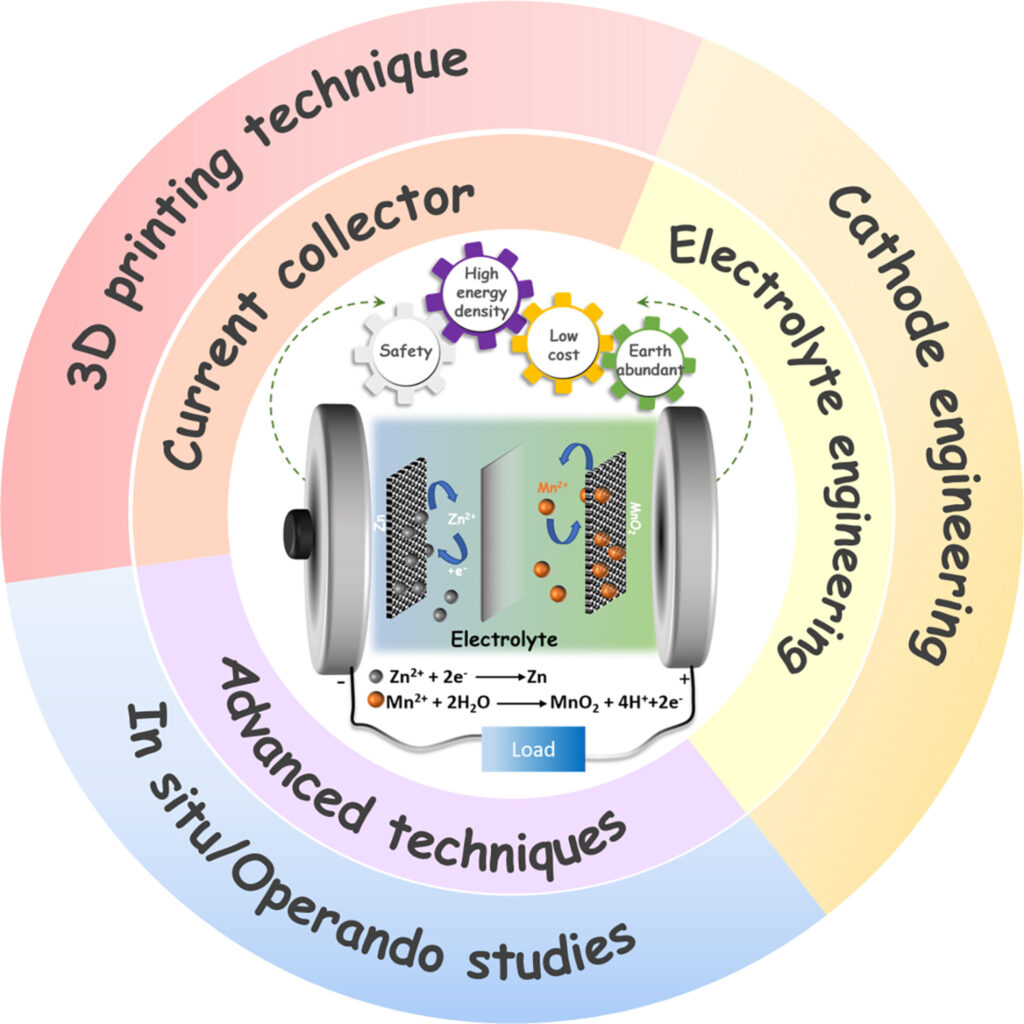
Aqueous rechargeable Zn-MnO2 batteries are considered one of the most promising energy storage systems and have been extensively studied in recent years, owing to their high energy density, low cost, and intrinsic safety. However, the practical application of conventional Zn-MnO2 batteries is hindered by poor cycling stability, corrosion, and unwanted side reactions. Recently, dual electrode-free …

Dual electrode-free Zn-MnO2 battery as a future energy source Read More »

Improving Ni(OH)2 electrocatalysis with graphene quantum dots

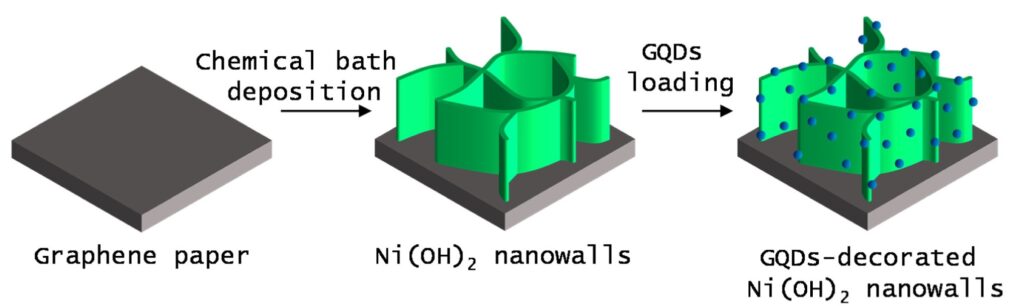
Water splitting is a critical process for sustainable energy transition, involving the electrolysis of water into its constituent elements, hydrogen and oxygen. In this study, we demonstrate the superior electrocatalytic activity of graphene quantum dots (GQDs)-decorated nickel hydroxide (Ni(OH)2) nanostructures for the oxygen evolution reaction (OER) in alkaline media. Ni(OH)2 nanowalls are synthesized on graphene …

Improving Ni(OH)2 electrocatalysis with graphene quantum dots Read More »

Virus Enhanced Microrobots for Biofilm Eradication

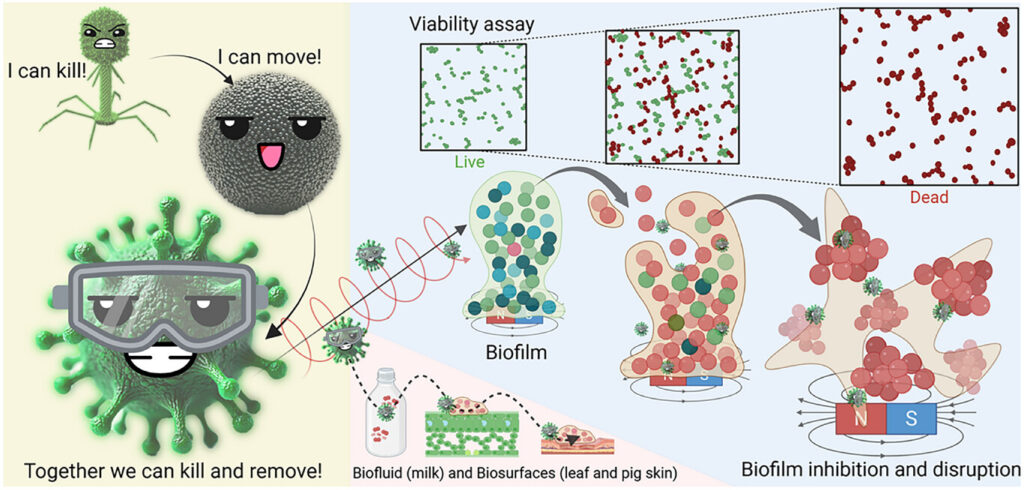
Biofilms pose significant challenges in biomedical, industrial, and environmental applications due to their inherent resistance to antimicrobial agents. This study introduced an innovative and effective strategy for biofilm eradication by employing virus-conjugated microrobots (virus@microbots). These biofunctionalized microrobots are synthesized via the hydrothermal method, followed by the functionalization of the viruses. The synergy of microrobots’ active …

Virus Enhanced Microrobots for Biofilm Eradication Read More »

CRISPR/Cas9-Assisted Microrobots for Fast and Ultrasensitive “On-The-Fly” Next-Generation DNA Detection

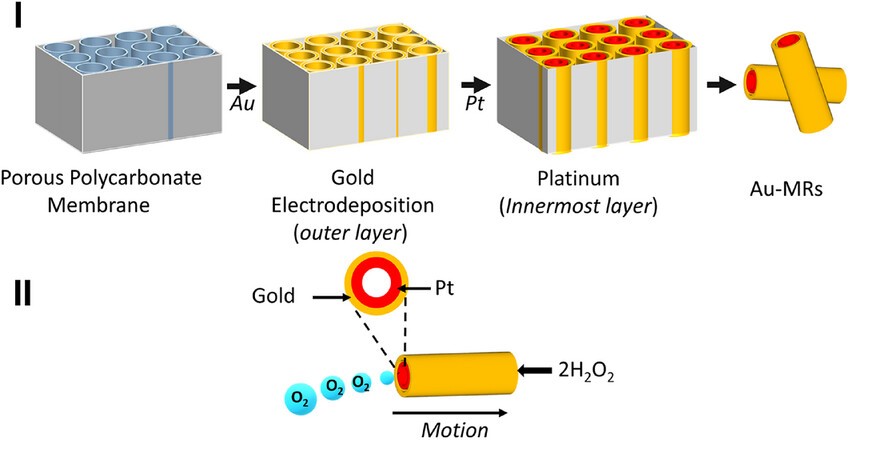
Fast, sensitive, and selective nucleic acids detection is essential for applications in clinical diagnostics, food safety, and environmental monitoring. Hence, in this study, we introduce a novel motion-assisted CRISPR/Cas9 microrobots-based biosensor, consisting of CRISPR/Cas9 functionalized on gold microrobots (Au–MRs) forming CRISPR/Cas9@Au–MRs, which exhibit self-propulsion leading to rapid and ultrasensitive detection of target DNA. The proposed …

CRISPR/Cas9-Assisted Microrobots for Fast and Ultrasensitive “On-The-Fly” Next-Generation DNA Detection Read More »