Year: 2025

Single-Atom Engineering in Room-Temperature Sodium–Sulfur Batteries

Single-atom engineering stands out as one of the most promising solutions for elevating room-temperature Na−S battery technology to meet industrial demands. Integrating atomic-scale design, electronic structure engineering, and system-level optimization can pave the way for a new generation of high-performance, cost-effective, and durable sodium−sulfur batteries. Continued interdisciplinary collaboration spanning theoretical modeling, advanced materials synthesis, and …

Single-Atom Engineering in Room-Temperature Sodium–Sulfur Batteries Read More »

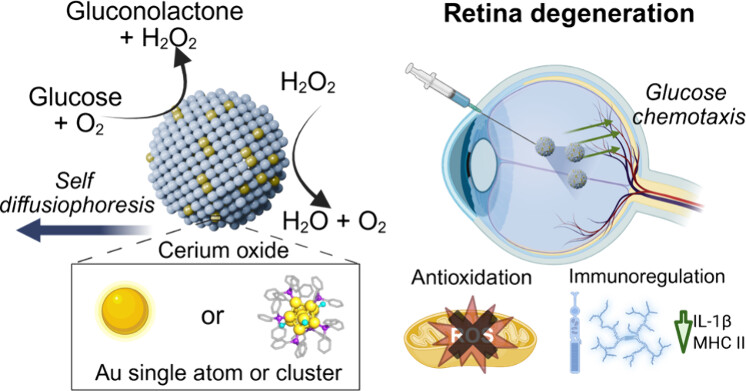
Glucose-Powered Ultrasmall Chemotactic Nanorobots for Retinal Degeneration Treatment

Retinal degeneration poses a growing global health challenge with limited effective treatments. Current options, such as intravitreal injections of therapeutic drugs, are severely constrained by the vitreous humor barrier, a dense, gel-like matrix that limits drug diffusion to the retina. Micro/nanorobots with active propulsion have emerged as promising platforms for targeted drug delivery to overcome …

Glucose-Powered Ultrasmall Chemotactic Nanorobots for Retinal Degeneration Treatment Read More »

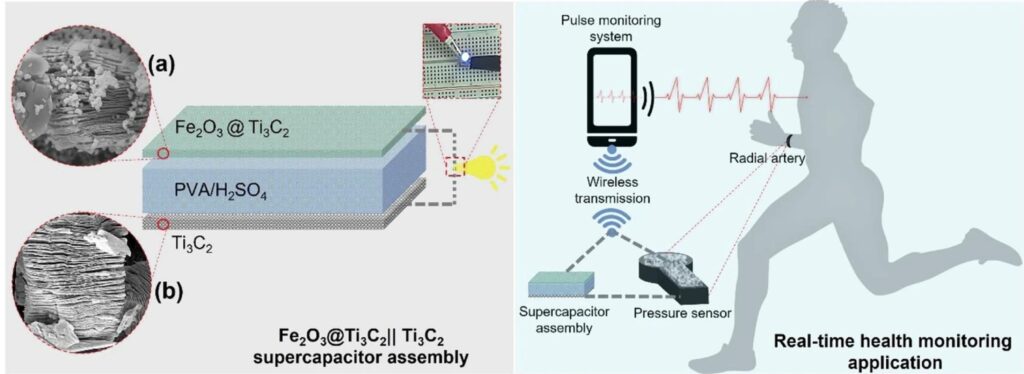
Integrated health monitoring system with flexible asymmetric supercapacitors based on 2D Ti₃C₂ MXene and transitional metal oxides

Developing flexible, lightweight, and portable medical devices for continuous health monitoring requires compact and sustainable energy storage solutions. Traditional devices often rely on bulky wired equipment or battery-powered systems requiring frequent recharging, limiting practicality. We developed a flexible and stable asymmetric supercapacitor using MXene and transition metal oxide nanocomposite. In half cells, the electrolyte was …

Integrated health monitoring system with flexible asymmetric supercapacitors based on 2D Ti₃C₂ MXene and transitional metal oxides Read More »

Copper-Infused MXene from MAX Phase for Enhanced Electrochemical Ammonia Production

The electrochemical conversion of nitrate to value-added ammonia is a green alternative to the energy-intensive Haber–Bosch process. However, due to inefficient catalysts, guiding the reaction route towards selective ammonia synthesis is still challenging. Here, we report a highly efficient Cu-infused V2C catalyst, synthesized via the molten salt synthesis method using selective CuCl2 etching. The optimized …

Copper-Infused MXene from MAX Phase for Enhanced Electrochemical Ammonia Production Read More »

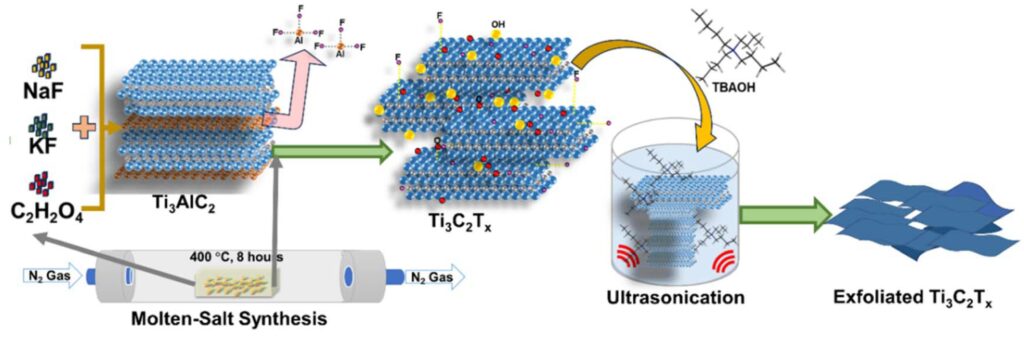
Recyclable HF-free Ti3C2Tx 3D-printed supercapacitors: their second life in sodium-ion batteries

2D MXenes represent a useful class of materials in various applications and the main constraint for their bulk production is the requirement of hazardous hydrogen fluoride (HF) as an etching agent. Molten salt synthesis is one of the emerging HF-free techniques to produce MXenes, where a mixture of etching salts is heated till their melting …

Recyclable HF-free Ti3C2Tx 3D-printed supercapacitors: their second life in sodium-ion batteries Read More »

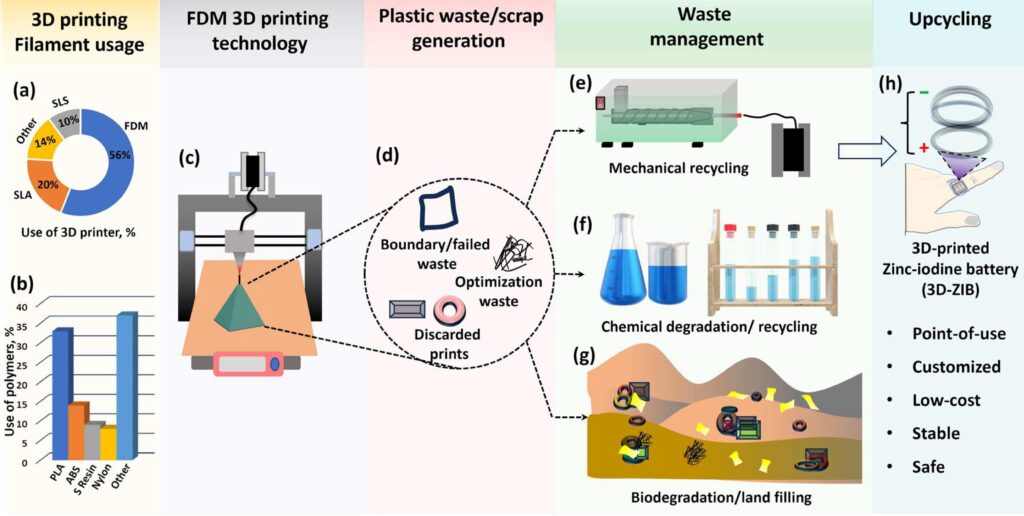
Point-of-use upcycling of 3D printing waste for developing 3D-printed Zn–I2 batteries

Three-dimensional (3D) printing technology is an effective method to fabricate and develop customized and high surface area electrodes for energy storage devices, but it also produces plastic waste and material scraps during printing and optimization. To address this issue, a more sustainable approach beyond traditional chemical recycling or landfilling is essential. In this work, we …

Point-of-use upcycling of 3D printing waste for developing 3D-printed Zn–I2 batteries Read More »

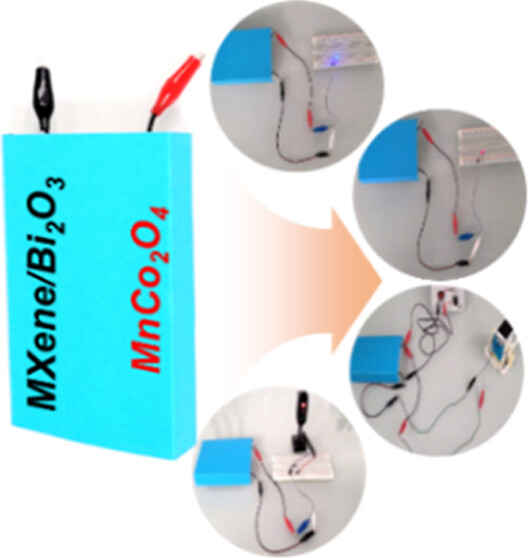
MXene/Bi2O3 Nanocomposites as Supercapacitors for Portable Electronic Devices

2D MXene nanosheets often encounter challenges such as aggregation and restacking, which can significantly decrease their performance in supercapacitor applications. Herein, we prepared the Bi2O3 nanoflowers decorated MXene electrode via the coprecipitation method. The insertion of Bi2O3 nanoflowers over the MXene nanosheet not only effectively resolves the restacking challenge of the MXene nanosheet but also …

MXene/Bi2O3 Nanocomposites as Supercapacitors for Portable Electronic Devices Read More »

A band-aid-based MoSe2/Nb2C wearable supercapacitor for integrated ammonium-ion energy storage and real-time pressure monitoring

The market for wearable electronic devices is rapidly growing, with increasing potential for future development. Researchers around the globe are striving to enhance these devices, focusing on achieving a balance between functionality and wearability to drive commercialization. Supercapacitors are regarded as one of the most promising energy storage technologies, bridging the gap between conventional batteries …
A band-aid-based MoSe2/Nb2C wearable supercapacitor for integrated ammonium-ion energy storage and real-time pressure monitoring Read More »

Influence of oxygen content and structure on graphene derivative-based hydroelectric nanogenerators

Hydroelectric nanogenerators (HENGs) produce clean energy from water as a sustainable source, gaining attention. The performance of HENGs is influenced by the morphology, chemical composition, and structural changes in carbon nanomaterials, which limits electrode design. We explored various graphene nanomaterial structures and oxygen contents, finding that graphene oxide with optimal oxygen content yields the best …

Influence of oxygen content and structure on graphene derivative-based hydroelectric nanogenerators Read More »

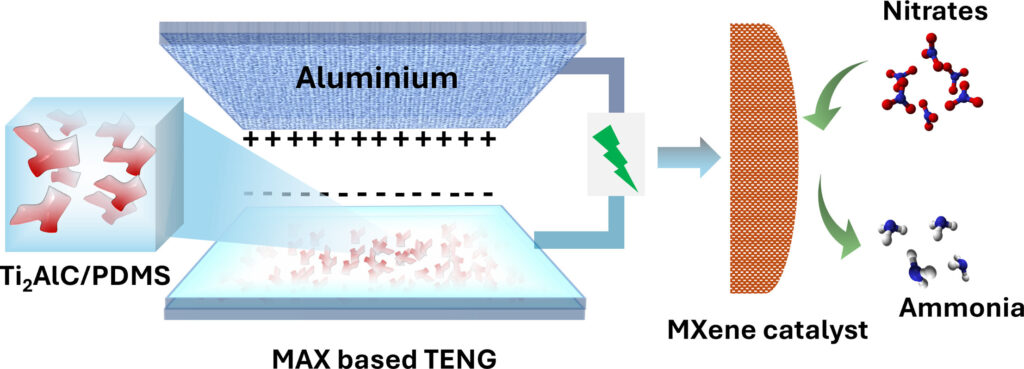
MAX phase metal carbide-enabled triboelectric nanogenerator for integrated ammonia generation

Electrochemical ammonia synthesis at ambient conditions offers a promising and eco-friendly alternative to conventional methods, which are highly energy-intensive and major contributors to global greenhouse gas emissions. To make this approach sustainable, it must be integrated with a renewable, clean, and affordable energy source. Here, we developed an eco-friendly approach to produce electrocatalytic ammonia powered …

MAX phase metal carbide-enabled triboelectric nanogenerator for integrated ammonia generation Read More »

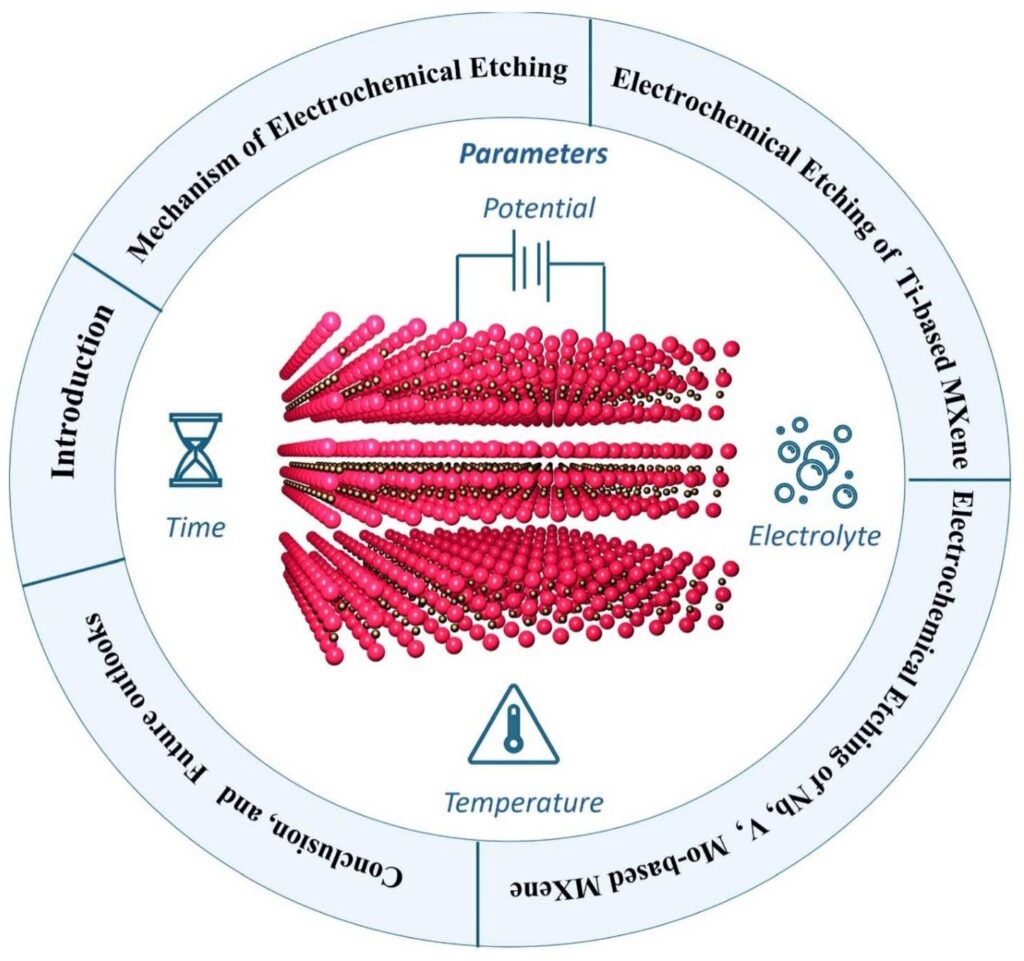
Electrochemical etching of MXenes: mechanism, challenges and future outlooks

Transition metal carbides, nitrides and carbonitrides, commonly known as MXenes, are an astonishing class of two-dimensional materials, offering versatile surface chemistry, high electrical conductivity, tunable band gaps, and a unique layered morphology, which render them highly attractive for multiple applications ranging from energy storage and conversion to biomedical fields. However, recognising the true potential of …

Electrochemical etching of MXenes: mechanism, challenges and future outlooks Read More »

Magnetically Driven Living Microrobot Swarms for Aquatic Micro- and Nanoplastic Cleanup

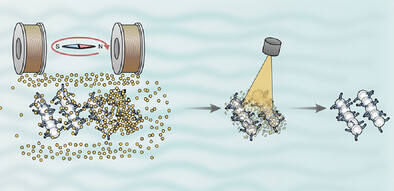
Micro- and nanoplastic pollution is pervasive worldwide, infiltrating drinking water and food chains, accumulating in the human body, and posing serious threats to public health and ecosystems. Despite these urgent challenges, effective strategies to curb the widespread presence of micro- and nanoplastics have not yet been sufficiently developed. Here, we present magnetically driven living bacterial …

Magnetically Driven Living Microrobot Swarms for Aquatic Micro- and Nanoplastic Cleanup Read More »

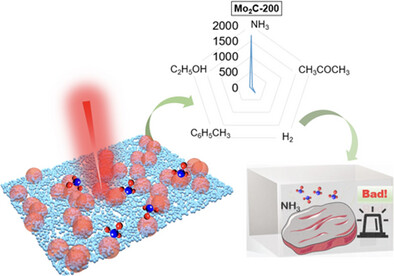
Laser-Assisted Mo2C-Derived Patterned Oxide for Highly Selective Room Temperature Ammonia Sensor for Food Spoilage Monitoring

The need for advanced gas sensors has risen for the detection of hazardous gases, breath analysis, and food industry applications. Transition metal carbides (TMCs), like Mo2C, are novel gas-sensing materials attributed to high electronic conductivity and superior catalytic properties. Poor sensitivity and selectivity are big concerns in TMC-based sensors due to their low specific surface …

Laser-Assisted Mo2C-Derived Patterned Oxide for Highly Selective Room Temperature Ammonia Sensor for Food Spoilage Monitoring Read More »

Technology Roadmap of Micro/Nanorobots

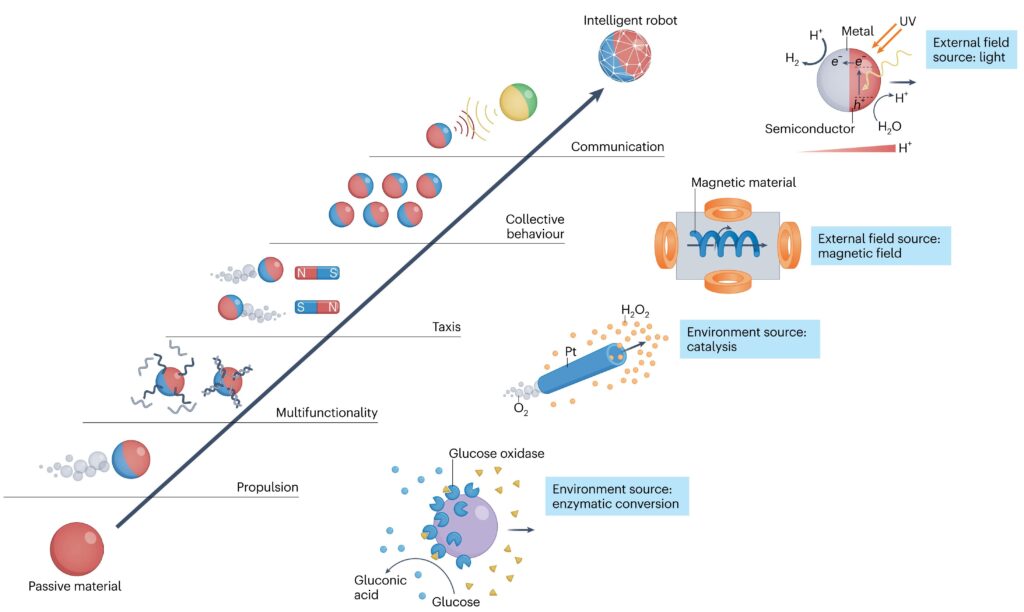
Inspired by Richard Feynman’s 1959 lecture and the 1966 film Fantastic Voyage, the field of micro/nanorobots has evolved from science fiction to reality, with significant advancements in biomedical and environmental applications. Despite the rapid progress, the deployment of functional micro/nanorobots remains limited. This review of the technology roadmap identifies key challenges hindering their widespread use, …

Technology Roadmap of Micro/Nanorobots Read More »

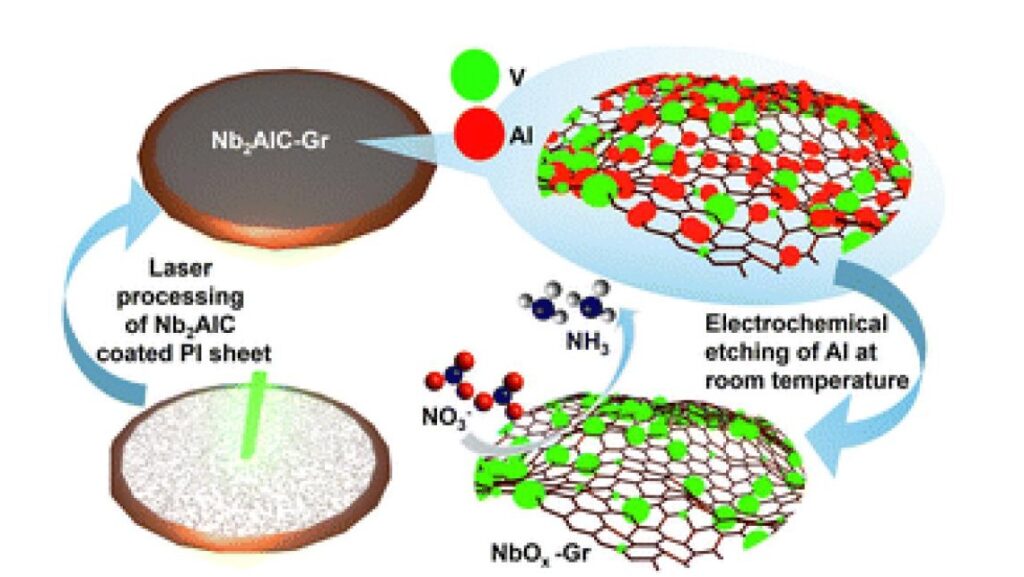
Electrochemical nitrate reduction to ammonia using laser-processed Nb2AlC: the role of effective Al etching

Electrocatalytic nitrate reduction reaction to ammonia (NH3) is a promising approach for generating NH3 compared with the widely used Haber–Bosch process. It offers the advantage of zero carbon emission and helps in recycling nitrate waste. However, the challenge remains in the synthesis and engineering of proficient electrocatalytic materials with high faradaic efficiency and yield rate. …

Electrochemical nitrate reduction to ammonia using laser-processed Nb2AlC: the role of effective Al etching Read More »

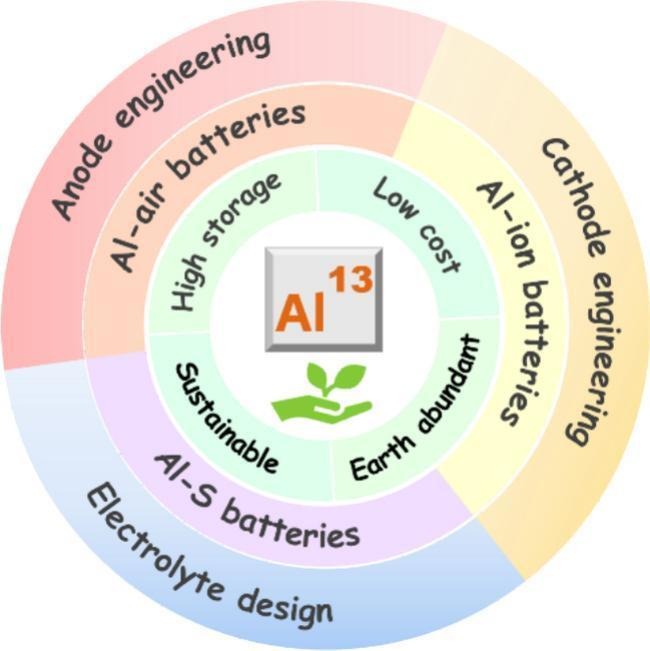
Materials for aluminum batteries: Progress and challenges

Aluminum battery technologies, including Al-air, Al-ion, and Al-sulfur (Al-S), are considered promising energy storage systems because of their high theoretical capacity, abundance of resources, low cost, and environmental friendliness. Despite these benefits, there are still some critical challenges such as the formation of passivation layers, anodic corrosion, poor electrochemical performance, the polysulfide shuttle effect, and …

Materials for aluminum batteries: Progress and challenges Read More »

Topological Insulator Layered Bi2Te3 Based 3D-Printed Nanocarbon Electrode for Rechargeable Aqueous Ammonium-Ion Battery

Rechargeable aqueous ammonium-ion batteries (AIBs) hold great potential for sustainable energy storage due to their low cost, high safety, and outstanding electrochemical characteristics. However, their development is hindered by the limited availability of suitable anode materials. Herein, we propose for the first time the use of a topological insulator, bismuth telluride (Bi2Te3), as a novel …

Topological Insulator Layered Bi2Te3 Based 3D-Printed Nanocarbon Electrode for Rechargeable Aqueous Ammonium-Ion Battery Read More »

Single-Atom Colloidal Nanorobotics Enhanced Stem Cell Therapy for Corneal Injury Repair

Corneal repair using mesenchymal stem cell therapy faces challenges due to long-term cell survival issues. Here, we design cerium oxide with gold single-atom-based nanorobots (CeSAN-bots) for treating corneal damage in a synergistic combination with stem cells. Powered by glucose, CeSAN-bots exhibit enhanced diffusion and active motion due to the cascade reaction catalyzed by gold and …

Single-Atom Colloidal Nanorobotics Enhanced Stem Cell Therapy for Corneal Injury Repair Read More »

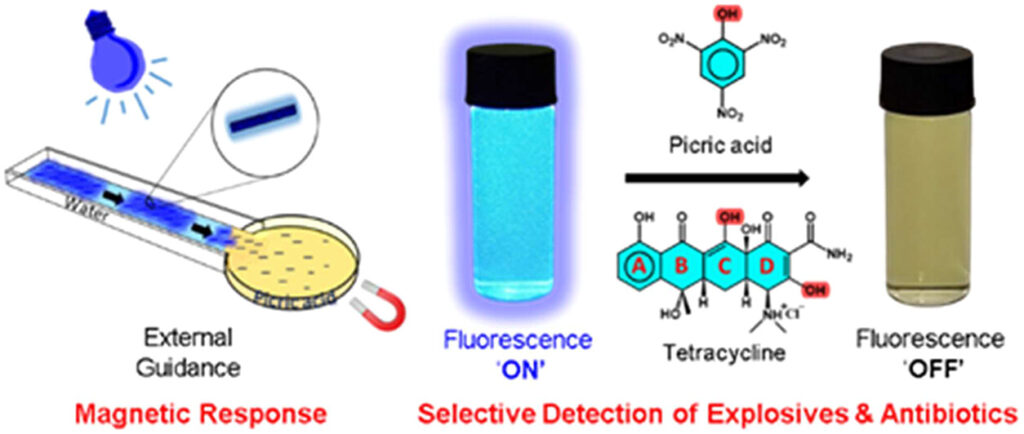
Magneto-Fluorescent Microrobots with Selective Detection Intelligence for High-Energy Explosives and Antibiotics in Aqueous Environments

Fluorescence-based sensing is a straightforward and powerful technique with high sensitivity for the detection of a wide range of chemical and biological analytes. Integrating the high sensing capabilities of fluorescent probes with wireless navigation systems can enable the extension of their operational range, even in challenging scenarios with limited accessibility or involving hazardous substances. This …
Magneto-Fluorescent Microrobots with Selective Detection Intelligence for High-Energy Explosives and Antibiotics in Aqueous Environments Read More »

Nanorobot-Cell Communication via In Situ Generation of Biochemical Signals: Toward Regenerative Therapies

Achieving precise control of cellular processes drives possibilities for next-generation therapeutic approaches. However, existing technologies for influencing cell behavior primarily rely on specific drug delivery, limiting their ability to mimic natural cellular communication processes. In this work, we developed glucose-powered gold-silica (Au-SiO2) nanorobots that induce cell migration by generating steady-state hydrogen peroxide (H2O2) as a …
Nanorobot-Cell Communication via In Situ Generation of Biochemical Signals: Toward Regenerative Therapies Read More »

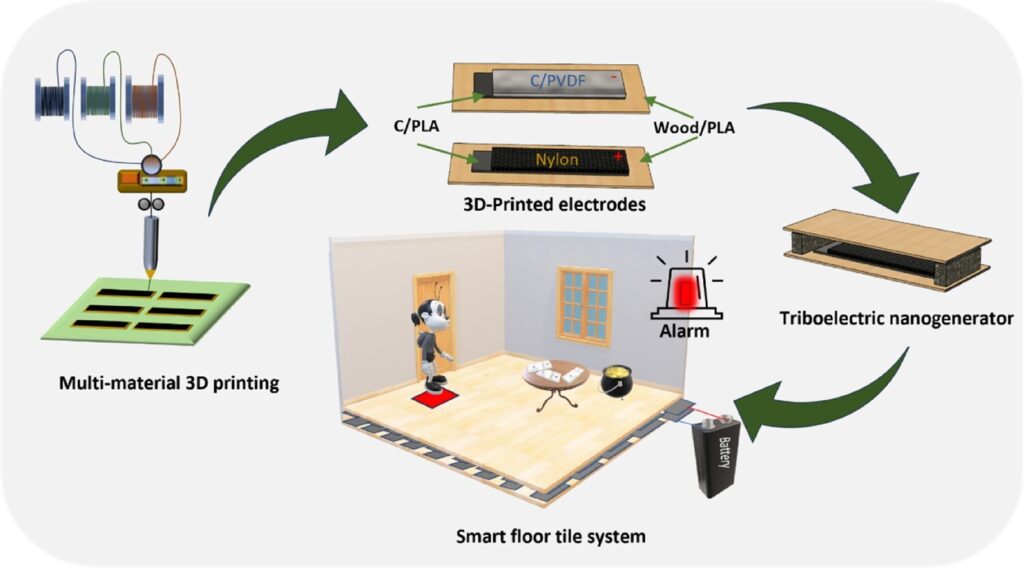
Multi-material 3D printed smart floor tiles with triboelectric energy generation and security monitoring

With the growing demand for integrated smart home systems driven by advancements in the Internet of Things (IoT) and smart city initiatives, the need for efficient, simple, and self-sustaining sensors has become essential. Triboelectric nanogenerators (TENGs) have recently emerged as a promising device for both energy harvesting and sensing. However, the fabrication of different TENG …
Multi-material 3D printed smart floor tiles with triboelectric energy generation and security monitoring Read More »

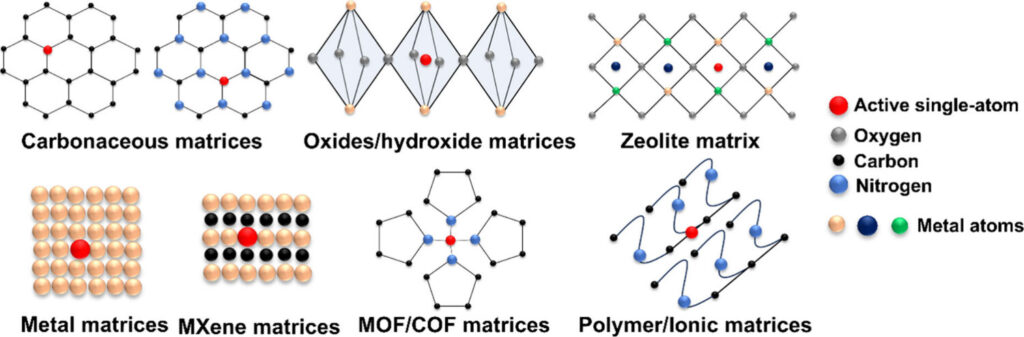
Single Atom Engineering for Electrocatalysis: Fundamentals and Applications

The global transition to sustainable energy production revolves around innovations in electrocatalysis, the cornerstone of energy conversion technologies. Over the years, catalysts have evolved from bulk materials to nanoparticles (NPs) and nanoclusters (NCs), culminating in single-atom catalysts (SACs), which represent the peak of catalyst engineering. SACs have revolutionized electrocatalytic processes by maximizing atom efficiency and …

Single Atom Engineering for Electrocatalysis: Fundamentals and Applications Read More »

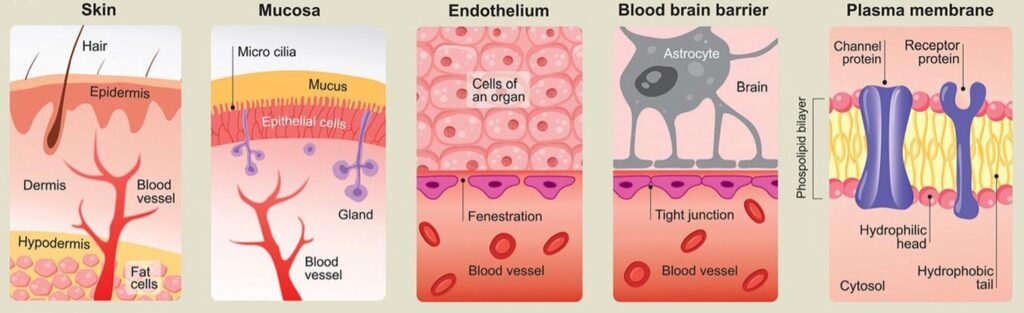
Translational nanorobotics breaking through biological membranes

In the dynamic realm of translational nanorobotics, the endeavor to develop nanorobots carrying therapeutics in rational in vivo applications necessitates a profound understanding of the biological landscape of the human body and its complexity. Within this landscape, biological membranes stand as critical barriers to the successful delivery of therapeutic cargo to the target site. Their …

Translational nanorobotics breaking through biological membranes Read More »

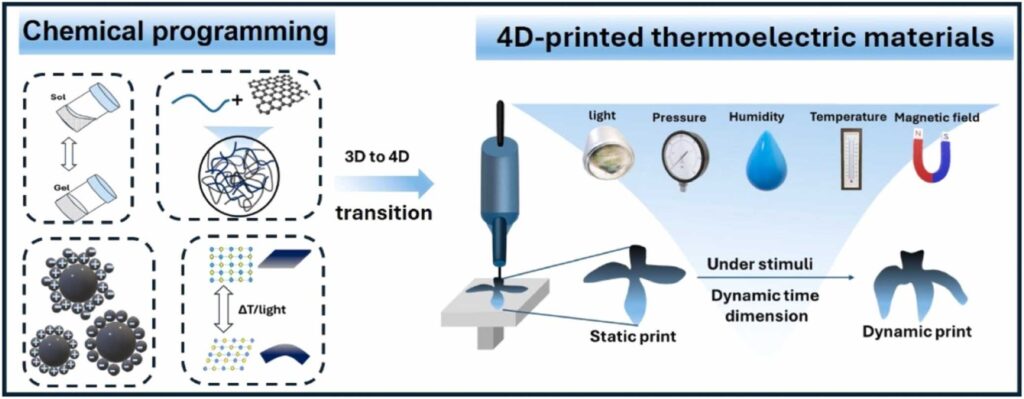
Chemical programming for micro- and nanoarchitectonics of 3D/4D-printed thermoelectric materials

Thermoelectric (TE) materials are important for TE devices that enable waste heat/cold harvesting, energy storage, and thermal sensing applications. Although significant development has been made in TE materials discovery, fabrication methods and designs for TE devices and modules remain a challenge. Recently, three-dimensional (3D) and four-dimensional (4D) printing of TE materials have become essential tools …

Chemical programming for micro- and nanoarchitectonics of 3D/4D-printed thermoelectric materials Read More »

Microrobots for Antibiotic-Resistant Staphylococcus aureus Skin Colony Eradication

Self-propelled nano- and micromachines have immense potential as autonomous seek-and-act devices in biomedical applications. In this study, we present microrobots constructed with inherently biocompatible materials and propulsion systems tailored to skin-related applications. Addressing the significant treatment challenge posed by methicillin-resistant Staphylococcus aureus (MRSA) skin infections, we demonstrate that photocatalytic titanium dioxide microrobots decorated with silver …

Microrobots for Antibiotic-Resistant Staphylococcus aureus Skin Colony Eradication Read More »

High-entropy alloys: Electrochemical Nanoarchitectonics toward high-performance Water splitting

High-entropy alloys (HEAs) offer unprecedented catalytic properties over single-composition nanoparticles or single atom engineered materials. Traditionally, the Hume–Rothery rule suggests that only size-and-structure similar elements can be mixed in conventional alloying, which limits the possible combinations of alloying elements. Here we propose an electrochemical approach as an innovative and alternative synthetic method for preparation of …

High-entropy alloys: Electrochemical Nanoarchitectonics toward high-performance Water splitting Read More »

Light-Programmable g-C3N4 Microrobots with Negative Photogravitaxis for Photocatalytic Antibiotic Degradation

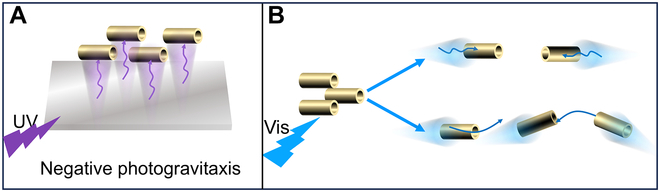
Microrobots enhance contact with pollutants through their movement and flow-induced mixing, substantially improving wastewater treatment efficiency beyond traditional diffusion-limited methods. g-C3N4 is an affordable and environmentally friendly photocatalyst that has been extensively researched in various fields such as biomedicine and environmental remediation. However, compared to other photocatalytic materials like TiO2 and ZnO, which are widely …

Light-Programmable g-C3N4 Microrobots with Negative Photogravitaxis for Photocatalytic Antibiotic Degradation Read More »

Active Microrobots for Dual Removal of Biofilms via Chemical and Physical Mechanisms

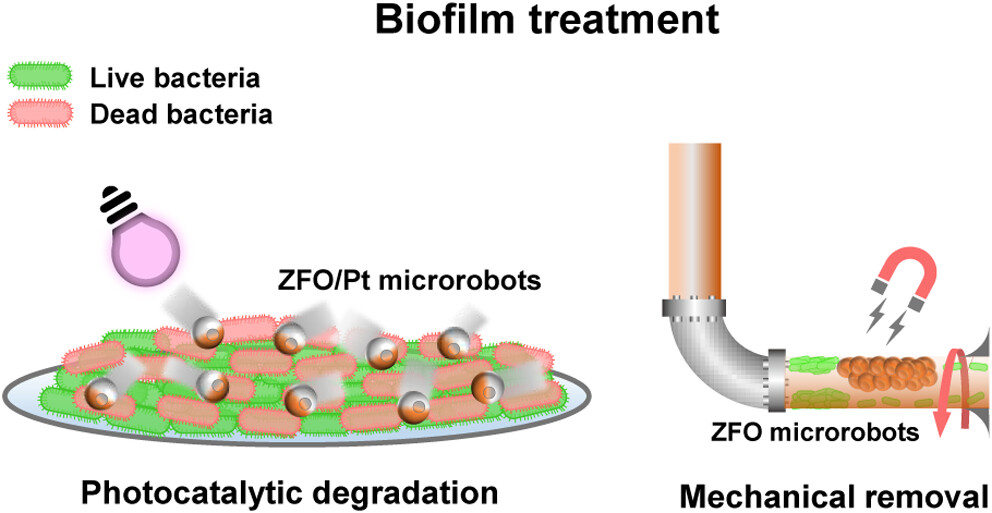
Bacterial biofilms are complex multicellular communities that adhere firmly to solid surfaces. They are widely recognized as major threats to human health, contributing to issues such as persistent infections on medical implants and severe contamination in drinking water systems. As a potential treatment for biofilms, this work proposes two strategies: (i) light-driven ZnFe2O4 (ZFO)/Pt microrobots …

Active Microrobots for Dual Removal of Biofilms via Chemical and Physical Mechanisms Read More »

Exploring the electrochemistry of Al3+ ion in amorphous Bi4V2O11 for rechargeable aqueous aluminum-ion battery

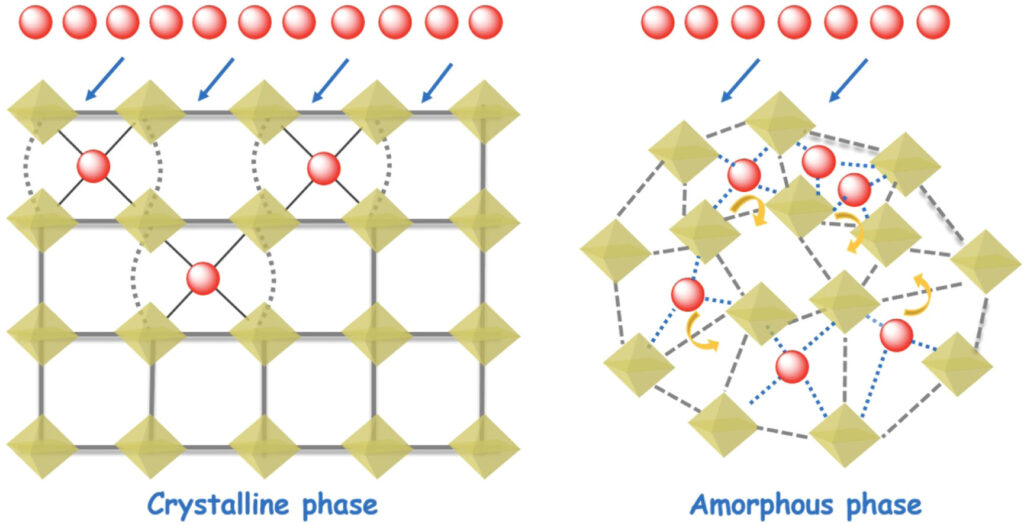
Amorphous materials are receiving considerable interest in rechargeable batteries, primarily due to their inherent isotropic properties and abundant defects, which facilitates ion diffusion and make them highly suitable for rechargeable batteries. However, there is a significant lack of study on amorphous materials for rechargeable aqueous aluminium-ion batteries. Herein, we investigate the electrochemical activity of amorphous …

Exploring the electrochemistry of Al3+ ion in amorphous Bi4V2O11 for rechargeable aqueous aluminum-ion battery Read More »

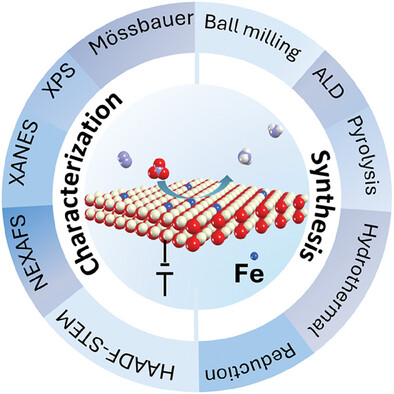
Iron Single Atom Catalysts for Electrochemical Ammonia Synthesis: Toward Carbon Free Hydrogen Storage

Ammonia plays a pivotal role globally, profoundly impacting human activities, especially in agriculture, chemical production, and the textile sector. As the most efficient carbon-free hydrogen carrier, ammonia is vital for transporting energy over long distances. Haber-Bosch process producing ammonia from nitrogen accounts for ≈2% of global energy production. Electrochemical conversion offers a sustainable, long-term solution …

Iron Single Atom Catalysts for Electrochemical Ammonia Synthesis: Toward Carbon Free Hydrogen Storage Read More »

Corrosion-Resistant Shape-Programmable Zn–I2 Battery

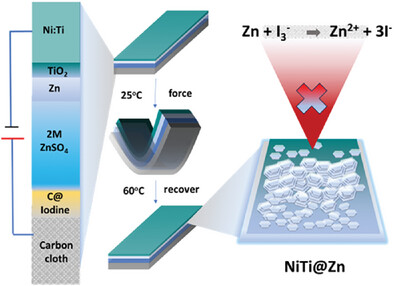
Zinc–iodine (Zn–I2) batteries are promising, low-cost and safe aqueous rechargeable energy storage devices. An iodide shuttle-induced corrosion and poor zinc (Zn) stripping/plating often result in a limited battery lifetime, urges the development of multifunctional Zn anodes. To overcome these problems, here multifunctional Zn-anode is demonstrated with shape-programmability and uniform Zn morphology along low-indexed (002) crystal …

Corrosion-Resistant Shape-Programmable Zn–I2 Battery Read More »

Topological Insulator Bi2Te3 Anode for Aqueous Aluminum-Ion Batteries: Unveiling the Role of Hydronium Ions

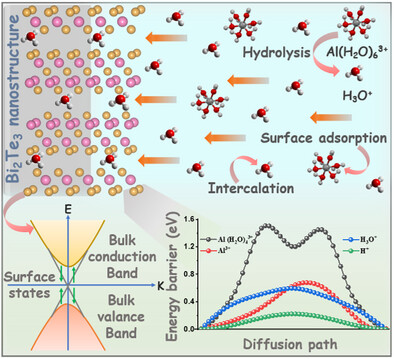
The primary scientific challenge in advancing aqueous aluminum-ion batteries (AAIBs) is achieving reversible plating/stripping of the Al metal anode, limited by its low deposition potential (−1.667 V vs SHE) and surface passivation in the aqueous electrolyte. To address this issue, polypyrrole (PPy) decorated topological quantum insulator (Bi2Te3@PPy) is introduced as a novel anode in AAIBs. …

Topological Insulator Bi2Te3 Anode for Aqueous Aluminum-Ion Batteries: Unveiling the Role of Hydronium Ions Read More »

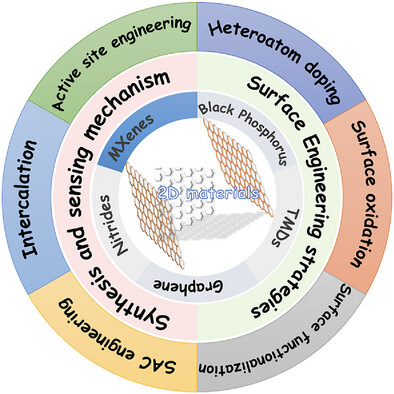
Surface-Engineered 2D Nanomaterials in Gas Sensors: Advancement and Challenges

2D nanomaterials like transition metal dichalcogenides (TMDs), MXene, nitrides, and black phosphorus-based gas sensors have garnered extensive attention in recent decades. The extra ordinary physicochemical and electrical properties of 2D nanomaterials make them highly sensitive toward gas molecules at room temperature. However, despite their potential, the current gas sensing technology suffers from inadequate selectivity, inaccurate …

Surface-Engineered 2D Nanomaterials in Gas Sensors: Advancement and Challenges Read More »

MXene-Based Nanocomposites for Supercapacitors: Fundamentals and Applications

MXene-based nanocomposite materials with other 2D materials have made a large impact in the field of energy storage, particularly in the area of supercapacitors. Combining conductive 2D MXene with other 2D materials, such as transition metal oxide, transition metal dichalcogenides, and layered double hydroxide, improves the electrochemical energy storage properties of resulting MXene-based nanocomposites. The …

MXene-Based Nanocomposites for Supercapacitors: Fundamentals and Applications Read More »

Magnetically Propelled Microrobots toward Photosynthesis of Green Ammonia from Nitrates

Ammonia (NH₃) production is a critical industrial process, as ammonia is a key component in fertilizers, essential for global agriculture and food production. However, the current method of synthesizing ammonia, the Haber-Bosch process, is highly energy-intensive, and relies on fossil fuels, contributing substantially to greenhouse gas emissions. Moreover, the centralized nature of the Haber-Bosch process …

Magnetically Propelled Microrobots toward Photosynthesis of Green Ammonia from Nitrates Read More »

3D-Printed Nanocarbon Polymer Conductive Structures for Electromagnetic Interference Shielding

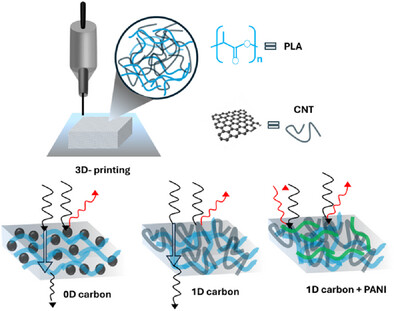
Electromagnetic interference (EMI) significantly affects the performance and reliability of electronic devices. Although current metallic shielding materials are effective, they have drawbacks such as high density, limited flexibility, and poor corrosion resistance that limit their wider application in modern electronics. This study investigates the EMI shielding properties of 3D-printed conductive structures made from polylactic acid …

3D-Printed Nanocarbon Polymer Conductive Structures for Electromagnetic Interference Shielding Read More »

High-throughput Photoactive Magnetic Microrobots for Food Quality Control

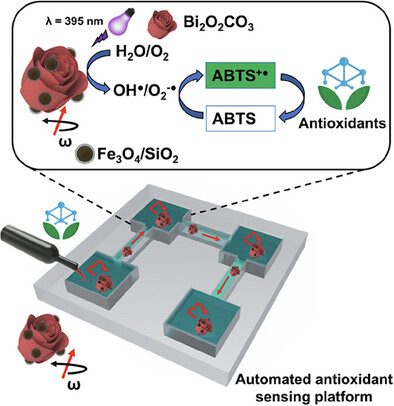
Ensuring food quality and safety according to stringent global standards requires analytical procedures that are accurate, cost-effective, and efficient. This present innovative high-throughput microrobots designed for the detection of antioxidants in food samples. These microrobots consist of photocatalytic bismuth subcarbonate anchored on silica-coated magnetite nanoparticles. Upon exposure to UV light, they generate reactive oxygen species …

High-throughput Photoactive Magnetic Microrobots for Food Quality Control Read More »

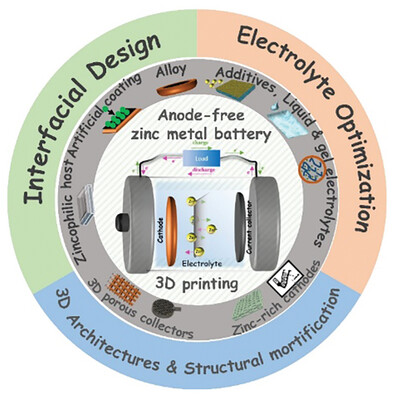
Anode Free Zinc-Metal Batteries (AFZMBs): A New Paradigm in Energy Storage

In the past few years, aqueous zinc-metal batteries (ZMBs) have gained much attention and can be regarded as a potential alternative to lithium-metal batteries owing to their high safety, nature of abundance, and environmental sustainability. However, several challenges persist, including dendrite formation, corrosion, and unwanted side reactions, before ZMBs can be fully utilized in practical …

Anode Free Zinc-Metal Batteries (AFZMBs): A New Paradigm in Energy Storage Read More »

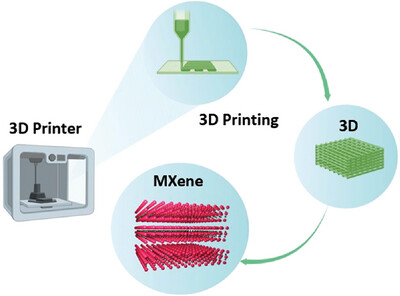
MXene 3D/4D Printing: Ink Formulation and Electrochemical Energy Storage Applications

2D MXenes are a rapidly expanding class of 2D materials with a broad spectrum of electrochemical applications, particularly in the electrochemical energy storage area. Concurrently, 3D and 4D printing techniques have garnered significant research attention offering customized designs, rapid prototyping, and cost-effective scalable production. Integrating MXene into the 3D/4D printed structures offers a promising path …

MXene 3D/4D Printing: Ink Formulation and Electrochemical Energy Storage Applications Read More »

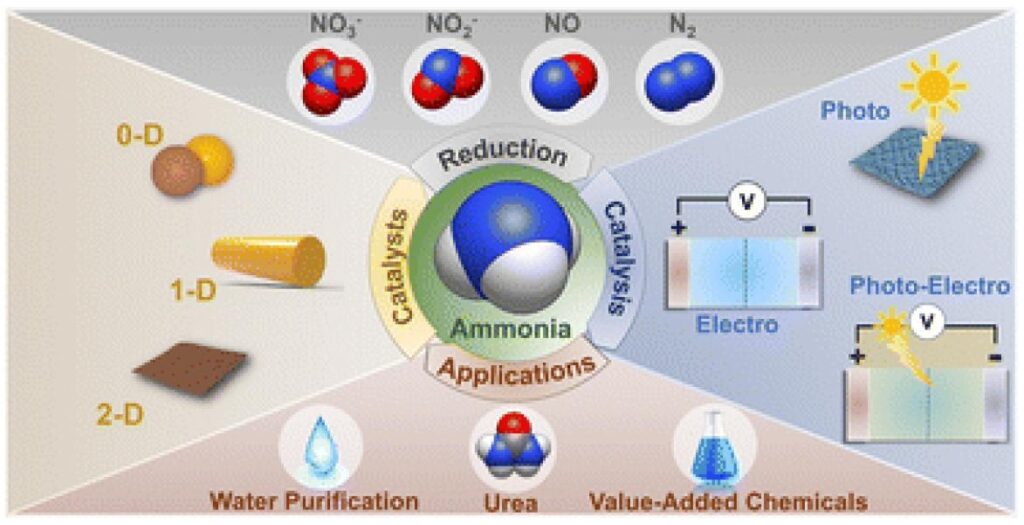
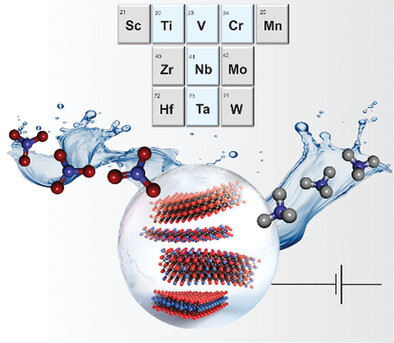
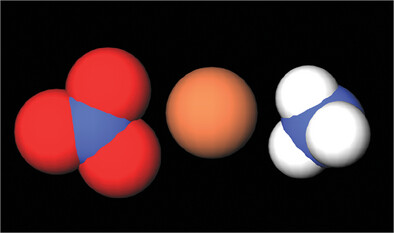
Periodic Table Exploration of MXenes for Efficient Electrochemical Nitrate Reduction to Ammonia

Applying electrochemical nitrate reduction reaction (NO3RR) to produce ammonia offers a sustainable alternative to the energy-intensive Haber-Bosch process, which is crucial for clean energy and agricultural applications. While 2D MXenes hold great promise as electrocatalysts for NO3RR, their application for ammonia production remains underexplored. This study combines experimental and theoretical approaches to evaluate the catalytic …

Periodic Table Exploration of MXenes for Efficient Electrochemical Nitrate Reduction to Ammonia Read More »

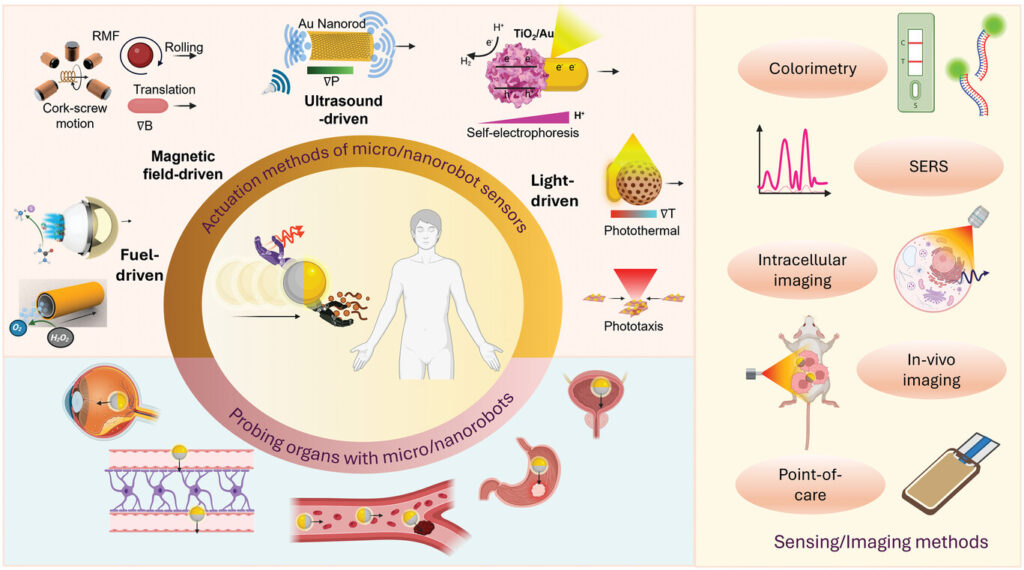
Micro/Nanorobots for Advanced Light-Based Biosensing and Imaging

Sensing and imaging of biomolecules are crucial to disease diagnosis, prognosis, and therapy where optical techniques have essential utility. Untethered and remotely controlled micro/nanorobots have shown promising sensing and imaging capabilities, especially in complex biological environments. In this review, how micro/nanorobots are used for optical biosensing and imaging while highlighting the significant developments in the …

Micro/Nanorobots for Advanced Light-Based Biosensing and Imaging Read More »