Year: 2023

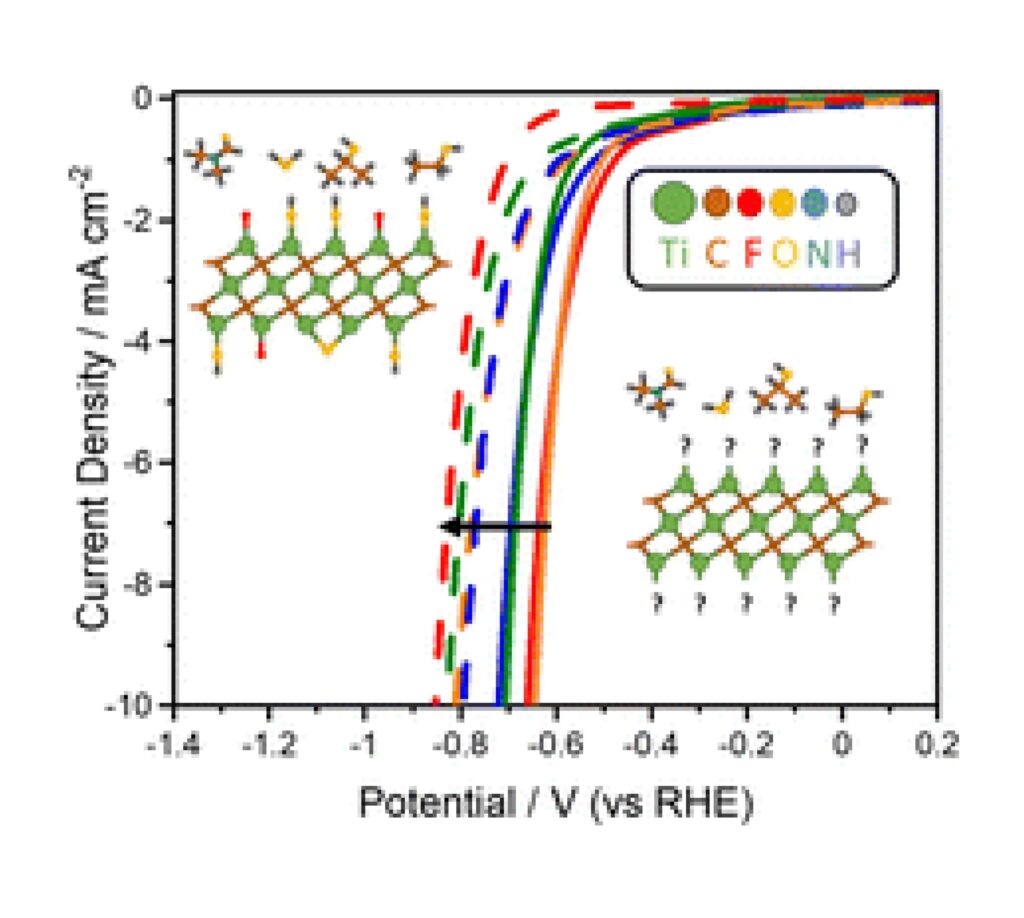
Solvents dramatically influence the atomic composition and catalytic properties of Ti3C2Tx MXenes

A fast-growing family of two-dimensional materials, MXenes, has drawn much attention due to their excellent catalytic properties and wide range of applications. One of the most common ways to work with powder-based materials, such as Ti3C2Tx MXenes, consists in the dispersion of the catalytic materials in various solvents followed by drop-casting of the prepared suspensions …
Solvents dramatically influence the atomic composition and catalytic properties of Ti3C2Tx MXenes Read More »

Smart micro- and nanorobots for water purification

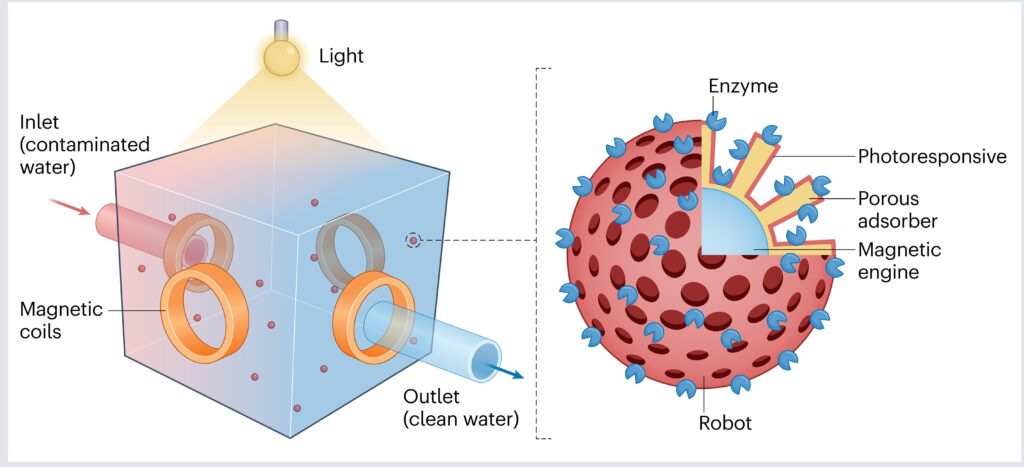
Less than 1% of Earth’s freshwater reserves is accessible. Industrialization, population growth and climate change are further exacerbating clean water shortage. Current water-remediation treatments fail to remove most pollutants completely or release toxic by-products into the environment. The use of self-propelled programmable micro- and nanoscale synthetic robots is a promising alternative way to improve water …

Smart micro- and nanorobots for water purification Read More »

Magnetic Hydrogel Microrobots as Insecticide Carriers for In Vivo Insect Pest Control in Plants

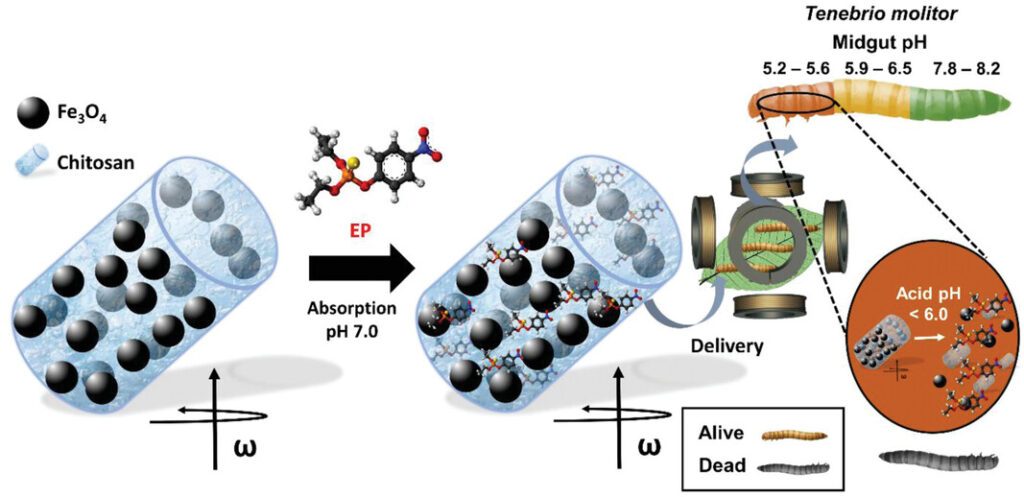
The cost of insect pests to human society exceeds USD70 billion per year worldwide in goods, livestock, and healthcare services. Therefore, pesticides are needed to prevent insect damage despite the secondary effects of these chemical agents on non-target organisms. Chemicals encapsulation into carriers is a promising strategy to improve their specificity. Hydrogel-based microrobots show enormous …
Magnetic Hydrogel Microrobots as Insecticide Carriers for In Vivo Insect Pest Control in Plants Read More »

Quantum Material-Based Self-Propelled Microrobots for the Optical “On-the-Fly” Monitoring of DNA

Quantum dot-based materials have been found to be excellent platforms for biosensing and bioimaging applications. Herein, self-propelled microrobots made of graphene quantum dots (GQD–MRs) have been synthesized and explored as unconventional dynamic biocarriers toward the optical “on-the-fly” monitoring of DNA. As a first demonstration of applicability, GQD–MRs have been first biofunctionalized with a DNA biomarker …
Quantum Material-Based Self-Propelled Microrobots for the Optical “On-the-Fly” Monitoring of DNA Read More »

Heterolayered carbon allotrope architectonics via multi-material 3D printing for advanced electrochemical devices

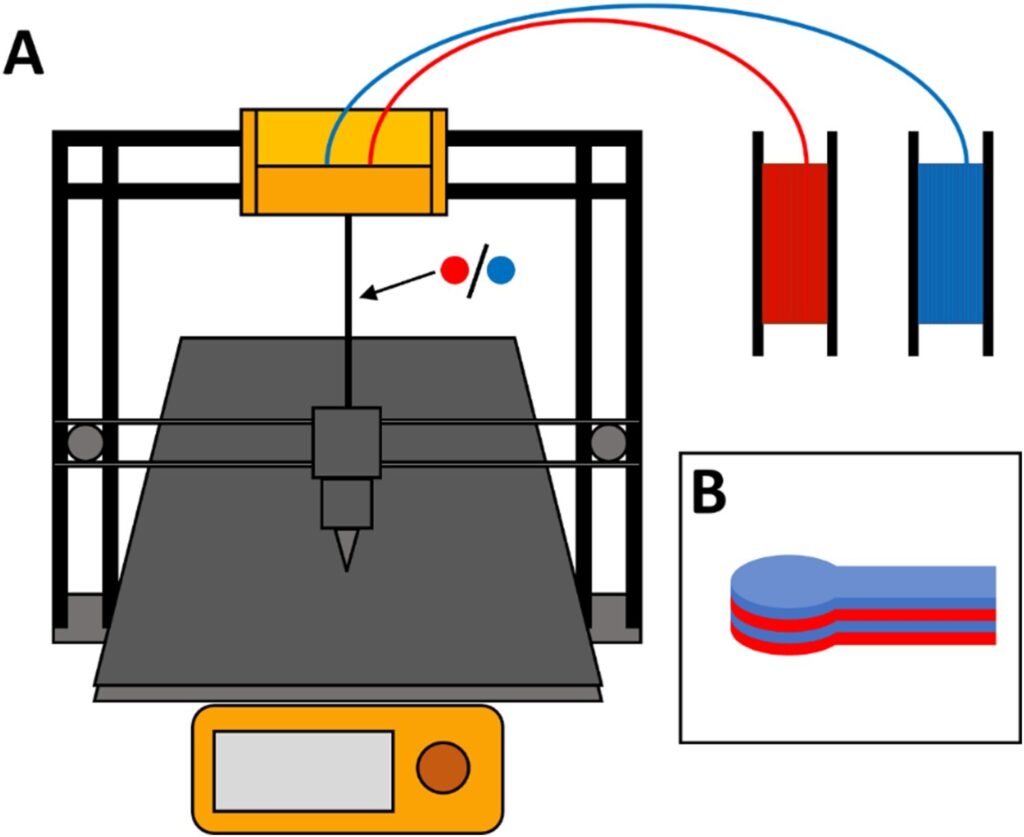
3D printing has become a powerful technique in electrochemistry for fabricating electrodes, thanks to readily available conductive nanocomposite filaments, such as those based on carbon fillers (i.e., carbon nanotubes (CNTs) or carbon black (CB)) within an insulating polymeric matrix like polylactic acid (PLA). Inspired by inorganic heterostructures that enhance the functional characteristics of nanomaterials, we …
Heterolayered carbon allotrope architectonics via multi-material 3D printing for advanced electrochemical devices Read More »

Reconfigurable self-assembly of photocatalytic magnetic microrobots for water purification

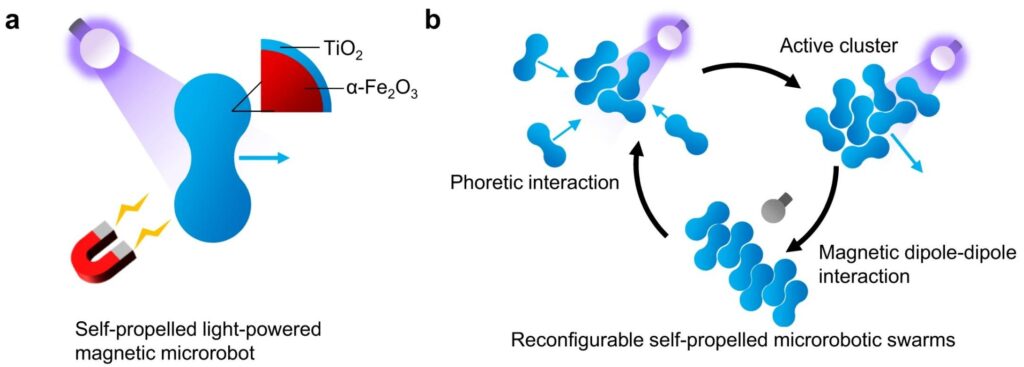
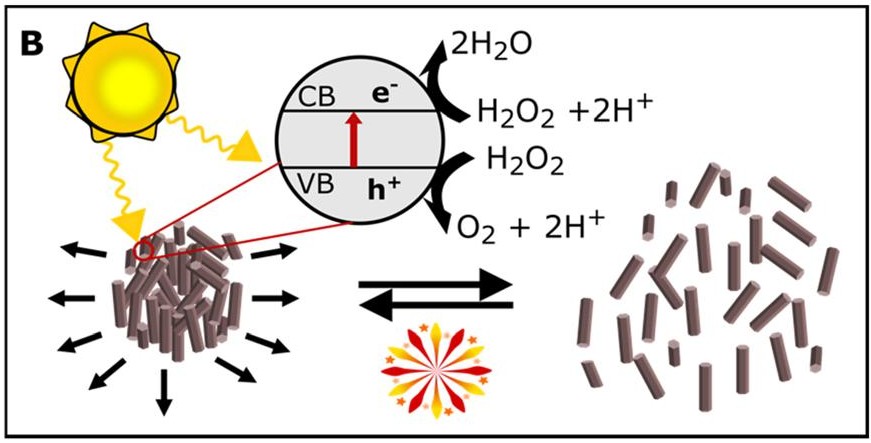
The development of artificial small-scale robotic swarms with nature-mimicking collective behaviors represents the frontier of research in robotics. While microrobot swarming under magnetic manipulation has been extensively explored, light-induced self-organization of micro- and nanorobots is still challenging. This study demonstrates the interaction-controlled, reconfigurable, reversible, and active self-assembly of TiO2/α-Fe2O3 microrobots, consisting of peanut-shaped α-Fe2O3 (hematite) …

Reconfigurable self-assembly of photocatalytic magnetic microrobots for water purification Read More »

Laser-Induced MXene-Functionalized Graphene Nanoarchitectonics-Based Microsupercapacitor for Health Monitoring Application

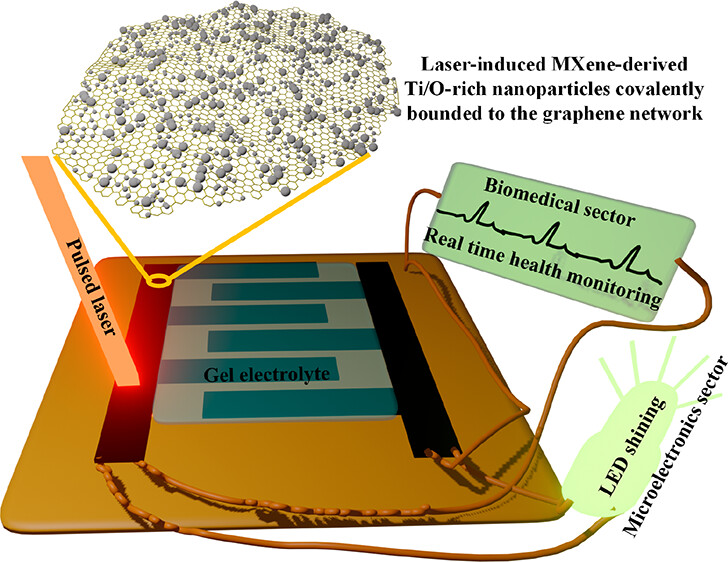
Microsupercapacitors (micro-SCs) with mechanical flexibility have the potential to complement or even replace microbatteries in the portable electronics sector, particularly for portable biomonitoring devices. The real-time biomonitoring of the human body’s physical status using lightweight, flexible, and wearable micro-SCs is important to consider, but the main limitation is, however, the low energy density of micro-SCs …

Laser-Induced MXene-Functionalized Graphene Nanoarchitectonics-Based Microsupercapacitor for Health Monitoring Application Read More »

Fe-MOF Catalytic Nanoarchitectonic toward Electrochemical Ammonia Production

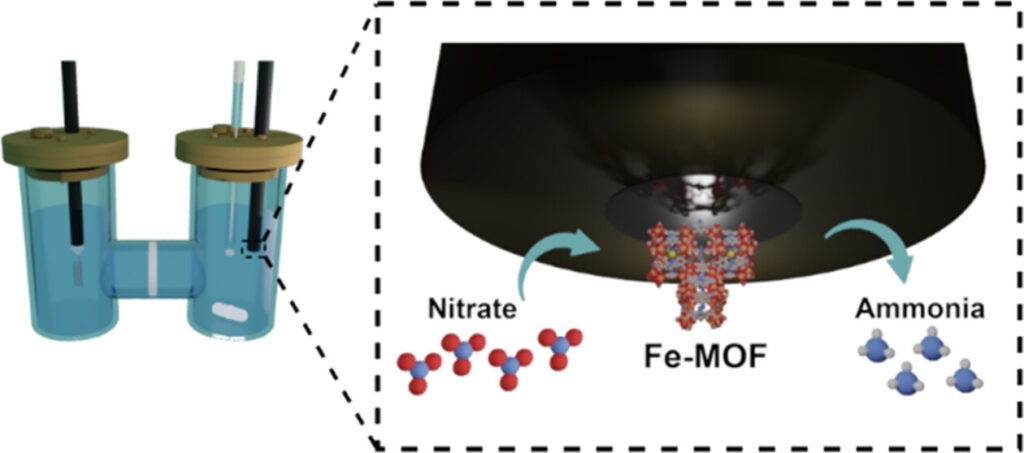
Electrochemical reduction of nitrate into ammonia has lately been identified as one among the promising solutions to address the challenges triggered by the growing global energy demand. Exploring newer electrocatalyst materials is vital to make this process effective and feasible. Recently, metal–organic framework (MOF)-based catalysts are being well investigated for electrocatalytic ammonia synthesis, accounting for …

Fe-MOF Catalytic Nanoarchitectonic toward Electrochemical Ammonia Production Read More »

Multi-Sensing Platform Based on 2D Monoelement Germanane

Covalently functionalized germanane is a novel type of fluorescent probe that can be employed in material science and analytical sensing. Here, a fluorometric sensing platform based on methyl-functionalized germanane (CH3Ge) is developed for gas (humidity and ammonia) sensing, pH (1–9) sensing, and anti-counterfeiting. Luminescence (red–orange) is seen when a gas molecule intercalates into the interlayer …

Multi-Sensing Platform Based on 2D Monoelement Germanane Read More »

Flexible energy storage patch based on NiPS3/graphene zinc-ion hybrid supercapacitor for integrated biosensors

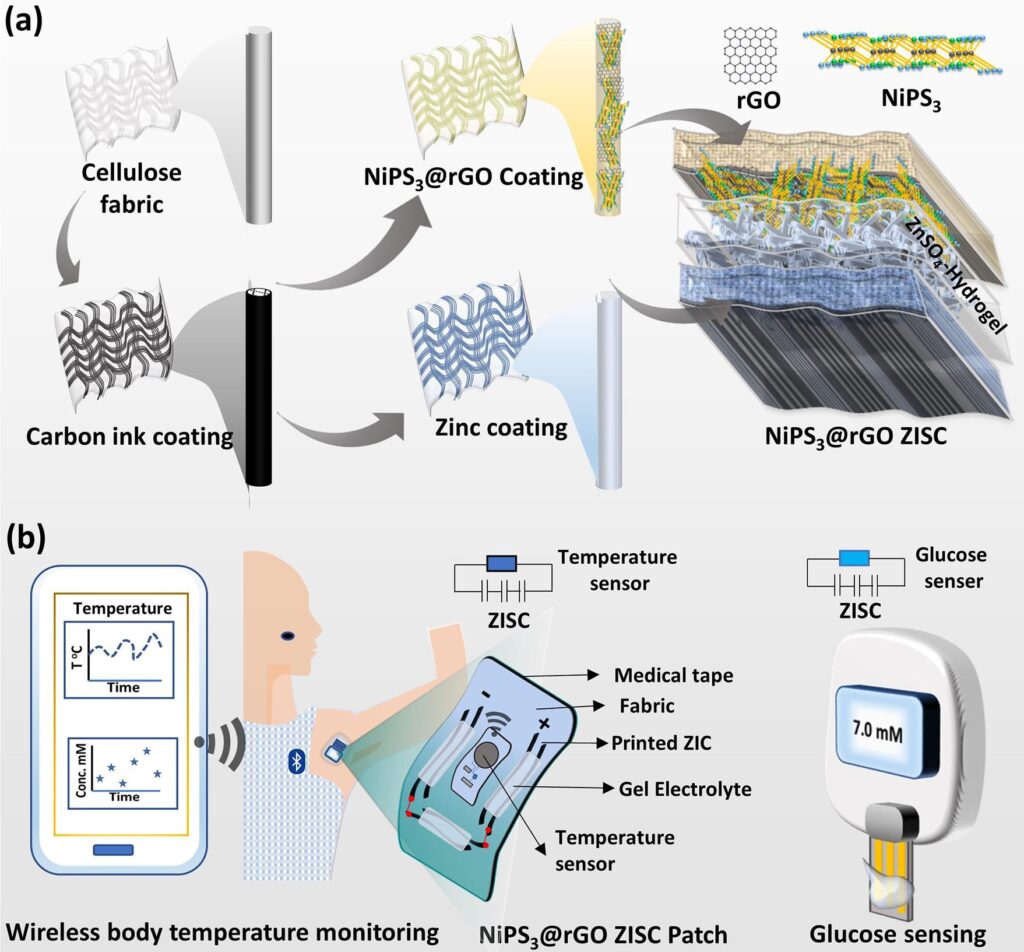
The rapidly developing self-powered biosensor technologies require flexible, robust, and safe energy storage devices. One of the key factors of a self-powered system is the integration of energy storage device components with bio-sensors. Here, we developed a hybrid self-powered biosensor system for health monitoring comprising zinc-ion supercapacitor (ZISC) wearable patch, introducing a two-dimensional (2D) NiPS3 …

Flexible energy storage patch based on NiPS3/graphene zinc-ion hybrid supercapacitor for integrated biosensors Read More »

Flexible aqueous Zn–S battery based on an S-decorated Ti3C2Tx cathode

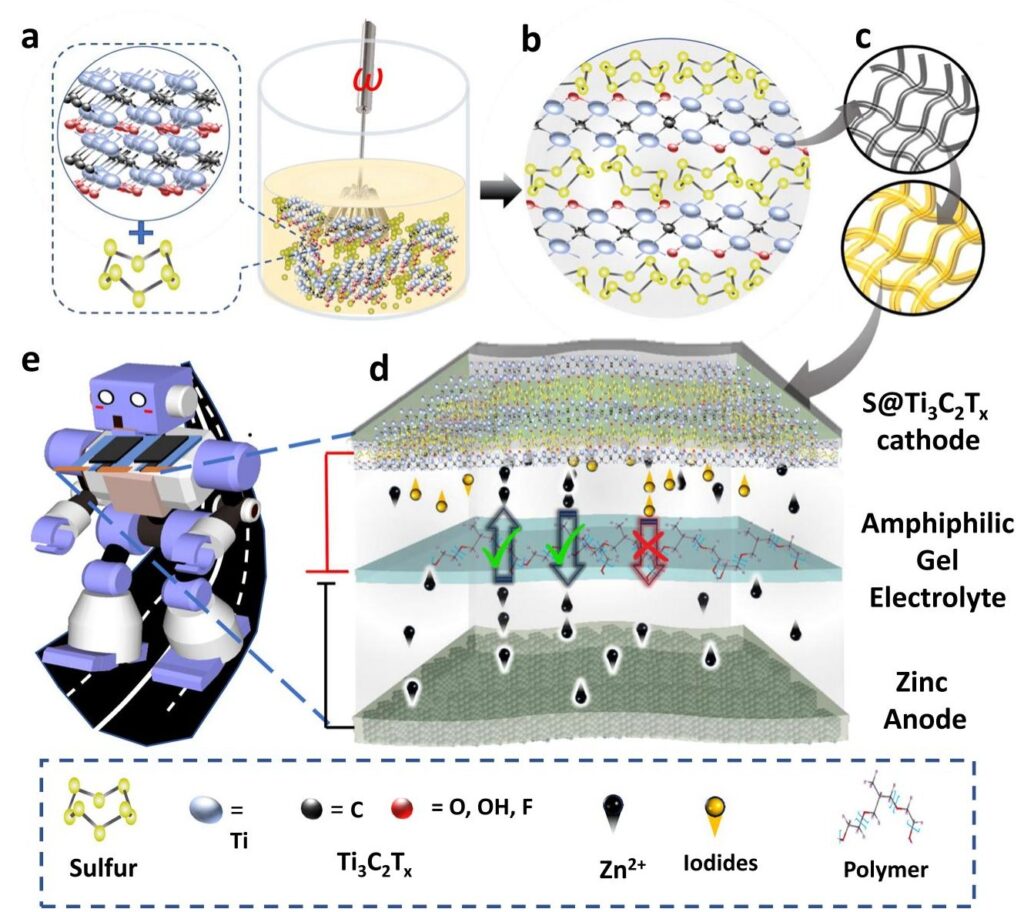
Flexible aqueous zinc-ion batteries can store energy safely and at a low cost, which benefits wearable electronic gadgets; however, currently used cathodes restrict these devices with a low specific capacity and energy density. Herein, we developed a flexible zinc-sulfur (Zn–S) battery constructed by Ti3C2Tx decorated with sulfur (S@Ti3C2Tx) as a cathode and Zn metal anode …

Flexible aqueous Zn–S battery based on an S-decorated Ti3C2Tx cathode Read More »

Light-powered swarming phoretic antimony chalcogenide-based microrobots with “on-the-fly” photodegradation abilities

Microrobots are at the forefront of research for biomedical and environmental applications. Whereas a single microrobot exhibits quite low performance in the large-scale environment, swarms of microrobots are representing a powerful tool in biomedical and environmental applications. Here, we fabricated phoretic Sb2S3-based microrobots that exhibited swarming behavior under light illumination without any addition of chemical …

Light-powered swarming phoretic antimony chalcogenide-based microrobots with “on-the-fly” photodegradation abilities Read More »

Light-Powered Self-Adaptive Mesostructured Microrobots for Simultaneous Microplastics Trapping and Fragmentation via in situ Surface Morphing

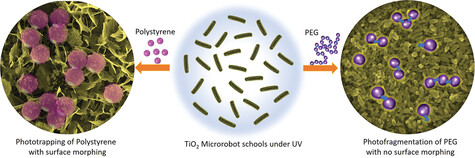
Microplastics, which comprise one of the omnipresent threats to human health, are diverse in shape and composition. Their negative impacts on human and ecosystem health provide ample incentive to design and execute strategies to trap and degrade diversely structured microplastics, especially from water. This work demonstrates the fabrication of single-component TiO2 superstructured microrobots to photo-trap …

Light-Powered Self-Adaptive Mesostructured Microrobots for Simultaneous Microplastics Trapping and Fragmentation via in situ Surface Morphing Read More »

Genosensing on a 3D-printed nanocarbon electrode

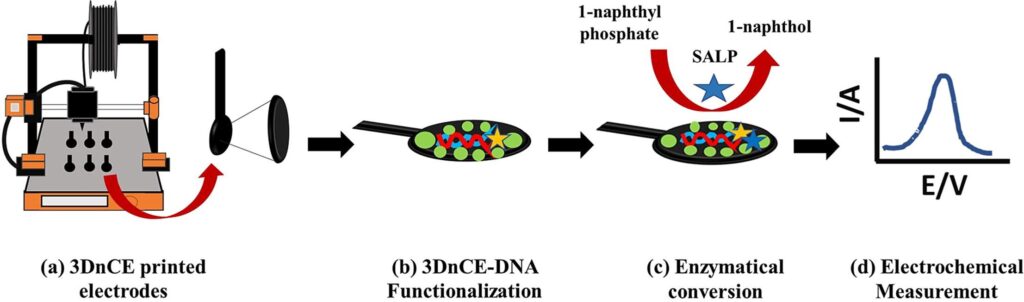
In this paper we present the characterization of 3D-printed nanocarbon electrodes (3DnCes) and their application in electrochemical enzyme-linked detection of DNA hybridization. The approach takes advantage of a facile procedure based on adsorption of target DNA on the electrode surface followed by hybridization with a biotinylated probe and binding of streptavidin–alkaline phosphatase conjugate. The alkaline …

Genosensing on a 3D-printed nanocarbon electrode Read More »

Wearable sensors for telehealth based on emerging materials and nanoarchitectonics

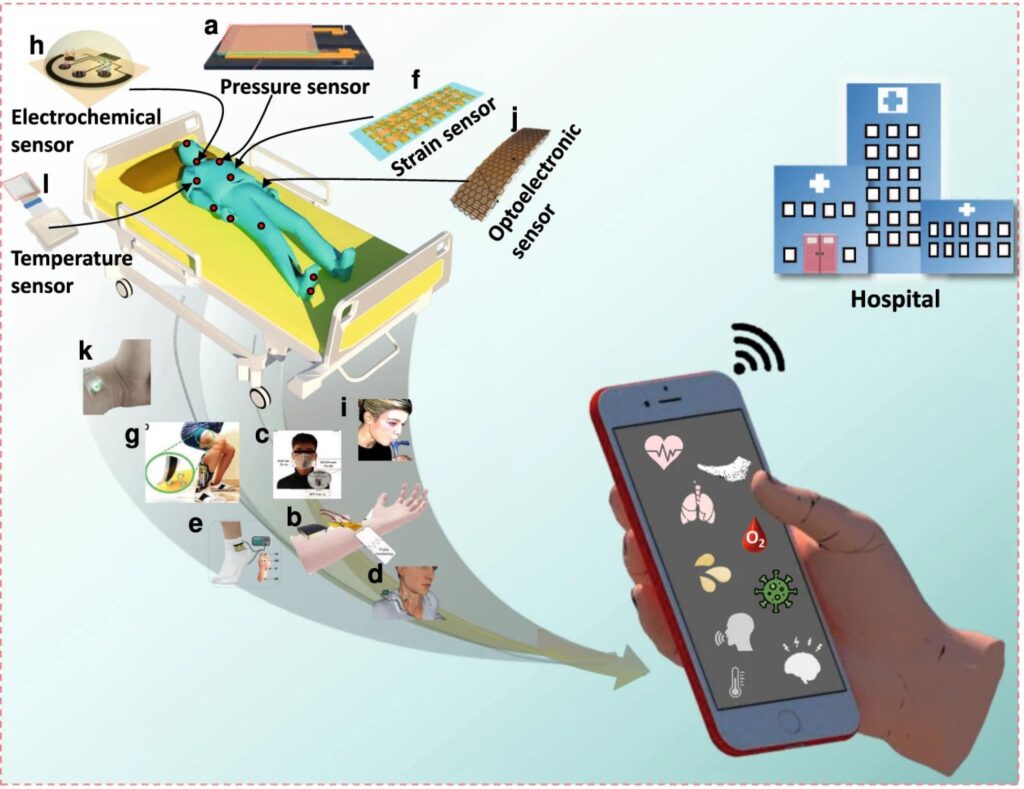
Wearable sensors have made significant progress in sensing physiological and biochemical markers for telehealth. By monitoring vital signs like body temperature, arterial oxygen saturation, and breath rate, wearable sensors provide enormous potential for the early detection of diseases. In recent years, significant advancements have been achieved in the development of wearable sensors based on two-dimensional …

Wearable sensors for telehealth based on emerging materials and nanoarchitectonics Read More »

Engineering 3D Printed Structures Towards Electrochemically Driven Green Ammonia Synthesis: A Perspective

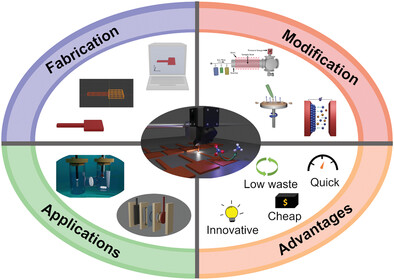
Broadening scope of 3D printing technology is recently identified as a potential strategy to mitigate concerns in the light of rising energy crisis and environmental imbalances. The importance of ammonia as a hydrogen carrier is well known and, in the context of 3D printing, designing and fabrication of electrode substrates for ammonia synthesis from nitrate …

Engineering 3D Printed Structures Towards Electrochemically Driven Green Ammonia Synthesis: A Perspective Read More »

In vivo applications of micro/nanorobots

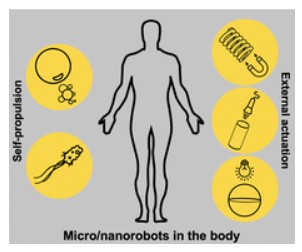
Untethered robots in the size range of micro/nano-scale offer unprecedented access to hard-to-reach areas of the body. In these challenging environments, autonomous task completion capabilities of micro/nanorobots have been the subject of research in recent years. However, most of the studies have presented preliminary in vitro results that can significantly differ under in vivo settings. …

In vivo applications of micro/nanorobots Read More »

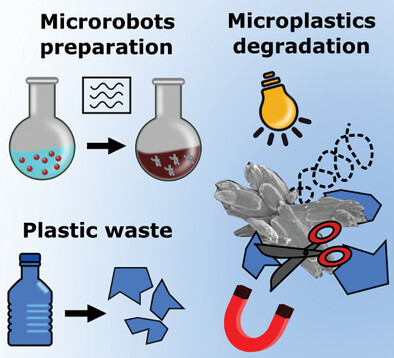
Photocatalytic Microplastics “On-The-fly” Degradation via Motile Quantum Materials-Based Microrobots

Nano/micro-plastics pollution is an emerging global concern. A variety of biodegradable polymers have been synthesized to enhance the degradation of plastic materials and thereby avoid their accumulation in the environment. However, even biodegradable polymers can accumulate in environments under specific conditions and present a potential hazard. Here, antimony sulfide-based microrobots decorated with magnetite nanoparticles are …

Photocatalytic Microplastics “On-The-fly” Degradation via Motile Quantum Materials-Based Microrobots Read More »

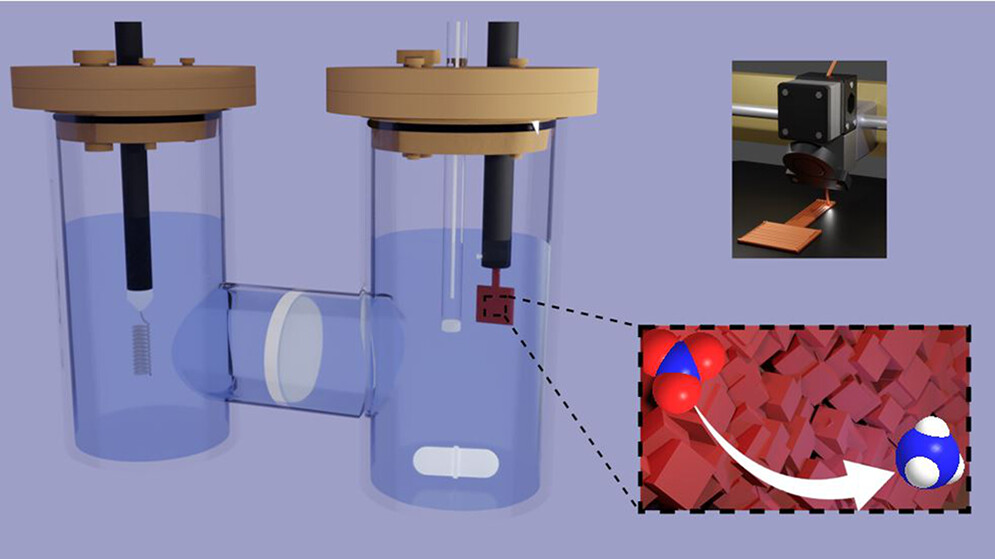
Copper 3D-Printed Electrodes for Ammonia Electrosynthesis via Nitrate Reduction

Ammonia is critical to the world economy. However, nowadays the production of ammonia is exclusively carried out by the well-known Haber–Bosch process, which is an energy-intensive process that leads to a large amount of CO2 emissions. The search for alternative ammonia production routes is mandatory for a sustainable and zero emissions future economy. Electrochemical nitrate-to-ammonia …

Copper 3D-Printed Electrodes for Ammonia Electrosynthesis via Nitrate Reduction Read More »

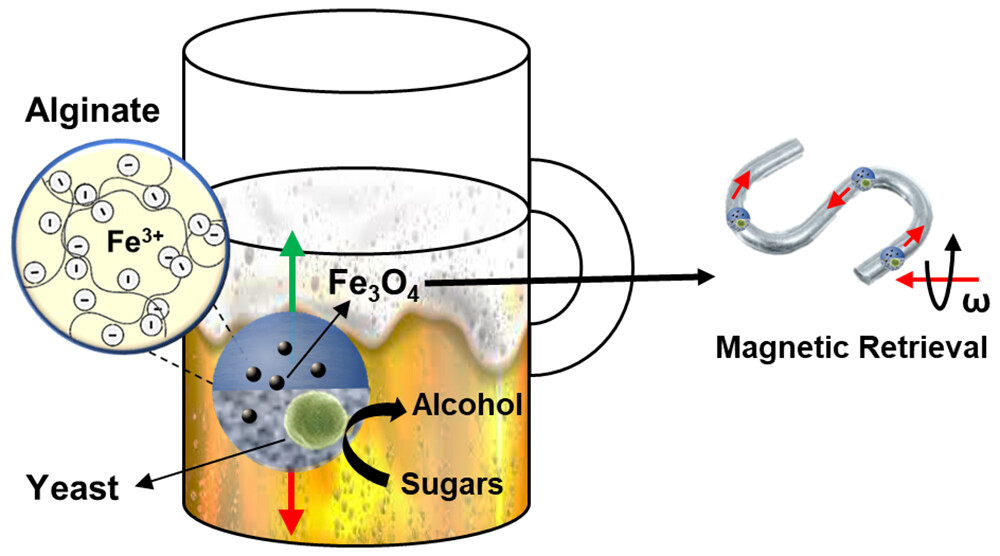
Nanostructured Hybrid BioBots for Beer Brewing

The brewing industry will amass a revenue above 500 billion euros in 2022, and the market is expected to grow annually. This industrial process is based on a slow sugar fermentation by yeast (commonly Saccharomyces cerevisiae). Herein, we encapsulate yeast cells into a biocompatible alginate (ALG) polymer along Fe3O4 nanoparticles to produce magneto/catalytic nanostructured ALG@yeast-Fe3O4 …

Nanostructured Hybrid BioBots for Beer Brewing Read More »

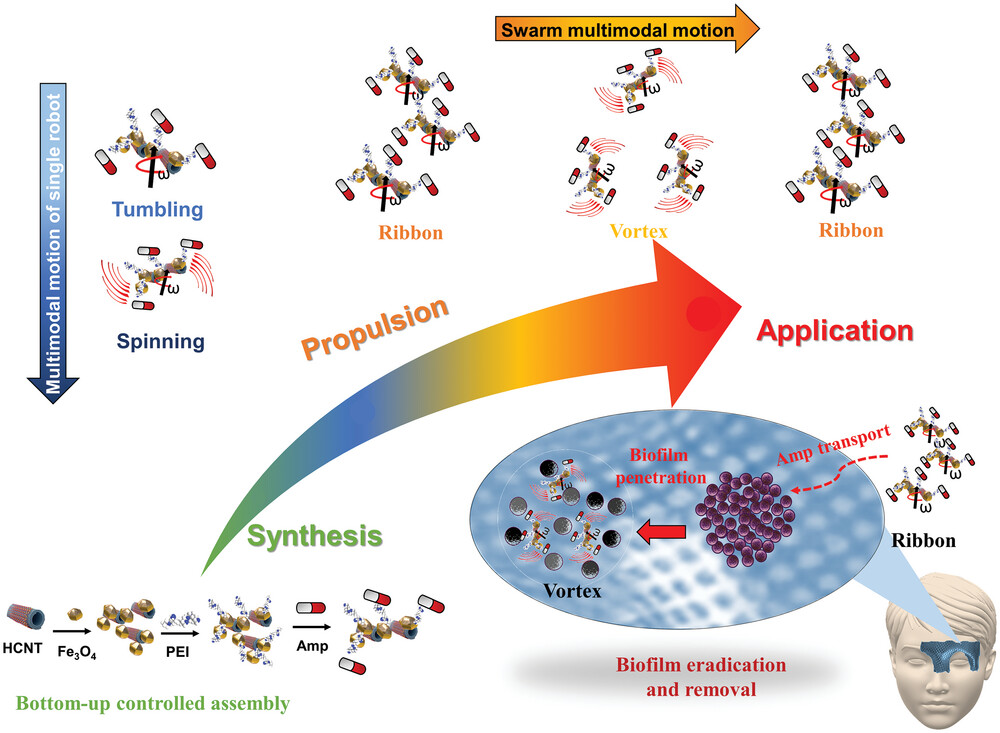
Multimodal-Driven Magnetic Microrobots with Enhanced Bactericidal Activity for Biofilm Eradication and Removal from Titanium Mesh

Modern micro/nanorobots can perform multiple tasks for biomedical and environmental applications. Particularly, magnetic microrobots can be completely controlled by a rotating magnetic field and their motion powered and controlled without the use of toxic fuels, which makes them most promising for biomedical application. Moreover, they are able to form swarms, allowing them to perform specific …

Multimodal-Driven Magnetic Microrobots with Enhanced Bactericidal Activity for Biofilm Eradication and Removal from Titanium Mesh Read More »

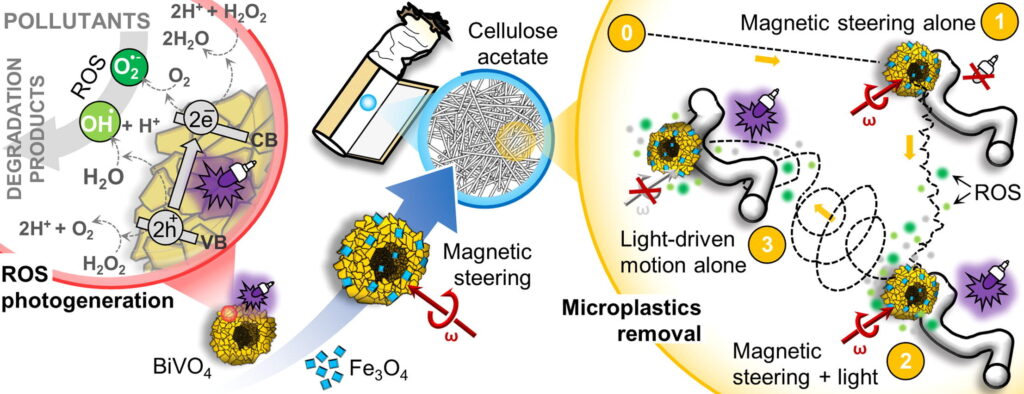
Photocatalysis dramatically influences motion of magnetic microrobots: Application to removal of microplastics and dyes

Micromachines gain momentum in the applications for environmental remediation. Magnetic components have been used to functionalize light–responsive micromachines to achieve efficient magnetic microrobots with photodegradation activity for decomposition of environmental pollutants. However, the influence of photocatalyst itself on the trajectory of micromotors in conjunction with magnetic motion was never considered. In this work, light-powered catalysis …

Photocatalysis dramatically influences motion of magnetic microrobots: Application to removal of microplastics and dyes Read More »

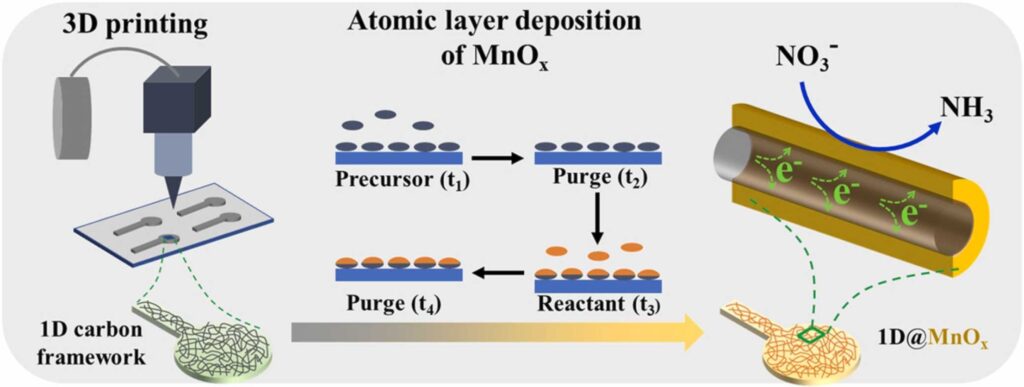
Ultrathin manganese oxides enhance the electrocatalytic properties of 3D printed carbon catalysts for electrochemical nitrate reduction to ammonia

Electrochemical nitrate reduction reaction (NO3RR) is a promising approach to remedying the environmental pollution from nitrate, and simultaneously a sustainable alternative to traditional Haber-Bosch process especially for decentralized ammonia production. Here, we firstly explore the electrocatalytic activity of two 3D printed carbon frameworks consisting of 0-dimentional (0D) carbon black and 1-dimentional (1D) carbon nanotubes towards …

Ultrathin manganese oxides enhance the electrocatalytic properties of 3D printed carbon catalysts for electrochemical nitrate reduction to ammonia Read More »

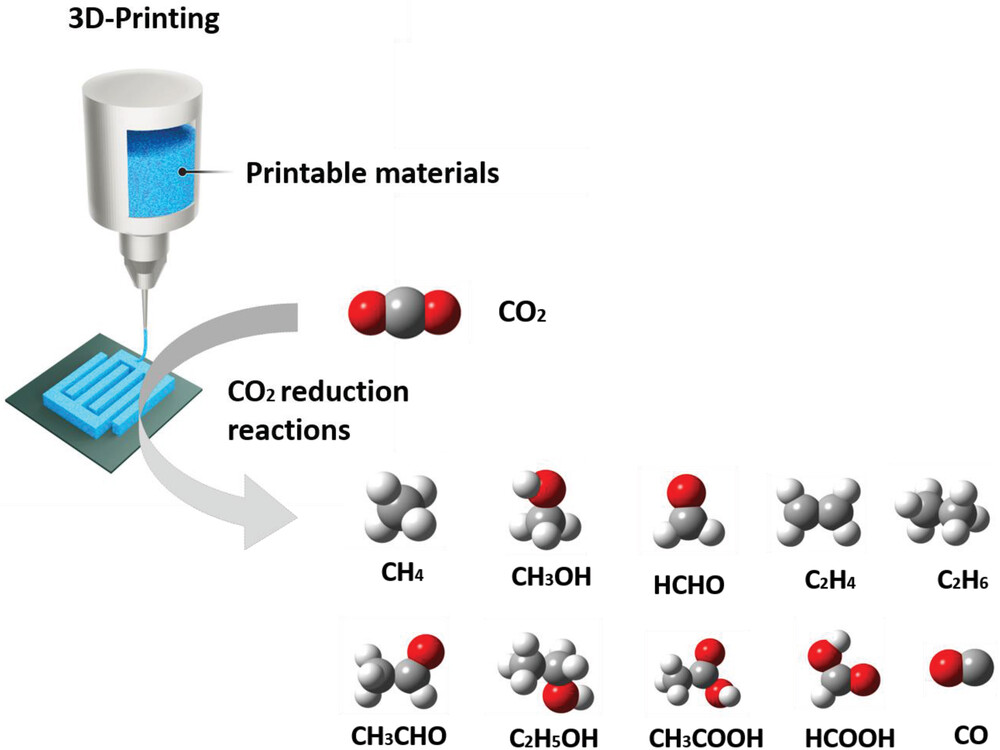
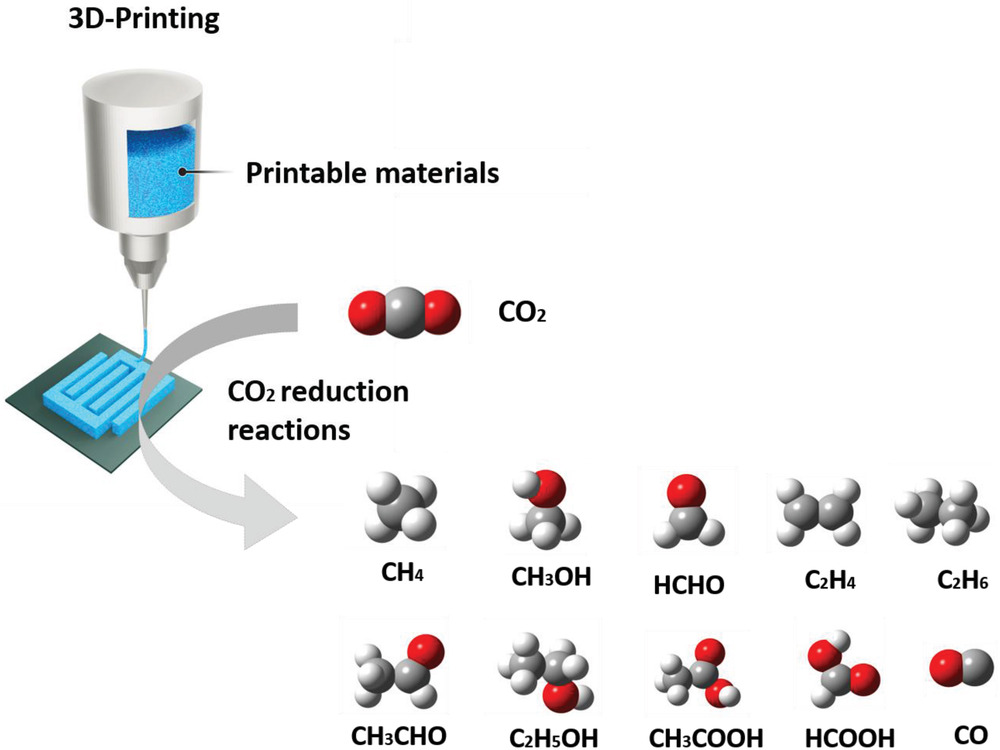
Advances in Designing 3D-Printed Systems for CO2 Reduction

The increasing level of atmospheric carbon dioxide (CO2), and the resultant global warming is a matter of growing concern among scientists, environmentalists, and climate experts across the globe over the past several decades. Numerous attempts are being undertaken today that seek solutions to mitigate this global crisis. This includes designing functional catalysts, devices and reactors …

Advances in Designing 3D-Printed Systems for CO2 Reduction Read More »

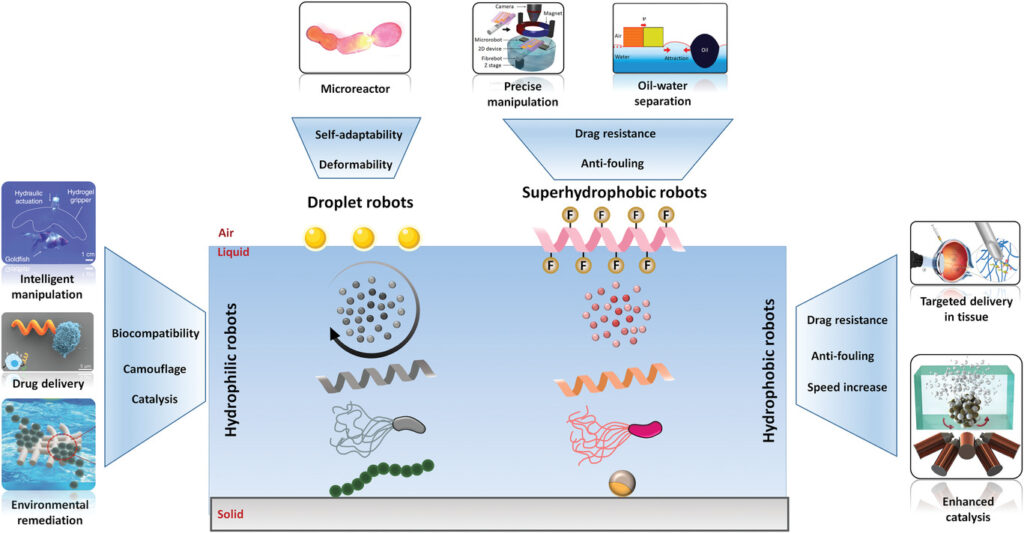
Small-Scale Robotics with Tailored Wettability

Small-scale robots (SSRs) have emerged as promising and versatile tools in various biomedical, sensing, decontamination, and manipulation applications, as they are uniquely capable of performing tasks at small length scales. With the miniaturization of robots from the macroscale to millimeter-, micrometer-, and nanometer-scales, the viscous and surface forces, namely adhesive forces and surface tension have …

Small-Scale Robotics with Tailored Wettability Read More »

Metal oxide single-component light-powered micromotors for photocatalytic degradation of nitroaromatic pollutants

Mass transfer is a key parameter in heterogeneous reactions. Micro/nanomachines, a promising technology for environmental applications, significantly enhance the performance of conventional purification treatments because of the active motion ability and thus enhanced diffusion (superdiffusion) of these photocatalysts, which in turn leads to dramatically improved mass transfer and higher degradation capability compared to stationary microparticles. …

Metal oxide single-component light-powered micromotors for photocatalytic degradation of nitroaromatic pollutants Read More »

Collective Behaviors of Active Matter Learning from Natural Taxes Across Scales

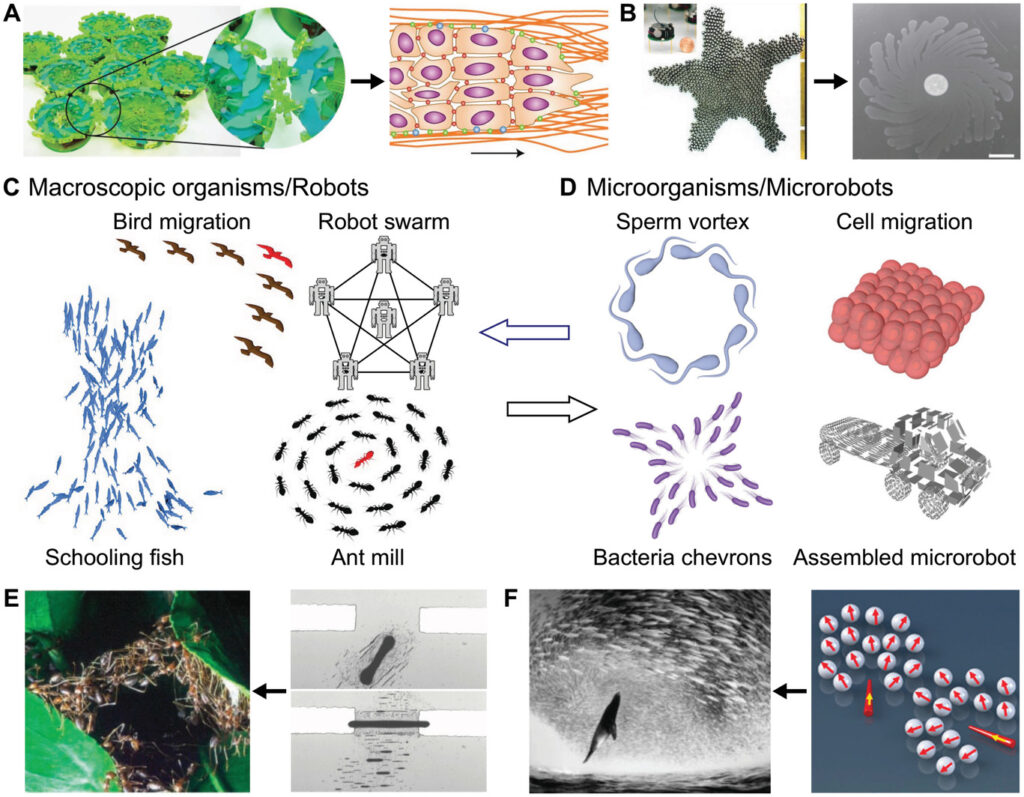
Taxis orientation is common in microorganisms, and it provides feasible strategies to operate active colloids as small-scale robots. Collective taxes involve numerous units that collectively perform taxis motion, whereby the collective cooperation between individuals enables the group to perform efficiently, adaptively, and robustly. Hence, analyzing and designing collectives is crucial for developing and advancing microswarm …

Collective Behaviors of Active Matter Learning from Natural Taxes Across Scales Read More »

Magnetically boosted 1D photoactive microswarm for COVID-19 face mask disruption

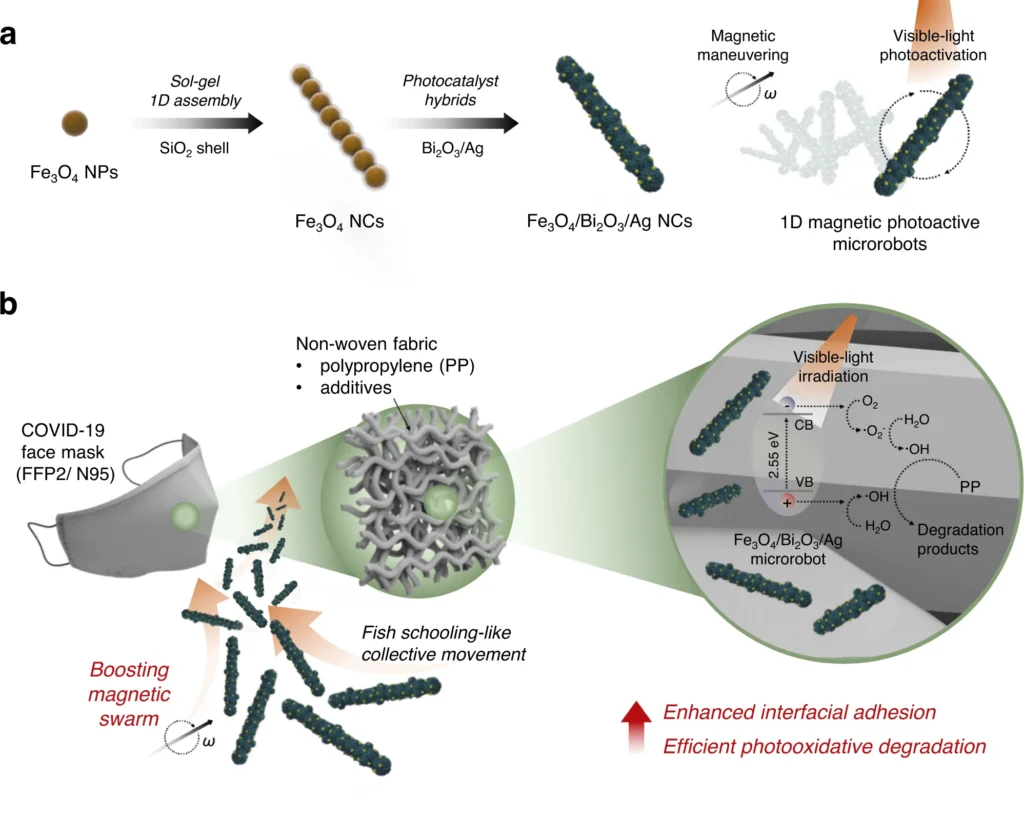
The recent COVID-19 pandemic has resulted in the massive discard of pandemic-related plastic wastes, causing serious ecological harm and a high societal burden. Most single-use face masks are made of synthetic plastics, thus their careless disposal poses a direct threat to wildlife as well as potential ecotoxicological effects in the form of microplastics. Here, we …

Magnetically boosted 1D photoactive microswarm for COVID-19 face mask disruption Read More »

2D Functionalized Germananes: Synthesis and Applications

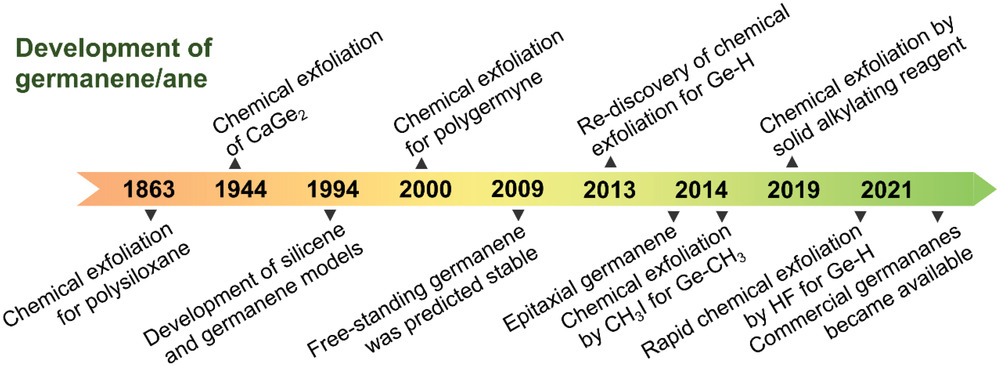
In the realm of 2D layered materials, the monoelemental group 14 Xene, germanene, as the germanium analog of graphene, has emerged as the next prospective candidate. Preceded by silicon, germanium is widely used in the semiconductor industry; thus, germanene is deemed compatible with existing semiconductor technologies. Germanene consists of mixed sp2–sp3-hybridized networks in a buckled …

2D Functionalized Germananes: Synthesis and Applications Read More »

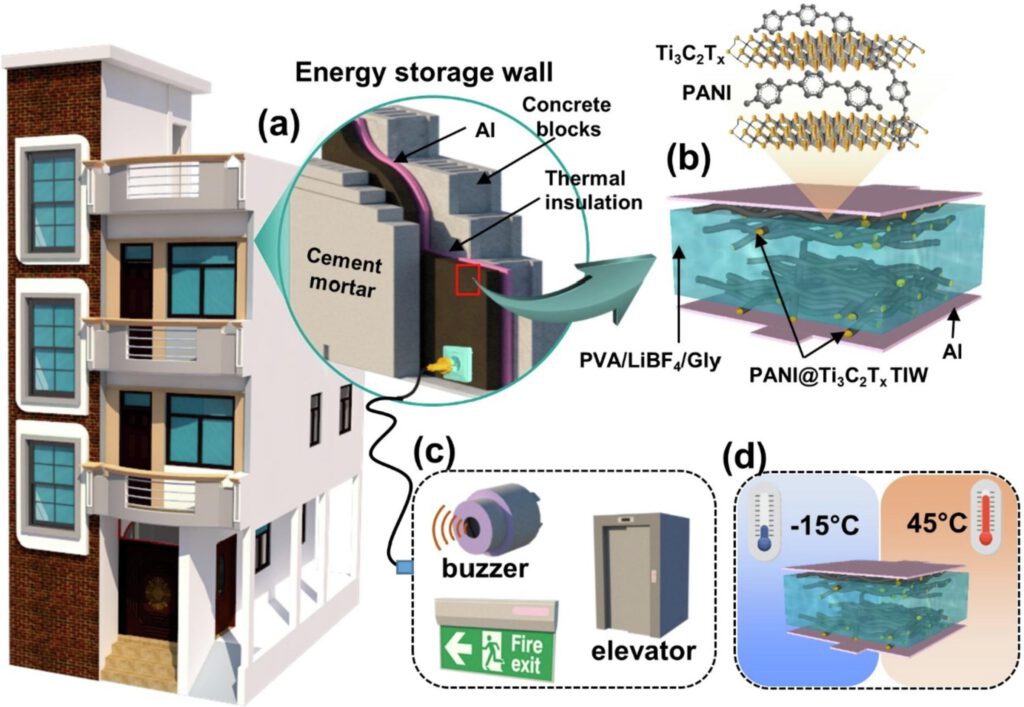
Thermal insulating walls based on Ti3C2TX  as energy storage panels for future smart house

Sustainable decentralized energy generation and storage in the cities are critical for a sustainable future. Here we design a smart energy storage device based on thermal insulation and MXene (Ti3C2Tx) for powered future smart homes. The modified surface of a common thermal insulation wall (TIW) using Ti3C2Tx and polyaniline (PANI) by in situ chemical oxidative …

Thermal insulating walls based on Ti3C2TX  as energy storage panels for future smart house Read More »

Edges of Layered FePSe3 Exhibit Increased Electrochemical and Electrocatalytic Activity Compared to Basal Planes

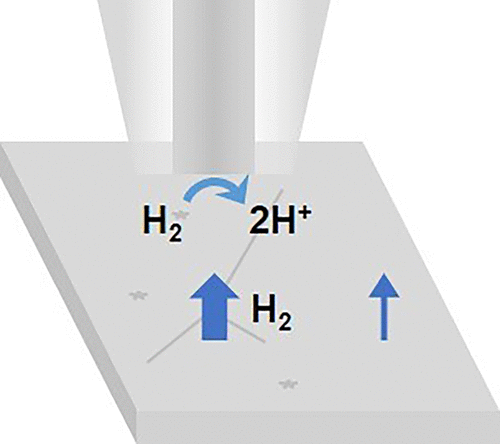
Transition metal trichalcogenphosphites (MPX3), belonging to the class of 2D materials, are potentially viable electrocatalysts for the hydrogen evolution reaction (HER). Many 2D and layered materials exhibit different magnitudes of electrochemical and electrocatalytic activity at their edge and basal sites. To find out whether edges or basal planes are the primary sites for catalytic processes …

Edges of Layered FePSe3 Exhibit Increased Electrochemical and Electrocatalytic Activity Compared to Basal Planes Read More »

Advances in Designing 3D-Printed Systems for CO2 Reduction

The increasing level of atmospheric carbon dioxide (CO2), and the resultant global warming is a matter of growing concern among scientists, environmentalists, and climate experts across the globe over the past several decades. Numerous attempts are being undertaken today that seek solutions to mitigate this global crisis. This includes designing functional catalysts, devices and reactors …

Advances in Designing 3D-Printed Systems for CO2 Reduction Read More »

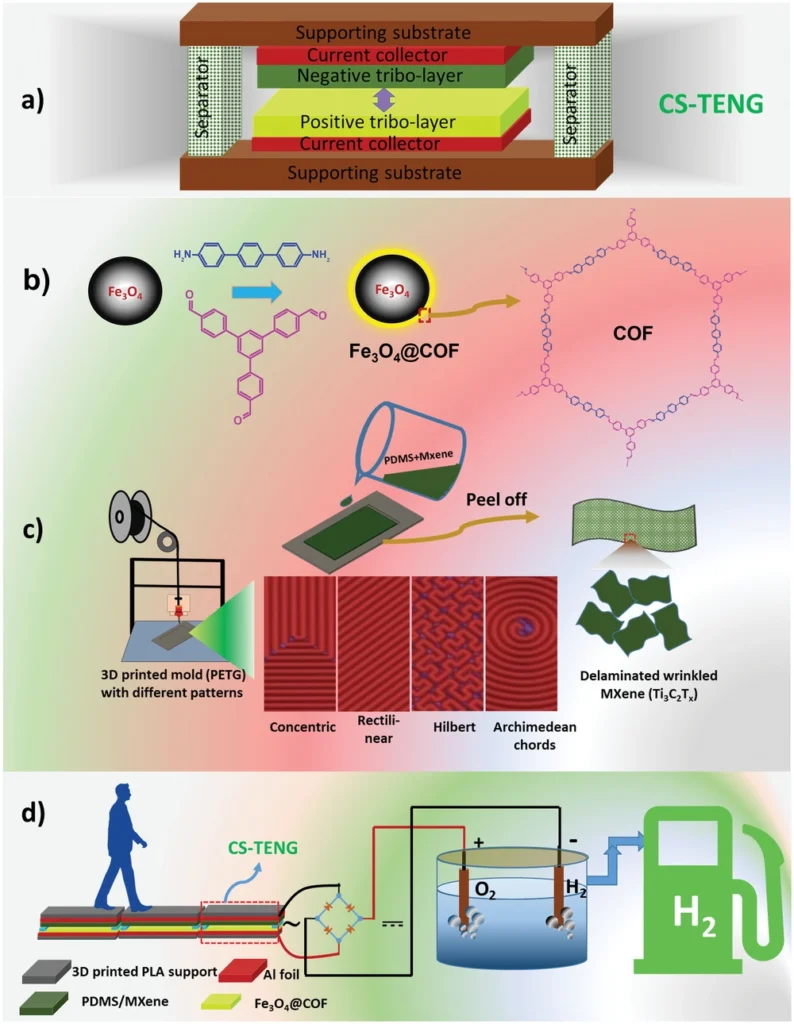
Nanoarchitectonics of Triboelectric Nanogenerator for Conversion of Abundant Mechanical Energy to Green Hydrogen

In the present world, the high energy demand rapidly depletes existing fossil fuel reserves, urging the necessity to harvest energy from clean and renewable resources. In this study, the use of a triboelectric nanogenerator (TENG) is shown beyond the conventional practice of use in self-powered electronics, to the production of green hydrogen from renewable mechanical …

Nanoarchitectonics of Triboelectric Nanogenerator for Conversion of Abundant Mechanical Energy to Green Hydrogen Read More »

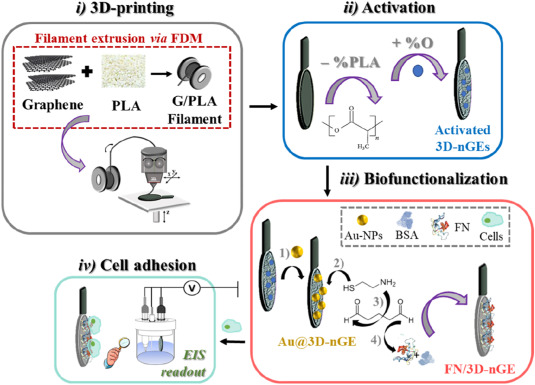
Graphene-based 3D-Printed nanocomposite bioelectronics for monitoring breast cancer cell adhesion

This work examines the suitability of graphene-based 3D-printed nanocomposite bioelectronics as innovative systems to in situ monitor and evaluate both breast cancer cell adhesion and the chemosensitivity of anti-cancer drugs. With this aim, 3D-printed nanocomposite graphene electrodes (3D-nGEs) —made of a commercially available graphene/polylactic acid filament— have been covalently biofunctionalized with an extracellular matrix protein …

Graphene-based 3D-Printed nanocomposite bioelectronics for monitoring breast cancer cell adhesion Read More »

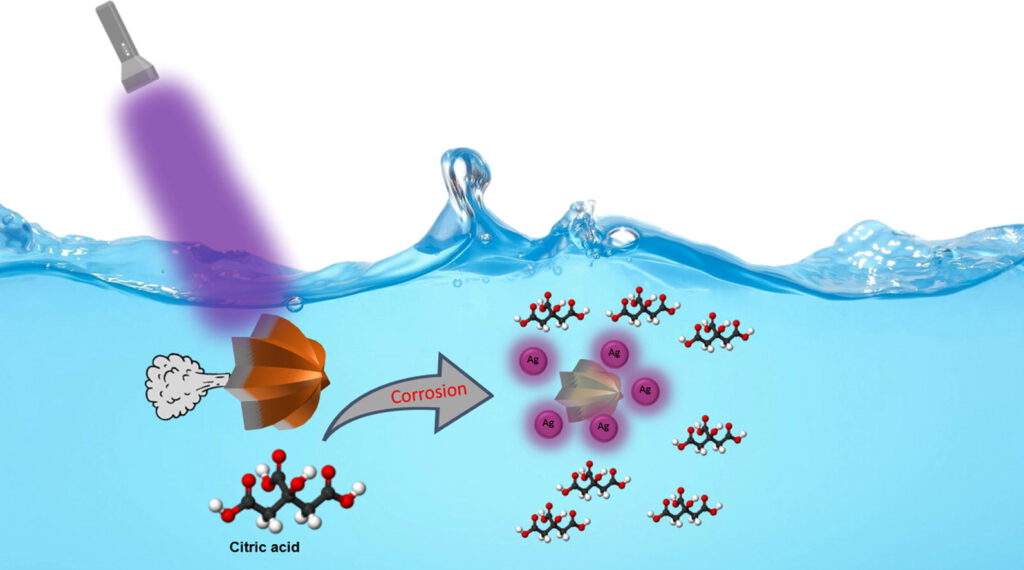
Photocatalytic Pt/Ag3VO4 micromotors with inherent sensing capabilities for corroding environments

Autonomous self-propelled micromachines based on semiconductors are at the forefront of environmental pollutants degradation research to palliate the effects of the contamination arising from the constant manufacturing of new products. Nonetheless, testing these micromotors with real-life products is almost an unexplored field, limiting the degradation of pollutants to single-component aqueous solutions or suspensions at the …

Photocatalytic Pt/Ag3VO4 micromotors with inherent sensing capabilities for corroding environments Read More »

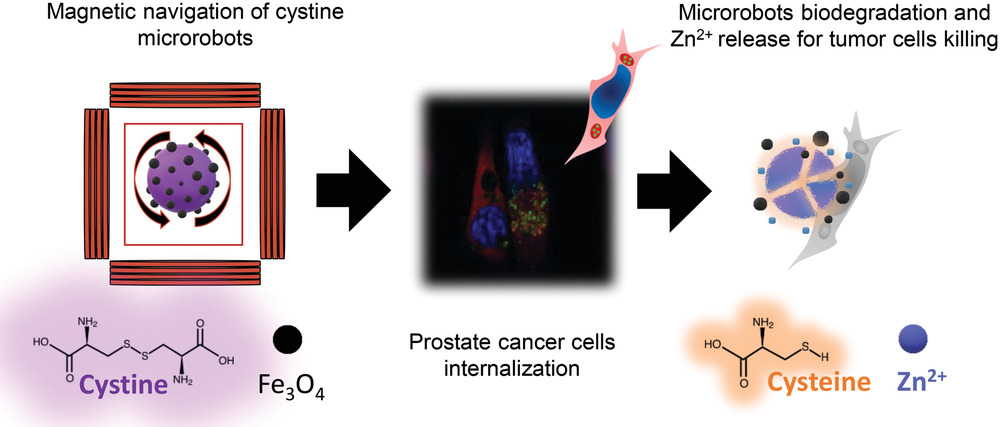
Magnetically Driven Self-Degrading Zinc-Containing Cystine Microrobots for Treatment of Prostate Cancer

Prostate cancer is the most commonly diagnosed tumor disease in men, and its treatment is still a big challenge in standard oncology therapy. Magnetically actuated microrobots represent the most promising technology in modern nanomedicine, offering the advantage of wireless guidance, effective cell penetration, and non-invasive actuation. Here, new biodegradable magnetically actuated zinc/cystine-based microrobots for in …

Magnetically Driven Self-Degrading Zinc-Containing Cystine Microrobots for Treatment of Prostate Cancer Read More »

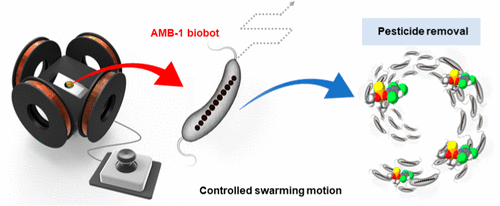
Precisely Navigated Biobot Swarms of Bacteria Magnetospirillum magneticum for Water Decontamination

Hybrid biological robots (biobots) prepared from living cells are at the forefront of micro-/nanomotor research due to their biocompatibility and versatility toward multiple applications. However, their precise maneuverability is essential for practical applications. Magnetotactic bacteria are hybrid biobots that produce magnetosome magnetite crystals, which are more stable than synthesized magnetite and can orient along the …

Precisely Navigated Biobot Swarms of Bacteria Magnetospirillum magneticum for Water Decontamination Read More »

The unexpected photoelectrochemical activity of MAX phases: the role of oxide impurities

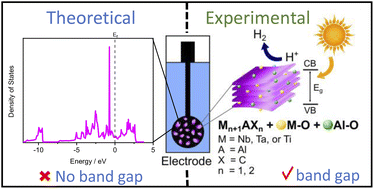
MAX phases are layered ternary compounds that are mainly studied for their physical properties and their use in the synthesis of MXenes. Their application in energy generation has been investigated and recently, the unexpected photoactivity of MAX phases under the influence of a visible light source has been reported. To investigate the origin of this …

The unexpected photoelectrochemical activity of MAX phases: the role of oxide impurities Read More »

Black phosphorous-based human-machine communication interface

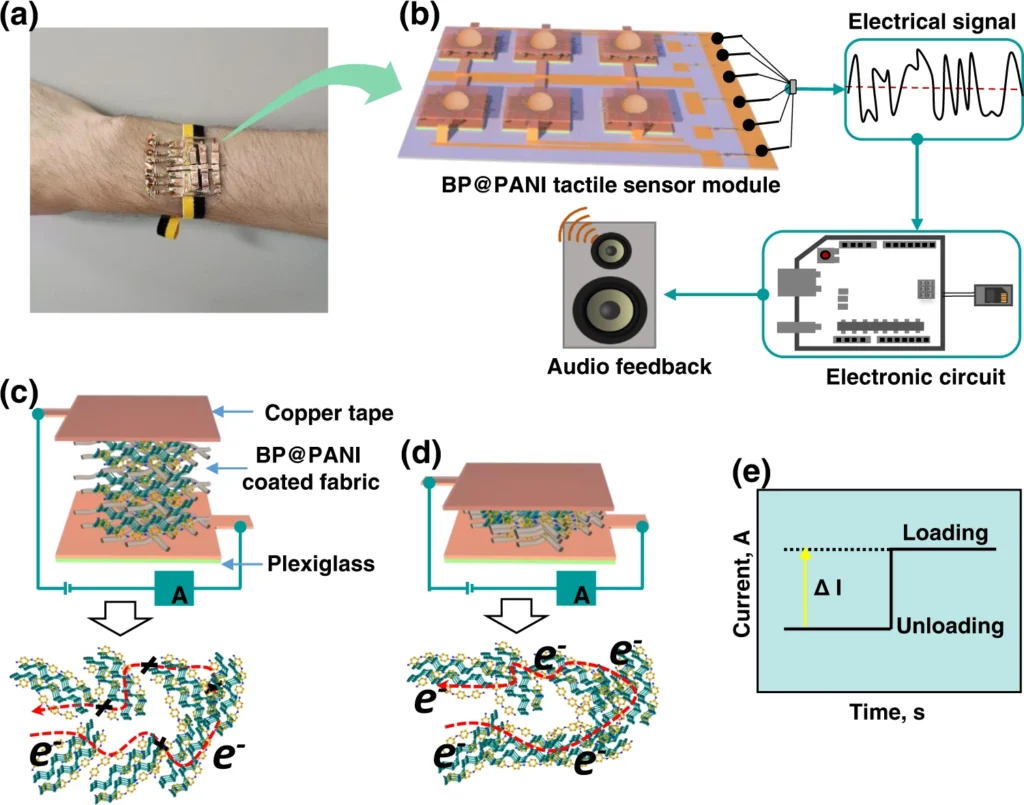
Assistive technology involving auditory feedback is generally utilized by those who are visually impaired or have speech and language difficulties. Therefore, here we concentrate on an auditory human-machine interface that uses audio as a platform for conveying information between visually or speech-disabled users and society. We develop a piezoresistive tactile sensor based on a black …

Black phosphorous-based human-machine communication interface Read More »

Multi-Wavelength Light-Responsive Metal–Phenolic Network-Based Microrobots for Reactive Species Scavenging

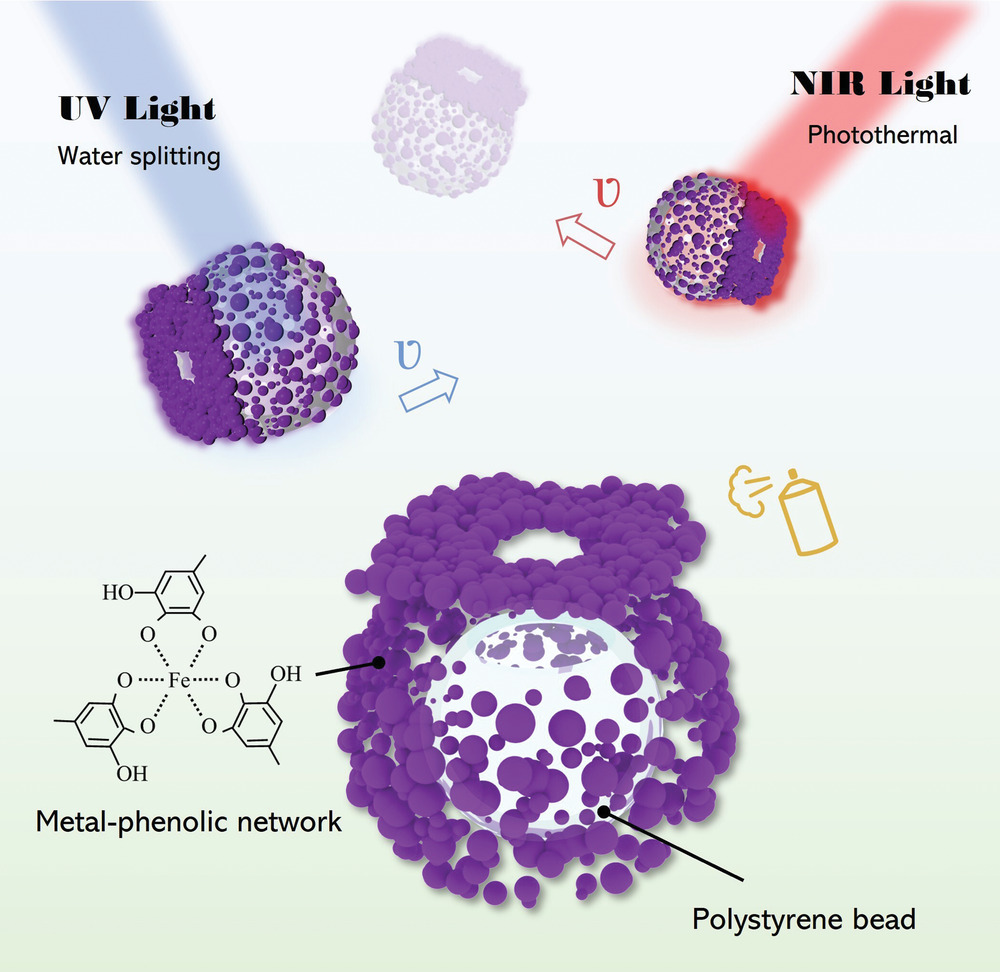
Light-driven microrobots with different propulsion mechanisms have attracted great attention in microrobot synthesis and applications. However, current systems rely heavily on precious metals, using a complex synthesis process and limited working wavelength. It is therefore of great interest to fabricate microrobots that can be driven by multi-wavelength irradiation and with simple components. Here, metal–phenolic network …

Multi-Wavelength Light-Responsive Metal–Phenolic Network-Based Microrobots for Reactive Species Scavenging Read More »

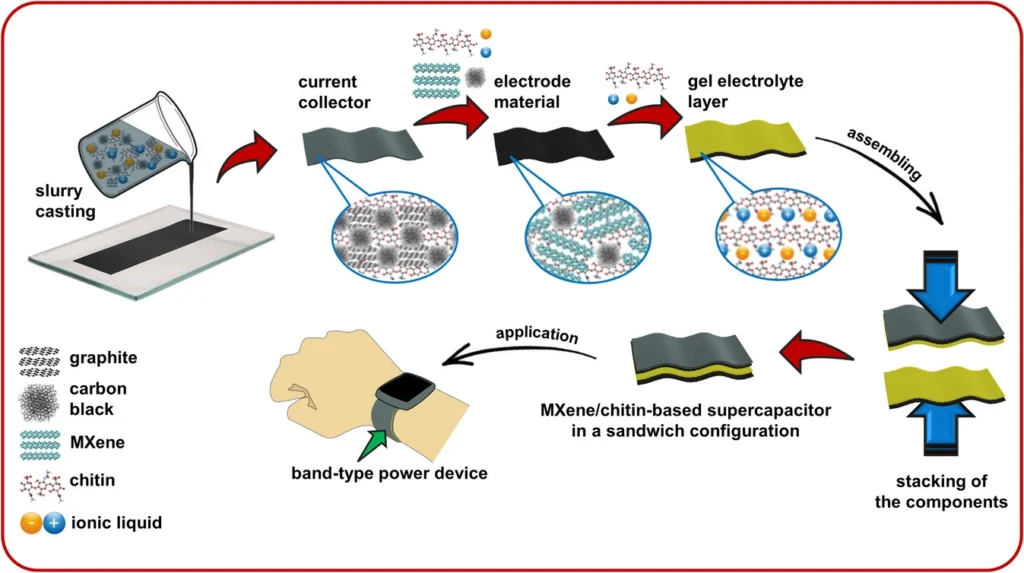
Wearable and Flexible All-Solid-State Supercapacitor Based on MXene and Chitin

Biopolymer-based materials have recently received great interest as potential components for wearable energy-storage devices. They can offer attractive and valuable properties such as renewability, biocompatibility, thermal and chemical stability, flexibility, durability, and biodegradability. Herein, a wearable and flexible all-solid-state supercapacitor that uses chitin as a biocompatible scaffold for integrating all device components, such as electrodes …

Wearable and Flexible All-Solid-State Supercapacitor Based on MXene and Chitin Read More »

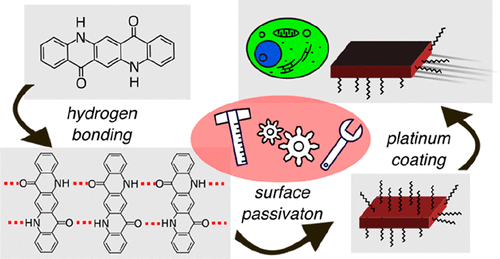
Hydrogen Bonding Nanoarchitectonics of Organic Pigment-Based Janus Microrobots with Entering Capability into Cancer Cells

Autonomous microrobots are at the forefront of biomedical research as they are expected to be applied for specific tasks at the intracellular level such as cargo delivery, sensing, molecular manipulation, among others. Here, we report on a preparation of microrobots based on quinacridone and indigo, which are members of the organic hydrogen-bonded pigment family. The …

Hydrogen Bonding Nanoarchitectonics of Organic Pigment-Based Janus Microrobots with Entering Capability into Cancer Cells Read More »

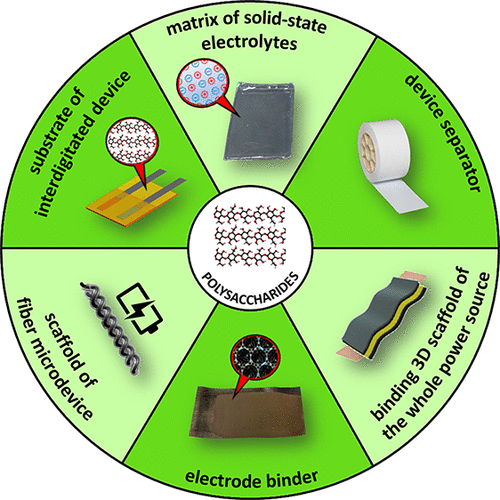
Sustainable and Flexible Energy Storage Devices: A Review

In recent years, the growing demand for increasingly advanced wearable electronic gadgets has been commonly observed. Modern society is constantly expecting a noticeable development in terms of smart functions, long-term stability, and long-time outdoor operation of portable devices. Excellent flexibility, lightweight nature, and environmental friendliness are no less important aspects of the choice of mobile …

Sustainable and Flexible Energy Storage Devices: A Review Read More »

Swarming Magnetic Microrobots for Pathogen Isolation from Milk

Bovine mastitis produced by Staphylococcus aureus (S. aureus) causes major problems in milk production due to the staphylococcal enterotoxins produced by this bacterium. These enterotoxins are stable and cannot be eradicated easily by common hygienic procedures once they are formed in dairy products. Here, magnetic microrobots (MagRobots) are developed based on paramagnetic hybrid microstructures loaded …

Swarming Magnetic Microrobots for Pathogen Isolation from Milk Read More »

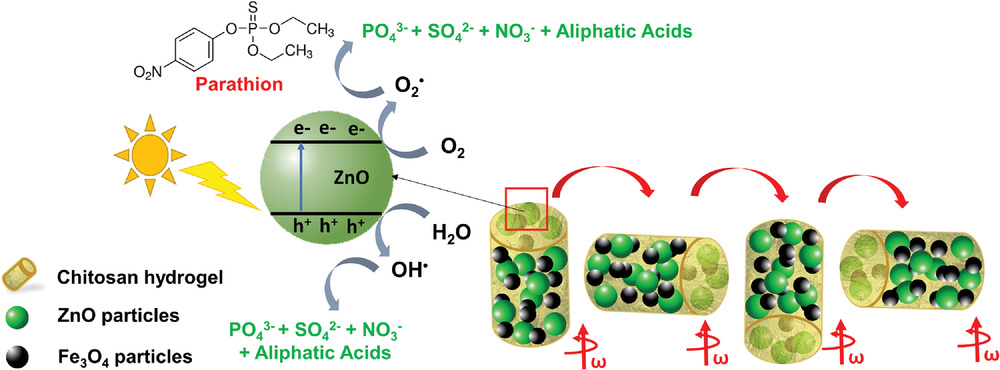
Soft Magnetic Microrobots for Photoactive Pollutant Removal

“Soft” robotics based on hydrogels appears as an alternative to the traditional technology of “hard” robotics. Soft microrobots are employed for drug delivery and cell manipulation. This work develops magnetic hydrogel-based microrobots using chitosan (CHI) as the body of the micromotor and Fe3O4 nanoparticles to allow for its magnetic actuation. In addition, ZnO nanoparticles are …

Soft Magnetic Microrobots for Photoactive Pollutant Removal Read More »

3D-printed Electrochemical Sensor for Organophosphate Nerve Agents

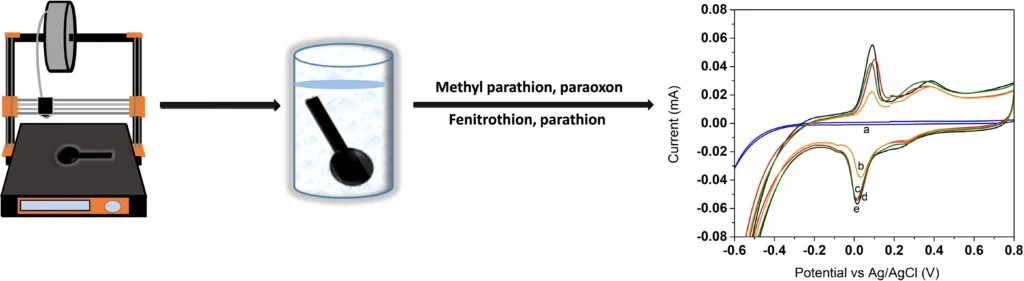
3D-printing has revolutionized various industries and scientific research by its substantial benefits such as fast prototyping, high accuracy, durability, and customized shapes. Fused deposition modeling has been used in the fabrication of 3D-printed nanocarbon electrodes. Utilization of these 3D-printed nanocarbon electrodes in the identification of organophosphates (OPs) such as parathion, methyl parathion, paraoxon, and fenitrothion, …

3D-printed Electrochemical Sensor for Organophosphate Nerve Agents Read More »