Year: 2022

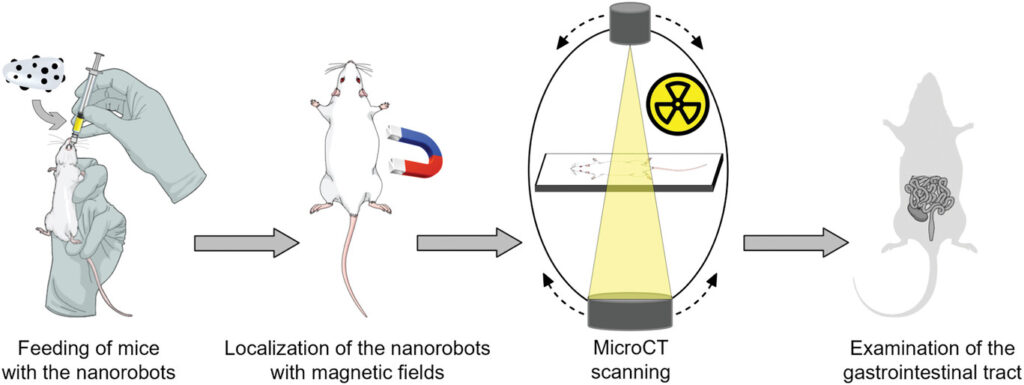
Radiopaque Nanorobots as Magnetically Navigable Contrast Agents for Localized In Vivo Imaging of the Gastrointestinal Tract

Magnetic nanorobots offer wireless navigation capability in hard-to-reach areas of the human body for targeted therapy and diagnosis. Though in vivo imaging is required for guidance of the magnetic nanorobots toward the target areas, most of the imaging techniques are inadequate to reveal the potential locomotion routes. This work proposes the use of radiopaque magnetic …
Radiopaque Nanorobots as Magnetically Navigable Contrast Agents for Localized In Vivo Imaging of the Gastrointestinal Tract Read More »

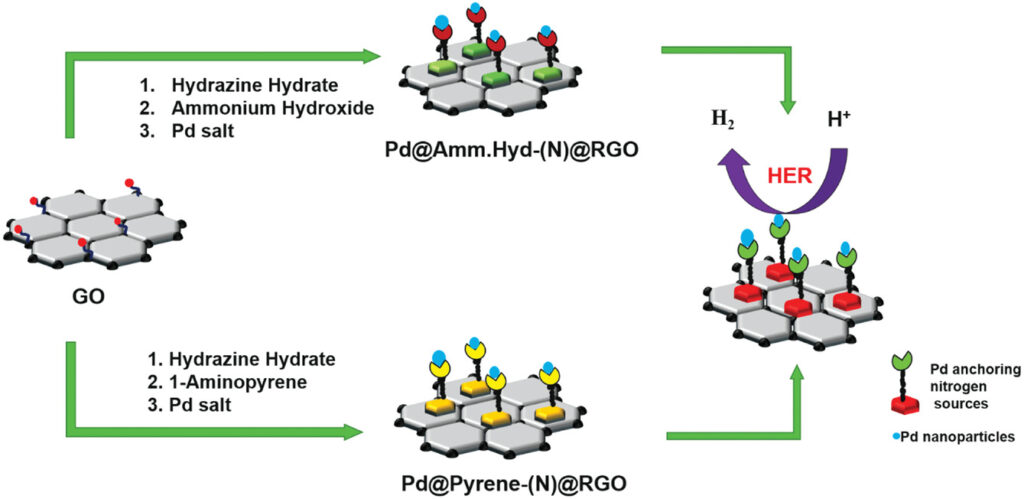
Grafting of Pd on Covalently and Noncovalently Modified N-Doped Graphene for Electrocatalysis

Hydrogen evolution reaction (HER) is considered to be a fundamental solution for procuring clean energy. Palladium is one of the most catalytically active metals toward HER. Here, an electrocatalyst is designed where palladium nanoparticles (Pd NPs) are immobilized on the surface of nitrogen-doped reduced graphene oxide. A comparative study of two different nitrogen doping strategies …

Grafting of Pd on Covalently and Noncovalently Modified N-Doped Graphene for Electrocatalysis Read More »

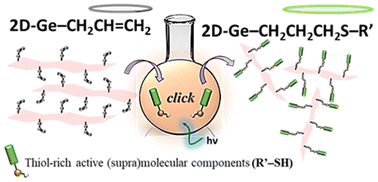
Molecularly “clicking”active moieties to germanium-based inorganic 2D materials

Two dimensional materials beyond graphene are in forefront research. Two dimensional analogues of graphene of group 14, germanene, are of high importance for their electronic and optical properties. The commonly used deintercalation fabrication approach has reached a major bottleneck in the field due to the lack of versatility derived from the limited library of precursors …

Molecularly “clicking”active moieties to germanium-based inorganic 2D materials Read More »

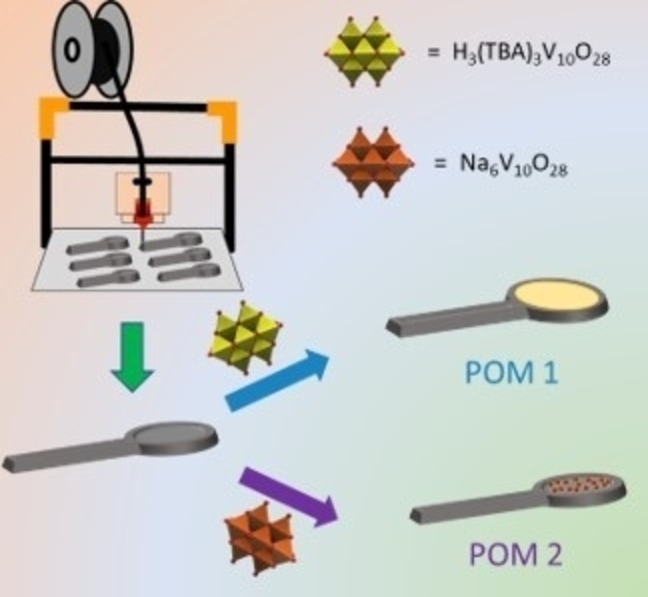
Polyoxometalate-Enhanced 3D-Printed Supercapacitors

The contemporary critical energy crisis demands the fast and cost-effective preparation of supercapacitors to replace old-fashioned batteries. 3D-printing has been established as a fast, cheap, and reliable new manufacturing technique that enables the preparation of such devices.. Unfortunately, carbon-based filaments used in 3D printing lack the necessary electrical properties to build supercapacitors by themselves and …

Polyoxometalate-Enhanced 3D-Printed Supercapacitors Read More »

Corrosion of catalyst in high resolution: Layered transition metal dichalcogenides electrocatalyse water splitting and corrode during the process

Among the vast field of 2D materials, transition metal dichalcogenides (TMDs) have emerged as promising materials for electrocatalysis. Many of them, such as MoS2, were found to be potent electrocatalysts for the hydrogen evolution reaction (HER), which is vital for making electrochemical water splitting, a green route for obtaining hydrogen, economically feasible. In this work, …

Corrosion of catalyst in high resolution: Layered transition metal dichalcogenides electrocatalyse water splitting and corrode during the process Read More »

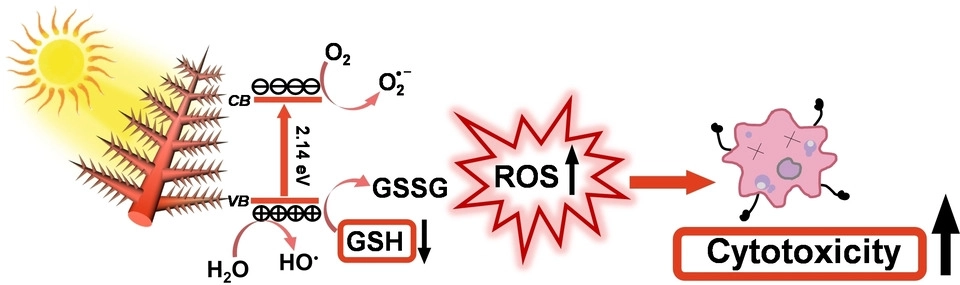
Self-Propelled Magnetic Dendrite-Shaped Microrobots for Photodynamic Prostate Cancer Therapy

Photocatalytic micromotors that exhibit wireless and controllable motion by light have been extensively explored for cancer treatment by photodynamic therapy (PDT). However, overexpressed glutathione (GSH) in the tumor microenvironment can down-regulate the reactive oxygen species (ROS) level for cancer therapy. Herein, we present dendrite-shaped light-powered hematite microrobots as an effective GSH depletion agent for PDT …

Self-Propelled Magnetic Dendrite-Shaped Microrobots for Photodynamic Prostate Cancer Therapy Read More »

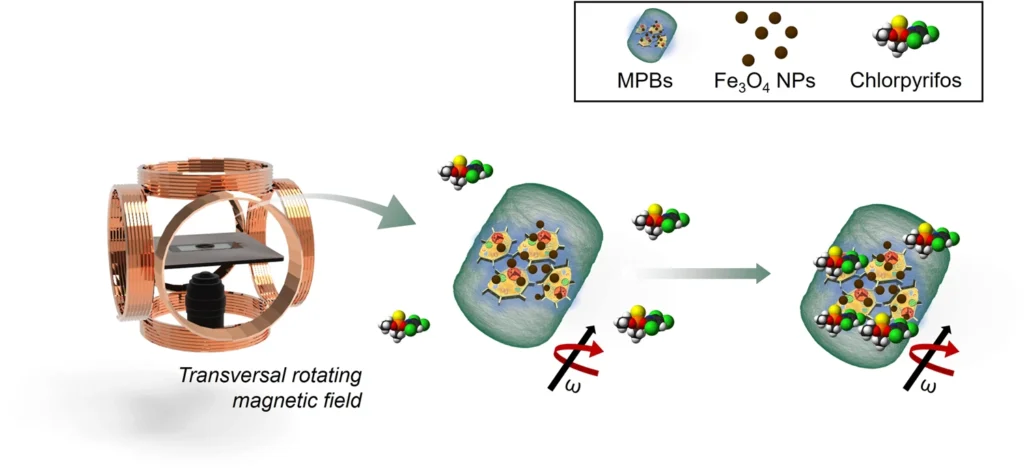
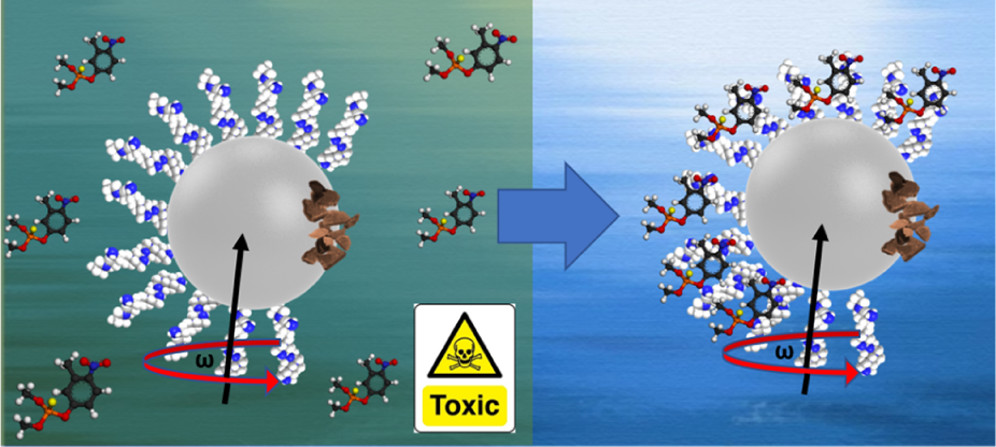
Engineered magnetic plant biobots for nerve agent removal

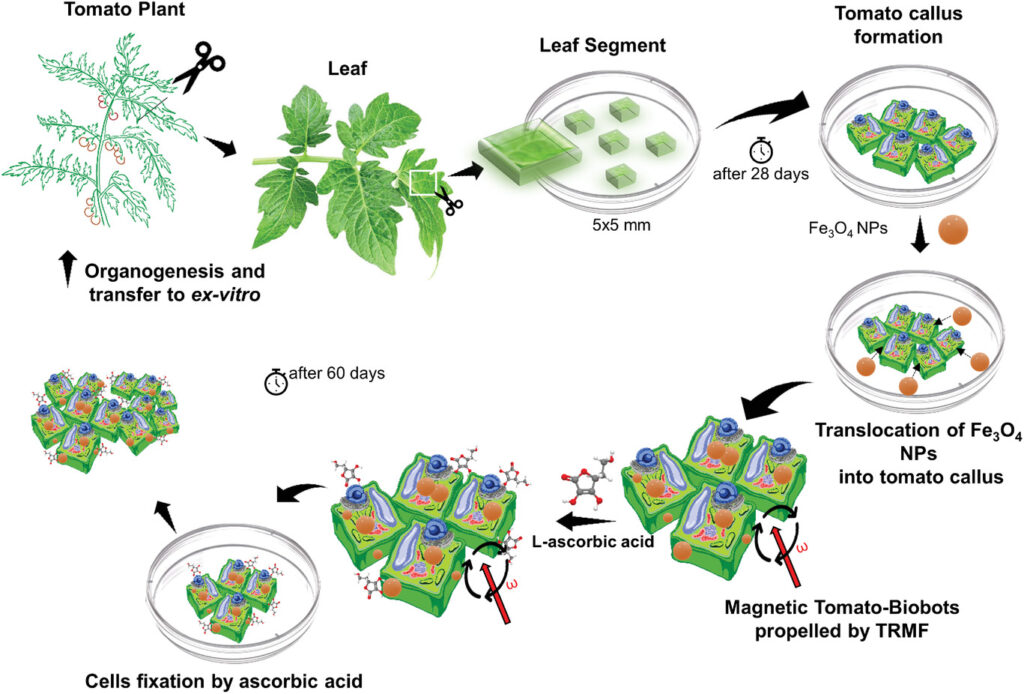
Biohybrid micro/nanorobots that integrate biological entities with artificial nanomaterials have shown great potential in the field of biotechnology. However, commonly used physical hybridization approaches can lead to blockages and damage to biological interfaces, impeding the optimal exploitation of natural abilities. Here, we show that magnetically propelled plant biobots (MPBs), employing tomato-callus cultivation engineering in the …

Engineered magnetic plant biobots for nerve agent removal Read More »

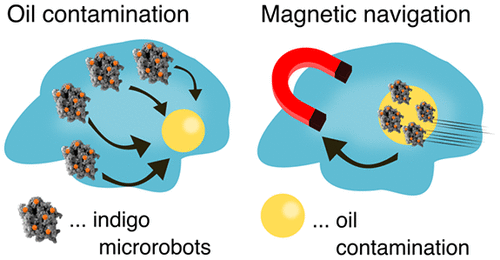
Swarming Magnetically Navigated Indigo-Based Hydrophobic Microrobots for Oil Removal

Removal of oil is very important for environmental remediation when considering its negative impacts on living organisms and on the quality of water, groundwater, and soil. Here, we report on the application of hydrophobic magnetic hydrogen-bonded organic pigment-based microrobots for oil removal. The microrobots can be wirelessly navigated in a transversal rotating magnetic field, with …

Swarming Magnetically Navigated Indigo-Based Hydrophobic Microrobots for Oil Removal Read More »

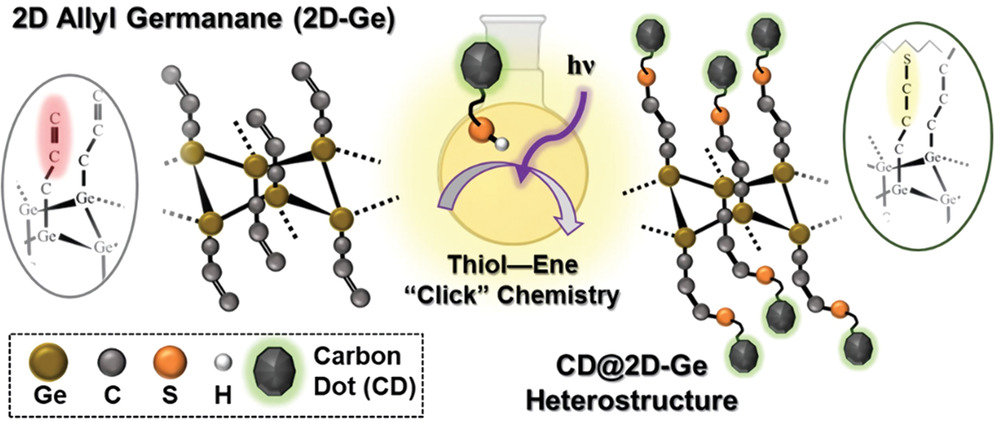
Synthetic Nanoarchitectonics of Functional Organic–Inorganic 2D Germanane Heterostructures via Click Chemistry

Succeeding graphene, 2D inorganic materials made of reactive van der Waals layers, like 2D germanane (2D-Ge) derivatives, have attracted great attention because their physicochemical characteristics can be entirely tuned by modulating the nature of the surface substituent. Although very interesting from a scientific point of view, almost all the reported works involving 2D-Ge derivatives are …

Synthetic Nanoarchitectonics of Functional Organic–Inorganic 2D Germanane Heterostructures via Click Chemistry Read More »

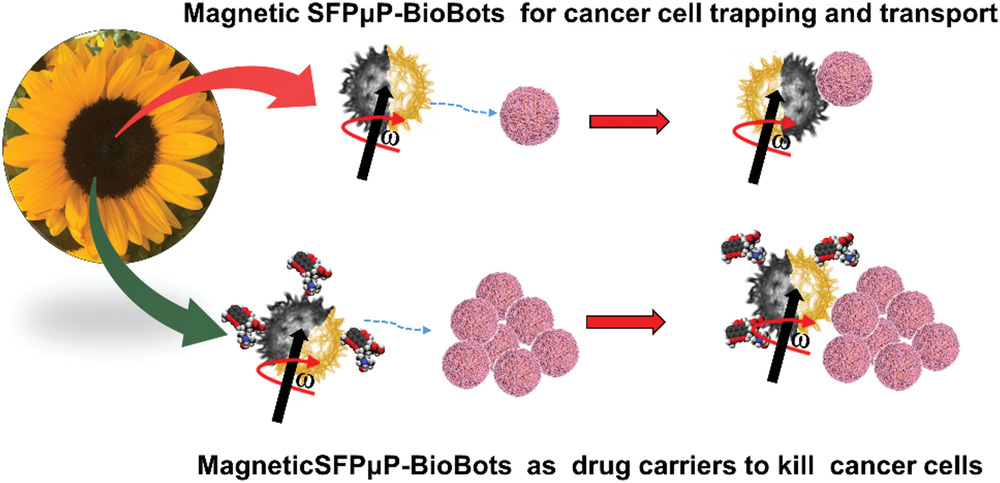
Pollen-Based Magnetic Microrobots are Mediated by Electrostatic Forces to Attract, Manipulate, and Kill Cancer Cells

Naturally occurring micro/nanoparticles provide an incredible array of potential sources when preparing hybrid micro/nanorobots and their intrinsic properties can be exploited as multitasking functionalities of modern robotics as well as ensuring their mass production availability. Herein, magnetic biological bots (BioBots) prepared from defatted sunflower pollen microparticles by ferromagnetic metal layer evaporation on one side of …

Pollen-Based Magnetic Microrobots are Mediated by Electrostatic Forces to Attract, Manipulate, and Kill Cancer Cells Read More »

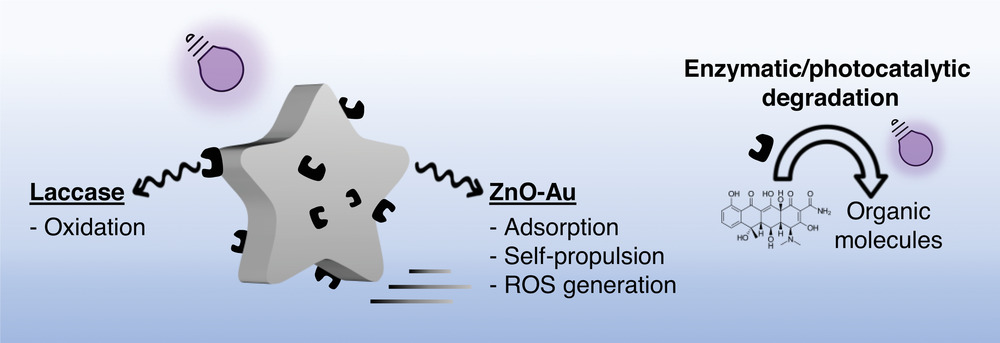
Hybrid Enzymatic/Photocatalytic Degradation of Antibiotics via Morphologically Programmable Light-Driven ZnO Microrobots

Antibiotics are antimicrobial substances that can be used for preventive and therapeutic purposes in humans and animals. Their overdose usage has led to uncontrolled release to the environment, contributing significantly to the development of antimicrobial resistance phenomena. Here, enzyme-immobilized self-propelled zinc oxide (ZnO) microrobots are proposed to effectively target and degrade the released antibiotics in …

Hybrid Enzymatic/Photocatalytic Degradation of Antibiotics via Morphologically Programmable Light-Driven ZnO Microrobots Read More »

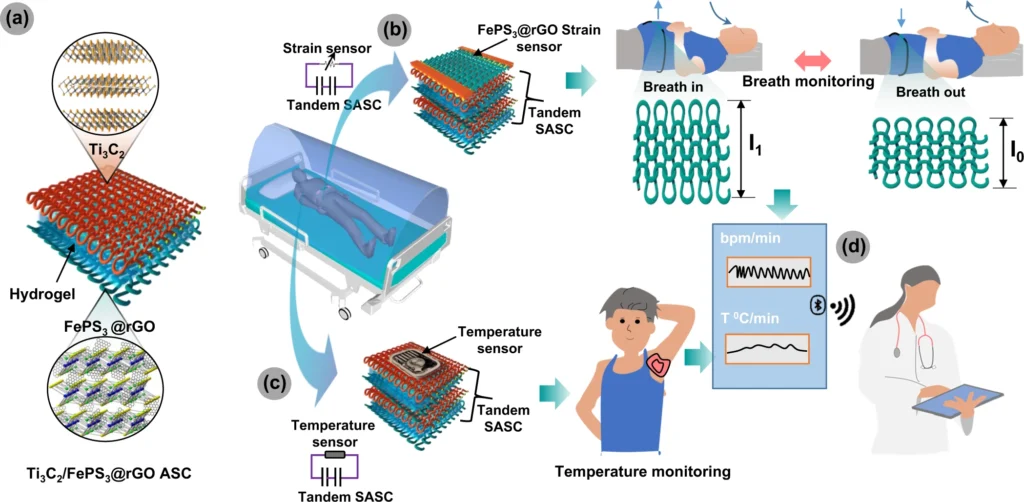
Telemedicine platform for health assessment remotely by an integrated nanoarchitectonics FePS3/rGO and Ti3C2-based wearable device

Due to the emergence of various new infectious (viral/bacteria) diseases, the remote surveillance of infected persons has become most important, especially if hospitals need to isolate infected patients to prevent the spreading of pathogens to health care personnel. Therefore, we develop a remote health monitoring system by integrating a stretchable asymmetric supercapacitor (SASC) as a …

Telemedicine platform for health assessment remotely by an integrated nanoarchitectonics FePS3/rGO and Ti3C2-based wearable device Read More »

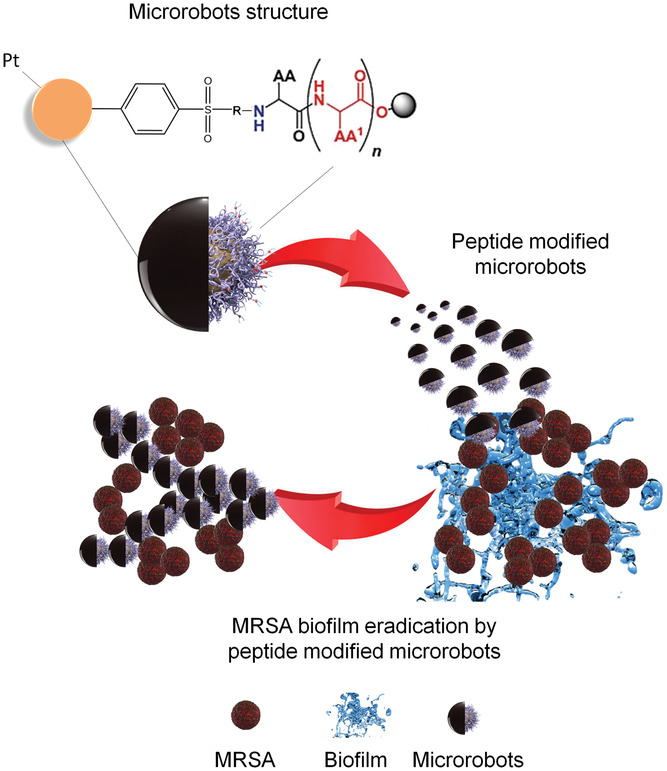
Microrobots with Antimicrobial Peptide Nanoarchitectonics for the Eradication of Antibiotic-Resistant Biofilms

Bacterial biofilms are composed of a consortium of bacteria that communicate with each other through quorum sensing. Therefore, bacteria can form an extracellular matrix, which is a mucus composed of exopolysaccharides, peptidoglycans, and extracellular DNA, through these communication molecules. The matrix protects the community of bacteria from the adverse effects of the external environment, including …

Microrobots with Antimicrobial Peptide Nanoarchitectonics for the Eradication of Antibiotic-Resistant Biofilms Read More »

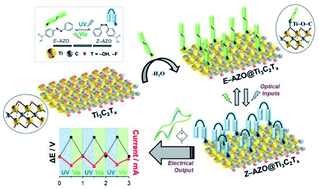
Electrically reading a light-driven molecular switch on 2D-Ti3C2Tx MXene via molecular engineering: towards responsive MXetronics

The contemporary digital revolution, which demands for miniaturized electronics, has prompted the search for molecule-based nanomaterials that handle some of the computational logic functions—which relates the concept of zeros (0) and ones (1) in binary code—reached by mainstream silicon-based semiconductor technology. Herein, the feasibility of emerging 2D transition metal carbide (MXene) derivatives to write, erase …

Electrically reading a light-driven molecular switch on 2D-Ti3C2Tx MXene via molecular engineering: towards responsive MXetronics Read More »

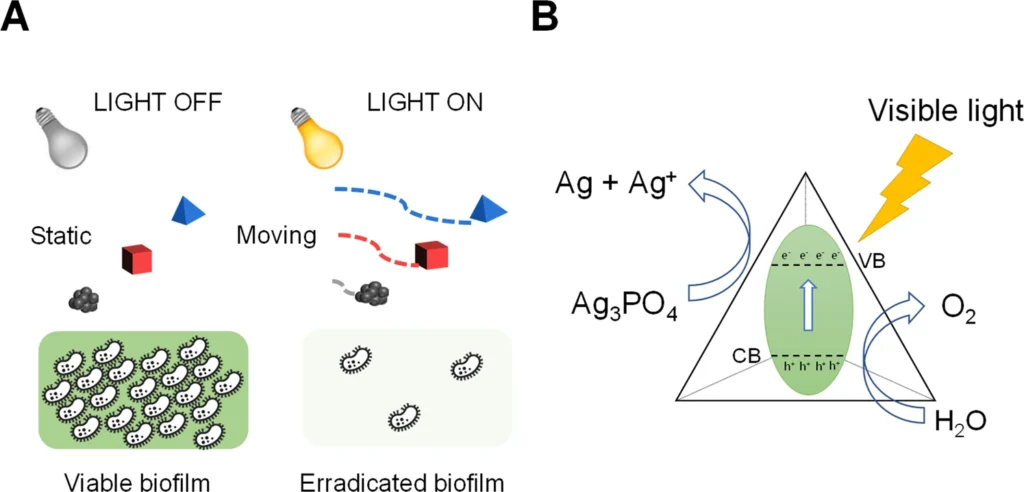
Facet nanoarchitectonics of visible-light driven Ag3PO4 photocatalytic micromotors: Tuning motion for biofilm eradication

The customized design of micro-/nanomotors represents one of the main research topics in the field of micro-/nanomotors; however, the effects of different crystal facets on micromotor movement are often neglected. In this work, self-propelled amorphous, cubic, and tetrahedral Ag3PO4 particles were synthetized using a scalable precipitation method. Their programmable morphologies exhibited different motion properties under …

Facet nanoarchitectonics of visible-light driven Ag3PO4 photocatalytic micromotors: Tuning motion for biofilm eradication Read More »

Fully Programmable Collective Behavior of Light-Powered Chemical Microrobotics: pH-Dependent Motion Behavior Switch and Controlled Cancer Cell Destruction

The development of fuel-free light-powered multi stimuli-responsive microrobots is becoming a vital field in biomedical research. The challenge is to design biomedical robots with precise motion control and novel functionalities such that one day they will stand alongside medical staff as fully fledged partners in the delivery of advanced non-invasive therapeutic procedures. In this study, …

Fully Programmable Collective Behavior of Light-Powered Chemical Microrobotics: pH-Dependent Motion Behavior Switch and Controlled Cancer Cell Destruction Read More »

Trapping and detecting nanoplastics by MXene-derived oxide microrobots

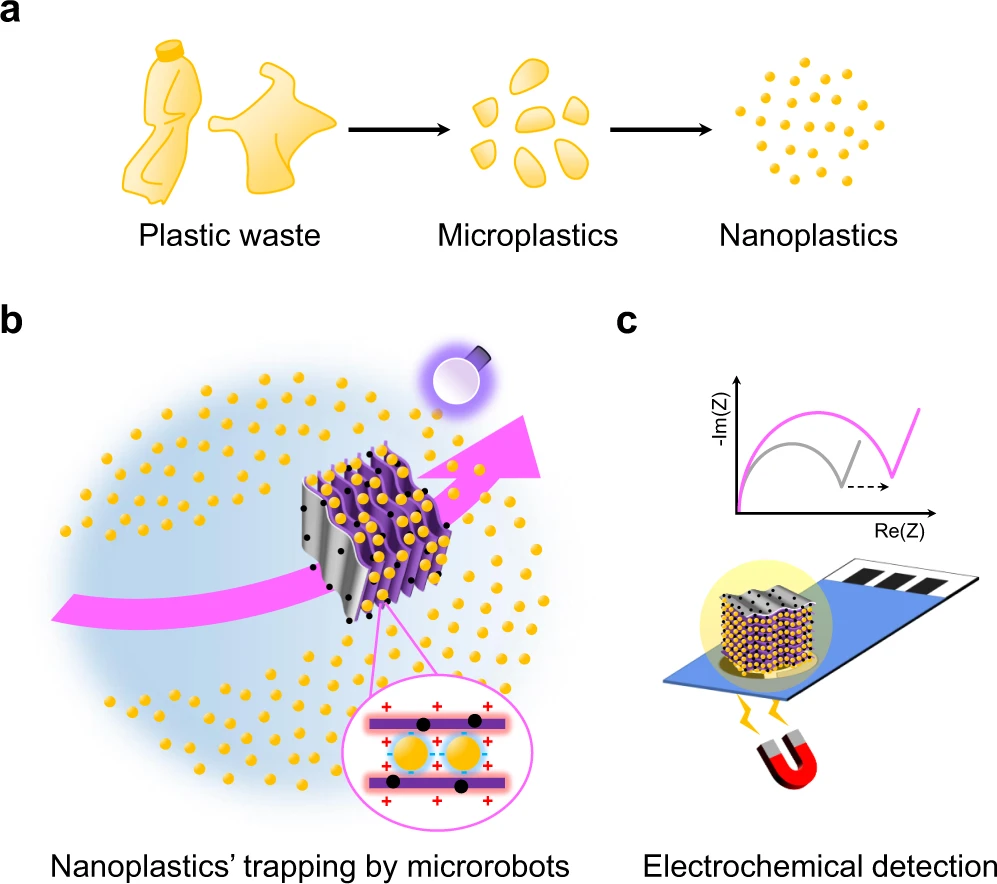
Nanoplastic pollution, the final product of plastic waste fragmentation in the environment, represents an increasing concern for the scientific community due to the easier diffusion and higher hazard associated with their small sizes. Therefore, there is a pressing demand for effective strategies to quantify and remove nanoplastics in wastewater. This work presents the “on-the-fly” capture …

Trapping and detecting nanoplastics by MXene-derived oxide microrobots Read More »

Al2O3/Covalent Organic Framework on 3D-Printed Nanocarbon Electrodes for Enhanced Biomarker Detection

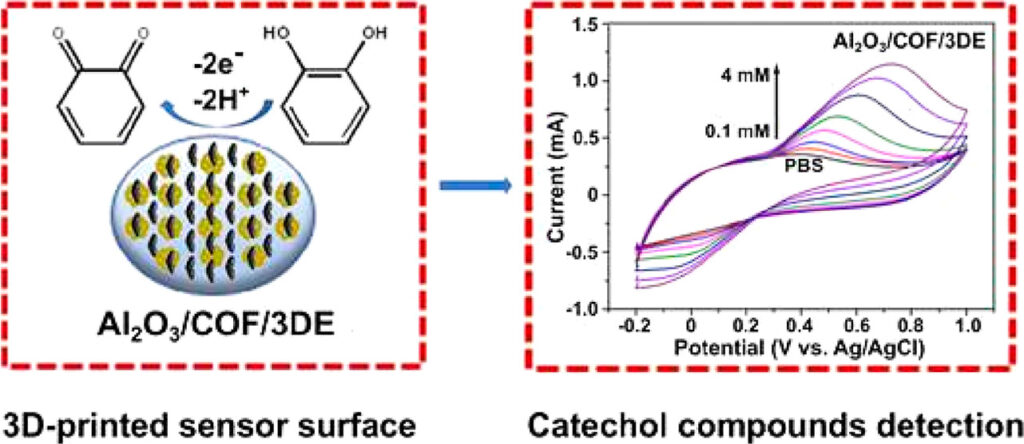
With the advantages of on-demand customization, 3D-printing techniques have elevated the horizon of various fields. The as-printed 3D structures often require postmodification to enhance their properties. Here, we describe the use of molecularly precise covalent framework modification in combination with atomic layer deposition (ALD) to construct advanced sensors. First, a high-stability electrode was obtained by …

Al2O3/Covalent Organic Framework on 3D-Printed Nanocarbon Electrodes for Enhanced Biomarker Detection Read More »

Design of bimetallic 3D-printed electrocatalysts via galvanic replacement to enhance energy conversion systems

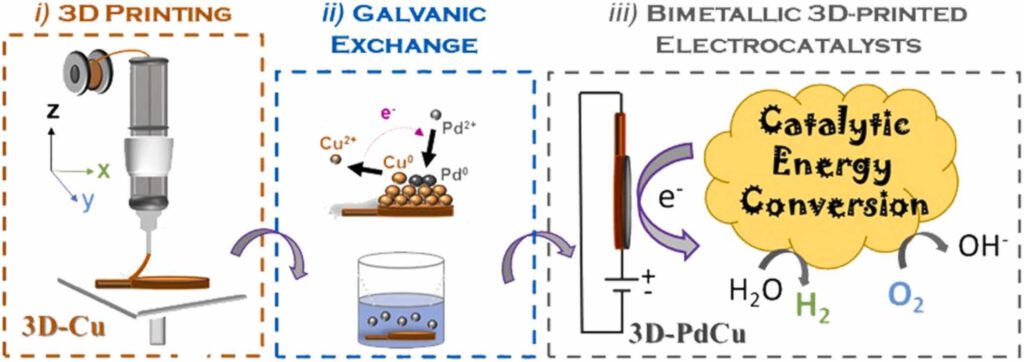
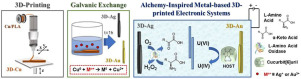
3D-printing (also known as additive manufacturing) has recently emerged as an appealing technology to fight against the mainstream use of carbon-based fossil fuels by the large-scale, decentralized, and sustainable manufacturing of 3D-printed electrodes for energy conversion devices. Although promising strides have been made in this area, the tunability and implementation of cost-effective metal-based 3D-printed electrodes …

Design of bimetallic 3D-printed electrocatalysts via galvanic replacement to enhance energy conversion systems Read More »

Microrobotic photocatalyst on-the-fly: 1D/2D nanoarchitectonic hybrid-based layered metal thiophosphate magnetic micromachines for enhanced photodegradation of nerve agent

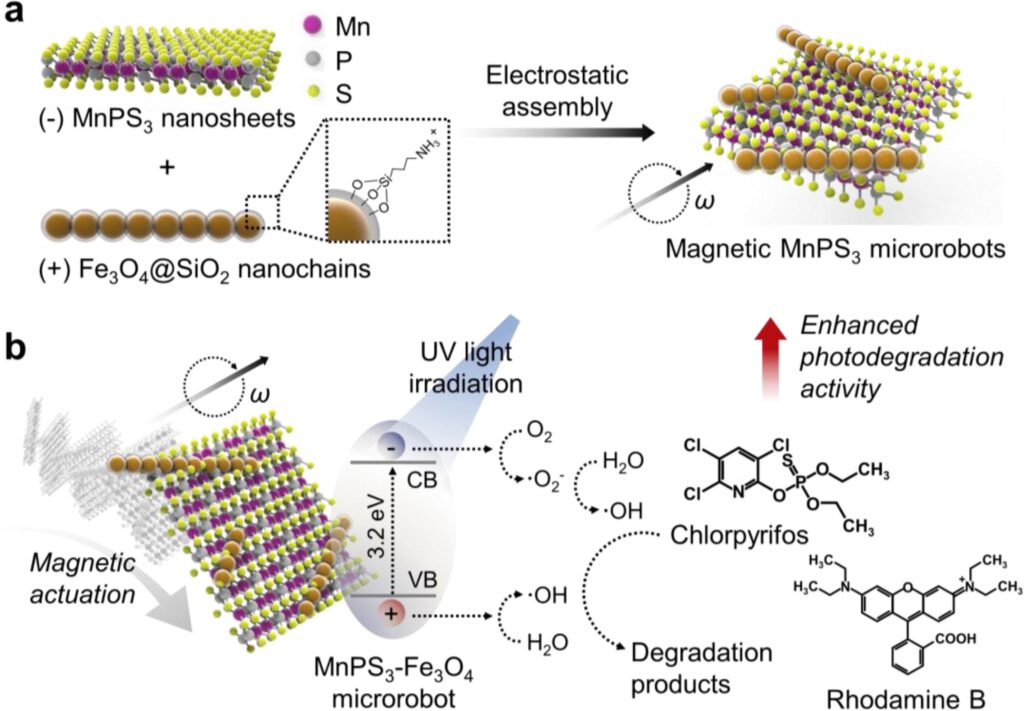
Micro/nanorobots, deployed to programmable missions, are at the forefront of next-generation machinery and robotics. Here, we present magnetically actuated 2D-microrobot photocatalysts with enhanced photocatalysis due to enhanced mass transfer by photocatalytic on-the-fly microrobot action. The magnetic 2D-microrobots, consisting of layered manganese thiophosphates (MnPS3) and Fe3O4 nanochains, are fabricated by electrostatic assembly, which provides versatile and …

Microrobotic photocatalyst on-the-fly: 1D/2D nanoarchitectonic hybrid-based layered metal thiophosphate magnetic micromachines for enhanced photodegradation of nerve agent Read More »

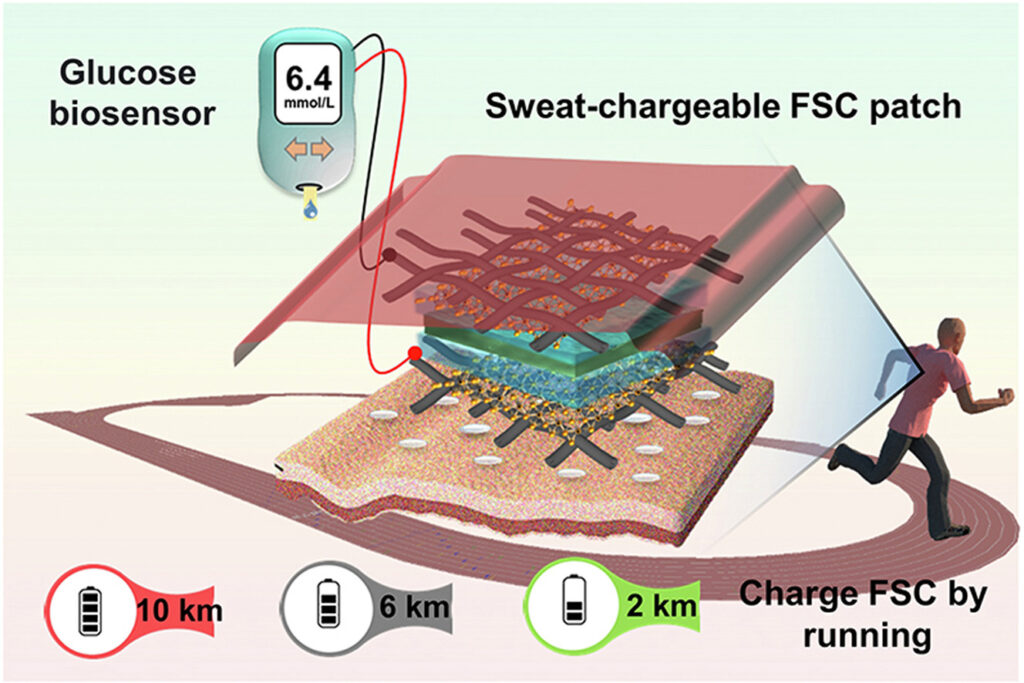
Flexible wearable MXene Ti3C2-Based power patch running on sweat

Flexible supercapacitors (FSCs) have received a lot of interest as portable power sources for wearable electronics. The biocompatibility of electrodes and electrolytes in wearable FSCs is important to consider although research into these topics is still in its early stages. In this work, we developed a wearable FSC that uses MXene Ti3C2 nanosheets and polypyrrole-carboxymethylcellulose …

Flexible wearable MXene Ti3C2-Based power patch running on sweat Read More »

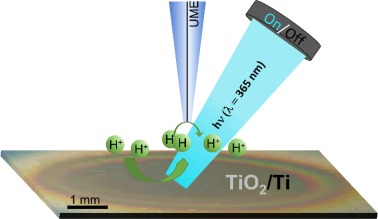
Photoelectrolysis of TiO2 is highly localized and the selectivity is affected by the light

On the way to sustainable prosperity for future generations, photoelectrochemistry is becoming a key area for energy conversion and the environmentally friendly generation of chemical resources because it combines the advantages of electrochemical and photochemical processes. Highly active catalyst materials with excellent selectivity towards the desired reaction are certainly required for efficient processes. Understanding the …

Photoelectrolysis of TiO2 is highly localized and the selectivity is affected by the light Read More »

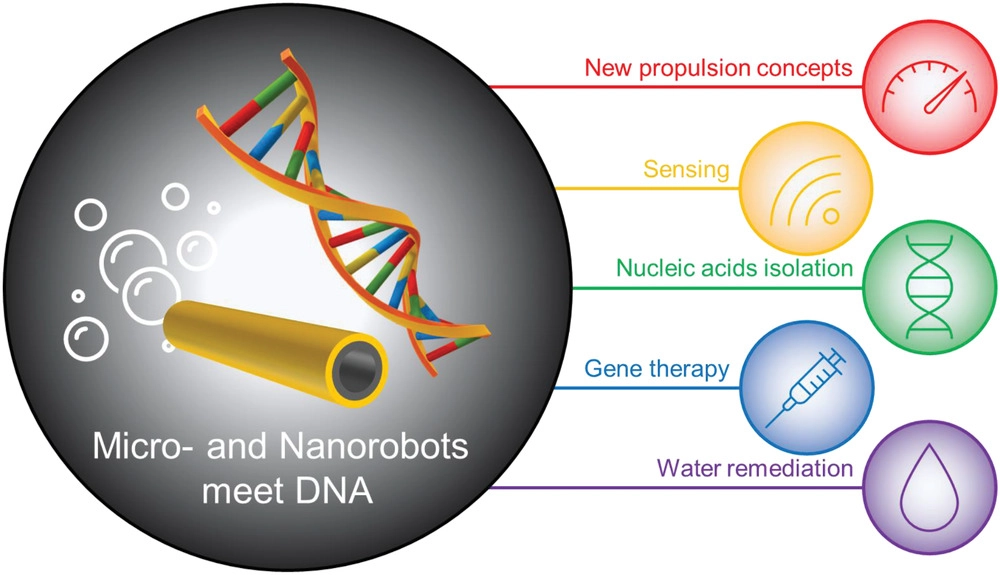
Micro- and Nanorobots Meet DNA

DNA, the well-known molecule that carries the genetic information of almost all forms of life, represents a pivotal element in formulating intelligent and versatile micro/nanorobotic systems. DNA-functionalized micro/nanorobots have opened new and exciting opportunities in many research areas due to the synergistic combination of self-propulsion at the micro/nanoscale and the high specificity and programmability of …

Micro- and Nanorobots Meet DNA Read More »

Dual polymer engineering enables high-performance 3D printed Zn-organic battery cathodes

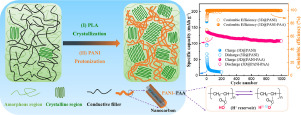
Fused deposition modeling (FDM) 3D-printed one-dimensional (1D) carbon materials show great potential as skeletons for newly emerged aqueous Zn-organic batteries due to their well-entangled conductive networks and design flexibility in on-demand fabrication. However, (i) the insulating character of commonly used thermoplastic polymers in FDM 3D printing and (ii) the incompatibility between organic cathodes and cost-efficient …

Dual polymer engineering enables high-performance 3D printed Zn-organic battery cathodes Read More »

Micellar Polymer Magnetic Microrobots as Efficient Nerve Agent Microcleaners

Micro-/nanorobot technology has developed rapidly in recent years due to their great potential to perform multiple tasks. Here, we develop magnetic microrobots prepared as polycaprolactone/Fe3O4 microspheres covered by micellar polyethyleneimine and use them to efficiently remove a nerve agent from contaminated water. The magnetic polymeric microrobots presented in this work removed around 60% of the …

Micellar Polymer Magnetic Microrobots as Efficient Nerve Agent Microcleaners Read More »

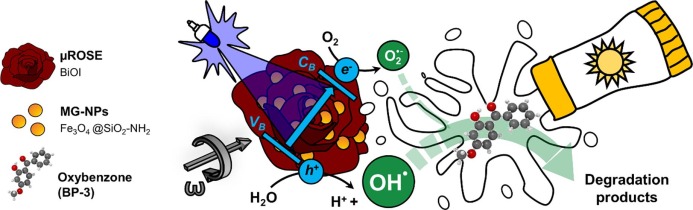
Hybrid magneto-photocatalytic microrobots for sunscreens pollutants decontamination

Growing awareness of the harmful effects derived from sunlight overexposure has led to a regular use of sunscreens. Nonetheless, major environmental side-effects have been concurrently originated due to the increasing concentration of related pollutants. Considering the advantages that microrobots offer for water remediation tasks, magnetically-driven photoactive microrobots (i.e., MG-µROSES) are here developed as a pioneering …

Hybrid magneto-photocatalytic microrobots for sunscreens pollutants decontamination Read More »

Functional metal-based 3D-printed electronics engineering: Tunability and bio-recognition

3D-printing technology has brought light to the large-scale and sustainable production of a wide range of low-cost electronic devices with custom forms on-demand. Despite the current availability of mainstream carbon-based nanocomposite filaments, 3D-printing of noble metals is nowadays a challenge. Herein, a one-step functionalization approach has been devised for the straightforward and cost-effective manufacturing of …

Functional metal-based 3D-printed electronics engineering: Tunability and bio-recognition Read More »

Photo-Responsive Doped 3D-Printed Copper Electrodes for Water Splitting: Refractory One-Pot Doping Dramatically Enhances the Performance

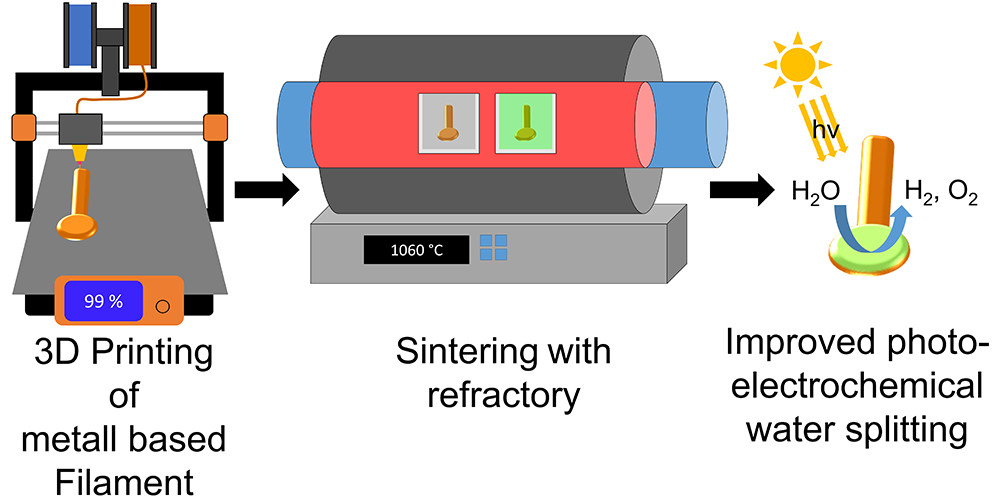
3D-printed electrochemical systems and devices are highly interesting due to their customizability and point-of-need fabrication capabilities. The most common and accessible fused deposition modeling (FDM) often requires modification of the resulting material, usually by atomic layer deposition or electrodeposition. We show doping of FDM-printed copper electrodes with metal oxide crystals via a one-pot preparation step. …

Photo-Responsive Doped 3D-Printed Copper Electrodes for Water Splitting: Refractory One-Pot Doping Dramatically Enhances the Performance Read More »

Magnetic Biohybrid Robots as Efficient Drug Carrier to Generate Plant Cell Clones

Micro/nanorobots represent a new generation of micromachines that can accomplish various tasks, such as loading and transporting specific targets or pharmaceuticals for a given application. Biohybrid robots consisting of biological cells (bacteria, sperm, and microalgae) combined with inorganic particles to control or propel their movement are of particular interest. The skeleton of these biohybrid robots …

Magnetic Biohybrid Robots as Efficient Drug Carrier to Generate Plant Cell Clones Read More »

Light-Propelled Nanorobots for Facial Titanium Implants Biofilms Removal

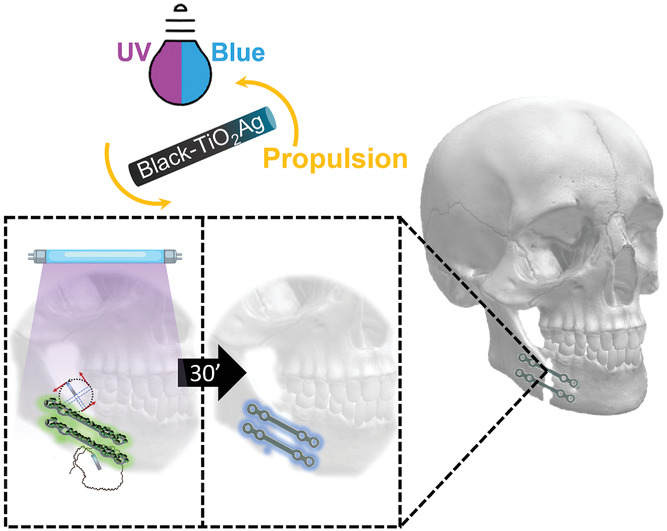
Titanium miniplates are biocompatible materials used in modern oral and maxillofacial surgery to treat facial bone fractures. However, plate removal is often required due to implant complications. Among them, a biofilm formation on an infected miniplate is associated with severe inflammation, which frequently results in implant failure. In light of this, new strategies to control …

Light-Propelled Nanorobots for Facial Titanium Implants Biofilms Removal Read More »

Swarming Magnetic Photoactive Microrobots for Dental Implant Biofilm Eradication

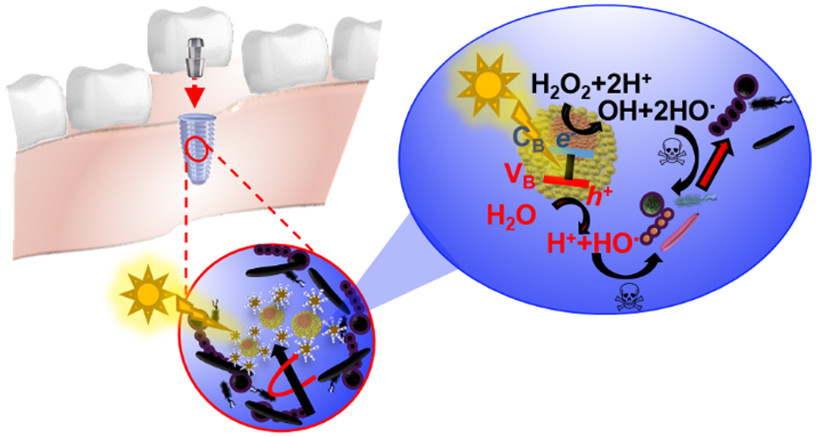
Titanium dental implants are a multibillion dollar market in the United States alone. The growth of a bacterial biofilm on a dental implant can cause gingivitis, implant loss, and expensive subsequent care. Herein, we demonstrate the efficient eradication of dental biofilm on titanium dental implants via swarming magnetic microrobots based on ferromagnetic (Fe3O4) and photoactive …

Swarming Magnetic Photoactive Microrobots for Dental Implant Biofilm Eradication Read More »

Two-dimensional vanadium sulfide flexible graphite/polymer films for near-infrared photoelectrocatalysis and electrochemical energy storage

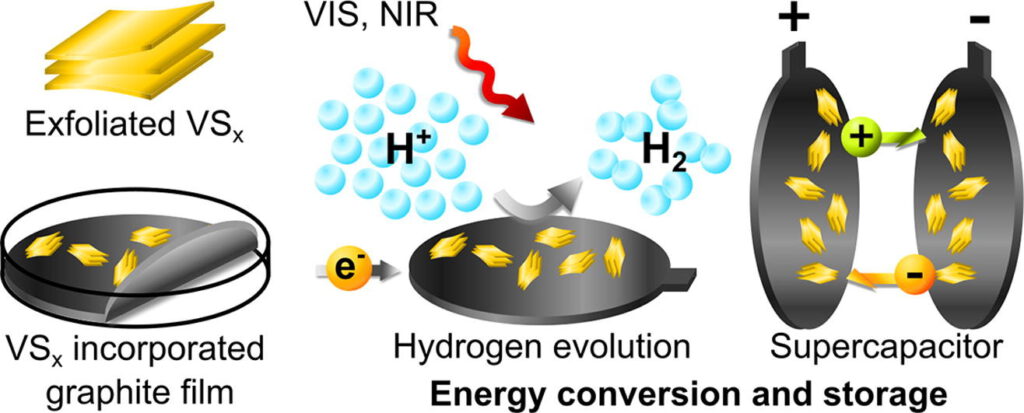
Modern wearable electronics require scalable, flexible, and conductive electrodes with tunable properties. Abundant materials such as graphite as a conductive component and polymer as a flexible component forming a composite film (electrode) via simple synthesis technique are particularly captivating. This approach conveniently satisfies the fundamental needs of an ideal electrode yet provides a conductive platform …

Two-dimensional vanadium sulfide flexible graphite/polymer films for near-infrared photoelectrocatalysis and electrochemical energy storage Read More »

Fluorinated Transition Metal Carbides for Flexible Supercapacitors

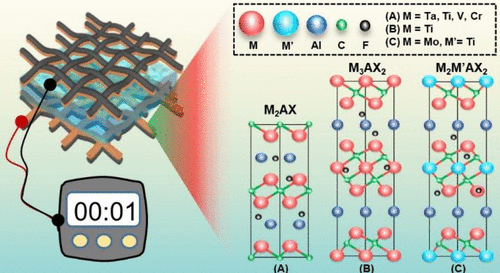
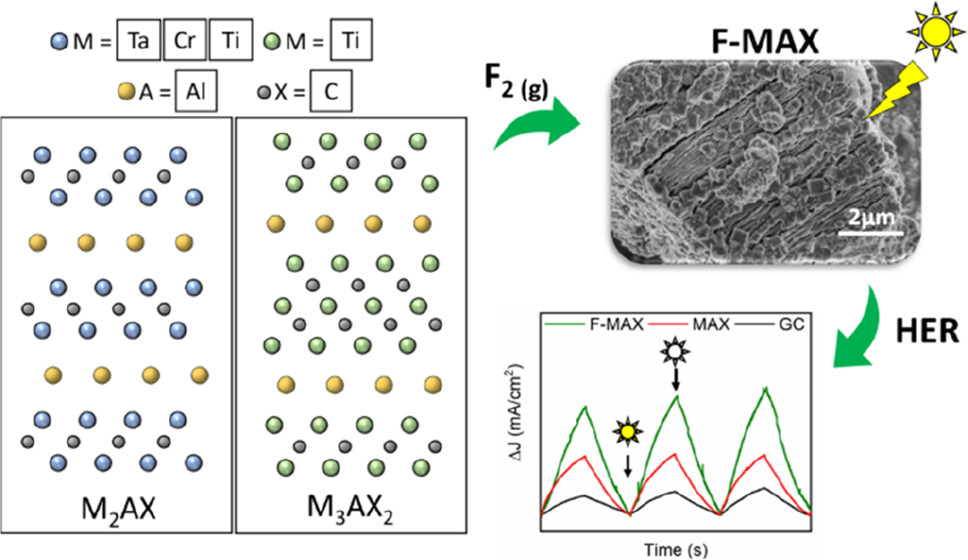
The mixed, hexagonal, layered carbides and nitrides known as the MAX phases are utilized in diverse electrochemical devices, in similar ways as graphite is used. Fluorinated graphite shows significantly improved electrochemical energy storage performance when compared to graphite, and while the carbides MAX phases are extensively studied, fluorine-doped MAX phases are yet to be examined. …

Fluorinated Transition Metal Carbides for Flexible Supercapacitors Read More »

Shape-Controlled Self-Assembly of Light-Powered Microrobots into Ordered Microchains for Cells Transport and Water Remediation

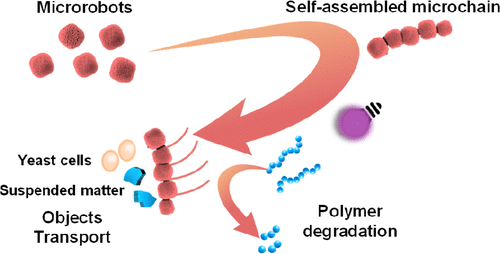
Nature presents the collective behavior of living organisms aiming to accomplish complex tasks, inspiring the development of cooperative micro/nanorobots. Herein, the spontaneous assembly of hematite-based microrobots with different shapes is presented. Autonomous motile light-driven hematite/Pt microrobots with cubic and walnut-like shapes are prepared by hydrothermal synthesis, followed by the deposition of a Pt layer to …

Shape-Controlled Self-Assembly of Light-Powered Microrobots into Ordered Microchains for Cells Transport and Water Remediation Read More »

Faceted Crystal Nanoarchitectonics of Organic−Inorganic 3D-Printed Visible-Light Photocatalysts

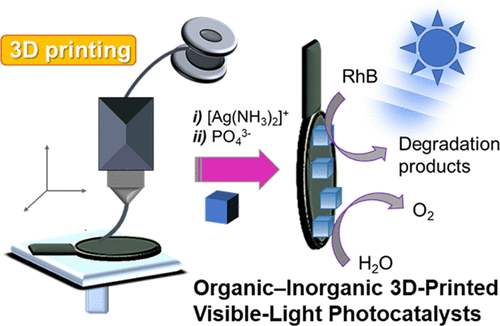
Facet-dependent photocatalytic properties are intrinsic characteristics of several inorganic semiconductors. Herein, faceted crystal engineering and 3D-printing technology have been combined for the fabrication of the first organic–inorganic 3D-printed visible-light photocatalyst prototypes. As a proof-of-concept, two facet crystal nanoarchitectonics have been devised by in situ synthesizing Ag3PO4 nanoarchitectures with tunable─amorphous and faceted─shapes upon 3D-printed graphene/polylactic acid …

Faceted Crystal Nanoarchitectonics of Organic−Inorganic 3D-Printed Visible-Light Photocatalysts Read More »

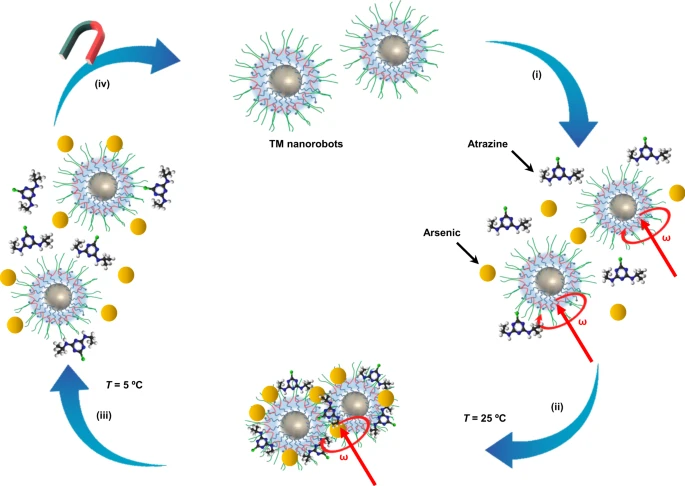
Pick up and dispose of pollutants from water via temperature-responsive micellar copolymers on magnetite nanorobots

Nano/micromotor technology is evolving as an effective method for water treatment applications in comparison to existing static mechanisms. The dynamic nature of the nano/micromotor particles enable faster mass transport and a uniform mixing ensuring an improved pollutant degradation and removal. Here we develop thermosensitive magnetic nanorobots (TM nanorobots) consisting of a pluronic tri-block copolymer (PTBC) …

Pick up and dispose of pollutants from water via temperature-responsive micellar copolymers on magnetite nanorobots Read More »

Biodegradable polyester platform for extrusion-based bioprinting

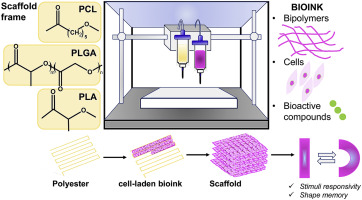
3D extrusion-based bioprinting has become an emerging tissue engineering technology to produce complex biomimetic structures for a reconstitution of living tissues. Simultaneous dispensing of two and more (bio)polymer materials affords the fabrication of functional 3D constructions displaying both bioactivity (bioink) and defined architecture and shape (scaffold frame). To fabricate biocompatible and biodegradable 3D scaffolds, aliphatic …
Biodegradable polyester platform for extrusion-based bioprinting Read More »

Fluorinated MAX Phases for Photoelectrochemical Hydrogen Evolution

Photoelectrochemical generation of hydrogen from water is considered to be the most appealing solution for the replacement of fossil fuels as a source of energy. For this reason, the study of novel and affordable materials with high energy conversion efficiencies is currently a crucial objective for the scientific community. Chemical modification of two-dimensional (2D) and …
Fluorinated MAX Phases for Photoelectrochemical Hydrogen Evolution Read More »

3D-Printed SARS-CoV-2 RNA Genosensing Microfluidic System

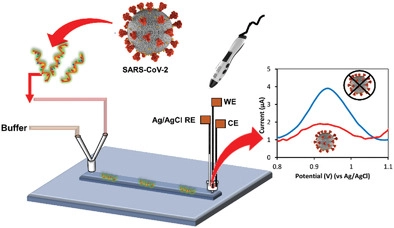
Additive manufacturing technology, referred as 3D printing technology, is a growing research field with broad applications from nanosensors fabrication to 3D printing of buildings. Nowadays, the world is dealing with a pandemic and requires the use of simple sensing systems. Here, the strengths of fast screening by a lab-on-a-chip device through electrochemical detection using 3D …
3D-Printed SARS-CoV-2 RNA Genosensing Microfluidic System Read More »

Nano/Microplastics Capture and Degradation by Autonomous Nano/Microrobots: A Perspective

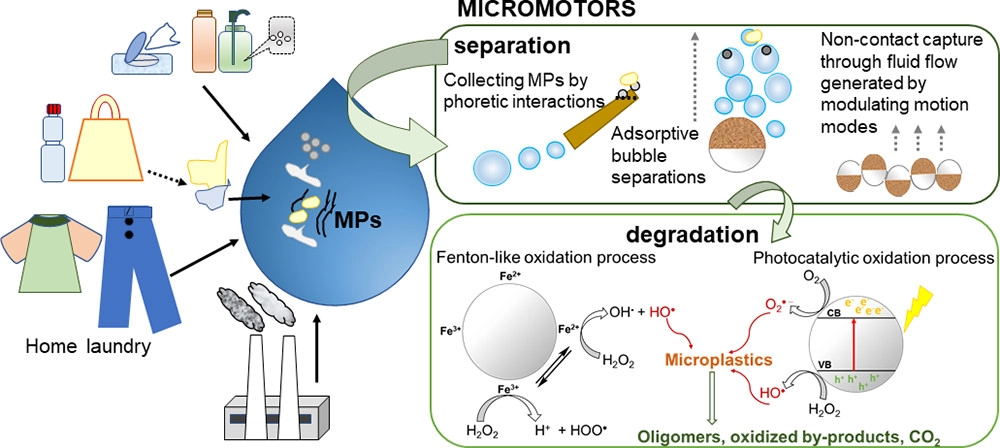
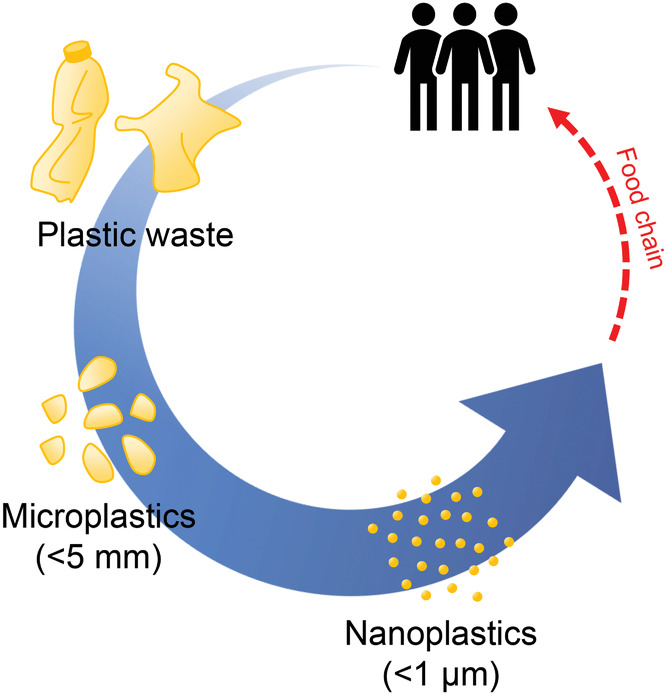
The growing use of plastic materials has led to the continuous accumulation of wastes in marine environments, which fragment into hazardous micro-and nanoplastics. These plastic particles absorb toxic organic pollutants on their surface, support bacterial biofilms growth, and propagate through the food chain, posing serious risks for human health. Therefore, nano/microplastics pollution has become a …

Nano/Microplastics Capture and Degradation by Autonomous Nano/Microrobots: A Perspective Read More »

Micromachines for Microplastics Treatment

The increasing accumulation of persistent nondegradable microplastics in the marine environment represents a global environmental problem. Among emerging approaches to tackle microplastics are micro- and nanomotors, tiny devices capable of autonomous propulsion powered by chemical fuels or light. These devices are capable of on-the-fly recognition, capture, and decomposition of pollutants. In the past, various micromotors …

Micromachines for Microplastics Treatment Read More »

Self-Propelled Multifunctional Microrobots Harboring Chiral Supramolecular Selectors for “Enantiorecognition-on-the-Fly”

Herein, a general procedure for the synthesis of multifunctional MRs, which simultaneously exhibit i) chiral, ii) magnetic, and iii) fluorescent properties in combination with iv) self-propulsion, is reported. Self-propelled Ni@Pt superparamagnetic microrockets have been functionalized with fluorescent CdS quantum dots carrying a chiral host biomolecule as β-cyclodextrin (β-CD). The “on-the-fly” chiral recognition potential of MRs has been …

Self-Propelled Multifunctional Microrobots Harboring Chiral Supramolecular Selectors for “Enantiorecognition-on-the-Fly” Read More »

Enzyme-Photocatalyst Tandem Microrobot Powered by Urea for Escherichia coli Biofilm Eradication

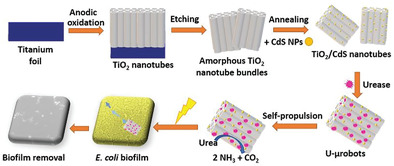
Urinary-based infections affect millions of people worldwide. Such bacterial infections are mainly caused by Escherichia coli (E. coli) biofilm formation in the bladder and/or urinary catheters. Herein, the authors present a hybrid enzyme/photocatalytic microrobot, based on urease-immobilized TiO2/CdS nanotube bundles, that can swim in urea as a biocompatible fuel and respond to visible light. Upon …

Enzyme-Photocatalyst Tandem Microrobot Powered by Urea for Escherichia coli Biofilm Eradication Read More »

Plasmonic-magnetic nanorobots for SARS-CoV-2 RNA detection through electronic readout

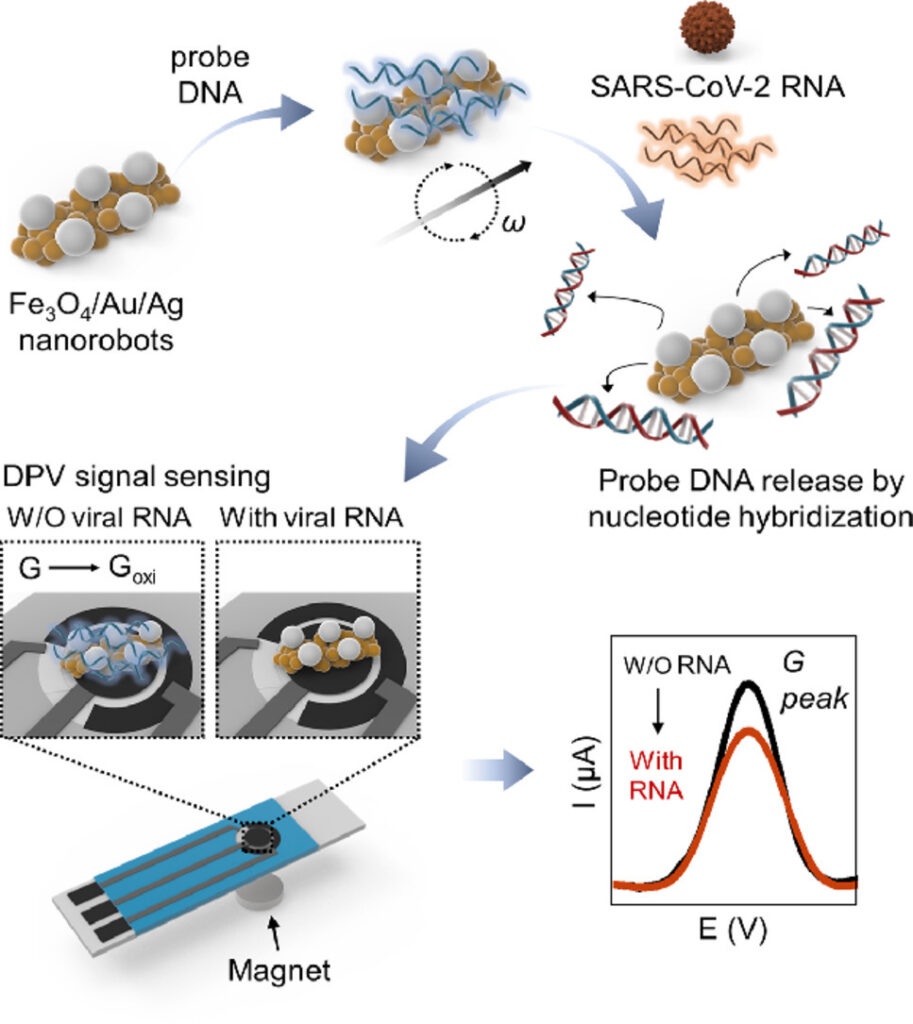
The coronavirus disease 2019 (COVID‐19) has prompted an urgent demand for nanotechnological solutions towards the global healthcare crisis, particularly in the field of diagnostics, vaccines, and therapeutics. As an emerging tool for nanoscience and technology, micro/nanorobots have demonstrated advanced performances, such as self-propelling, precise maneuverability, and remote actuation, thus hold great potential to provide breakthroughs …

Plasmonic-magnetic nanorobots for SARS-CoV-2 RNA detection through electronic readout Read More »

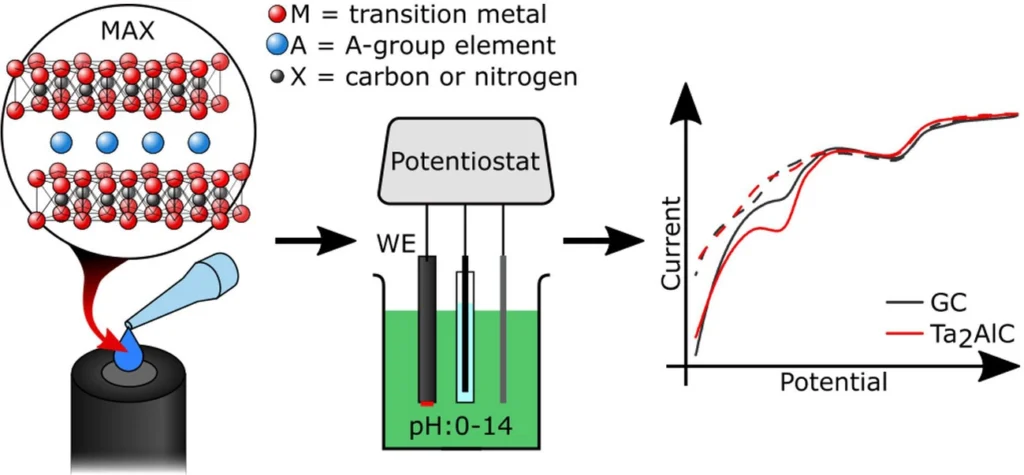
Layered MAX phase electrocatalyst activity is driven by only a few hot spots

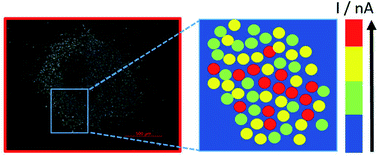
Layered metal carbides, MAX phases, have gained significant interest in the scientific community due to their electrocatalytic and electrochemical properties. Among various MAX phases, Mo2TiAlC2 has driven much attention because of its enhanced electrochemical activity for the hydrogen evolution reaction (HER). So far, the macroscopic HER performance has been investigated by traditional electrochemical techniques such …

Layered MAX phase electrocatalyst activity is driven by only a few hot spots Read More »

Collective behavior of magnetic microrobots through immuno-sandwich assay: On-the-fly COVID-19 sensing

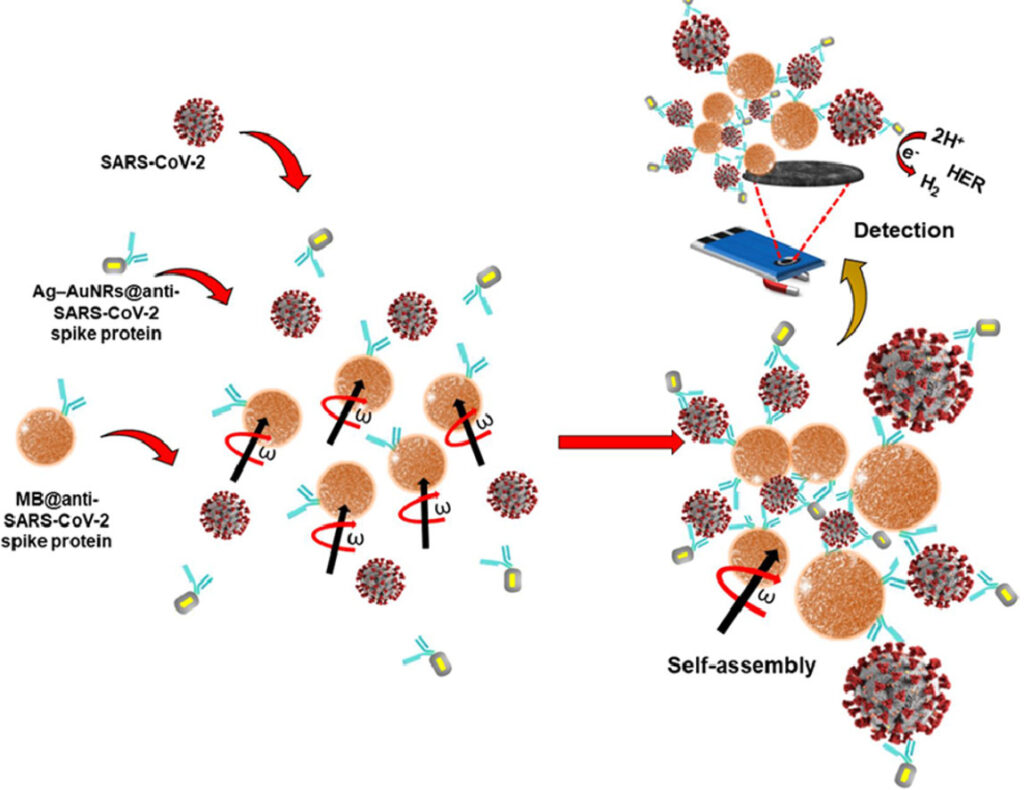
Mobile self-propelled micro/nanorobots are mobile binding surface that improved the sensitivity of many biosensing system by “on-the-fly” identification and isolation of different biotargets. Proteins are powerful tools to predict infectious disease progression such as COVID-19. The main methodology used to COVID-19 detection is based on ELISA test by antibodies detection assays targeting SARS-CoV-2 virus spike …

Collective behavior of magnetic microrobots through immuno-sandwich assay: On-the-fly COVID-19 sensing Read More »

Shape Engineering of TiO2 Microrobots for “On-the-Fly” Optical Brake

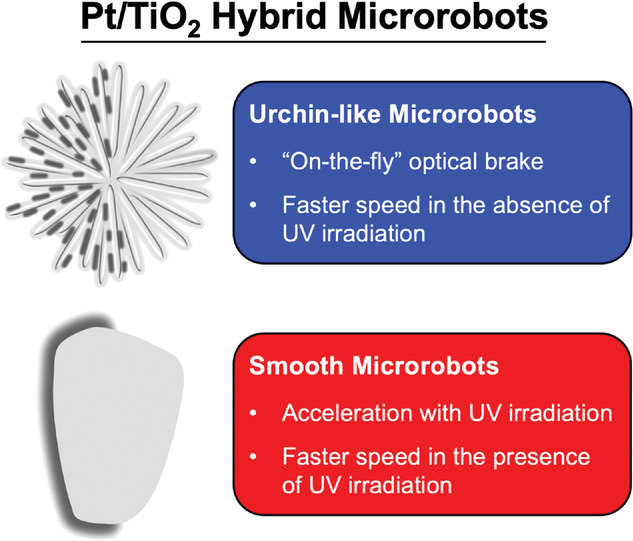
Hybrid microrobots have recently attracted attention due to their ability to combine different energy sources and/or external stimuli for propulsion and performing desired tasks. Despite progresses in the past, on-demand speed modulation for hybrid microrobots has not been analyzed in detail. Herein, the influence of surface properties and crystallite size on the propulsion mechanism of …

Shape Engineering of TiO2 Microrobots for “On-the-Fly” Optical Brake Read More »

Biotemplating of Metal–Organic Framework Nanocrystals for Applications in Small-Scale Robotics

Biotemplating is a powerful approach for manufacturing small-scale devices. Here, the assembly of metal–organic framework (MOF) nanocrystals onto biotemplated magnetic helical structures on the cyanobacterium Spirulina platensis is reported. It is demonstrated that the authors’ approach is universal and can be used to equip biotemplated structures with different functional MOF systems. The successful assembly of …

Biotemplating of Metal–Organic Framework Nanocrystals for Applications in Small-Scale Robotics Read More »

Autonomous self-propelled MnO2 micromotors for hormones removal and degradation

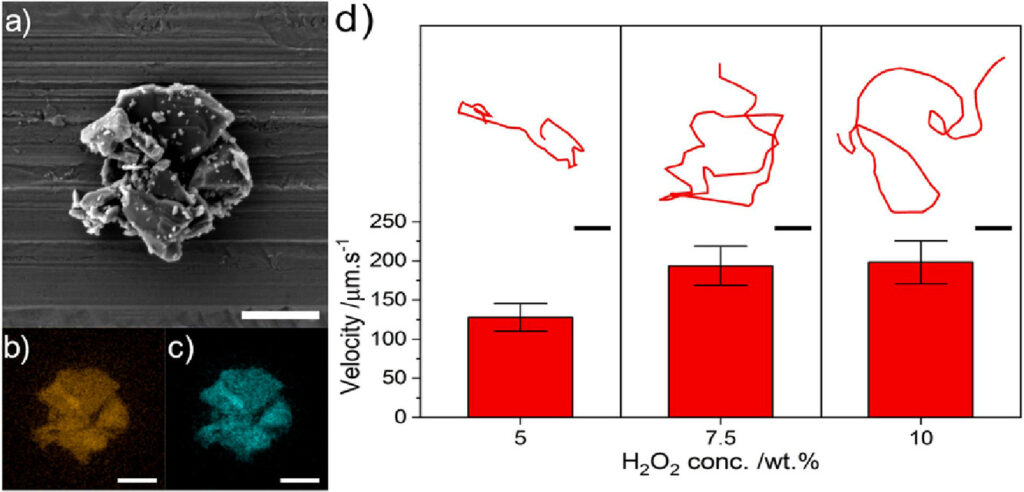
Nowadays, endocrine-disrupting chemicals are recognized as among the most dangerous compounds for marine life and human health as well. Here, we present the use of commercially available MnO2 microparticles as self-propelled micromotors for on-the-fly photocatalytic degradation and removal of the β-estradiol hormone due to the micromotors’ self-propulsion ability and photoactivity. Effective removal of the contaminant …

Autonomous self-propelled MnO2 micromotors for hormones removal and degradation Read More »

Edges are more electroactive than basal planes in synthetic bulk crystals of TiS2 and TiSe2

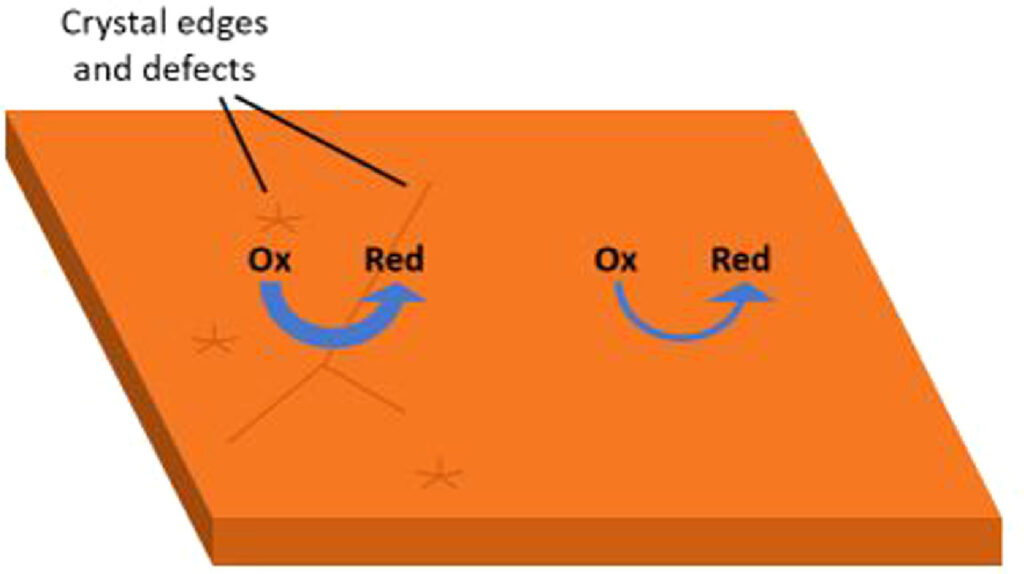
Layered materials and derived 2D material couples such as graphite/graphene, layered and single layer pnictogens (i.e., black phosphorus and phosphorene) and transition metal dichalcogenides (TMDs) have gained a lot of attention due to their electrocatalytic properties and as potential materials for energy storage. Previous studies have shown that electrochemical reactions at graphite, MoS2 and pnictogens …

Edges are more electroactive than basal planes in synthetic bulk crystals of TiS2 and TiSe2 Read More »

2D MoS2/carbon/polylactic acid filament for 3D printing: Photo and electrochemical energy conversion and storage

Fused deposition modeling (FDM) 3D printing has attracted immense attention in the field of energy conversions and storage for rapid prototyping and fabrication of devices in a facile and customized way. In this study, we fabricated an electrocatalytically active filament for FDM printing comprised of catalytically active material, conductive fillers, and polymer. We explored the …

2D MoS2/carbon/polylactic acid filament for 3D printing: Photo and electrochemical energy conversion and storage Read More »

Hierarchical Atomic Layer Deposited V2O5 on 3D Printed Nanocarbon Electrodes for High-Performance Aqueous Zinc-Ion Batteries

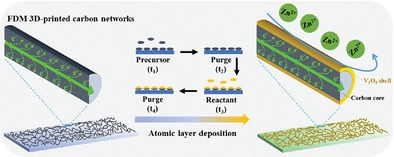
Aqueous rechargeable zinc-ion batteries (ARZIBs) are promising energy storage systems owing to their ecofriendliness, safety, and cost-efficiency. However, the sluggish Zn2+ diffusion kinetics originated from its inherent large atomic mass and high polarization remains an ongoing challenge. To this end, electrodes with 3D architectures and high porosity are highly desired. This work reports a rational …

Hierarchical Atomic Layer Deposited V2O5 on 3D Printed Nanocarbon Electrodes for High-Performance Aqueous Zinc-Ion Batteries Read More »

Ultrasonically Propelled Micro- and Nanorobots

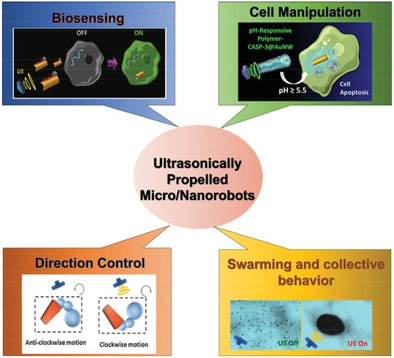
Ultrasound at sufficiently low amplitudes, specifically in the MHz frequency range, does little harm to the biological samples (such as cells and tissues) and provides an advantageous and well-controlled means to efficiently power microswimmers. In this review, a state-of-the-art overview of ultrasonically propelled micro- and nanorobots from the perspective of chemistry, physics, and materials science …

Ultrasonically Propelled Micro- and Nanorobots Read More »

Light-Driven Micromotors to Dissociate Protein Aggregates That Cause Neurodegenerative Diseases

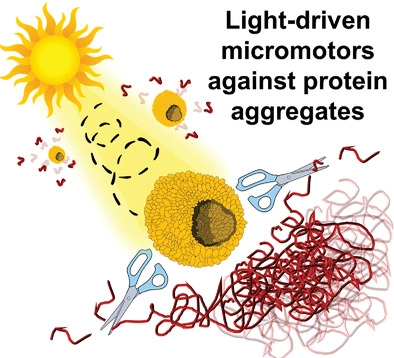
Nowadays, microrobots are considered appealing mobile carriers for clinical therapies. In this sense, high expectations against unmet medical challenges have been created around microswimmers that combine autonomous navigation with enhanced abilities to perform specific tasks. Neurodegenerative disorders are incurable diseases that have a huge impact on the quality of life for millions of people. To …

Light-Driven Micromotors to Dissociate Protein Aggregates That Cause Neurodegenerative Diseases Read More »