Year: 2021

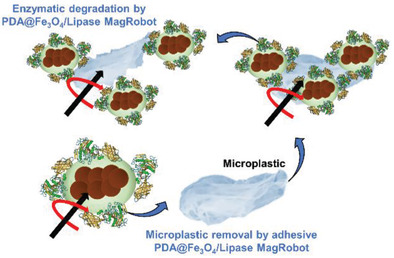
Microplastic Removal and Degradation by Mussel-Inspired Adhesive Magnetic/Enzymatic Microrobots

Ubiquitous pollution by microplastics is causing significant deleterious effects on marine life and human health through the food chain and has become a big challenge for the global ecosystem. It is of great urgency to find a cost-efficient and biocompatible material to remove microplastics from the environment. Mimicking basic characteristics of the adhesive chemistry practiced …
Microplastic Removal and Degradation by Mussel-Inspired Adhesive Magnetic/Enzymatic Microrobots Read More »

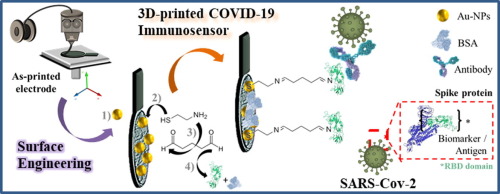
3D-Printed COVID-19 immunosensors with electronic readout

3D printing technology has brought light in the fight against the COVID-19 global pandemic event through the decentralized and on-demand manufacture of different personal protective equipment and medical devices. Nonetheless, since this technology is still in an early stage, the use of 3D-printed electronic devices for antigen test developments is almost an unexplored field. Herein, …

3D-Printed COVID-19 immunosensors with electronic readout Read More »

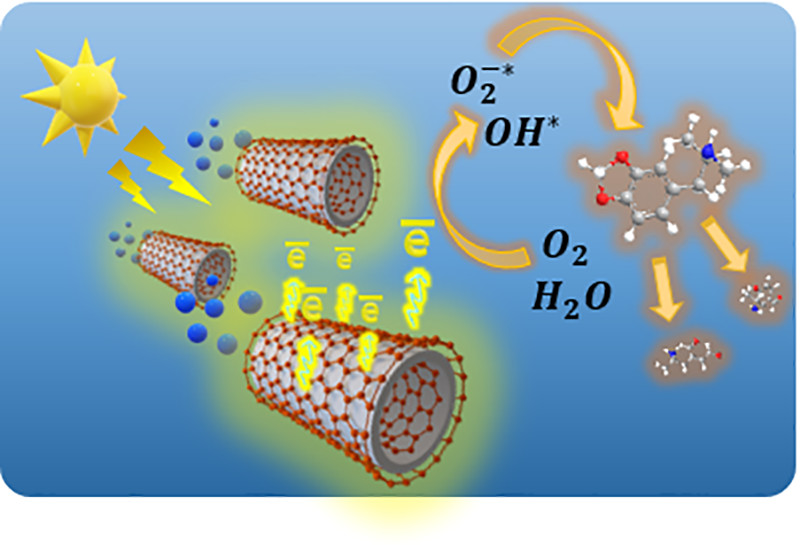
Hybrid Inorganic–Organic Visible-Light-Driven Microrobots Based on Donor–Acceptor Organic Polymer for Degradation of Toxic Psychoactive Substances

Light-driven microrobots based on organic semiconductors have received tremendous attention in the past few years due to their unique properties, such as ease of reactivity tunability, band-gap modulation, and low cost. However, their fabrication with defined morphologies is a very challenging task that results in amorphous microrobots with poor motion efficiencies. Herein, we present hybrid …

Hybrid Inorganic–Organic Visible-Light-Driven Microrobots Based on Donor–Acceptor Organic Polymer for Degradation of Toxic Psychoactive Substances Read More »

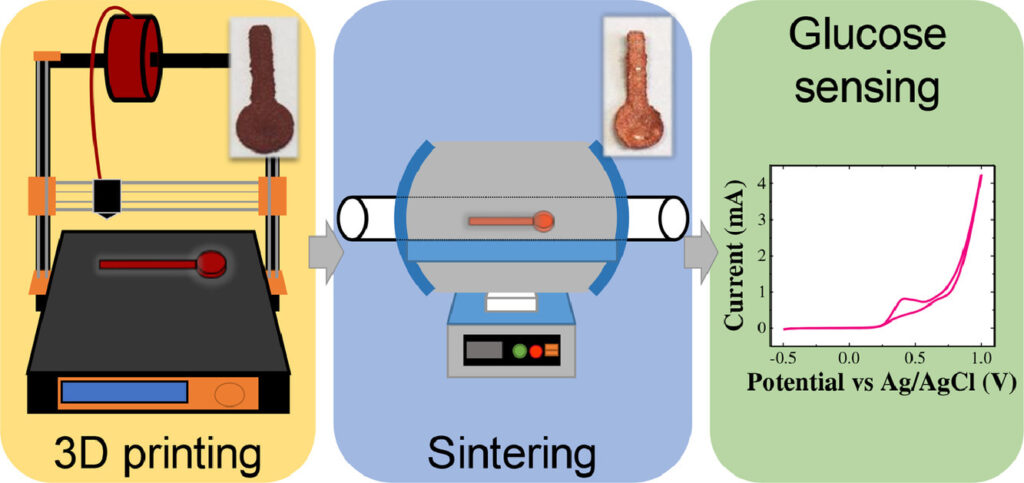
Fully metallic copper 3D-printed electrodes via sintering for electrocatalytic biosensing

3D printing is a very useful manufacturing method for the fabrication of electrochemical devices. Typically, accessible fused filament fabrication (FFF) is the most used method; but it is limited to the materials of use, mainly to carbon/polylactic acid blend. The use of metal 3D printed devices produced by FFF would offer very useful combination of …

Fully metallic copper 3D-printed electrodes via sintering for electrocatalytic biosensing Read More »

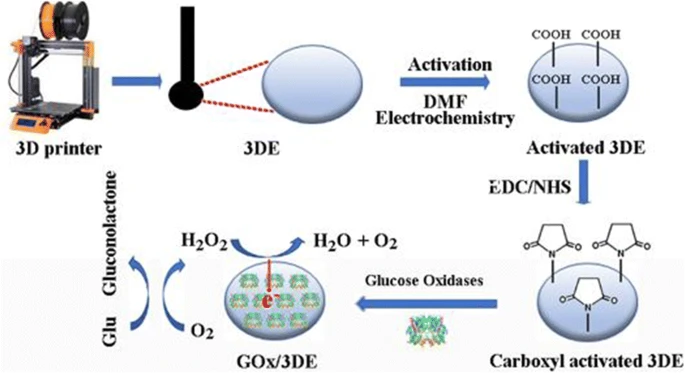
Covalently modified enzymatic 3D-printed bioelectrode

Three-dimensional (3D) printing has showed great potential for the construction of electrochemical sensor devices. However, reported 3D-printed biosensors are usually constructed by physical adsorption and needed immobilizing reagents on the surface of functional materials. To construct the 3D-printed biosensors, the simple modification of the 3D-printed device by non-expert is mandatory to take advantage of the …

Covalently modified enzymatic 3D-printed bioelectrode Read More »

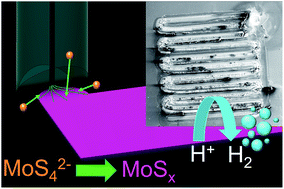
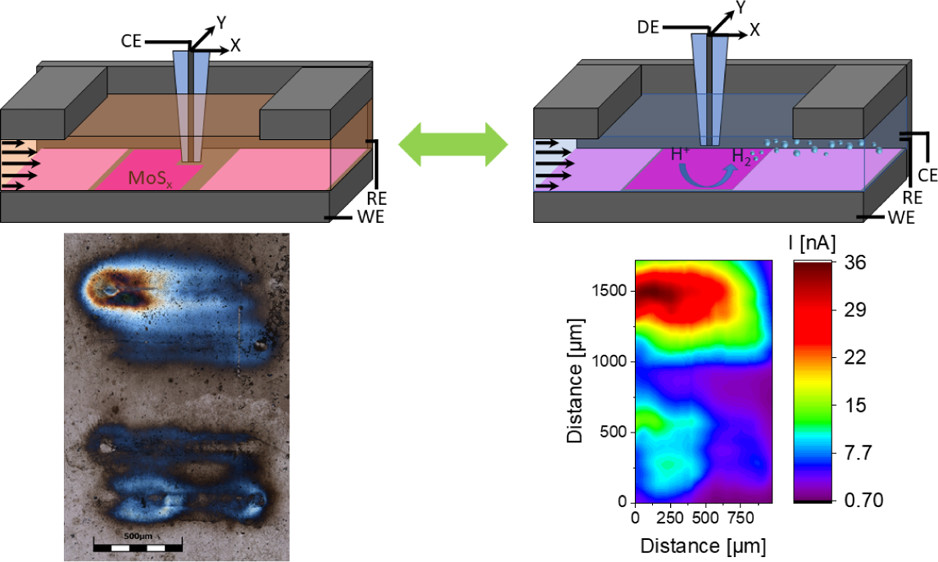
High resolution electrochemical additive manufacturing of microstructured active materials: case study of MoSx as a catalyst for the hydrogen evolution reaction

High-resolution electrochemical additive manufacturing follows the principle of additive manufacturing (AM) in that new devices are constructed by electrochemically driven, localized and layered deposition of material. As for AM, an important limitation is the deposition of functional materials such as catalyst materials, which are mandatory for their incorporation into real electrochemical devices. As catalyst materials, …

High resolution electrochemical additive manufacturing of microstructured active materials: case study of MoSx as a catalyst for the hydrogen evolution reaction Read More »

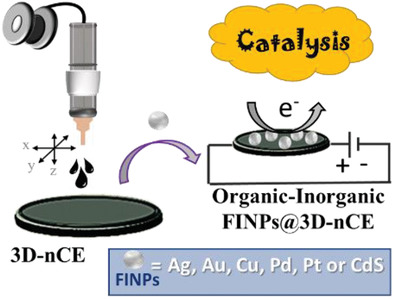
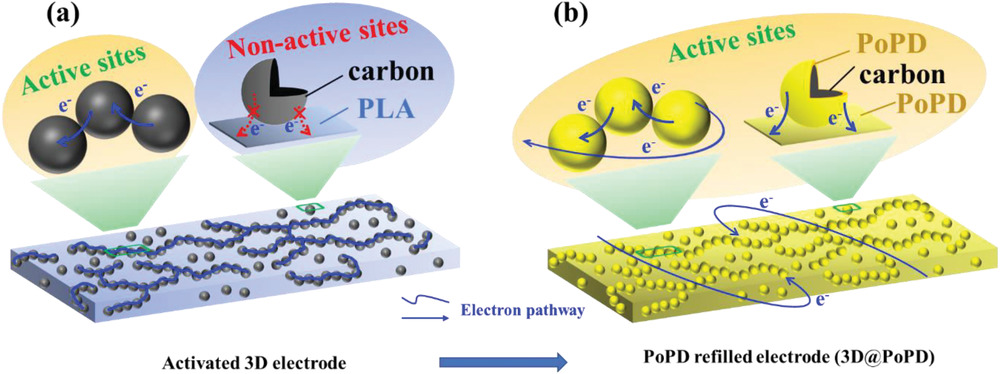
Versatile Design of Functional Organic–Inorganic 3D-Printed (Opto)Electronic Interfaces with Custom Catalytic Activity

The ability to combine organic and inorganic components in a single material represents a great step toward the development of advanced (opto)electronic systems. Nowadays, 3D-printing technology has generated a revolution in the rapid prototyping and low-cost fabrication of 3D-printed electronic devices. However, a main drawback when using 3D-printed transducers is the lack of robust functionalization …

Versatile Design of Functional Organic–Inorganic 3D-Printed (Opto)Electronic Interfaces with Custom Catalytic Activity Read More »

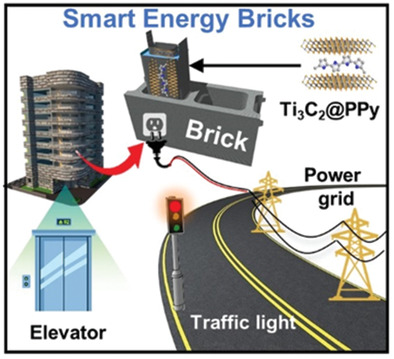
Smart Energy Bricks: Ti3C2@Polymer Electrochemical Energy Storage inside Bricks by 3D Printing

Three-dimensional (3D) printing technology has a pronounced impact on building construction and energy storage devices. Here, the concept of integrating 3D-printed electrochemical devices into insulation voids in construction bricks is demonstrated in order to create electrochemical energy storage as an integral part of home building. The low-cost 3D-printed supercapacitor (SC) electrodes are created using graphene/polylactic …

Smart Energy Bricks: Ti3C2@Polymer Electrochemical Energy Storage inside Bricks by 3D Printing Read More »

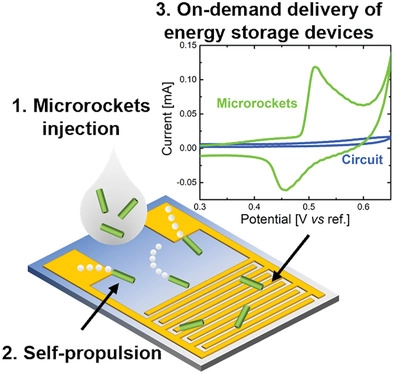
Nickel Sulfide Microrockets as Self-Propelled Energy Storage Devices to Power Electronic Circuits “On-Demand”

Miniaturized energy storage devices are essential to power the growing number and variety of microelectronic technologies. Here, a concept of self-propelled microscale energy storage elements that can move, reach, and power electronic circuits is reported. Microrockets consisting of a nickel sulfide (NiS) outer layer and a Pt inner layer are prepared by template-assisted electrodeposition, and …

Nickel Sulfide Microrockets as Self-Propelled Energy Storage Devices to Power Electronic Circuits “On-Demand” Read More »

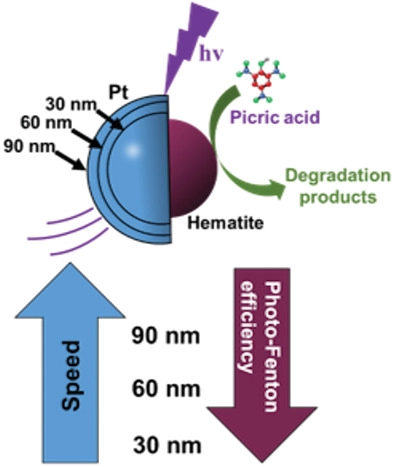
Photo-Fenton Degradation of Nitroaromatic Explosives by Light-Powered Hematite Microrobots: When Higher Speed Is Not What We Go For

Self-powered micromachines are considered a ground-breaking technology for environmental remediation. Light-powered Janus microrobots based on photocatalytic semiconductors asymmetrically covered with metals have recently received great interest as they can exploit light to move and contemporarily degrade pollutants in water. Although various metals have been explored and compared to design Janus microrobots, the influence of the …

Photo-Fenton Degradation of Nitroaromatic Explosives by Light-Powered Hematite Microrobots: When Higher Speed Is Not What We Go For Read More »

Swarming Aqua Sperm Micromotors for Active Bacterial Biofilms Removal in Confined Spaces

Microscale self-propelled robots show great promise in the biomedical field and are the focus of many researchers. These tiny devices, which move and navigate by themselves, are typically based on inorganic microstructures that are not biodegradable and potentially toxic, often using toxic fuels or elaborate external energy sources, which limits their real-world applications. One potential …

Swarming Aqua Sperm Micromotors for Active Bacterial Biofilms Removal in Confined Spaces Read More »

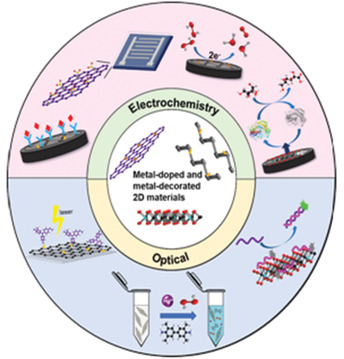
Doping and Decorating 2D Materials for Biosensing: Benefits and Drawbacks

The rapid advancements in the field of materials science, especially nanoscience, have played a critical role in the advancement of sensors, in particular the development of novel transducer platforms. Sensors are devices that respond to specific phenomena with recordable and analytically useful output signals and have found their way into a myriad of applications in …

Doping and Decorating 2D Materials for Biosensing: Benefits and Drawbacks Read More »

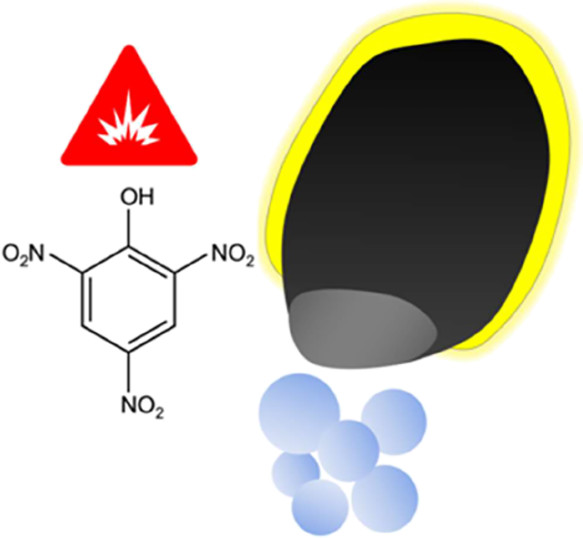
Self-Propelled Activated Carbon Micromotors for “On-the-Fly” Capture of Nitroaromatic Explosives

Usage of nitroaromatic compounds (NACs) for industrial or military purposes leads to serious concern because of their detrimental effects on human health when they leak to groundwater. Among different ways to remove NACs from water sources, adsorption has been considered as an environmentally safe method. However, diffusion-limited characteristics of the adsorption method increase the time …

Self-Propelled Activated Carbon Micromotors for “On-the-Fly” Capture of Nitroaromatic Explosives Read More »

Applications of Atomic Layer Deposition in Design of Systems for Energy Conversion

There is a huge demand for clean energy conversion in all industries. The clean energy production processes include electrocatalytic and photocatalytic conversion of water to hydrogen, carbon dioxide reduction, nitrogen conversion to ammonia, and oxygen reduction reaction and require novel cheap and efficient photo- and electrocatalysts and their scalable methods of fabrication. Atomic layer deposition …

Applications of Atomic Layer Deposition in Design of Systems for Energy Conversion Read More »

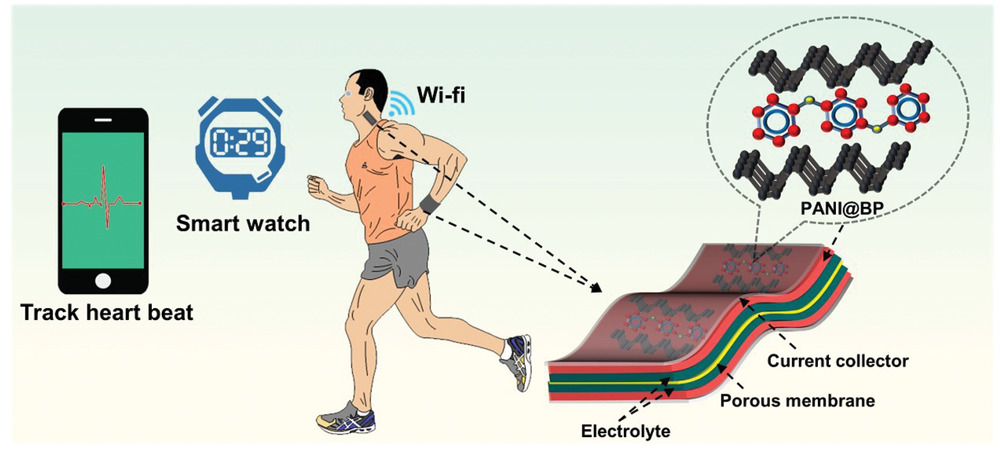
Real-Time Biomonitoring Device Based on 2D Black Phosphorus and Polyaniline Nanocomposite Flexible Supercapacitors

Flexible energy storage devices are becoming significantly important to power wearable and portable devices that monitor physiological parameters for many biomedical applications. Many hybrid nanomaterials based on 2D materials are used in order to improve the performance of flexible energy storage devices. Here, a hybrid nanocomposite is synthesized through in situ polymerization of aniline in …

Real-Time Biomonitoring Device Based on 2D Black Phosphorus and Polyaniline Nanocomposite Flexible Supercapacitors Read More »

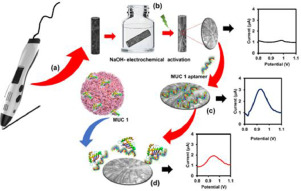
3D-printed transmembrane glycoprotein cancer biomarker aptasensor

Point-of-care, easy to manufacture, and low cost detection of cancer biomarkers is crucial for fighting the early stage disease. 3D printing allows delocalized printing at remote locations with updates/upgrades available globally via electronic files. Mucin 1 (MUC1) is a protein that is overexpressed in a number of epithelial cancers and is a key factor in …

3D-printed transmembrane glycoprotein cancer biomarker aptasensor Read More »

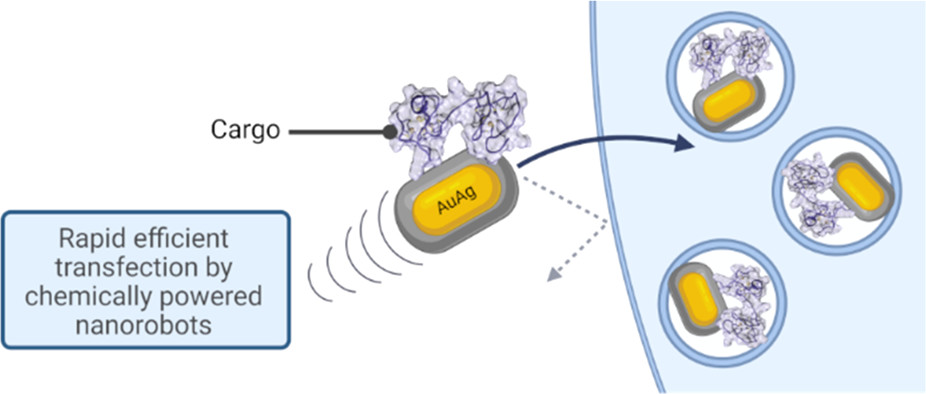
Efficient Protein Transfection by Swarms of Chemically Powered Plasmonic Virus-Sized Nanorobots

Transfection is based on nonviral delivery of nucleic acids or proteins into cells. Viral approaches are being used; nevertheless, their translational capacity is nowadays decreasing due to persistent fear of their safety, therefore creating space for the field of nanotechnology. However, nanomedical approaches introducing static nanoparticles for the delivery of biologically active molecules are very …

Efficient Protein Transfection by Swarms of Chemically Powered Plasmonic Virus-Sized Nanorobots Read More »

Catalyst Formation and In Operando Monitoring of the Electrocatalytic Activity in Flow Reactors

Flow reactors are of increasing importance and have become crucial devices due to their wide application in chemical synthesis, electrochemical hydrogen evolution reaction (HER), or electrochemical waste water treatment. In many of these applications, catalyst materials such as transition-metal chalcogenides (TMCs) for the HER, provide the desired electrochemical reactivity for the HER. Generally, the flow …

Catalyst Formation and In Operando Monitoring of the Electrocatalytic Activity in Flow Reactors Read More »

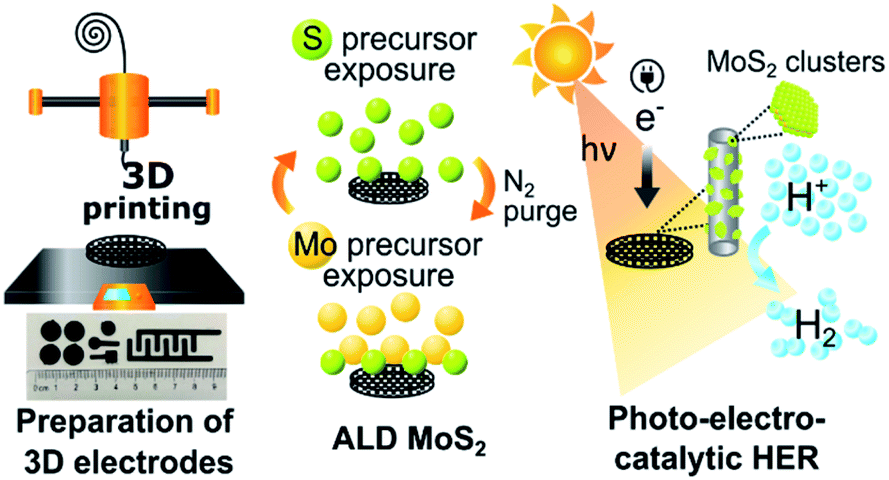
Atomic layer deposition of electrocatalytic layer of MoS2 onto metal-based 3D-printed electrode toward tailoring hydrogen evolution efficiency

Molybdenum disulfide, the most representative material of transition metal dichalcogenides, has lately been considered as an attractive electrocatalyst for sustainable energy conversion and storage oriented applications. Since the electrocatalytic properties of MoS2 are extremely dependent on its structure, preparation of such material with high degree of controlled properties is at the forefront of scientific community. …

Atomic layer deposition of electrocatalytic layer of MoS2 onto metal-based 3D-printed electrode toward tailoring hydrogen evolution efficiency Read More »

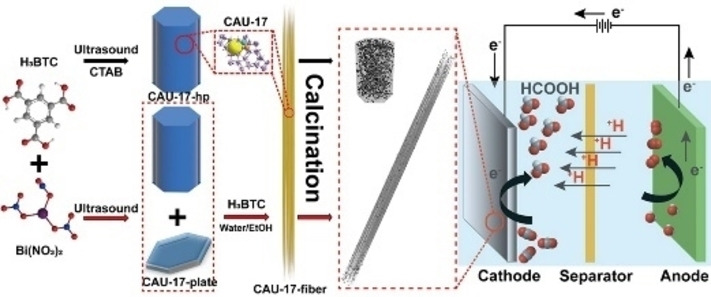
Reconstructed Bismuth-Based Metal−Organic Framework Nanofibers for Selective CO2-to-Formate Conversion: Morphology Engineering

Electrochemical reduction of carbon dioxide (ERCO2) is an attractive and sustainable approach to close the carbon loop. Formic acid is a high-value and readily collectible liquid product. However, the current reaction selectivity remains unsatisfactory. In this study, the bismuth-containing metal−organic framework CAU-17, with morphological variants of hexagonal prisms (CAU-17-hp) and nanofibers (CAU-17-fiber), is prepared at …

Reconstructed Bismuth-Based Metal−Organic Framework Nanofibers for Selective CO2-to-Formate Conversion: Morphology Engineering Read More »

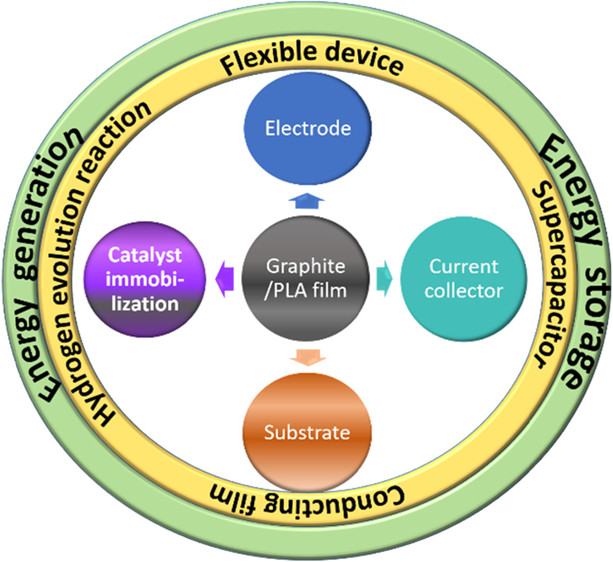
Flexible Graphite–Poly(Lactic Acid) Composite Films as Large-Area Conductive Electrodes for Energy Applications

For industrial-scale electrochemical applications of renewable energy routes such as electrochemical water splitting or supercapacitors, there is a huge need for flexible, durable, and large-area electrodes. In this study, flexible and conductive poly(lactic acid)/graphite composite films, with a high mass percentage (∼64%) of conductive graphitic material, are prepared without specialized equipment and can be used …
Flexible Graphite–Poly(Lactic Acid) Composite Films as Large-Area Conductive Electrodes for Energy Applications Read More »

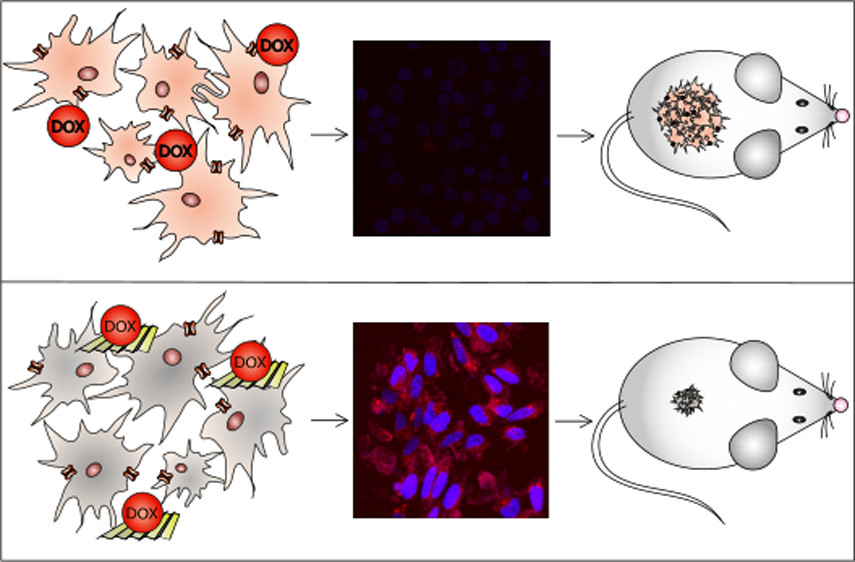
Silicane Derivative Increases Doxorubicin Efficacy in an Ovarian Carcinoma Mouse Model: Fighting Drug Resistance

The development of cancer resistance continues to represent a bottleneck of cancer therapy. It is one of the leading factors preventing drugs to exhibit their full therapeutic potential. Consequently, it reduces the efficacy of anticancer therapy and causes the survival rate of therapy-resistant patients to be far from satisfactory. Here, an emerging strategy for overcoming …

Silicane Derivative Increases Doxorubicin Efficacy in an Ovarian Carcinoma Mouse Model: Fighting Drug Resistance Read More »

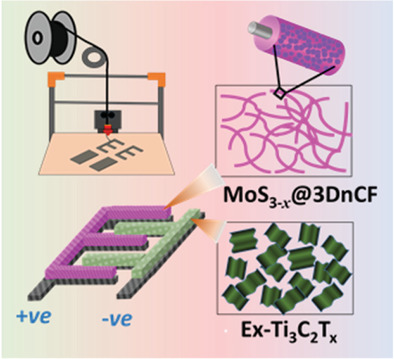
MXene and MoS3−x Coated 3D-Printed Hybrid Electrode for Solid-State Asymmetric Supercapacitor

Recently, 2D nanomaterials such as transition metal carbides or nitrides (MXenes) and transition metal dichalcogenides (TMDs) have attracted ample attention in the field of energy storage devices specifically in supercapacitors (SCs) because of their high metallic conductivity, wide interlayer spacing, large surface area, and 2D layered structures. However, the low potential window (ΔV ≈ 0.6 V) of …

MXene and MoS3−x Coated 3D-Printed Hybrid Electrode for Solid-State Asymmetric Supercapacitor Read More »

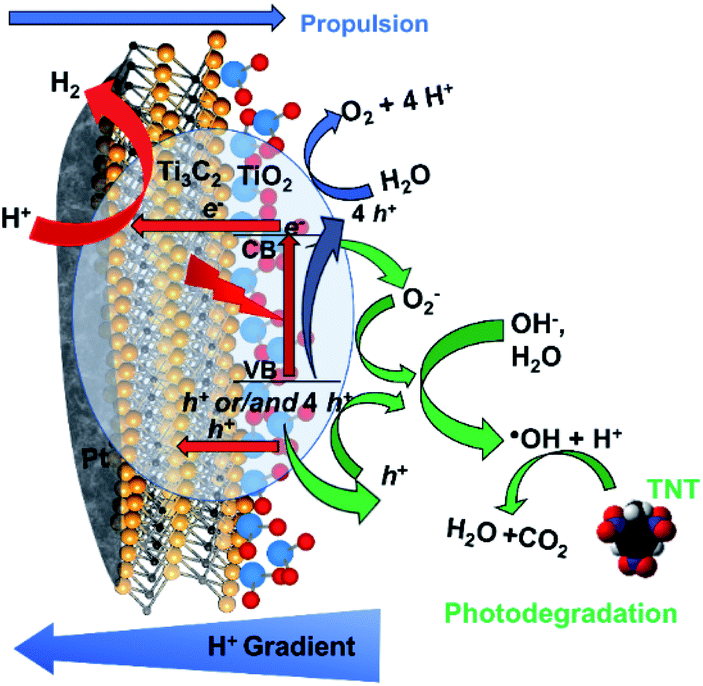
Light-driven Ti3C2 MXene micromotors: self-propelled autonomous machines for photodegradation of nitroaromatic explosives

Self-propelled artificial micro/nano machines performing targeted tasks have recently attracted the research attention of materials scientists. Here, we prepare sandwich-like TiO2@Ti3C2/Pt structures to serve as light-driven micromotors. A Pt layer is used to protect one side of the Ti3C2 nanoflakes from oxidation and also enhances its photocatalytic activity. The other side of the Ti3C2 nanoflakes …

Light-driven Ti3C2 MXene micromotors: self-propelled autonomous machines for photodegradation of nitroaromatic explosives Read More »

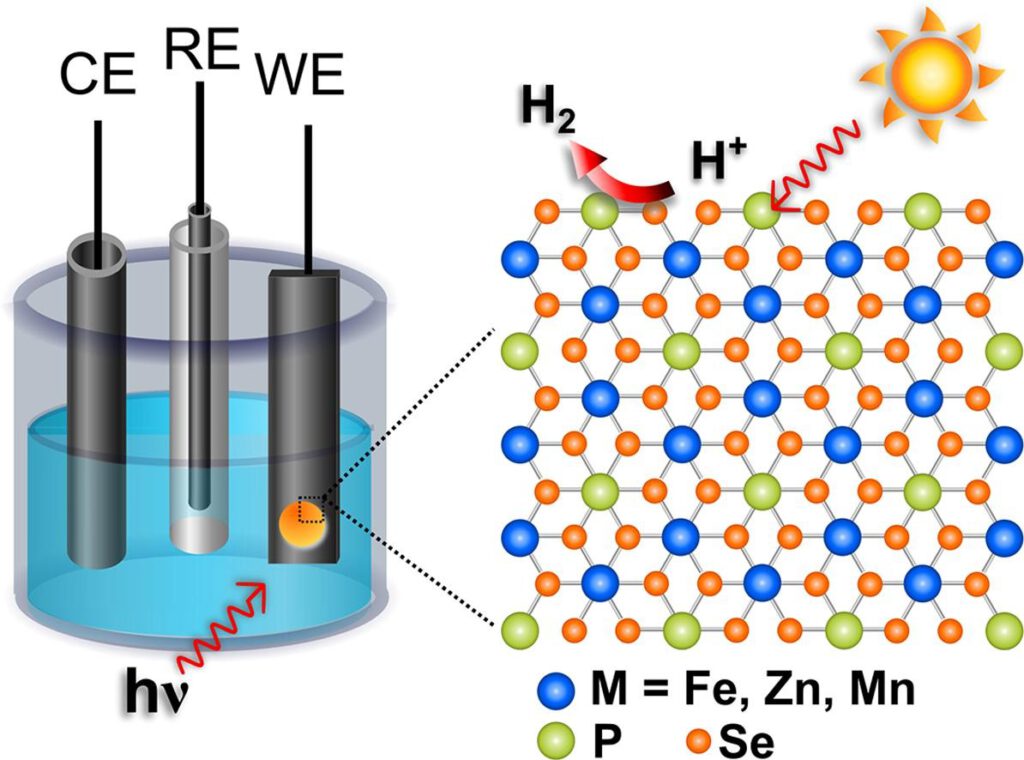
Layered transition metal selenophosphites for visible light photoelectrochemical production of hydrogen

The growing consumption of global energy has posed serious challenges to environmental protection and energy supplies. A promising solution is via introducing clean and sustainable energy sources, including photoelectrochemical hydrogen fuel production. 2D materials, such as transition metal trichalcogenphosphites (MPCh3), are gaining more and more interest for their potential as photocatalysts. Crystals of transition metal …

Layered transition metal selenophosphites for visible light photoelectrochemical production of hydrogen Read More »

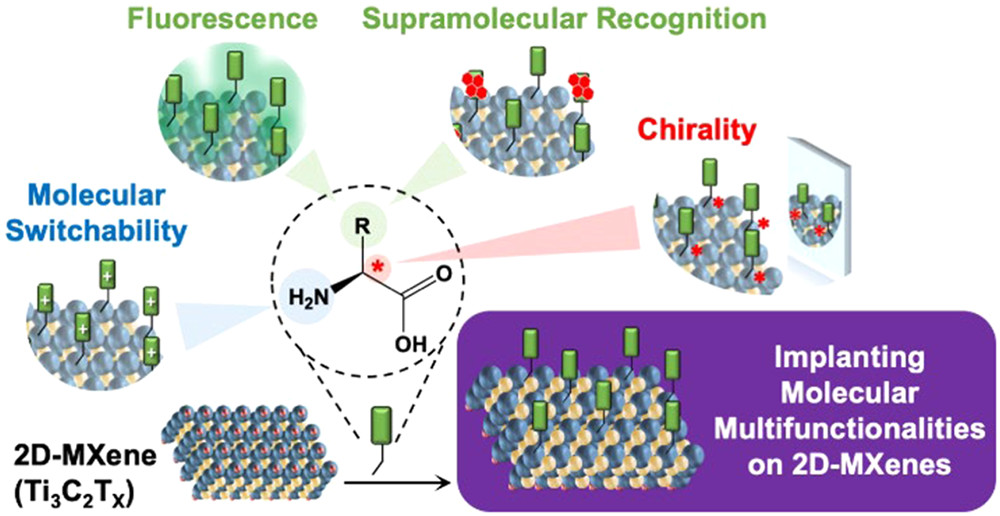
Multiresponsive 2D Ti3C2Tx MXene via Implanting Molecular Properties

The design and fabrication of active nanomaterials exhibiting multifunctional properties is a must in the so-called global “Fourth Industrial Revolution”. In this sense, molecular engineering is a powerful tool to implant original capabilities on a macroscopic scale. Herein, different bioinspired 2D-MXenes have been developed via a versatile and straightforward synthetic approach. As a proof of …

Multiresponsive 2D Ti3C2Tx MXene via Implanting Molecular Properties Read More »

Two-Dimensional Functionalized Germananes as Photoelectrocatalysts

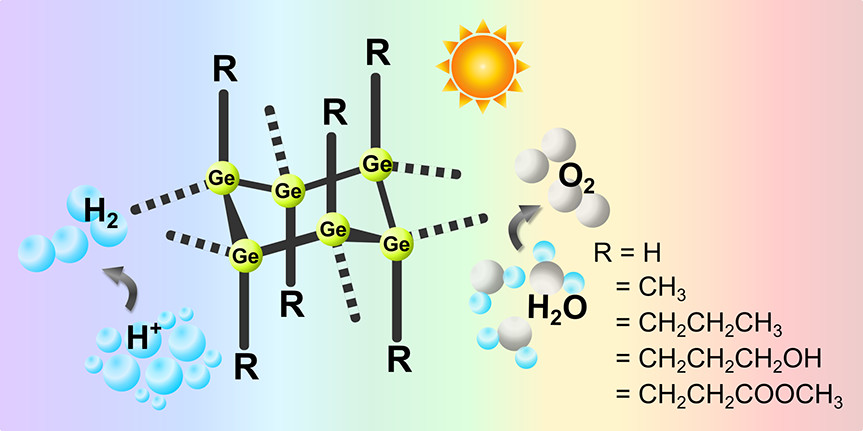
Succeeding graphene, monoelemental two-dimensional (2D) materials such as germanene and silicene, coined as “Xenes”, have attracted vast scientific and technological interests. Adding covalently bonded hydrogen on both sides of germanene leads to germanane (i.e., hydrogen-terminated germanene, GeH). Further, the covalent functionalization of germanane allows the tuning of its physical and chemical properties. Diverse variants of …

Two-Dimensional Functionalized Germananes as Photoelectrocatalysts Read More »

A Maze in Plastic Wastes: Autonomous Motile Photocatalytic Microrobots against Microplastics

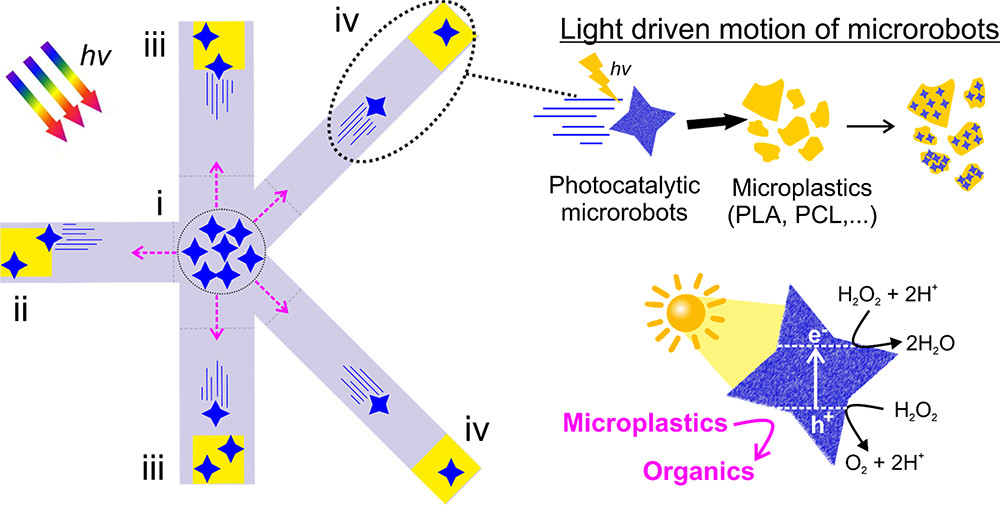
An extremely high quantity of small pieces of synthetic polymers, namely, microplastics, has been recently identified in some of the most intact natural environments, e.g., on top of the Alps and Antarctic ice. This is a “scary wake-up call”, considering the potential risks of microplastics for humans and marine systems. Sunlight-driven photocatalysis is the most …

A Maze in Plastic Wastes: Autonomous Motile Photocatalytic Microrobots against Microplastics Read More »

Six-Degree-of-Freedom Steerable Visible-Light-Driven Microsubmarines Using Water as a Fuel: Application for Explosives Decontamination

Micro/nanomotors are capable of a wide variety of tasks related, i.e., to biomedical or environmental applications. Light-driven semiconductor-based micromotors are especially appealing, as they can split surrounding water via light irradiation, and therefore, they can move infinitely. However, their motion is typically limited to in-plane motion with four degrees of freedom (4DoF) or even pseudo-1D …

Six-Degree-of-Freedom Steerable Visible-Light-Driven Microsubmarines Using Water as a Fuel: Application for Explosives Decontamination Read More »

3D Printing Temperature Tailors Electrical and Electrochemical Properties through Changing Inner Distribution of Graphite/Polymer

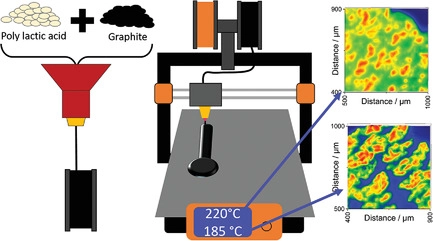
The rise of 3D printing technology, with fused deposition modeling as one of the simplest and most widely used techniques, has empowered an increasing interest for composite filaments, providing additional functionality to 3D-printed components. For future applications, like electrochemical energy storage, energy conversion, and sensing, the tuning of the electrochemical properties of the filament and …
3D Printing Temperature Tailors Electrical and Electrochemical Properties through Changing Inner Distribution of Graphite/Polymer Read More »

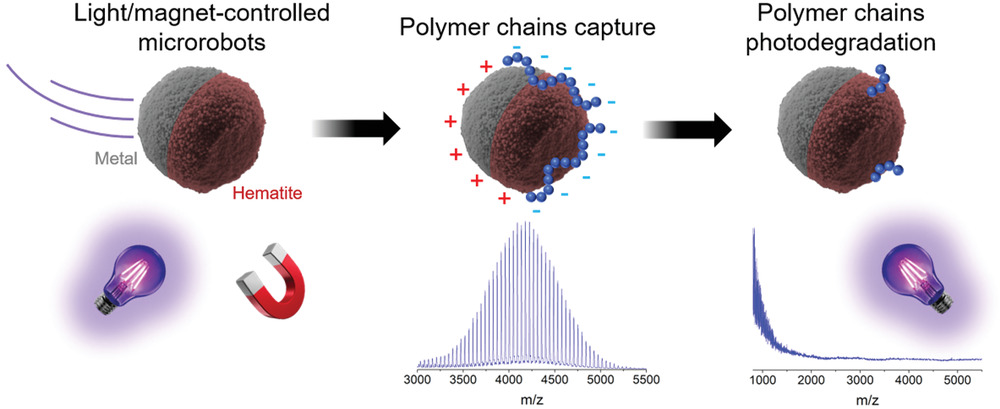
Breaking Polymer Chains with Self-Propelled Light-Controlled Navigable Hematite Microrobots

The increasing use of polymers has led to an uncontrollable accumulation of polymer waste in the environment, evidencing the urgent need for effective and definitive strategies to degrade them. Here, self-propelled light-powered magnetic field-navigable hematite/metal Janus microrobots that can actively move, capture, and degrade polymers are presented. Janus microrobots are fabricated by asymmetrically depositing different …
Breaking Polymer Chains with Self-Propelled Light-Controlled Navigable Hematite Microrobots Read More »

Atomic layer deposition of photoelectrocatalytic material on 3D-printed nanocarbon structures

3D-printing is an excellent tool for the prototyping and fabrication of a variety of devices. The ability to rapidly create on demand structures opens the vast possibilities for the innovations in catalysis and energy conversion/storage devices. The major bottleneck is that the materials which are suitable for 3D-printing usually do not possess the required energy …
Atomic layer deposition of photoelectrocatalytic material on 3D-printed nanocarbon structures Read More »

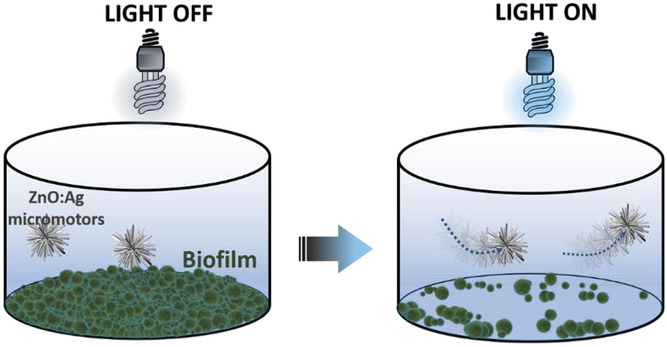
Active Light-Powered Antibiofilm ZnO Micromotors with Chemically Programmable Properties

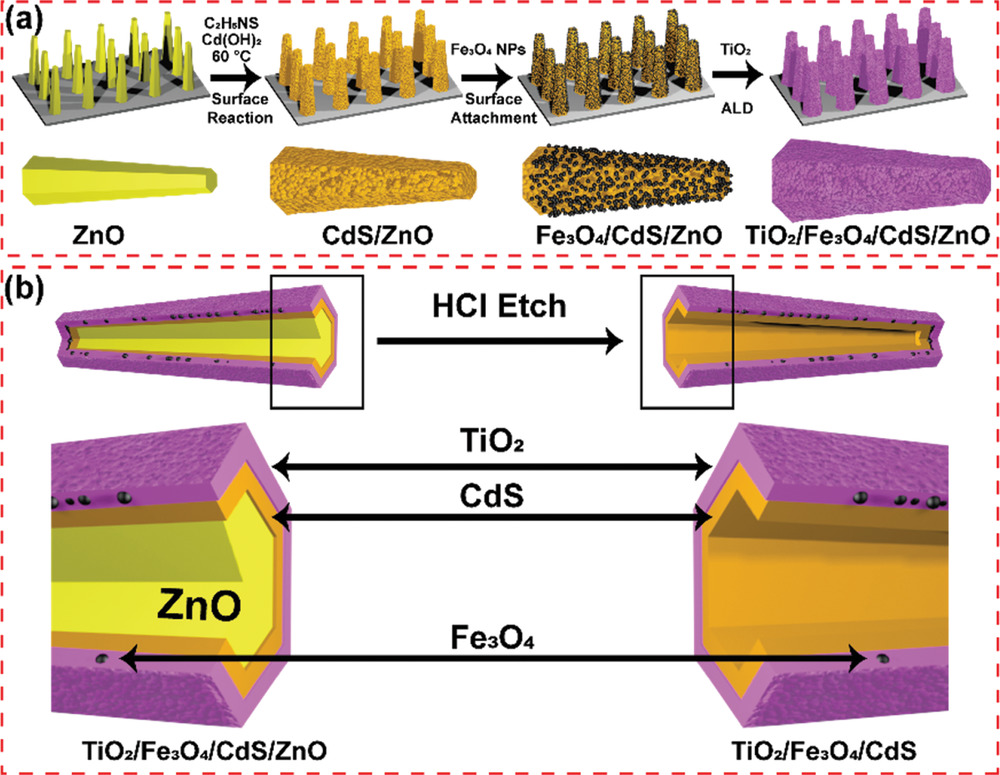
Bacterial biofilms are multicellular communities firmly attached to solid extracellular substrates. They are considered the primary cause of huge economic losses, from medicine due to medical implants’ failure to large infrastructure due to enhanced pipe corrosion. Therefore, their eradication is highly desirable. Here, the preparation of ZnO self-propelled micromotors is reported, programming their morphology and …

Active Light-Powered Antibiofilm ZnO Micromotors with Chemically Programmable Properties Read More »

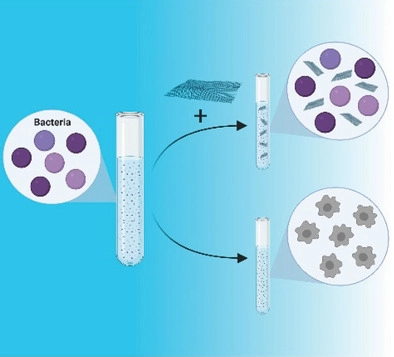
Graphene Oxide Mimics Biological Signaling Cue to Rescue Starving Bacteria

There is extensive debate about how 2D nanomaterials such as graphene oxide (GO) affect bacteria. Various effects of GO are proposed, including bacterial growth inhibition or enhancement, killing, and no activity. Herein, we report that GO protects Staphylococcus aureus bacterial cells from death in starvation conditions with up to a 1000-fold improvement in cell viability. Transcriptomic …

Graphene Oxide Mimics Biological Signaling Cue to Rescue Starving Bacteria Read More »

Magnetically Driven Micro and Nanorobots

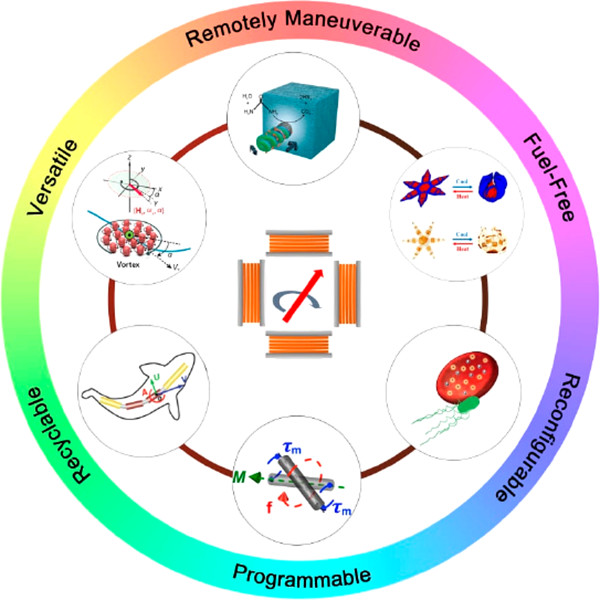
Manipulation and navigation of micro and nanoswimmers in different fluid environments can be achieved by chemicals, external fields, or even motile cells. Many researchers have selected magnetic fields as the active external actuation source based on the advantageous features of this actuation strategy such as remote and spatiotemporal control, fuel-free, high degree of reconfigurability, programmability, …

Magnetically Driven Micro and Nanorobots Read More »

3D-Printing to Mitigate COVID-19 Pandemic

3D-printing technology provided numerous contributions to the health sector during the recent Coronavirus disease 2019 (COVID-19) pandemic. Several of the 3D-printed medical devices like personal protection equipment (PPE), ventilators, specimen collectors, safety accessories, and isolation wards/ chambers were printed in a short time as demands for these were rising significantly. The review discusses some of …

3D-Printing to Mitigate COVID-19 Pandemic Read More »

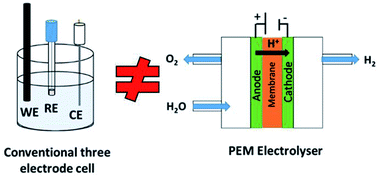
Oxygen evolution catalysts under proton exchange membrane conditions in a conventional three electrode cell vs. electrolyser device: a comparison study and a 3D-printed electrolyser for academic labs

Developing active and stable oxygen evolution reaction (OER) catalysts that can operate in electrolyser environments is of utmost important in order to produce H2 gas for electricity generation. Currently in academia, many of these studies are carried out in conventional three-electrode cell set-ups; however, this configuration may not accurately represent conditions experienced under practical electrolyser …

Oxygen evolution catalysts under proton exchange membrane conditions in a conventional three electrode cell vs. electrolyser device: a comparison study and a 3D-printed electrolyser for academic labs Read More »

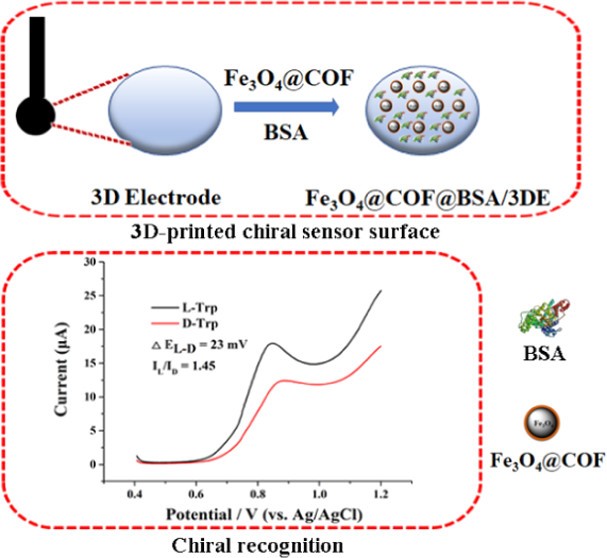
Chiral Protein–Covalent Organic Framework 3D-Printed Structures as Chiral Biosensors

Three-dimensional (3D) printing technology has attracted great attention for prototyping different electrochemical sensor devices. However, chiral recognition remains a crucial challenge for electrochemical sensors with similar physicochemical properties such as enantiomers. In this work, a magnetic covalent organic framework (COF) and bovine serum albumin (BSA) (as the chiral surface) functionalized 3D-printed electrochemical chiral sensor is …

Chiral Protein–Covalent Organic Framework 3D-Printed Structures as Chiral Biosensors Read More »

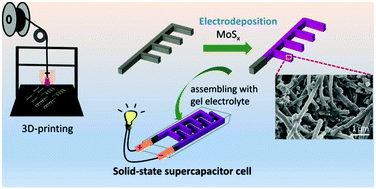
Free-standing electrochemically coated MoSx based 3D-printed nanocarbon electrode for solid-state supercapacitor application

The 3D-printing technology offers an innovative approach to develop energy storage devices because of its ability to create facile and low cost customized electrodes for modern electronics. Among the recently explored 2D nanomaterials beyond graphene, molybdenum sulfide (MoSx) has been found as a promising material for electrochemical energy storage devices. In this study, a nanocarbon-based …

Free-standing electrochemically coated MoSx based 3D-printed nanocarbon electrode for solid-state supercapacitor application Read More »

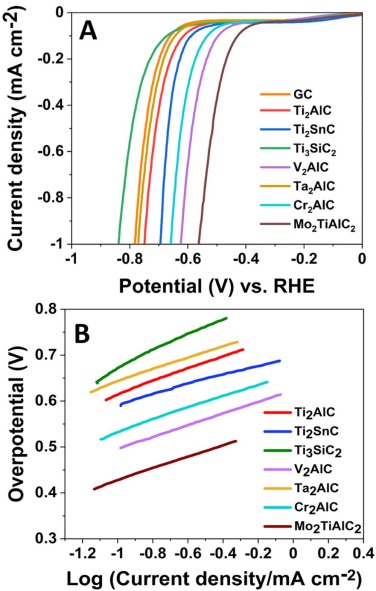
Electrocatalytic activity of layered MAX phases for the hydrogen evolution reaction

The hydrogen evolution reaction (HER) is important for the advancement of next-generation electrochemical energy devices. The search for an alternative inexpensive catalyst for energy conversion to replace expensive and rare noble metals is of high priority. There has been a significant push to investigate electrocatalysis of various layered materials for hydrogen evolution. However, the electrocatalytic …

Electrocatalytic activity of layered MAX phases for the hydrogen evolution reaction Read More »

Local electrochemical activity of transition metal dichalcogenides and their heterojunctions on 3D-printed nanocarbon surfaces

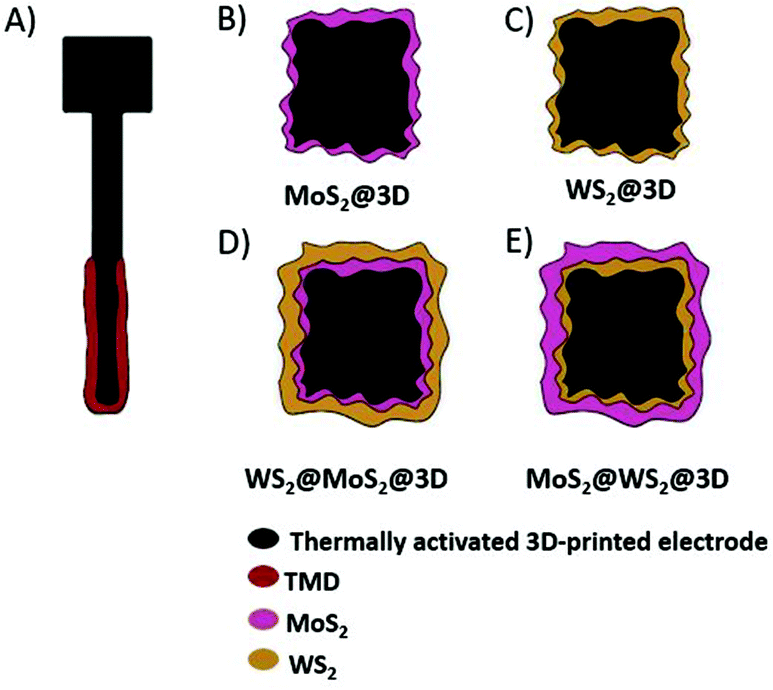
Transition metal dichalcogenides (TMDs) have shown to be promising catalysts for the electrochemical hydrogen evolution reaction (HER) and 3D-printing enables fast prototyping and manufacturing of water splitting devices. However, the merging of TMDs with complex 3D-printed surfaces and nanostructures as well as their localized characterization remains challenging. In this work, electrodeposition of MoS2 and WS2 …

Local electrochemical activity of transition metal dichalcogenides and their heterojunctions on 3D-printed nanocarbon surfaces Read More »

3D-printed nanocarbon sensors for the detection of chlorophenols and nitrophenols: Towards environmental applications of additive manufacturing

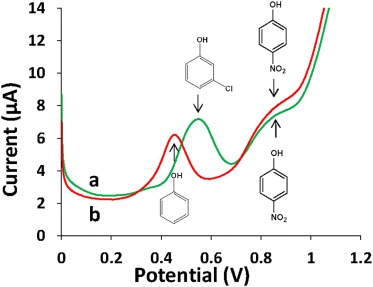
3D printing is a manufacturing technique used to prototype devices with customized shapes composed of different materials, including carbon composites. Toxic phenolic compounds are a major environmental hazard. Herein, we demonstrate the use of carbon-based 3D-printed electrodes for the detection of chlorophenols and nitrophenols. The influence of pH on the voltammetric response was studied, and …

3D-printed nanocarbon sensors for the detection of chlorophenols and nitrophenols: Towards environmental applications of additive manufacturing Read More »

Organic photoelectrode engineering: accelerating photocurrent generation via donor–acceptor interactions and surface-assisted synthetic approach

Conventional photoelectrocatalysts composed of precious metals and inorganic elements have limited synthetic design, hence, hampered modularity of their photophysical properties. Here, we demonstrate a scalable, one-pot synthetic approach to grow organic polymer films on the surface of the conventional copper plate under mild conditions. Molecular precursors, containing electron-rich thiophene and electron-deficient triazine-rings, were combined into …

Organic photoelectrode engineering: accelerating photocurrent generation via donor–acceptor interactions and surface-assisted synthetic approach Read More »

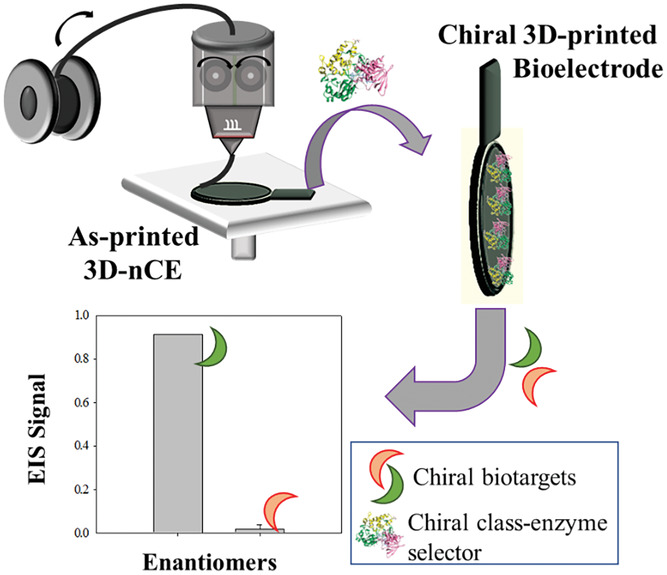
Chiral 3D-printed Bioelectrodes

3D printing technology has gained great interest since it enables decentralized and customized manufacturing of 3D-printed electronic devices. From an electrochemical point of view, 3D-printed electrodes present promising achievements for (bio)sensing approaches. Herein, the feasibility of exploiting 3D-printed electrode substrates toward chiral analyses—a relevant topic owing to the homochiral nature of the biochemistry of life—has …

Chiral 3D-printed Bioelectrodes Read More »

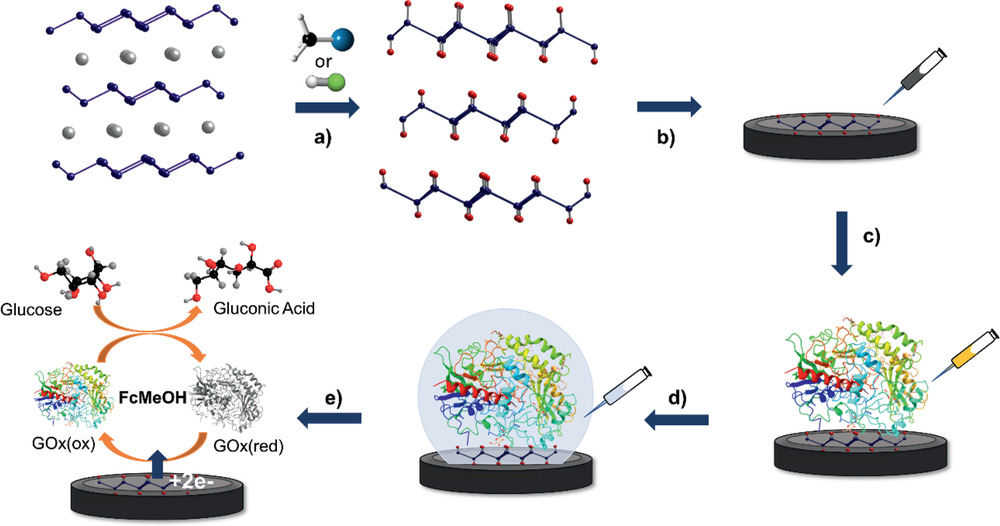
Functionalized 2D Germanene and Silicene Enzymatic System

In recent years, 2D Group 14 graphane analogs, such as germanane, methyl germanane, and siloxene, have taken materials scientists by storm due to their facile synthesis procedures and the numerous attractive properties proffered. Due to their fascinating properties, these emerging Group 14 graphane analogs are studied for varied applications including supercapacitors, photocatalysts, and sensors. Although …

Functionalized 2D Germanene and Silicene Enzymatic System Read More »

Rhenium Doping of Layered Transition-Metal Diselenides Triggers Enhancement of Photoelectrochemical Activity

The ever decreasing sources of fossil fuels have launched extensive research of alternative materials that might play a key role in their replacement. Therefore, the scientific community continuously investigates the possibilities of maximizing the working capacity of such materials in order to fulfill energy challenges in the near future. In this context, doping of the …

Rhenium Doping of Layered Transition-Metal Diselenides Triggers Enhancement of Photoelectrochemical Activity Read More »

3D printing of functional microrobots

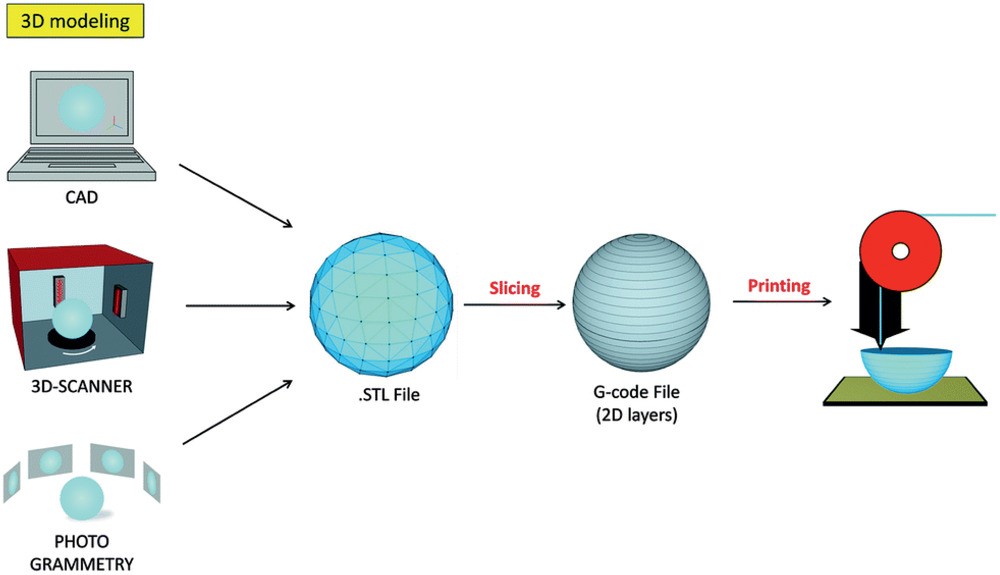
3D printing (also called “additive manufacturing” or “rapid prototyping”) is able to translate computer-aided and designed virtual 3D models into 3D tangible constructs/objects through a layer-by-layer deposition approach. Since its introduction, 3D printing has aroused enormous interest among researchers and engineers to understand the fabrication process and composition–structure–property correlation of printed 3D objects and unleash …

3D printing of functional microrobots Read More »

MXene-functionalised 3D-printed electrodes for electrochemical capacitors

3D printing is a manufacturing technique that can be used to produce electrochemical capacitors with customised shapes and minimal material waste. However, the range of carbon-additive filaments currently commercially available is limited, resulting in 3D-printed electrodes with a poor capacitive performance due to their high thermoplastic content. Herein, a novel approach is presented for enhancing …

MXene-functionalised 3D-printed electrodes for electrochemical capacitors Read More »

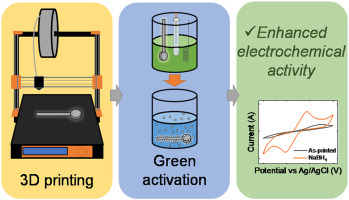
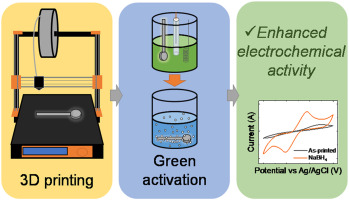
Green activation using reducing agents of carbon-based 3D printed electrodes: Turning good electrodes to great

3D printing of carbon-based nanocomposites, which combine the electrical properties of carbon additives with the benefits of thermoplastics, has emerged as a promising route towards rapid and low-cost manufacturing of customised-shaped electronic devices with minimised waste. However, their poor electrical activity in their pristine state makes activation post-treatments mandatory to reduce the amount of insulating …

Green activation using reducing agents of carbon-based 3D printed electrodes: Turning good electrodes to great Read More »

3D Printed Nanocarbon Frameworks for Li-Ion Battery Cathodes

The use of conductive carbon materials in 3D-printing is attracting growing academic and industrial attention in electrochemical energy storage due to the high customization and on-demand capabilities of the additive manufacturing. However, typical polymers used in conductive filaments for 3D printing show high resistivity and low compatibility with electrochemical energy applications. Removal of insulating thermoplastics …

3D Printed Nanocarbon Frameworks for Li-Ion Battery Cathodes Read More »

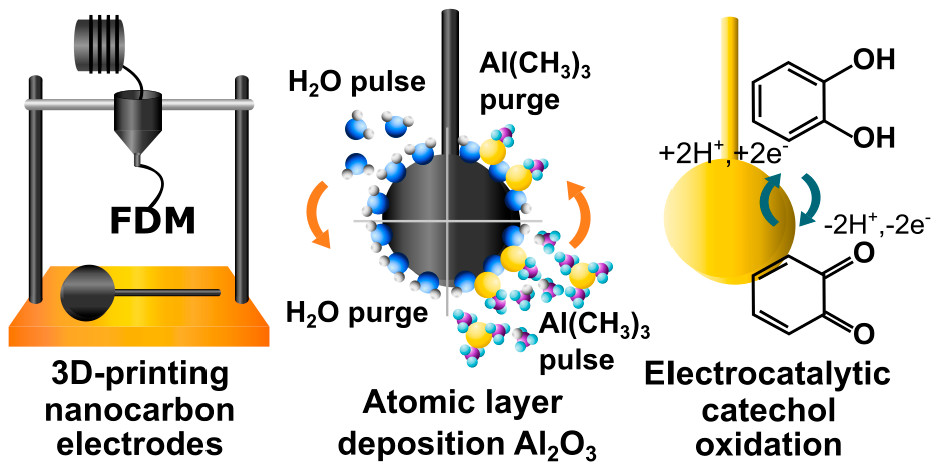
Atomic Layer Deposition of Electrocatalytic Insulator Al2O3 on Three-Dimensional Printed Nanocarbons

The advantages of three-dimensional (3D) printing technologies, such as rapid-prototyping and the freedom to customize electrodes in any design, have elevated the benchmark of conventional electrochemical studies. Furthermore, the 3D printed electrodes conveniently accommodate other active layers for diverse applications such as energy storage, catalysis, and sensors. Nevertheless, to enhance a complex 3D structure while …

Atomic Layer Deposition of Electrocatalytic Insulator Al2O3 on Three-Dimensional Printed Nanocarbons Read More »

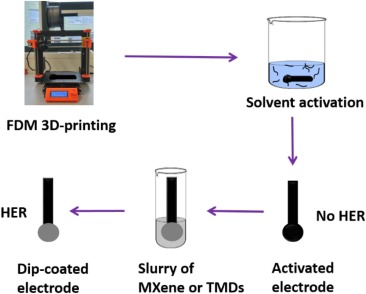
Dip-Coating of MXene and Transition Metal Dichalcogenides on 3D-Printed Nanocarbon Electrodes for the Hydrogen Evolution Reaction

3D-printing technology is widely accepted as a scalable and advanced manufacturing procedure for the fabrication of electrodes for electrochemical applications. 3D-printed carbon-based electrodes can be used for electrochemical analysis, replacing conventional carbon electrodes. However, a bare 3D-printed carbon electrode exhibits poor electrochemical performance. Herein, a post-treatment of 3D-printed electrodes was carried out using catalytically active …

Dip-Coating of MXene and Transition Metal Dichalcogenides on 3D-Printed Nanocarbon Electrodes for the Hydrogen Evolution Reaction Read More »

Two-Dimensional Materials in Biomedical, Biosensing and Sensing Applications

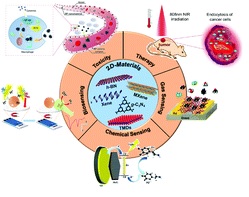
Two-dimensional (2D) materials are at the forefront of materials research. Here we overview their applications beyond graphene, such as transition metal dichalcogenides, monoelemental Xenes (including phosphorene and bismuthene), carbon nitrides, boron nitrides along with transition metal carbides and nitrides (MXenes). We discuss their usage in various biomedical and environmental monitoring applications, from biosensors to therapeutic …

Two-Dimensional Materials in Biomedical, Biosensing and Sensing Applications Read More »