Year: 2020

Structural Manipulation of Layered TiS2 to TiS3 Nanobelts trough Niobium Doping for High-Performance Supercapacitors

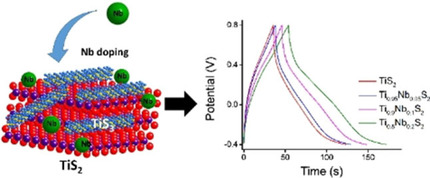
Unraveling the influence of incorporating transition metal elements on layered transition metal chalcogenides for energy storage application remains a challenge. Herein, niobium (Nb)‐doped layered titanium disulfide (TiS2) is applied to generate novel compounds Ti1−xNbxS2 (x=0.05, 0.1 and 0.20). Interestingly, TiS3 nanobelts are formed in the resulting materials, which is proven by systematic morphological and structural characterization. It …

Structural Manipulation of Layered TiS2 to TiS3 Nanobelts trough Niobium Doping for High-Performance Supercapacitors Read More »

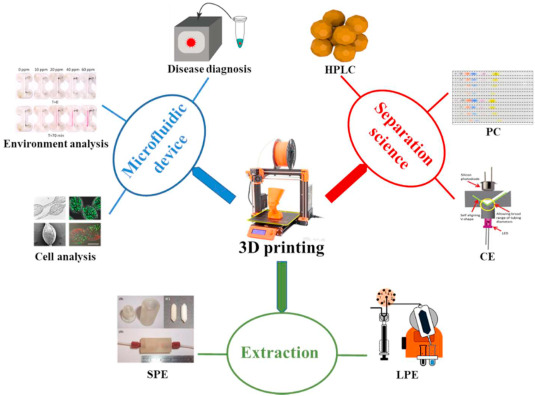
Recent Advances of 3D Printing in Analytical Chemistry: Focus on Microfluidic, Separation, and Extraction Devices

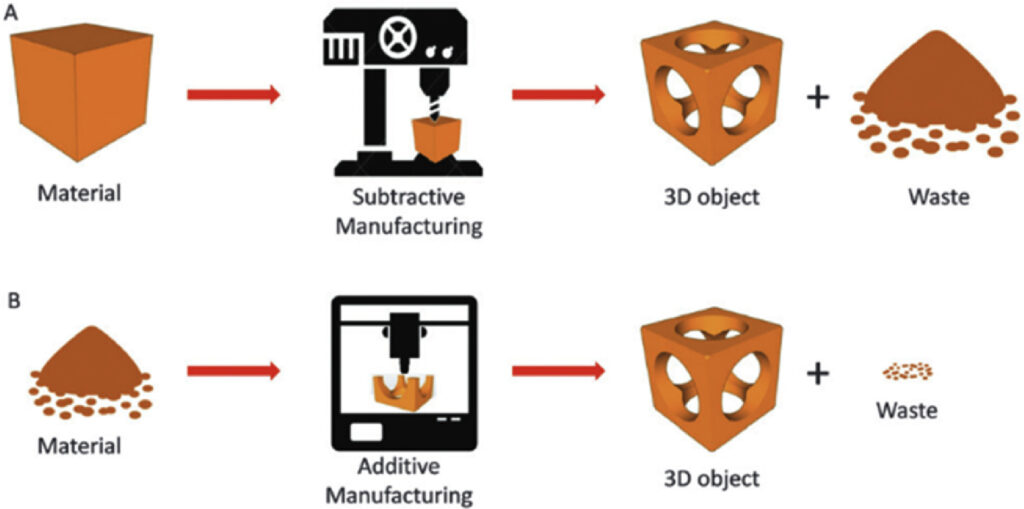
3D printing has attracted the attention of analytical chemists. 3D printing possesses the merits of fast and low-cost fabrication of geometrically complex 3D structures and has been employed in the fields of microfluidic devices, electrochemical sensors and biosensors, separation sciences, sample pretreatment, and wearable sensors. We focus on the applications and materials of 3D printing …

Recent Advances of 3D Printing in Analytical Chemistry: Focus on Microfluidic, Separation, and Extraction Devices Read More »

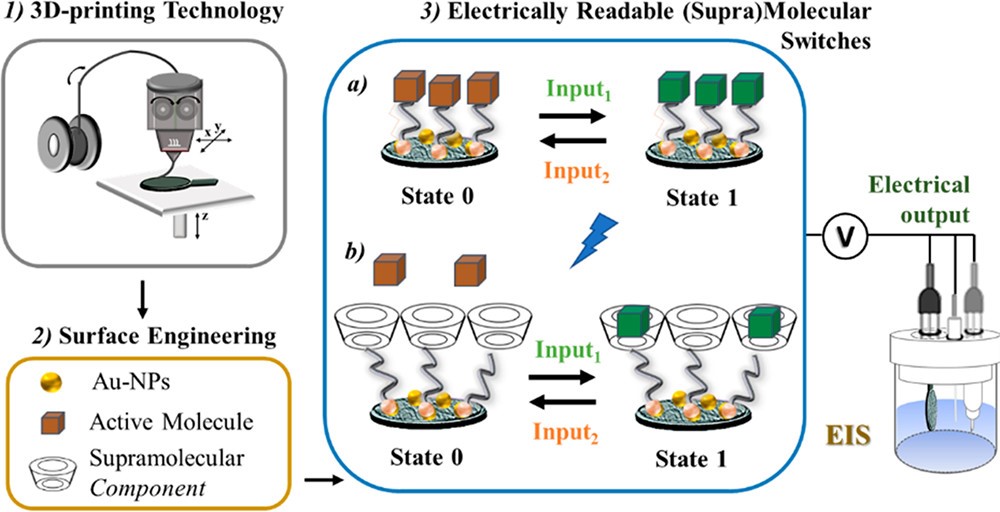
Bistable (Supra)molecular Switches on 3D-Printed Responsive Interfaces with Electrical Readout

Molecular switching memories have gained great importance in recent years because of the current sharp increase in the production of consumer electronics. Herein, 3D-printed nanocomposite carbon electrodes (3D-nCEs) have been explored as unconventional responsive interfaces to electrically readout bistable molecular switches via electrochemical impedance spectroscopy as the output system. As a proof-of-concept, two different 3D-printed …

Bistable (Supra)molecular Switches on 3D-Printed Responsive Interfaces with Electrical Readout Read More »

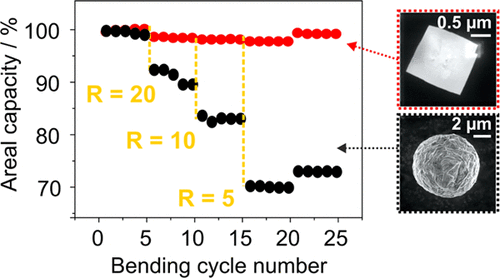
Near-Atomic-Thick Bismuthene Oxide Microsheets for Flexible Aqueous Anodes: Boosted Performance upon 3D → 2D Transition

Aqueous batteries provide safety, but they usually suffer from low energy and short lifetimes, limiting their use for large-scale energy storage. Two-dimensional materials with infinite lateral dimensions have inherent properties such as high surface area and remarkable power density and cycling stability that are shown to be critical for the next generation of energy storage …

Near-Atomic-Thick Bismuthene Oxide Microsheets for Flexible Aqueous Anodes: Boosted Performance upon 3D → 2D Transition Read More »

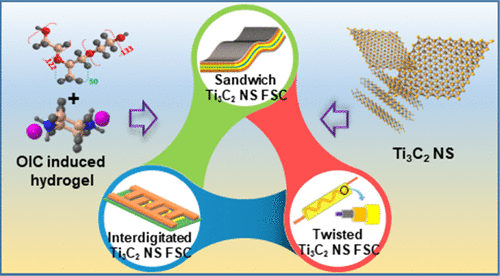
MXene-Based Flexible Supercapacitors: Influence of an Organic Ionic Conductor Electrolyte on the Performance

Owing to the rise of miniaturized wearable electronic devices in the last decade, significant demands have arisen to obtain high-performance flexible supercapacitors (FSCs). Recently, a lot of research has been focused on developing smart components of FSCs and integrating them into new device configurations. In this work, FSCs based on a Ti3C2 nanosheet (NS) and an …

MXene-Based Flexible Supercapacitors: Influence of an Organic Ionic Conductor Electrolyte on the Performance Read More »

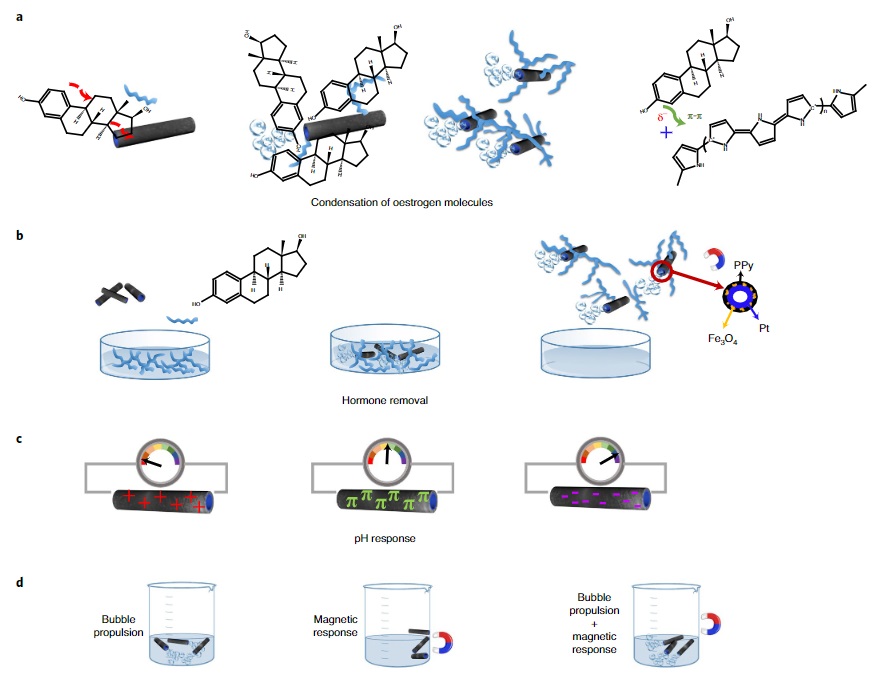
Chemically Programmable Microrobots Weaving a Web from Hormones

The occurrence of synthetic and natural hormones in an aqueous environment poses significant risks to humans because of their endocrine-disrupting activity. Autonomous self-propelled and remotely actuated nano/microrobots have emerged as a new field that encompasses a wide range of potential applications, including sensing, detection and elimination/degradation of emerging pollutants. In this work, we develop programmable …

Chemically Programmable Microrobots Weaving a Web from Hormones Read More »

Inherent Impurities in Graphene/Polylactic Acid Filament Strongly Influence on the Capacitive Performance of 3D-Printed Electrode

Additive manufacturing or 3D‐printing have become promising fabrication techniques in the field of electrochemical energy storage applications such as supercapacitors, and batteries. Of late, a commercially available graphene/polylactic acid (PLA) filament has been commonly used for Fused Deposition Modeling (FDM) 3D‐printing in the fabrication of electrodes for supercapacitors and Li‐ion batteries. This graphene/PLA filament contains …

Inherent Impurities in Graphene/Polylactic Acid Filament Strongly Influence on the Capacitive Performance of 3D-Printed Electrode Read More »

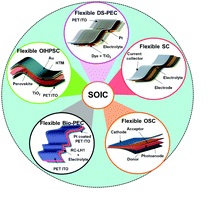
Flexible Energy Generation and Storage Devices: Focus on Key Role of Heterocyclic Solid-State Organic Ionic Conductors

An evolving trend toward the ever-growing market of portable and wearable electronics has accelerated development in the construction of multifunctional energy generation and storage systems that can be twisted and folded to multiple deformations while retaining their electrochemical performance. The latest advances and well developed approaches for the design of heterocyclic solid-state organic ionic conductors …

Flexible Energy Generation and Storage Devices: Focus on Key Role of Heterocyclic Solid-State Organic Ionic Conductors Read More »

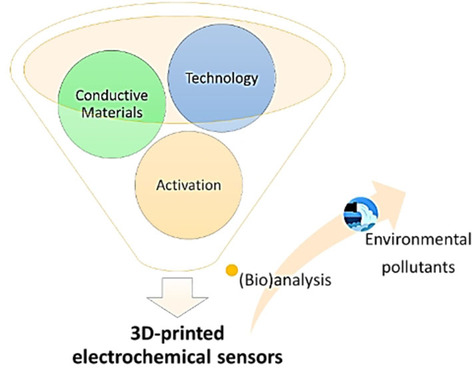
Accounts in 3D-Printed Electrochemical Sensors: Towards Monitoring of Environmental Pollutants

Heavy metal ions, small organic molecules and inorganic pollutants are some environmentally hazardous compounds that negatively impact the ecosystem and public health, owing to their high toxicity, persistency and bioaccumulation. This makes it essential to develop rapid, simple, low‐cost and sensitive devices for in situ monitoring of these toxic contaminants. In this sense, 3D printing is …

Accounts in 3D-Printed Electrochemical Sensors: Towards Monitoring of Environmental Pollutants Read More »

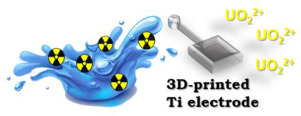
Uranium Detection by 3D-Printed Titanium Structures: Towards Decentralized Nuclear Forensic Applications

Uranium can cause significant pollution of the ecosystem as well as it can have immense hazardous effect on human health due to its chemical and radioactive toxicity. Uranyl ions (UO22+) are considered as the most common and stable ionic form of uranium and additionally, UO22+ can spread easily through the environment owing to their high solubility …

Uranium Detection by 3D-Printed Titanium Structures: Towards Decentralized Nuclear Forensic Applications Read More »

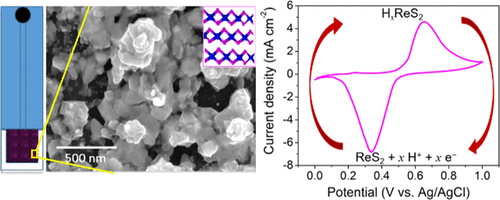
ReS2: A High-Rate Pseudocapacitive Energy Storage Material

Transition-metal dichalcogenides have attracted exceptional attention in the field of energy storage such as lithium-ion batteries and supercapacitors because of their unique electronic, optical, and mechanical properties. In this work, we synthesized rhenium disulfide (ReS2) on high-throughput, electronics industry-standard, screen-printed electrodes (SPEs) to use as an electrode material for supercapacitor application. The ReS2 nanoparticles were grown …

ReS2: A High-Rate Pseudocapacitive Energy Storage Material Read More »

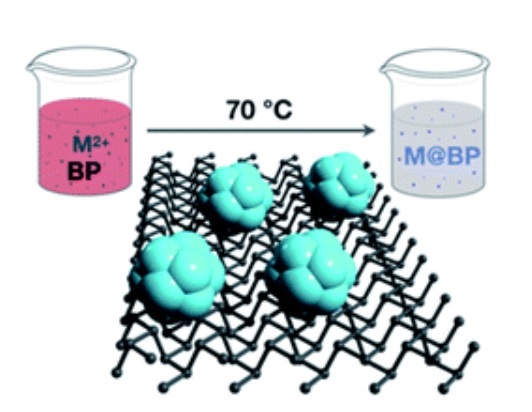
Layered Black Phosphorus as a Reducing Agent – Decoration with Group 10 Elements

Black phosphorus is prone to surface oxidation under ambient conditions. This attribute is often seen as a negative property of this interesting material. However, its proneness to oxidation – thus the reductive properties – can also be employed in modification of its surface and in preparation of composite materials. Here we describe the process of …

Layered Black Phosphorus as a Reducing Agent – Decoration with Group 10 Elements Read More »

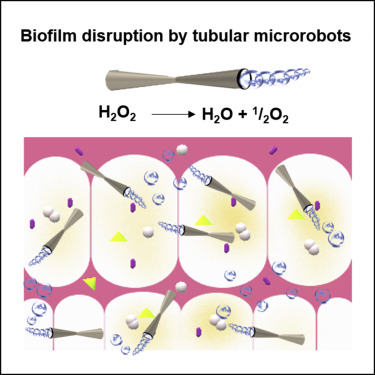
Chemical Microrobots as Self-Propelled Microbrushes against Dental Biofilm

Mouths offer the perfect environments for microbial cell formation, promoting the growth of biofilms, for example, on teeth. Dental biofilm exhibits strong resistance to antibiotics and is a cause of many dental diseases. Common strategies for dental biofilm removal involve the addition of high concentrations of hydrogen peroxide (H2O2), which increases tooth sensitivity, or mechanical …

Chemical Microrobots as Self-Propelled Microbrushes against Dental Biofilm Read More »

Tailoring Capacitance of 3D-Printed Graphene Electrodes by Carbonisation Temperature

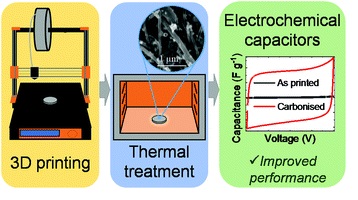
3D-printing is an emerging technology that can be used for the fast prototyping and decentralised production of objects with complex geometries. Concretely, carbon-based 3D-printed electrodes have emerged as promising components for electrochemical capacitors. However, such electrodes usually require some post-treatments to be electrically active. Herein, 3D-printed nanocomposite electrodes made from a polylactic acid/nanocarbon filament have …

Tailoring Capacitance of 3D-Printed Graphene Electrodes by Carbonisation Temperature Read More »

Swarming of Perovskite-Like Bi2WO6 Microrobots Destroy Textile Fibers under Visible Light

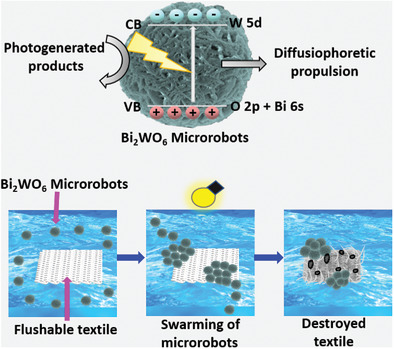
The increasing demand for disposable textiles for multi‐cleansing purposes has led to an uncontrollable accumulation of macro‐ and microdebris in water bodies, resulting in major environmental disruptions and a threat to ecosystems. Considering the emerging nature of this type of contamination, there is still no current treatment to tackle this environmental problem. Here, self‐propelled bismuth …

Swarming of Perovskite-Like Bi2WO6 Microrobots Destroy Textile Fibers under Visible Light Read More »

Metal-Plated 3D-Printed Electrode for Electrochemical Detection of Carbohydrates

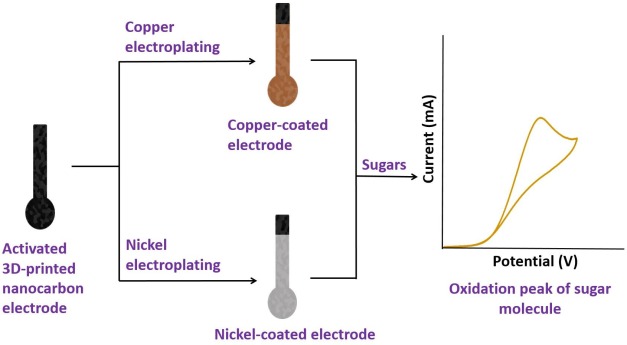
The decentralized fabrication of sensors using 3D-printing technology and low power requirements of electrochemical detection promise to revolutionize point-of-care sensing. One of the obstacles is that the 3D-printed devices are often not catalytic to the target analytes. Here, we develop a non-enzymatic printed nanocarbon electrode sensor to detect sugars (glucose and sucrose) via copper and …

Metal-Plated 3D-Printed Electrode for Electrochemical Detection of Carbohydrates Read More »

Arsenene Nanomotors as Anticancer Drug Carrier

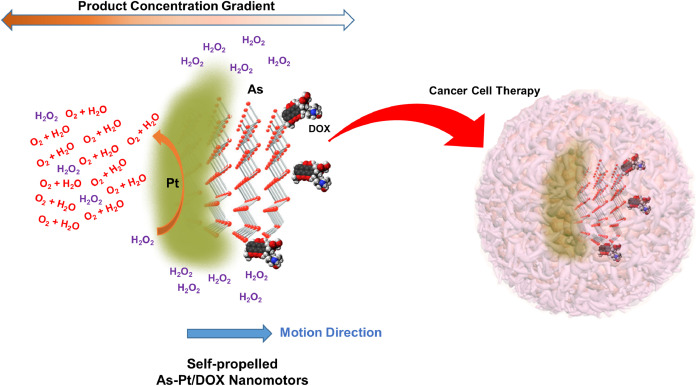
Nanotechnology has allowed rapid advancements in nanomachines for variety of biomedical applications, including drug delivery, due to their loading and transporting capabilities. Utilizing pnictogen, such as arsenic, antimony and bismuth, as nanomachines for biomedical applications are still in infancy. Herein, template-less arsenene-based Janus nanomachines with layered structure which allowed high loading capacity are explored by …

Arsenene Nanomotors as Anticancer Drug Carrier Read More »

Light-Driven ZnO Brush-Shaped Self-Propelled Micromachines for Nitroaromatic Explosives Decomposition

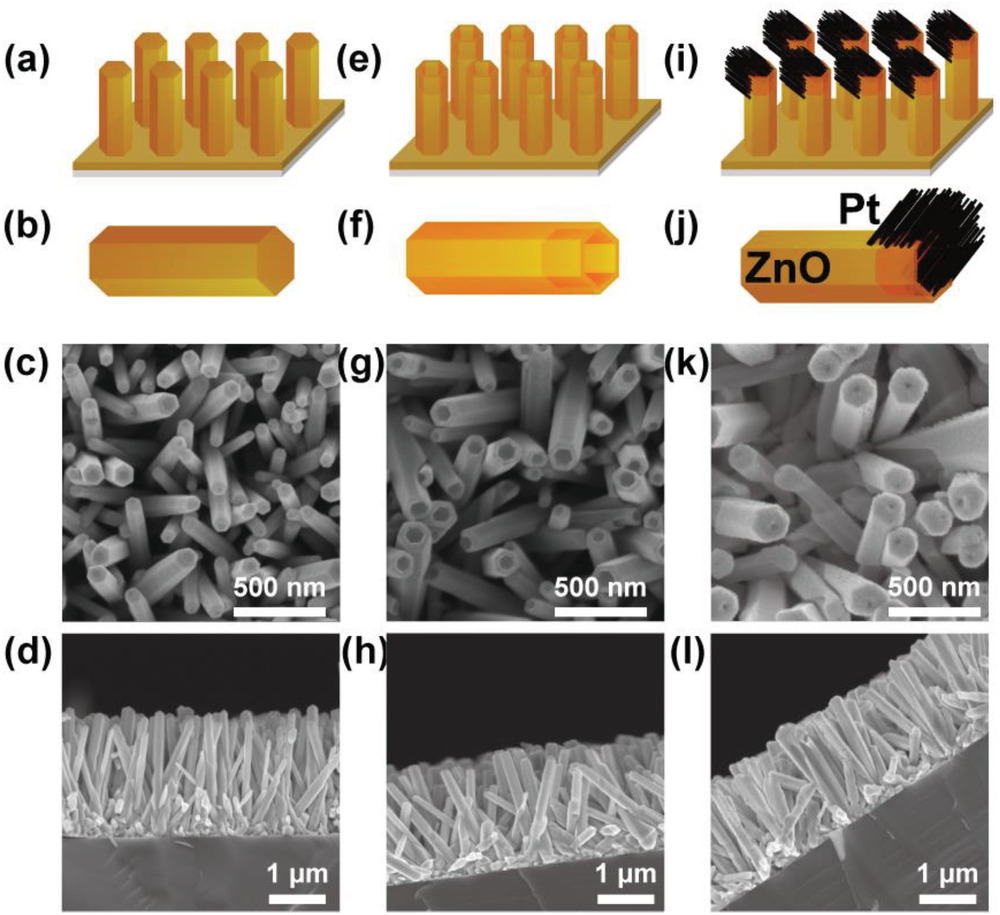
Self-propelled micromachines have recently attracted lots of attention for environmental remediation. Developing a large-scale but template-free fabrication of self-propelled rod/tubular micro/nanomotors is very crucial but still challenging. Here, a new strategy based on vertically aligned ZnO arrays is employed for the large-scale and template-free fabrication of self-propelled ZnO-based micromotors with H2O2-free light-driven propulsion ability. Brush-shaped …

Light-Driven ZnO Brush-Shaped Self-Propelled Micromachines for Nitroaromatic Explosives Decomposition Read More »

Functional 2D Germanene Fluorescent Coating of Microrobots for Micromachines Multiplexing

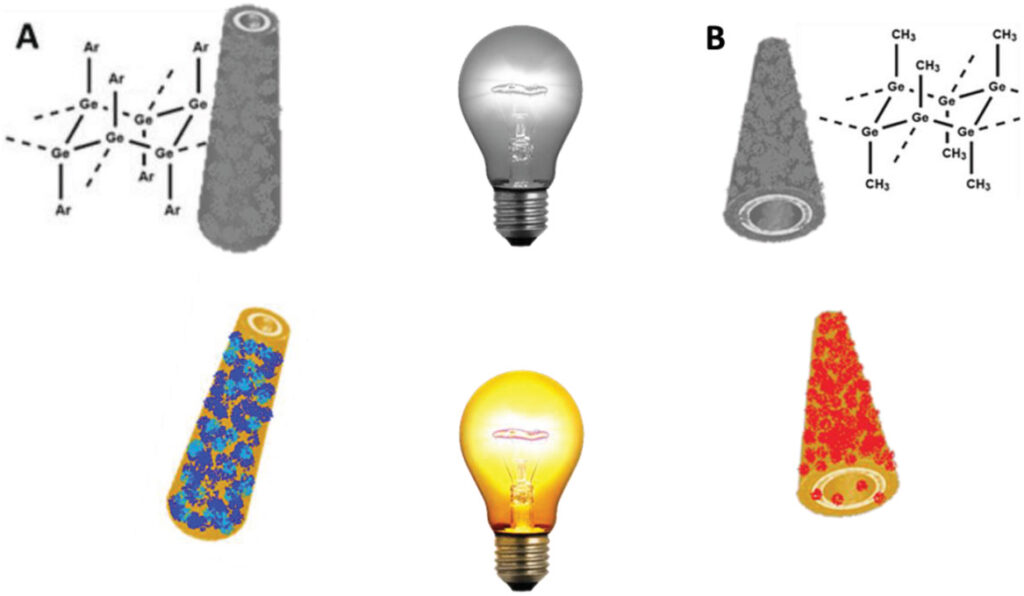
Micromachines are at the forefront of materials research as they are self-propelled, smart autonomous systems capable of acting as an intelligent matter. One of the obstacles the field faces is tracking individual micromachines carrying molecular cargo from the rest of the micromachines. Highly stable fluorescent markers based on chemically modified 2D germanene compounds are developed. …

Functional 2D Germanene Fluorescent Coating of Microrobots for Micromachines Multiplexing Read More »

Integrated Biomonitoring Sensing with Wearable Asymmetric Supercapacitors Based on Ti3C2 MXene and 1T-Phase WS2 Nanosheets

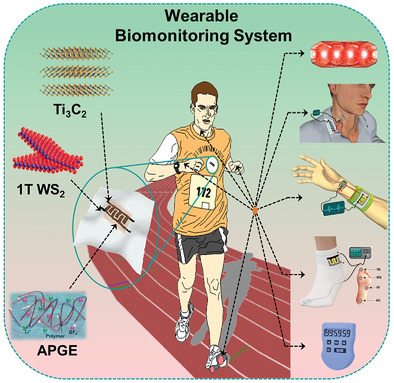
Research on wearable sensing technologies has been gaining considerable attention in the development of portable bio‐monitoring devices for personal health. However, traditional energy storage systems with defined size and shape have inherent limitations in satisfying the performance requirements for flexible electronics. To overcome this constraint, three different configurations of flexible asymmetric supercapacitor (FASC) are fabricated …

Integrated Biomonitoring Sensing with Wearable Asymmetric Supercapacitors Based on Ti3C2 MXene and 1T-Phase WS2 Nanosheets Read More »

Photocatalytic Micromotors Activated by UV to visible Light for Environmental Remediation, Micropumps, Reversible Assembly, Transportation, and Biomimicry

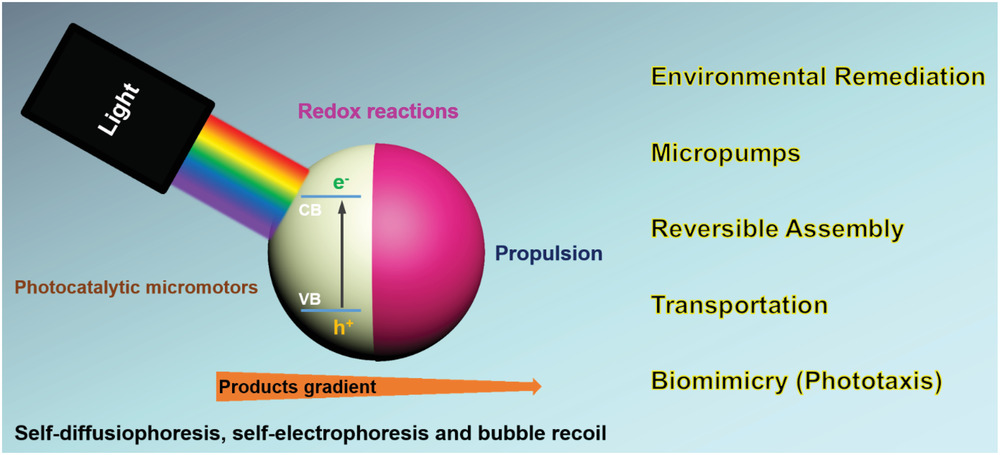
Photocatalytic micromotors are light-induced, chemically powered microma-chines based on photocatalytic materials, activated by light illumination, and have redox reactions with environmental solutions to produce chemical gradients and bubbles that propel the micromachines through self-diffu-siophoresis, self-electrophoresis, and bubble recoil. Due to the fact that excitation light relates largely to the bandgaps of selected materials, the development …

Photocatalytic Micromotors Activated by UV to visible Light for Environmental Remediation, Micropumps, Reversible Assembly, Transportation, and Biomimicry Read More »

Multifunctional Visible-Light Powered Micromotors Based on Semiconductiong Sulfur- and Nitrogen-Containing Donor-Acceptor Polymer

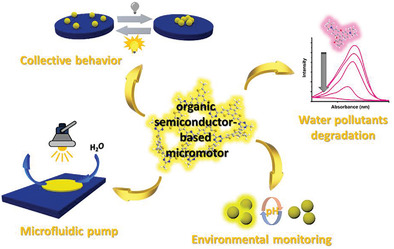
Photosensitive micromotors that can be remotely controlled by visible light irradiation demonstrate great potential in biomedical and environmental applications. To date, a vast number of light‐driven micromotors are mainly composed from costly heavy and precious metal‐containing multicomponent systems, that limit the modularity of chemical and physical properties of these materials. Herein, a highly efficient photocatalytic …

Multifunctional Visible-Light Powered Micromotors Based on Semiconductiong Sulfur- and Nitrogen-Containing Donor-Acceptor Polymer Read More »

Bipolar Electrochemistry Exfoliation of Layered Metal Chalcogenides Sb2S3 and Bi2S3 and their Hydrogen Evolution Applications

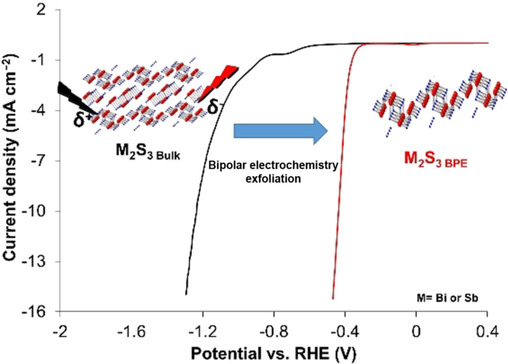
Efficient exfoliation and downsizing of Sb2S3 and Bi2S3 layered compounds by using scalable bipolar electrochemistry on their suspensions in aqueous media are here demonstrated. The resulting samples were characterized in detail by transmission electron microscopy, energy‐dispersive X‐ray spectroscopy, and X‐ray photoelectron spectroscopy; their electrochemistry toward hydrogen evolution was also investigated. Hydrogen evolution ability of exfoliated Sb2S3 and Bi2S3 was investigated and compared to the bulk counterparts.

Smartdust 3D-Printed Graphene-Based Al/Ga Robots for Photocatalytic Degradation of Explosives

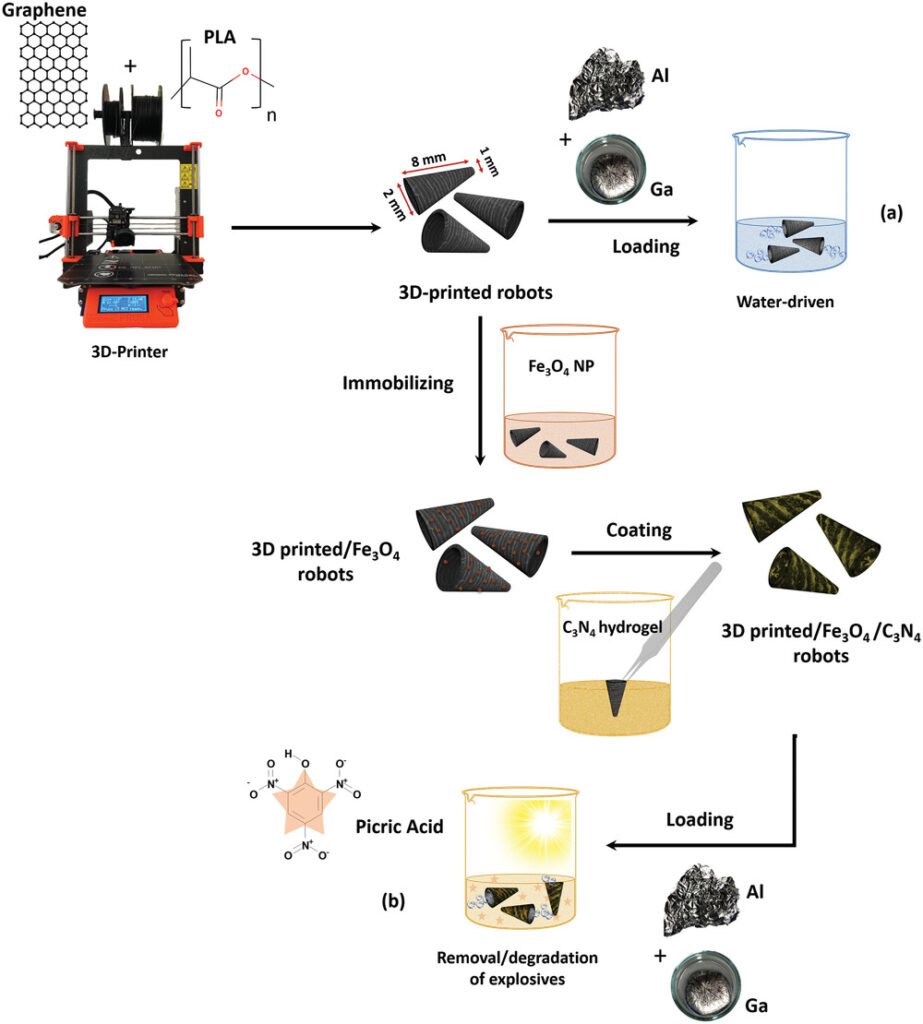
Milli/micro/nanorobots are considered smart devices able to convert energy taken from different sources into mechanical movement and accomplish the appointed tasks. Future advances and realization of these tiny devices are mostly limited by the narrow window of material choices, the fuel requirement, multistep surface functionalization, rational structural design, and propulsion ability in complex environments. All …

Smartdust 3D-Printed Graphene-Based Al/Ga Robots for Photocatalytic Degradation of Explosives Read More »

Biocatalytic Micro- and Nanomotors

Enzyme‐powered micro‐ and nanomotors are tiny devices inspired by nature that utilize enzyme‐triggered chemical conversion to release energy stored in the chemical bonds of a substrate (fuel) to actuate it into active motion. Compared with conventional chemical micro‐/nanomotors, these devices are particularly attractive because they self‐propel by utilizing biocompatible fuels, such as glucose, urea, glycerides, …

Biocatalytic Micro- and Nanomotors Read More »

Low-Temperature Synthesis and Electrocatalytic Application of Large-Area PtTe2 Thin Films

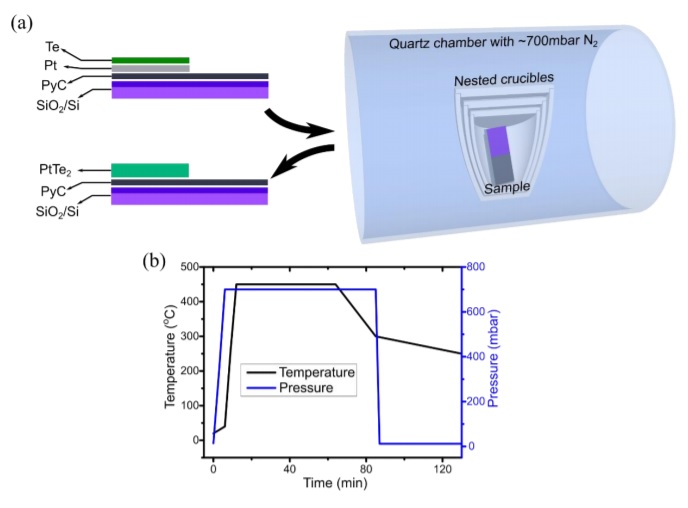
The synthesis of transition metal dichalcogenides (TMDs) has been a primary focus for 2D nanomaterial research over the last 10 years, however, only a small fraction of this research has been concentrated on transition metal ditellurides. In particular, nanoscale platinum ditelluride (PtTe2) has rarely been investigated, despite its potential applications in catalysis, photonics and spintronics. …

Low-Temperature Synthesis and Electrocatalytic Application of Large-Area PtTe2 Thin Films Read More »

Prospects for Functionalizing Elemental 2D Pnictogens: A Study of Molecular Models

Despite the intense amount of attention and huge potential of 2D-layered pnictogens for applications in chemistry, physics, and materials science, there has yet to be a robust strategy developed to systematically functionalize them to tailor their properties. This is due to a number of factors, including practical instability toward ambient conditions, difficulty in characterizing modified …

Prospects for Functionalizing Elemental 2D Pnictogens: A Study of Molecular Models Read More »

Materials Electrochemists´ Never-Ending Quest for Efficient Electrocatalysts: The Devil Is in the Impurities

This Perspective illustrates how impurities in nanomaterials affect their electrocatalytic properties. The focus is on 1D and 2D nanomaterials, starting with carbon nanotubes, through graphene and transition metal dichalcogenides to black phosphorus, and closing the circle with graphene in 3D-printed materials. Through these examples, we show that detailed materials characterization is paramount prior to assigning catalytic properties to specific functionality. We show that while metallic impurities in nanocarbons and black phosphorus are often a source of perceived electrocatalysis of these materials, the different phase and valency impurities are often sources of electrocatalysis in transition metal dichalcogenides. These impurities should not be viewed negatively because if their amount is controlled, then they become dopants and can be beneficial for the intended applications of these nanomaterials.

A Highly Sensitive Enzyme-Less Glucose Sensor Based on Pnictogens and Silver Shell-Gold Core Nanorod Composites

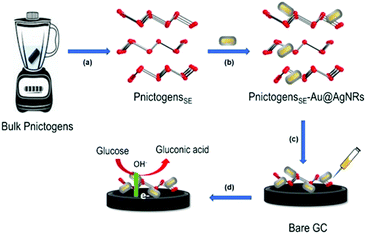
Herein, we successfully incorporated pnictogen–Au@AgNR composites, produced by mixing shear exfoliated pnictogen nanosheets with silver shell, gold core nanorods (Au@AgNRs), as novel electrode materials towards the development of a non-enzymatic electrochemical glucose sensor. The findings of this study conceptually prove the feasibility of incorporating pnictogen-based composites for future development of electrochemical sensors.

Bismuthene Metallurgy: Transformation of Bismuth Particles to Ultrahigh-Aspect-Ratio 2D Microsheets

Ultrathin bismuth exhibits promising performance for topological insulators due to its narrow band gap and intrinsic strong spin–orbit coupling, as well as for energy‐related applications because of its electronic and mechanical properties. However, large‐scale production of 2D sheets via liquid‐phase exfoliation as an established large‐scale method is restricted by the strong interaction between bismuth layers. …

Bismuthene Metallurgy: Transformation of Bismuth Particles to Ultrahigh-Aspect-Ratio 2D Microsheets Read More »

2D Germanane Derivative as a Vector for Overcoming Doxorubicin Resistance in Cancer Cells

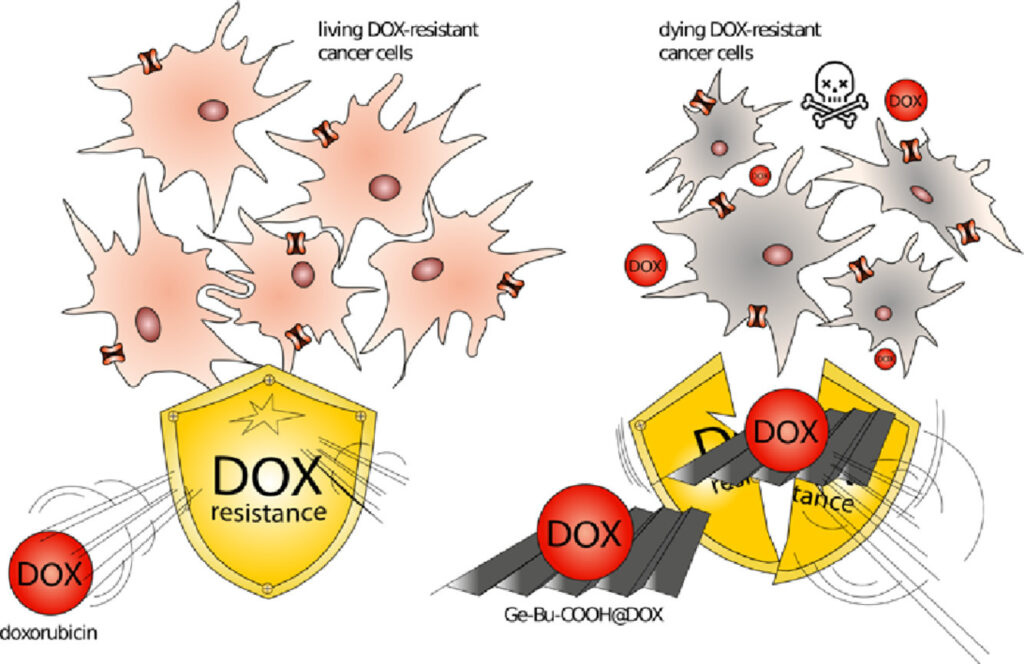
Cancer resistance to chemotherapeutics is a common problem often encountered in the clinical setting, hampering greatly the conventional therapy of malignant diseases for several decades. No generally efficient mechanism solving this phenomenon was found so far. Cancer cells can adapt to a stress applied in the form of chemotherapeutics and become insensitive to their effects. Under such a selection pressure, the cancer cells acquire features helping them not only to survive the changes in the environment but also to further divide and to form secondary lesions. Therefore, besides developing novel chemotherapeutics, refining the drug delivery mechanisms of the conventional ones is absolutely crucial to defeat the cancer, so we can fully benefit from the effects these therapeutics offer. Here, we demonstrated enhanced delivery of doxorubicin (DOX) to a DOX-resistant ovarian cancer cell line using completely novel 2D material 4-carboxybutylgermanane (Ge-Bu-COOH). In our study, we present Ge-Bu-COOH as a drug carrier evincing high drug-loading efficiency, low cytotoxicity up to the concentration of 2.5 μg/mL and no hemolysis. Simultaneously, binding DOX to Ge-Bu-COOH increases DOX accumulation in the DOX-resistant cell lines. It leads to a significant anticancer efficiency enhancement in A2780/ADR DOX-resistant cell line; with the maximal effect reaching up to 62.8% compared to free DOX. These findings have profound influence on understanding the behaviour of doxorubicin-resistant tumours and open new horizon to manage their treatment.

3D-printed biosensors for electrochemical and optical applications

Additive manufacturing (also known as 3D printing) has begun to spread for prototyping at-point-of-use biosensing platforms since allows the custom and decentralized fabrication for on-demand low-cost devices and actuators. Although this research is still in an early stage, 3D printing of bioanalytical platforms can offer enormous potential in several fields, including electrochemical and optical devices; however, some pivotal aspects must be solved in order to achieve active and stable 3D-printed biosensing systems. Accordingly, an overview of printing techniques and recent bio-functionalization of 3D-printed devices for biosensing applications is provided, pointing out the advantages, disadvantages and future opportunities of this technology for the determination of biologically active molecules readout by electrochemical and optical techniques.

Metal–organic-frameworks on 3D-printed electrodes: in situ electrochemical transformation towards the oxygen evolution reaction

Metal–organic framework (MOF) derived materials are important alternatives for electrochemical energy storage and conversion, due to their highly large surface area, abundant active sites, and diversity in composition and structure. In this work, a controllable electrochemical transformation of ZIF-67 into active porous metal oxides is employed for the oxygen evolution reaction (OER). ZIF-67 is directly coated onto the surface of three-dimensional (3D) printed titanium (Ti) electrodes using a step-by-step in situ growth and then converted into cobalt oxide (Co3O4) by electrochemical cycling, designated as ZIF-67/Ti-E electrode. Raman spectroscopy, scanning electron microscopy (SEM), and cyclic voltammetry (CV) have been used to verify the electrochemical transformation from octahedral ZIF-67 to thin sheet-shaped Co3O4. This large-surface-area Co3O4, as well as the existence of CoIV species right before water oxidation, plays a critical role in enhanced OER performance under alkaline electrolysis conditions. The optimized ZIF-67/Ti-E electrode has demonstrated a better OER performance with a low overpotential of 360 mV at a current density of 10 mA cm−2 and excellent durability, compared with its counterparts produced by the widely popular calcination method. Our method provides a simple in situ, fast, mild, and energy-efficient approach to employ MOF-derived materials as promising OER catalysts using scaled-up 3D-printed electrodes.

Corrosion of light powered Pt/TiO2 microrobots

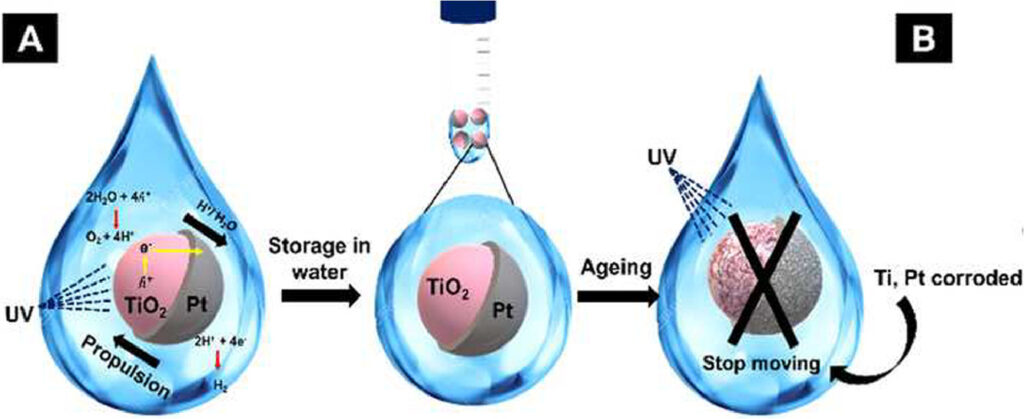
Catalytic light-powered microrobots have become a major focus in the current autonomous self-propelled micromotors research. The attractiveness of such machines stems from the fact that these motors are liquid “fuel-free”, with their motion modulated by irradiation. It is assumed that as catalytic micro/nanoparticles, they can function eternally. We show here that Pt/TiO2 photo powered micromachines undergo corrosion and that they lose catalytic activity several days after deployment.

Coordinated behaviors of artificial micro/nanomachines: from mutual interactions to interactions with the environment

The coordinated behaviors of living organisms in nature have inspired the design of artificial micro/nanomachines that mimics biological methods of group motion and responses to the environment. Designing and developing the coordinated behavior of micro/nanomachines will bring benefits of synchronized operation, multitasking, and adaptability to a wide spectrum of environments. Similar to macroscale organization in …

Coordinated behaviors of artificial micro/nanomachines: from mutual interactions to interactions with the environment Read More »

Siloxene, Germanane, and Methylgermanane: Functionalized 2D Materials of Group 14 for Electrochemical Applications

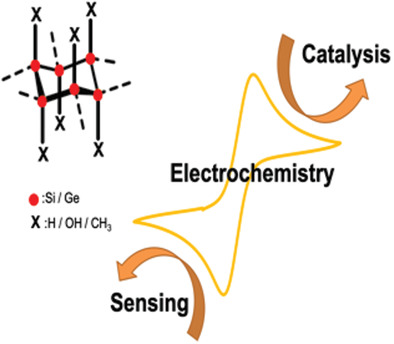
2D monoelemental group 14 materials beyond graphene, such as silicene and germanene, have recently gained a lot of attention. Covalent functionalization of group 14 layered materials can lead to significant tuning of their properties. While optical and electronic properties of germanene, silicene, and their derivatives have been studied in detail previously, there is no information on their electrochemistry and toxicity. Herein, electrochemical applications of 2D siloxene, germanane, and methylgermanane, specifically for detection of an important biomarker, dopamine, as well as catalyzation of oxygen reduction and hydrogen evolution reactions, which are important in energy applications, are explored. Among the three materials, germanane portrays most superior properties for the electrochemical applications mentioned. All three materials possess fast heterogeneous electron transfer rates, relative to bare glassy carbon electrodes. In addition, toxicity studies of these materials are conducted to gain insights on their possible harmful effects toward human health. The results of this study show siloxene nontoxic while germanane and methylgermanane impose dose‐dependent toxicity. Interestingly, methylation successfully reduce the toxicity of methylgermanane at lower concentrations. These studies provide fundamental insights into electrochemical and toxic properties of functionalized group 14 layered materials for future electrochemical applications.

Confined Bubble-Propelled Microswimmers in Capillaries: Wall Effect, Fuel Deprivation, and Exhaust Product Excess

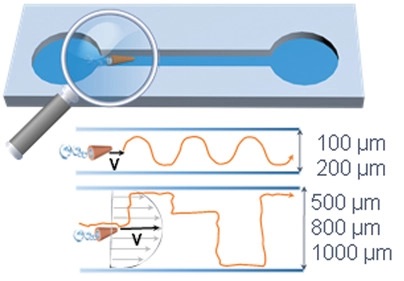
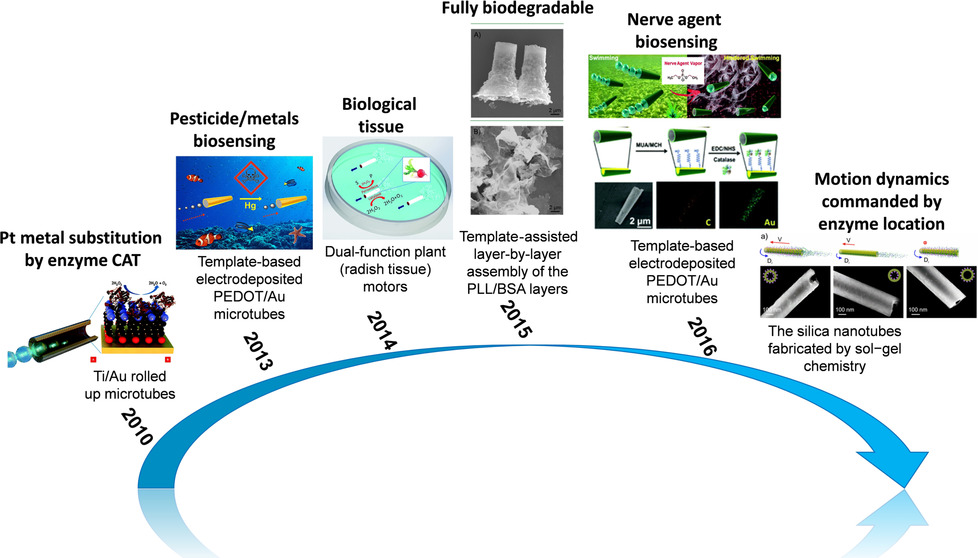
Self-propelled autonomous nano/microswimmers are at the forefront of materials science. These swimmers are expected to operate in highly confined environments, such as between the grains of soil or in the capillaries of the human organism. To date, little attention is paid to the problem that in such a confined environment the fuel powering catalytic nano/microswimmers …

Confined Bubble-Propelled Microswimmers in Capillaries: Wall Effect, Fuel Deprivation, and Exhaust Product Excess Read More »

Catalyst coating of 3D printed structures via electrochemical deposition: Case of the transition metal chalcogenide MoSx for hydrogen evolution reaction

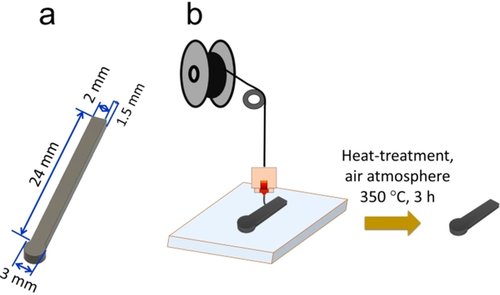
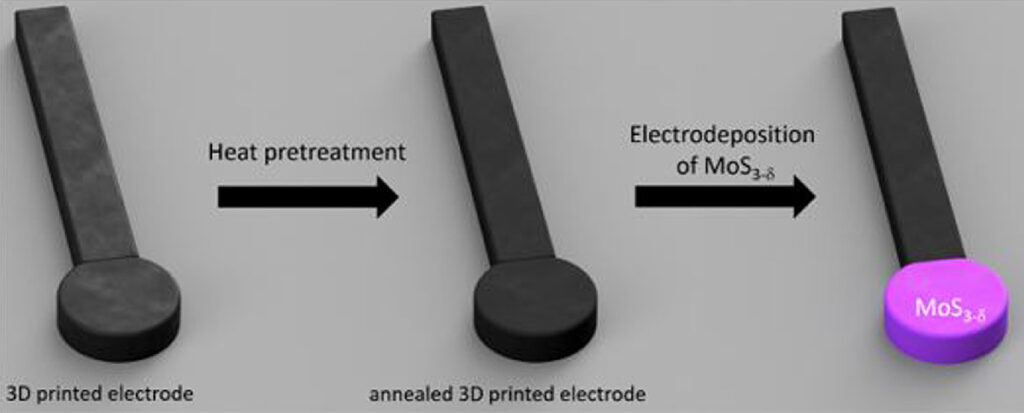
Fused filament modeling (FFM) is the most common and simplest type of 3D printing. Conductive composite filaments have become widely used for 3D printing of electrodes and electrochemical devices for sensing, energy storage and energy conversion applications. To enhance the electrochemical performance of the 3D printed parts, post printing procedures are applied. These for example consist of atomic layer deposition, which is high-end equipment demanding. We offer simple, scalable and room temperature method of coating the 3D-printed electrode surfaces via desired catalyst via electrodeposition. We show the electrodeposition of MoSx which is highly catalytic to hydrogen evolution reaction as a case study of such thin film electrodeposition. The applicability of the self-standing 3D printed nanostructure for energy conversion purposes is demonstrated. Valuable information about the heterogeneity of the activity of the catalyst is provided by the scanning electrochemical microscopy (SECM). Electrodeposition is a universal technique which allows turning the surface of 3D objects into catalysts.
Towards Antimonene and 2D Antimony Telluride through Electrochemical Exfoliation

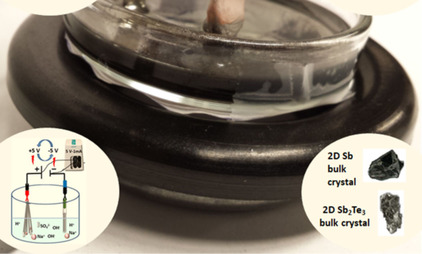
Two‐dimensional (2D) layered antimony (Sb) and antimony telluride (Sb2Te3) are two valuable materials for optoelectronic devices and thermoelectric applications. Preparing high‐quality sheets of these materials is the initial phase to promote their expected issues. Herein, micrometer‐sized few‐to‐multilayered sheets of Sb and Sb2Te3 have been obtained by electrochemical exfoliation. The layered rhombohedral Sb was exfoliated in Na2SO4 and Li2SO4 electrolytes by anodic–cationic intercalation, and Sb2Te3 was exfoliated in Na2SO4. These findings are important contributions for the solution‐based room‐temperature electrochemical exfoliation, which is stable under glove‐box‐free conditions, to further improve the production of high‐quality exfoliated sheets.