Year: 2015

Mesomeric Effects of Graphene Modified with Diazonium Salts: Substituent Type and Position Influence its Properties

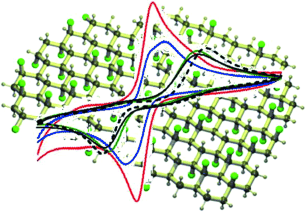
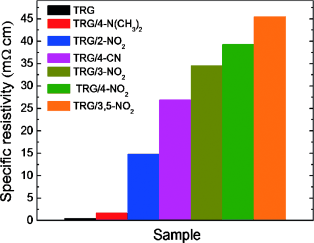
In the last decade, graphene and graphene derivatives have become some of the most intensively studied materials. Tuning of the electronic and electrochemical properties of graphene is of paramount importance. In this study, six diazonium-modified graphenes containing different functional groups according to the diazonium salt precursor were investigated. These diazonium moieties have a strong mesomeric …

Mesomeric Effects of Graphene Modified with Diazonium Salts: Substituent Type and Position Influence its Properties Read More »

Transition Metal Oxides for the Oxygen Reduction Reaction: Influence of the Oxidation States of the Metal and its Position on the Periodic Table

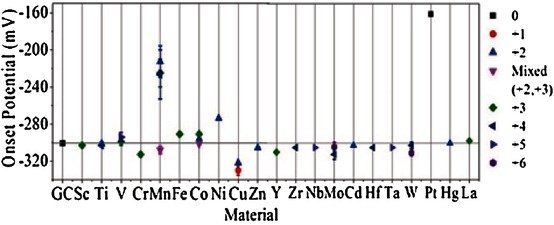
Electrocatalysts have been developed to meet the needs and requirements of renewable energy applications. Metal oxides have been well explored and are promising for this purpose, however, many reports focus on only one or a few metal oxides at once. Herein, thirty metal oxides, which were either commercially available or synthesized by a simple and …

Transition Metal Oxides for the Oxygen Reduction Reaction: Influence of the Oxidation States of the Metal and its Position on the Periodic Table Read More »

Hydrogenated Graphenes by Birch Reduction: Influence of Electron and Proton Sources on Hydrogenation Efficiency, Magnetism, and Electrochemistry

Interest in chemical functionalisation of graphenes today is largely driven by associated changes to its physical and material properties. Functionalisation with hydrogen was employed to obtain hydrogenated graphenes (also termed graphane if fully hydrogenated), which exhibited properties including fluorescence, magnetism and a tuneable band gap. Although the classical Birch reduction has been employed for hydrogenation …

Hydrogenated Graphenes by Birch Reduction: Influence of Electron and Proton Sources on Hydrogenation Efficiency, Magnetism, and Electrochemistry Read More »

Electrochemical Fluorographane: Hybrid Electrocatalysis of Biomarkers, Hydrogen Evolution, and Oxygen Reduction

Fluorographane (C1HxF1-x+)(n) is a new member of the graphene family that exhibits hydrophobicity and a large band gap that is tunable based on the level of fluorination. Herein, sensing and energy applications of fluorographane are reported. The results reveal that the carbon-to-fluoride ratio of fluorographane has a great impact on the electrochemical performance of the …

Electrochemical Fluorographane: Hybrid Electrocatalysis of Biomarkers, Hydrogen Evolution, and Oxygen Reduction Read More »

Effect of Electrolyte pH on the Inherent Electrochemistry of Layered Transition-Metal Dichalcogenides (MoS2, MoSe2, WS2, WSe2)

We set forth to investigate the changes in the inherent oxidative peaks of different transition-metal dichalcogenides (TMDs), namely MoS2, MoSe2, WS2, and WSe2, at different electrolyte pH values. Changing the pH of the electrolyte was found to influence and affect the inherent oxidation of TMDs, more noticeably the peak position. This could be attributed to …

Effect of Electrolyte pH on the Inherent Electrochemistry of Layered Transition-Metal Dichalcogenides (MoS2, MoSe2, WS2, WSe2) Read More »

Intrinsic electrochemical performance and precise control of surface porosity of graphene-modified electrodes using the drop-casting technique

Graphenes have for a long time been shown to exhibit enhanced electrochemical sensing and fast heterogeneous electron transfers, but the nature of such improved electrochemistry is disputed due to its inherent porosity. Adsorption and thin layer effects may additionally contribute to the observed behaviour. Furthermore, overall extents of the impact from these factors are typically …

Intrinsic electrochemical performance and precise control of surface porosity of graphene-modified electrodes using the drop-casting technique Read More »

Metallic 1T-WS2 for Selective Impedimetric Vapor Sensing

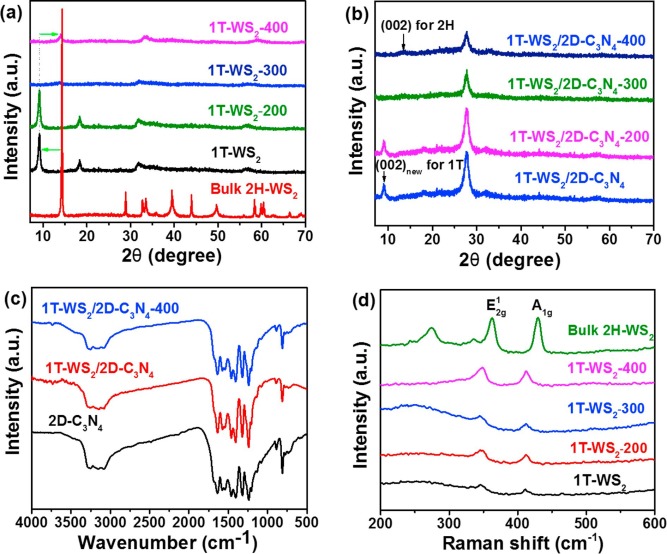
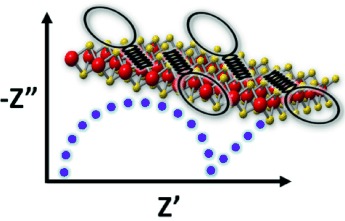
Selective gas sensing is of immense importance for industrial as well as safety purposes. Here it is shown that metallic 1T phase transition metal dichalcogenides, such as tungsten sulfide (WS2), provide sensitive and selective platform for gas sensing. Using impedance spectroscopy distinguishable alterations can be detected on the impedance phase spectrum of interdigitated gold electrode …

Metallic 1T-WS2 for Selective Impedimetric Vapor Sensing Read More »

Fluorinated Nanocarbons Cytotoxicity

As the research in nanotechnology progresses, there will eventually be an influx in the number of commercial products containing different types of nanomaterials. This phenomenon might damage our health and environment if the nanomaterials used are found to be toxic and they are released into the waters when the products degrade. In this study, we …

Fluorinated Nanocarbons Cytotoxicity Read More »

Carbocatalysis: The State of “Metal-Free” Catalysis

The rise in global demand for crucial chemical compounds has driven immense research in the fundamental science of catalysis. Graphene and its derivatives (chemically modified graphene, CMGs) have recently emerged as a new class of heterogeneous catalyst that promises economically viable and greener routes to these compounds. Although CMGs possess unique catalytic properties, the actual …

Carbocatalysis: The State of “Metal-Free” Catalysis Read More »

Definitive Insight into the Graphite Oxide Reduction Mechanism by Deuterium Labeling

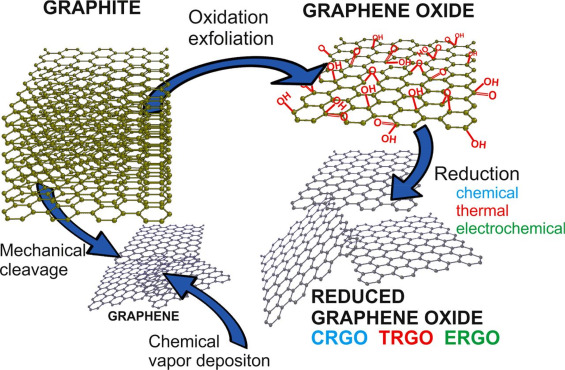
The reduction of graphite oxide is one of the most important reactions in the production of graphene in gram quantities. The mechanisms of these widely used reactions are poorly understood. The mechanism of the chemical reduction of two different graphite oxides prepared by the chlorate (Hofmann method) and permanganate methods (Hummers method) has been investigated. …

Definitive Insight into the Graphite Oxide Reduction Mechanism by Deuterium Labeling Read More »

Susceptibility of FeS2 hydrogen evolution performance to sulfide poisoning

The imminent depletion of fossil fuels raises concern over the need for next-generation clean energy. Of numerous alternatives, electrochemical water splitting is a promising method to store energy in the form of hydrogen. In order to benefit from this system, technological advancement in the development of affordable and efficient electrocatalysts for hydrogen evolution reaction is …

Susceptibility of FeS2 hydrogen evolution performance to sulfide poisoning Read More »

Electrochemistry of Cd3As2-A 3D Analogue of Graphene

Graphene has been well-known for its outstanding electrochemical properties over the years owing to its zero band gap and structural advantages. Lately, Cd3As2, a three-dimensional (3D) Dirac semi-metal, has been fervently explored in the field of material physics due to its high electron carrier mobility and transport properties. However, unlike graphene and its derivatives, the …

Electrochemistry of Cd3As2-A 3D Analogue of Graphene Read More »

Two-Dimensional Transition Metal Dichalcogenides in Biosystems

The intriguing properties of two-dimensional transition metal dichalcogenides (2D TMDCs) have led to a significant body of fundamental research and rapid uptake of these materials in many applications. Specifically, 2D TMDCs have shown great potential in biological systems due to their tunable electronic characteristics, unique optical properties, stability in aqueous environments, large surface area that …

Two-Dimensional Transition Metal Dichalcogenides in Biosystems Read More »

Dichlorocarbene-Functionalized Fluorographene: Synthesis and Reaction Mechanism

Halogen functionalization of graphene is an important branch of graphene research as it provides opportunities to tailor the band gap and catalytic properties of graphene. Monovalent C-X bond obviates pitfalls of functionalization with atoms of groups 13, 15, and 16, which can introduce various poorly defined groups. Here, the preparation of functionalized graphene containing both …

Dichlorocarbene-Functionalized Fluorographene: Synthesis and Reaction Mechanism Read More »

Chemically Modified Graphene: The Influence of Structural Properties on the Assessment of Antioxidant Capacity

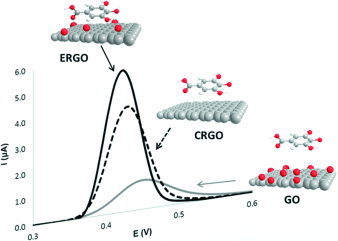
Graphene materials obtained by different synthetic routes possess dissimilar amount of defects and surface functionalities, which can influence their electrochemical performance towards the detection of electroactive probes. Oxygen-containing groups can be either detrimental to the heterogeneous charge transfer or promote favorable interactions between the graphene surface and the analyte of interest, depending on the structure …

Chemically Modified Graphene: The Influence of Structural Properties on the Assessment of Antioxidant Capacity Read More »

Transitional Metal/Chalcogen Dependant Interactions of Hairpin DNA with Transition Metal Dichalcogenides, MX2

Owing to the attractive properties that transition metal dichalcogenides (TMDs) display, they have found recent application in the fabrication of biosensing devices. These devices involve the immobilization of a recognition element such as DNA onto the surface of TMDs. Therefore, it is imperative to examine the interactions between TMDs and DNA. Herein, we explore the …

Transitional Metal/Chalcogen Dependant Interactions of Hairpin DNA with Transition Metal Dichalcogenides, MX2 Read More »

Evaluation of the Sorbent Properties of Single- and Multiwalled Carbon Nanotubes for Volatile Organic Compounds through Thermal Desorption-Gas Chromatography/Mass Spectrometry

Carbon nanotubes (CNTs) possess well-defined structural and chemical characteristics coupled with a large surface area that makes them ideal as sorbent materials for applications where adsorption processes are required. The adsorption properties of carboxylated derivatives of multiwalled carbon nanotubes (COOH-MWCNT) and singlewalled carbon nanotubes (COOH-SWCNT), together with their nonfunctionalized counterparts (MWCNT and SWCNT) for 48common …

Evaluation of the Sorbent Properties of Single- and Multiwalled Carbon Nanotubes for Volatile Organic Compounds through Thermal Desorption-Gas Chromatography/Mass Spectrometry Read More »

Highly selective removal of Ga3+ ions from Al3+/Ga3+ mixtures using graphite oxide

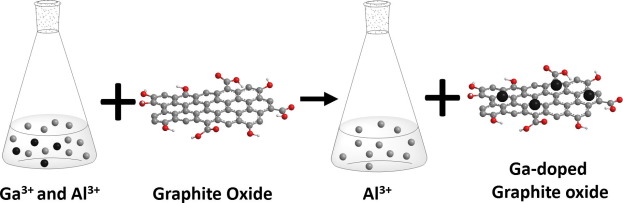
In this paper, we present a simple solution to a major technological issue, the extraction of gallium from bauxite ore and aluminium-gallium separation. Due to its extremely large surface area and oxygen functional groups, graphite oxide was used for the highly selective sorption of Ga3+ from Al3+/Ga3+ mixtures. Graphite oxide prepared according to the Hummers …

Highly selective removal of Ga3+ ions from Al3+/Ga3+ mixtures using graphite oxide Read More »

Impact Electrochemistry of Layered Transition Metal Dichalcogenides

Layered transition metal dichalcogenides (TMDs) exhibit paramount importance in the electrocatalysis of the hydrogen evolution reaction. It is crucial to determine the size of the electrocatalytic particles as well as to establish their electrocatalytic activity, which occurs at the edges of these particles. Here, we show that individual TMD (MoS2, MoSe2, WS2, or WSe2; in …

Impact Electrochemistry of Layered Transition Metal Dichalcogenides Read More »

Assessments of Surface Coverage after Nanomaterials are Drop Cast onto Electrodes for Electroanalytical Applications

The drop-casting method for the suspension of nanomaterials on conducting surfaces is a commonly used procedure for evaluating the electrochemical properties of the drop-cast materials. In this study, we pinpoint a key limitation of the method, which may lead to misinterpretation of the obtained data, especially when evaluating heterogeneous electron-transfer rates. The electrochemical responses recorded …

Assessments of Surface Coverage after Nanomaterials are Drop Cast onto Electrodes for Electroanalytical Applications Read More »

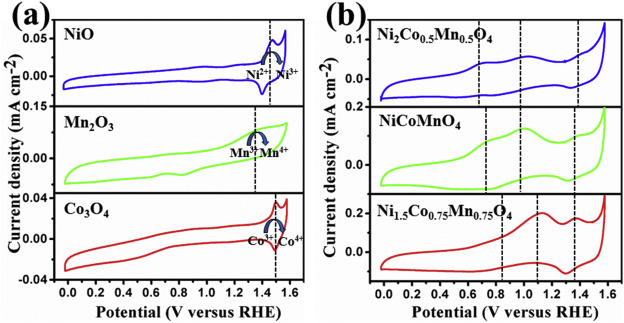
Ternary Transition Metal Oxide Nanoparticles with Spinel Structure for the Oxygen Reduction Reaction

It is crucial to develop electrocatalysts for the oxygen reduction reaction (ORR) for renewable energy applications. Mixed-valence transition-metal oxides with a spinel structure have been explored for this purpose. In this work, we study the influence of the composition of the catalysts (XY2O4, X=Ni, Zn and Y=Co, Mn) on the ORR. The four different types …

Ternary Transition Metal Oxide Nanoparticles with Spinel Structure for the Oxygen Reduction Reaction Read More »

Impact electrochemistry of individual molybdenum nanoparticles

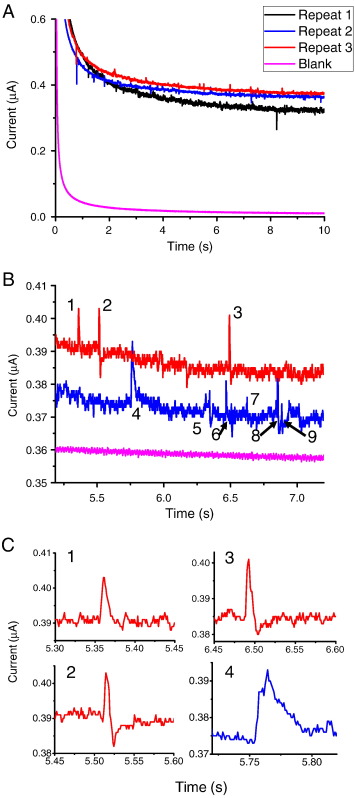
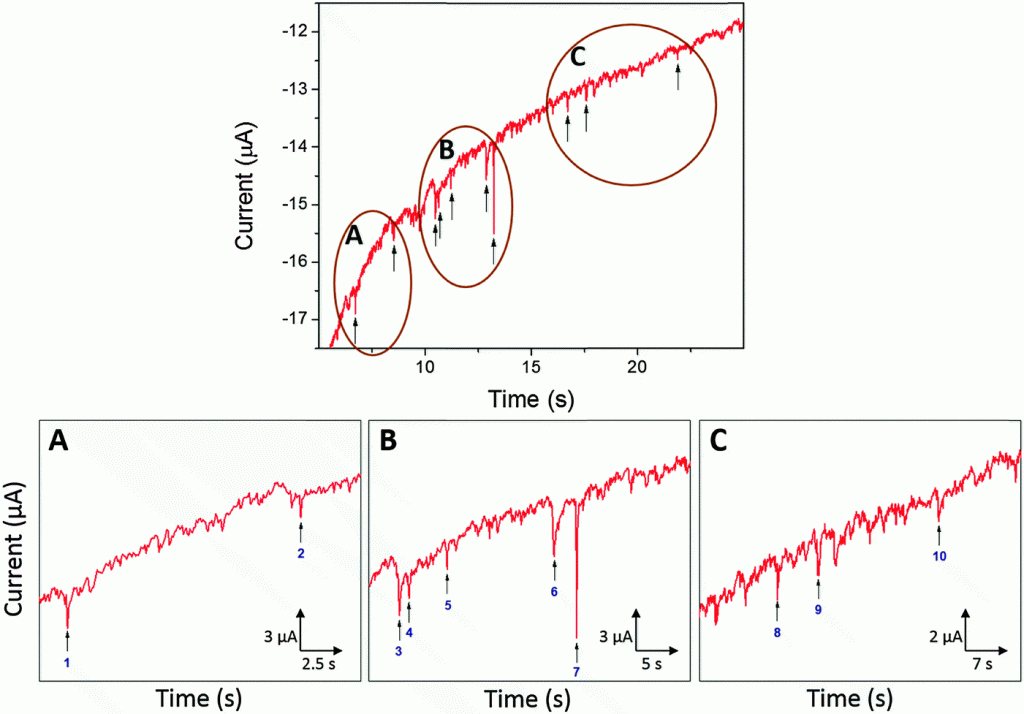
Detection of individual nanoparticles is of high importance to basic science as well as to applied one, i.e., for remediation efforts. Electrochemistry was shown previously to play an important role in detection, counting and measuring individual nanoparticles. Here we show that individual molybdenum nanoparticles can be detected and counted by chronoamperometry upon their impact on …

Impact electrochemistry of individual molybdenum nanoparticles Read More »

Transition metal dichalcogenides (MoS2, MoSe2, WS2 and WSe2) exfoliation technique has strong influence upon their capacitance

Transition metal dichacogenides (TMD) represent an important class of layered compounds which are gaining lately an enormous interest in electrochemistry. Exfoliation of TMD materials to obtain single to few layer sheets is generally obtained through the intercalation of organolithium compounds. Here we investigated and compared the capacitive behavior of four representative TMD materials, i.e. MoS2, …

Transition metal dichalcogenides (MoS2, MoSe2, WS2 and WSe2) exfoliation technique has strong influence upon their capacitance Read More »

Iridium- and Osmium-decorated Reduced Graphenes as Promising Catalysts for Hydrogen Evolution

Renewable energy sources are highly sought after as a result of numerous worldwide problems concerning the environment and the shortage of energy. Currently, the focus in the field is on the development of catalysts that are able to provide water splitting catalysis and energy storage for the hydrogen evolution reaction (HER). While platinum is an …

Iridium- and Osmium-decorated Reduced Graphenes as Promising Catalysts for Hydrogen Evolution Read More »

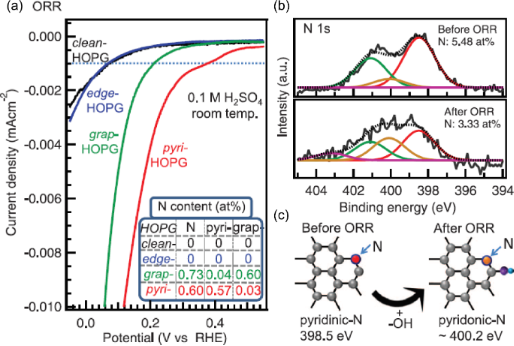
So-Called “Metal-Free” Oxygen Reduction at Graphene Nanoribbons is in fact Metal Driven

The oxygen reduction reaction (ORR) is of key importance in the field of electrochemical energy production. Remarkable catalytic properties of metal-free graphene nanoribbons towards the ORR were suggested in previous reports. Herein, we show that the electrocatalytic properties of an undoped supposedly metal-free graphene nanoribbon towards the ORR is actually caused by metallic impurities within …

So-Called “Metal-Free” Oxygen Reduction at Graphene Nanoribbons is in fact Metal Driven Read More »

Geographical and Geological Origin of Natural Graphite Heavily Influence the Electrical and Electrochemical Properties of Chemically Modified Graphenes

Natural graphite is an important precursor for the production of chemically modified graphenes in bulk quantities for electrochemical applications. These natural graphites have varying fundamental properties due to the different geological processes and environments at their points of origin, which are expected to affect their chemical reactivity and hence the properties of the derived graphene …

Geographical and Geological Origin of Natural Graphite Heavily Influence the Electrical and Electrochemical Properties of Chemically Modified Graphenes Read More »

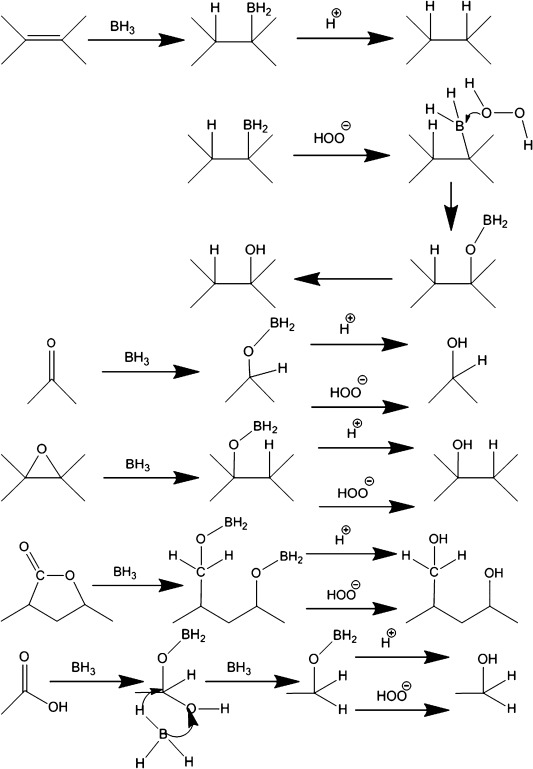
Hydroboration of Graphene Oxide: Towards Stoichiometric Graphol and Hydroxygraphane

Covalently functionalized graphene materials with well-defined stoichiometric composition are of a very high importance in the research of 2D carbon material family due to their well-defined properties. Unfortunately, most of the contemporary graphene-functionalized materials do not have this kind of defined composition and, usually, the amount of heteroatoms bonded to graphene framework is in the …

Hydroboration of Graphene Oxide: Towards Stoichiometric Graphol and Hydroxygraphane Read More »

Selective Nitrogen Functionalization of Graphene by Bucherer-Type Reaction

Nitrogen functionalization of graphene offers new hybrid materials with improved performance for important technological applications. Despite studies highlighting the dependence of the performance of nitrogen-functionalized graphene on the types of nitrogen functional groups that are present, precise synthetic control over their ratio is challenging. Herein, the synthesis of nitrogen-functionalized graphene rich in amino groups by …

Selective Nitrogen Functionalization of Graphene by Bucherer-Type Reaction Read More »

The Structural Stability of Graphene Anticorrosion Coating Materials is Compromised at Low Potentials

Corrosion of engineered structures is a major problem causing an estimated economic loss of more than 2trillion US dollars annually worldwide. Graphene has recently emerged as highly promising, low-cost, and transparent anticorrosion coating material. Herein, it is shown that a multilayer graphene film grown on Ni by chemical vapor deposition undergoes abrupt stability failure under …

The Structural Stability of Graphene Anticorrosion Coating Materials is Compromised at Low Potentials Read More »

Mycotoxin Aptasensing Amplification by using Inherently Electroactive Graphene-Oxide Nanoplatelet Labels

We develop an electrochemical aptasensor for ochratoxinA (OTA) by utilizing graphene-oxide nanoplatelets (GONPs) as electroactive labels. OTA aptamer (OTA-apt), which serves as the recognition element, was first immobilized onto the electrode surface before the modified electrode underwent exposure to OTA. Subsequently, incubation with GONPs was performed and the nanoplatelets conjugated to the immobilized OTA-apt through …

Mycotoxin Aptasensing Amplification by using Inherently Electroactive Graphene-Oxide Nanoplatelet Labels Read More »

Pristine Basal-and Edge-Plane-Oriented Molybdenite MoS2 Exhibiting Highly Anisotropic Properties

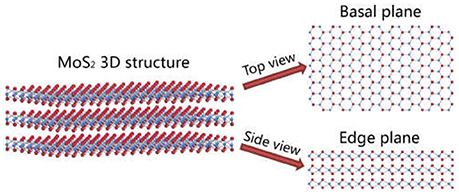
The layered structure of molybdenum disulfide (MoS2) is structurally similar to that of graphite, with individual sheets strongly covalently bonded within but held together through weak van der Waals interactions. This results in two distinct surfaces of MoS2: basal and edge planes. The edge plane was theoretically predicted to be more electroactive than the basal …

Pristine Basal-and Edge-Plane-Oriented Molybdenite MoS2 Exhibiting Highly Anisotropic Properties Read More »

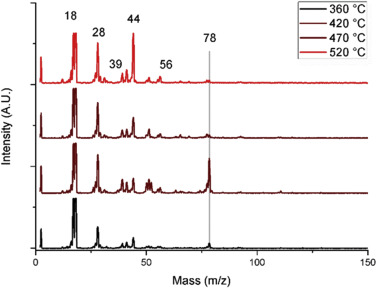
Insight into the Mechanism of the Thermal Reduction of Graphite Oxide: Deuterium-Labeled Graphite Oxide Is the Key

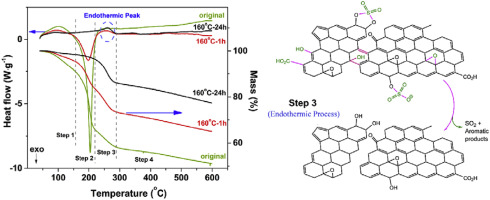
For the past decade, researchers have been trying to understand the mechanism of the thermal reduction of graphite oxide. Because deuterium is widely used as a marker in various organic reactions, we wondered if deuterium-labeled graphite oxide could be the key to fully understand this mechanism. Graphite oxides were prepared by the Hofmann, Hummers, Staudenmaier, …

Insight into the Mechanism of the Thermal Reduction of Graphite Oxide: Deuterium-Labeled Graphite Oxide Is the Key Read More »

Catalytic and Charge Transfer Properties of Transition Metal Dichalcogenides Arising from Electrochemical Pretreatment

Layered transition metal dichalcogenides (TMDs) have been the center of attention in the scientific community due to their properties that can be tapped on for applications in electrochemistry and hydrogen evolution reaction (HER) catalysis. We report on the effect of electrochemical treatment of exfoliated MoS2, WS2, MoSe2 and WSe2 nanosheets toward the goal of activating …

Catalytic and Charge Transfer Properties of Transition Metal Dichalcogenides Arising from Electrochemical Pretreatment Read More »

Enhancement of electrochemical and catalytic properties of MoS2 through ball-milling

MoS2 nanosheets of one to few layer thickness present novel electronic and enhanced catalytic properties with respect to the bulk material. Here we show that a simple and highly scalable ball-milling procedure can lead to significant improvements of the electrochemical and catalytic properties of the bulk natural MoS2. We characterized the material before And after …

Enhancement of electrochemical and catalytic properties of MoS2 through ball-milling Read More »

Simultaneous Anodic and Cathodic Voltammetric Detection of Patulin and Ochratoxin A on Well-Defined Carbon Electrodes

Detection of mycotoxins is paramount importance for food quality control. Here we compare well-defined surfaces for electrochemical detection of patulin and ochratoxin A on edge plane pyrolytic graphite and glassy carbon electrodes. Patulin shows well-defined peak at similar to – 1.5 V, deeply in cathodic region; ochratoxin A is in contrary oxidizable at potential similar …

Simultaneous Anodic and Cathodic Voltammetric Detection of Patulin and Ochratoxin A on Well-Defined Carbon Electrodes Read More »

Monothiolation and Reduction of Graphene Oxide via One-Pot Synthesis: Hybrid Catalyst for Oxygen Reduction

The functionalization of graphene provides diverse possibilities to improve the handling of graphene and enable further chemical transformation on graphene. Graphene functionalized with mainly heteroatom-based functional groups to enhance its chemical and physical properties is intensively pursued but often resulted in grafting of the heteroatoms as various functional groups. Here, we show that graphene oxide …

Monothiolation and Reduction of Graphene Oxide via One-Pot Synthesis: Hybrid Catalyst for Oxygen Reduction Read More »

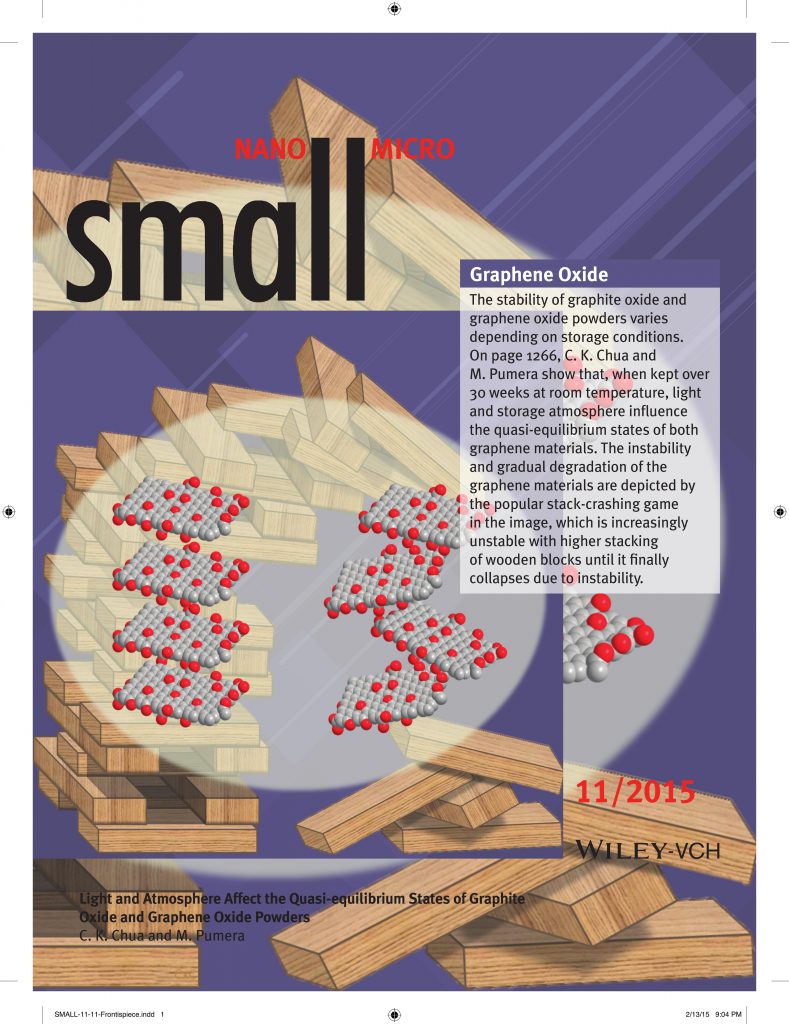
Light and Atmosphere Affect the Quasi-equilibrium States of Graphite Oxide and Graphene Oxide Powders

Graphite oxide (GiO) and graphene oxide (GeO) possess wide applicability in technological devices. The exact chemical compositions, structures, and properties of these materials remain vague to the graphene community despite being heavily researched. As metastable materials, the properties of GiO and GeO are easily manipulated under various conditions of temperature, light, and atmosphere. Although these …

Light and Atmosphere Affect the Quasi-equilibrium States of Graphite Oxide and Graphene Oxide Powders Read More »

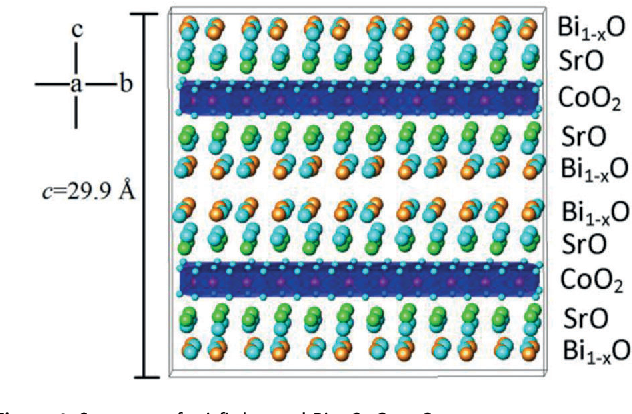
Misfit-Layered Bi1.85Sr2Co1.85O7.7-delta for the Hydrogen Evolution Reaction: Beyond van der Waals Heterostructures

Recent research on stable 2D nanomaterials has led to the discovery of new materials for energy-conversion and energy-storage applications. A class of layered heterostructures known as misfit-layered chalcogenides consists of well-defined atomic layers and has previously been applied as thermoelectric materials for use as high-temperature thermoelectric batteries. The performance of such misfit-layered chalcogenides in electrochemical …

Misfit-Layered Bi1.85Sr2Co1.85O7.7-delta for the Hydrogen Evolution Reaction: Beyond van der Waals Heterostructures Read More »

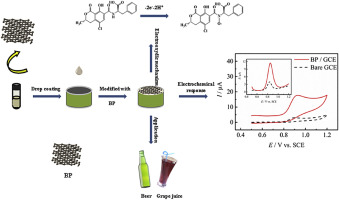
Voltammetry of Layered Black Phosphorus: Electrochemistry of Multilayer Phosphorene

Layered black phosphorus crystals were prepared by the chemical vapor transport method. It is characterized by scanning electron microscopy, energy-dispersive X-ray spectroscopy, X-ray photoelectron spectroscopy and X-ray diffraction. Black phosphorus exhibits inherent electrochemistry in the sense that it is oxidizable similar to 560 mV (vs Ag/AgCl). This study is a first step in the utilization …

Voltammetry of Layered Black Phosphorus: Electrochemistry of Multilayer Phosphorene Read More »

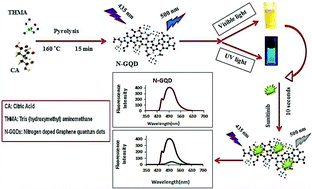
Synthesis of Strongly Fluorescent Graphene Quantum Dots by Cage-Opening Buckminsterfullerene

Graphene quantum dots is a class of graphene nanomaterials with exceptional luminescence properties. Precise dimension control of graphene quantum dots produced by chemical synthesis methods is currently difficult to achieve and usually provides a range of sizes from 3 to 25 nm. In this work, fullerene-C-60 is used as starting Material, due to its well-defined …

Synthesis of Strongly Fluorescent Graphene Quantum Dots by Cage-Opening Buckminsterfullerene Read More »

p-Element-Doped Graphene: Heteroatoms for Electrochemical Enhancement

Graphene is finding important applications in electrochemistry. Here, we discuss how the doping of graphene with heteroatoms, namely boron, nitrogen, phosphorus, sulfur, fluorine, chlorine, bromine, and iodine, change the electrochemical properties of the material. In addition, we summarize the different doping routes and show that the process has an influence upon electrochemical properties.

Inherent Electrochemistry of Layered Post-Transition Metal Halides: The Unexpected Effect of Potential Cycling of PbI2

The development of two-dimensional nanomaterials has expedited the growth of advanced technological applications. PbI2 is a layered inorganic solid with important and unique properties suitable for applications in the detection of electromagnetic radiation. While the optical and electrical properties of layered PbI2 have been generally established, its electrochemistry has remained largely unexplored. In this work, …

Inherent Electrochemistry of Layered Post-Transition Metal Halides: The Unexpected Effect of Potential Cycling of PbI2 Read More »

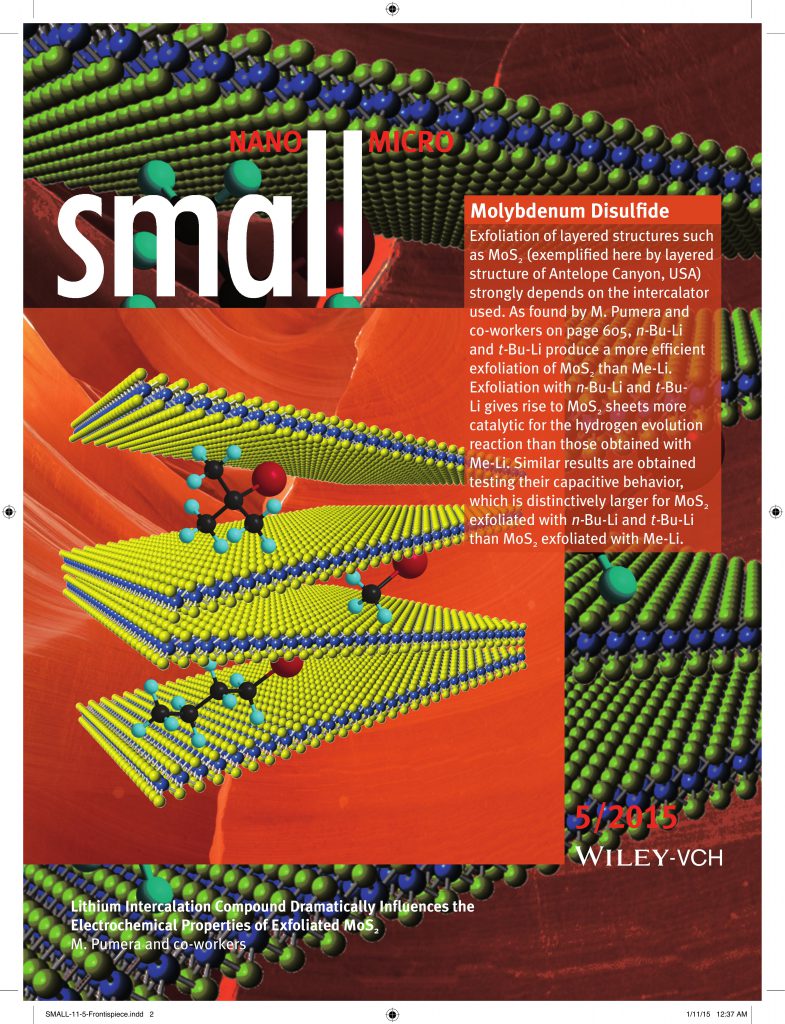
Lithium Intercalation Compound Dramatically Influences the Electrochemical Properties of Exfoliated MoS2

MoS2 and other transition metal dichalcogenides (TMDs) have recently gained a renewed interest due to the interesting electronic, catalytic, and mechanical properties which they possess when down-sized to single or few layer sheets. Exfoliation of the bulk multilayer structure can be achieved by a preliminary chemical Li intercalation followed by the exfoliation due to the …

Lithium Intercalation Compound Dramatically Influences the Electrochemical Properties of Exfoliated MoS2 Read More »

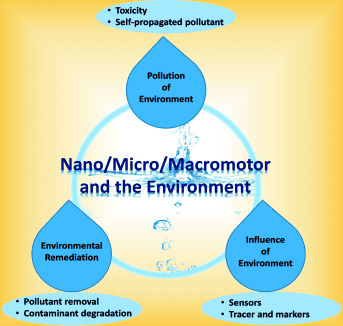
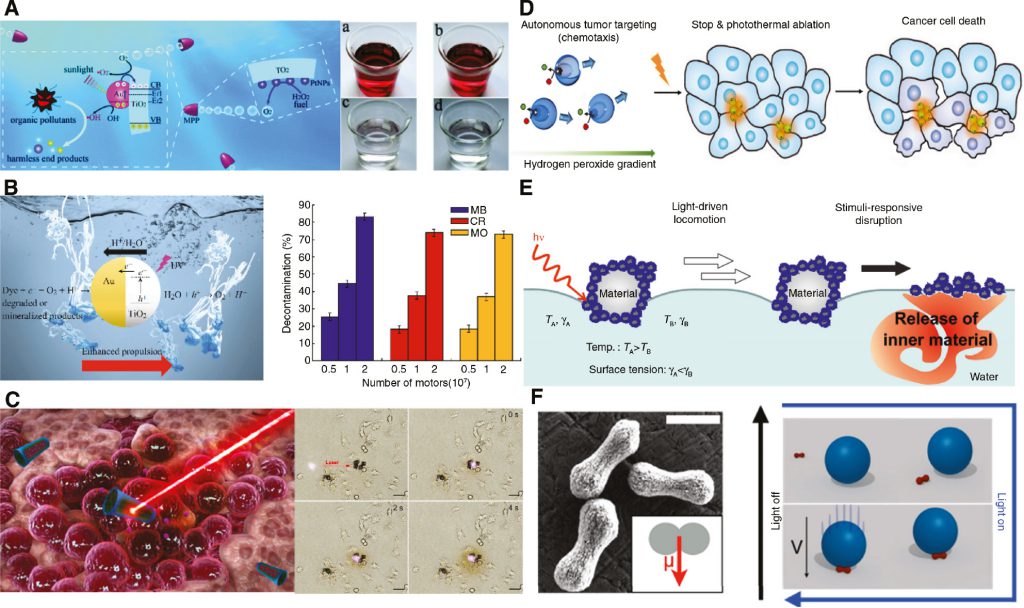
Chemical Energy Powered Nano/Micro/Macromotors and the Environment

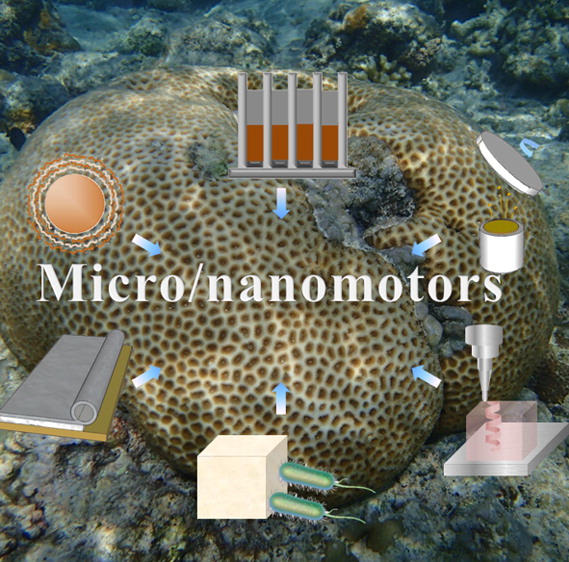
The rise of miniaturized artificial self-powered devices, demonstrating autonomous motion, has brought in new considerations from the environmental perspective. This review addresses the interplay between these nano/micro/macromotors and the environment, recent advances, and their applications in pollution management. Such self-propelled devices are able to actuate chemical energy into mechanical motion in situ, adding another powerful …

Chemical Energy Powered Nano/Micro/Macromotors and the Environment Read More »

Simultaneous self-exfoliation and autonomous motion of MoS2 particles in water

Two-dimensional (2D) transitional metal dichalcogenides (TMDCs) have been receiving significant research interest due to their unique physical and electronic properties. We report the design of a MoS2 based motor that can display simultaneous self-exfoliation and autonomous motion at the surface of water. Exfoliation of bulk MoS2 via sodium intercalation offers an attractive way to obtain …

Simultaneous self-exfoliation and autonomous motion of MoS2 particles in water Read More »

Toxicity of graphene related materials and transition metal dichalcogenides

The dramatic rise in the development and application of graphene related materials (graphene, graphene oxide and reduced graphene oxide) as well as of nanosized layered transition metal dichalcogenides gives a strong incentive to study the toxicity of these nanomaterials. It was found that size, surface area, shape, number of layers and amount and type of …

Toxicity of graphene related materials and transition metal dichalcogenides Read More »

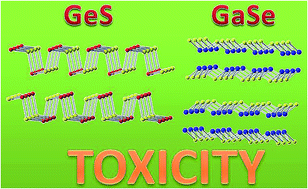
Toxicity of layered semiconductor chalcogenides: beware of interferences

The absence of bandgap in graphene has opened exploration in a new class of 2D nanomaterials: layered semiconductor chalcogenides. Research has found that they have promising properties which are advantageous for applications in a wide range of fields such as solar energy conversion, field effect transistors, optoelectronic devices, energy storage, and is expanding into biomedical …

Toxicity of layered semiconductor chalcogenides: beware of interferences Read More »

High temperature superconducting materials as bi-functional catalysts for hydrogen evolution and oxygen reduction

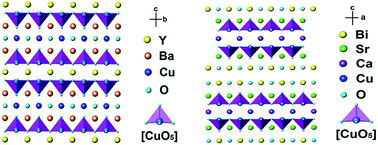
As the world progresses towards green and cost-effective energy applications, it is imperative to discover and introduce viable electrocatalysts to replace platinum, which is expensive and scarce. High-temperature superconductors have been intensively studied at the end of the 20th century owing to their unique electrical behaviour; nonetheless, we wish to show their interesting electrocatalytic properties …

High temperature superconducting materials as bi-functional catalysts for hydrogen evolution and oxygen reduction Read More »

Towards graphene iodide: iodination of graphite oxide

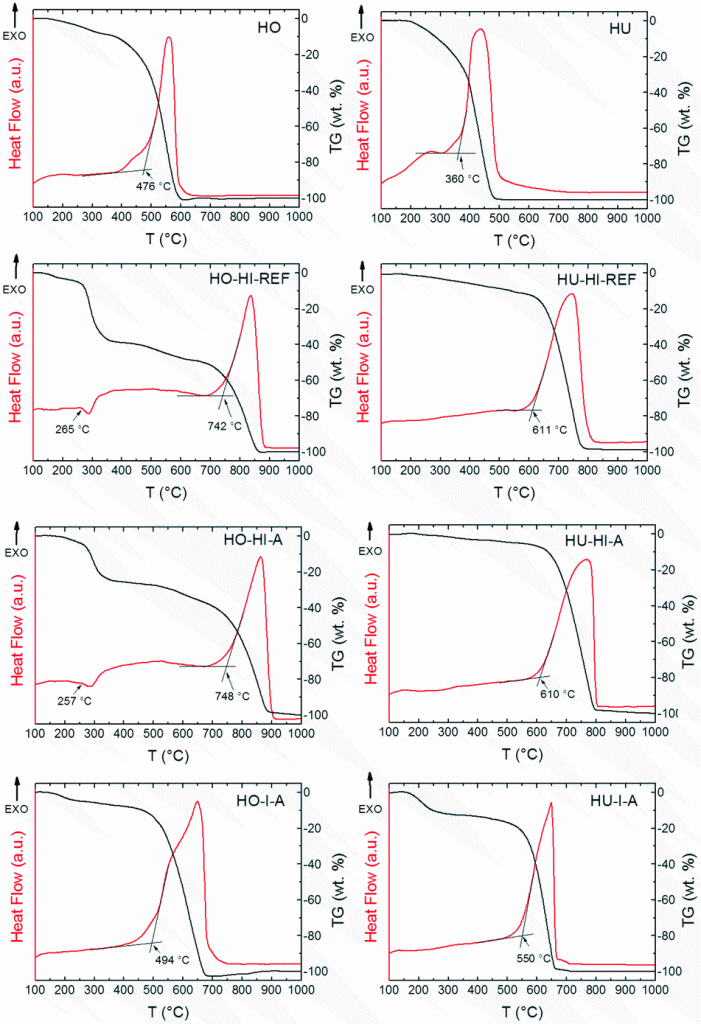
Halogenated graphene derivatives are interesting owing to their outstanding physical and chemical properties. In this paper, we present various methods for the synthesis of iodinated graphene derivatives by the iodination of graphite oxides prepared according to either the Hummers or Hofmann method. Both graphite oxides were iodinated by iodine or hydroiodic acid under reflux or …

Towards graphene iodide: iodination of graphite oxide Read More »

Layered transition metal oxyhydroxides as tri-functional electrocatalysts

Layered transition metal-based materials have been intensively explored for their electrocatalytic capabilities in energy-related applications such as the hydrogen evolution reaction (HER) and oxygen evolution reaction (OER) lately. These reactions are kinetically sluggish, and require catalysts to promote their efficiency. Since their discovery and characterization decades ago, the catalytic properties of metal oxyhydroxides have not …

Layered transition metal oxyhydroxides as tri-functional electrocatalysts Read More »

Exfoliated transition metal dichalcogenides (MoS2, MoSe2, WS2, WSe2): An electrochemical impedance spectroscopic investigation

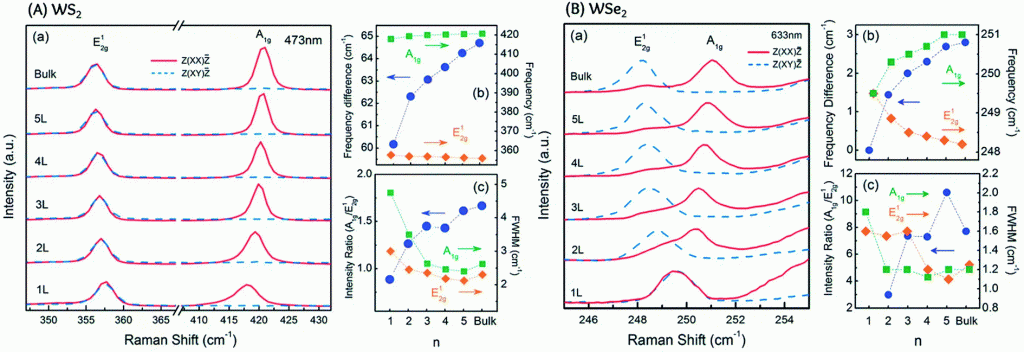
Owing to the enthralling properties which transition metal dichalcogenides present, they are facing immense scientific interest from researchers. Till date, these two-dimensional materials have been assessed for a wide array of different applications and there are various synthetic methods of attaining them in their respective bulk and exfoliated forms. Herein, we explore the effects of …

Exfoliated transition metal dichalcogenides (MoS2, MoSe2, WS2, WSe2): An electrochemical impedance spectroscopic investigation Read More »

Graphene oxide immobilized enzymes show high thermal and solvent stability

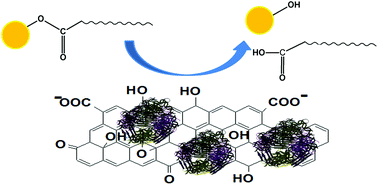
The thermal and solvent tolerance of enzymes is highly important for their industrial use. We show here that the enzyme lipase from Rhizopus oryzae exhibits exceptionally high thermal stability and high solvent tolerance and even increased activity in acetone when immobilized onto a graphene oxide (GO) nanosupport prepared by Staudenmaier and Brodie methods. We studied …

Graphene oxide immobilized enzymes show high thermal and solvent stability Read More »

Impact electrochemistry: colloidal metal sulfide detection by cathodic particle coulometry

The determination of the size and concentration of colloidal nano and microparticles is of paramount importance to modern nanoscience. Application of the particle collision technique on metal and metal oxide nanoparticles has been intensively explored over the past decade owing to its ability to determine the particle size and concentration via reactions including the inherent …

Impact electrochemistry: colloidal metal sulfide detection by cathodic particle coulometry Read More »

Fluorographane (C1HxF1-x-delta)(n): synthesis and properties

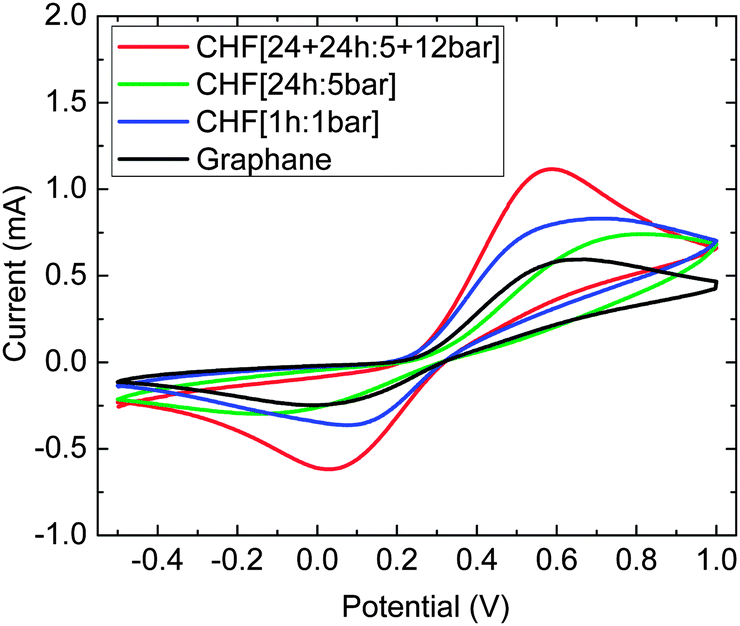
Fluorographane (C1HxF1-x-delta)(n) was obtained from graphene by hydrogenation via the Birch reaction with consequent fluorination of the resulting graphane. Fluorographane exhibits fast heterogeneous electron transfer rates and hydrophobicity, which increase with increasing fluorination.

The dopant type and amount governs the electrochemical performance of graphene platforms for the antioxidant activity quantification

Graphene doped with heteroatoms can show new or improved properties as compared to the original undoped material. It has been reported that the type of heteroatoms and the doping conditions can have a strong influence on the electronic and electrochemical properties of the resulting material. Here, we wish to compare the electrochemical behavior of two …

The dopant type and amount governs the electrochemical performance of graphene platforms for the antioxidant activity quantification Read More »

Layered titanium diboride: towards exfoliation and electrochemical applications

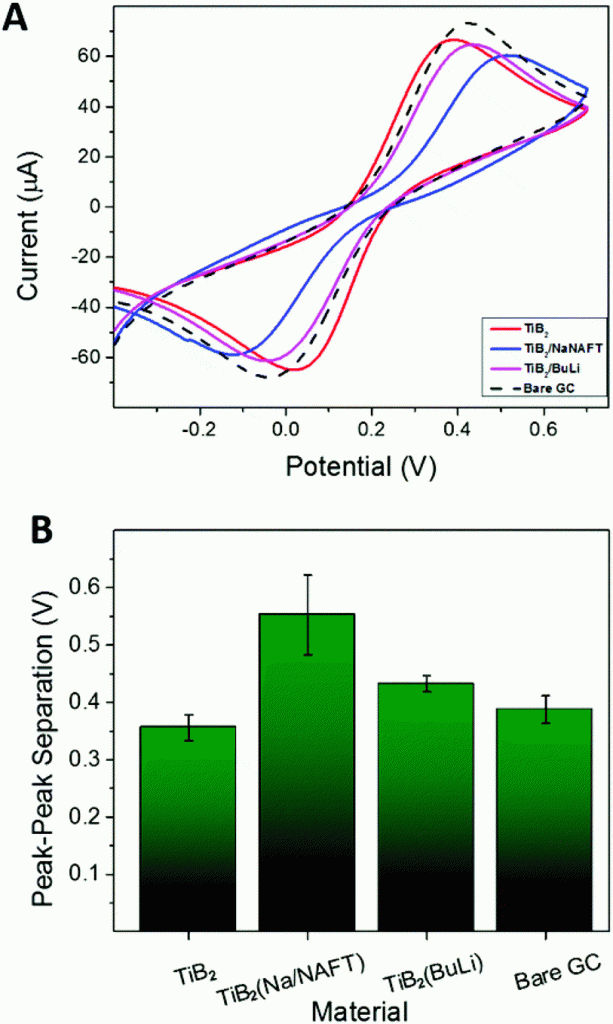
Layered transition metal diborides (TMDB), amongst other refractory metal borides, are commonly employed for material fabrication such as wear- and corrosion-resistant coatings due to their impressive chemical stability and thermal conductivity. In spite of the wide scope of studies carried out on TMDB in the physical field, investigations on its electrochemistry remain limited. Since the …

Layered titanium diboride: towards exfoliation and electrochemical applications Read More »

Sulfur poisoning of emergent and current electrocatalysts: vulnerability of MoS2, and direct correlation to Pt hydrogen evolution reaction kinetics

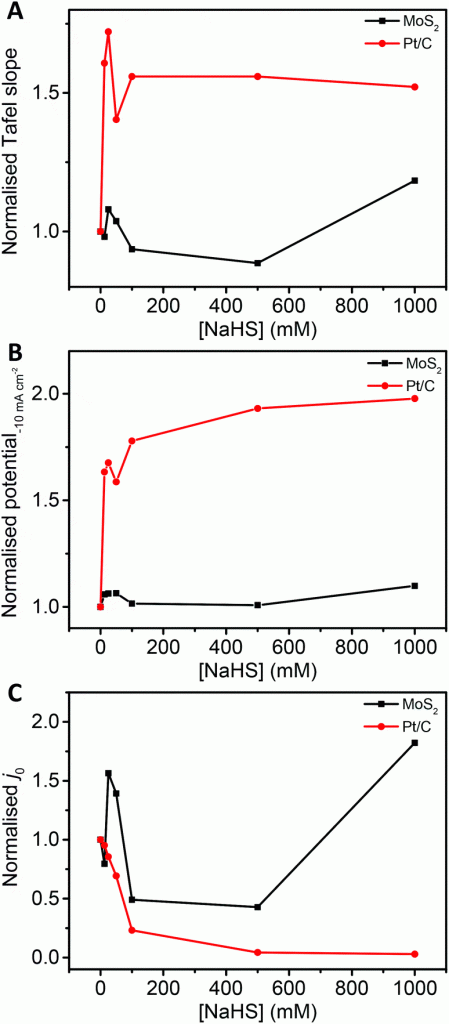
The recent surge in interest in the utilisation of transition metal dichalcogenides for the hydrogen evolution reaction (HER), as well as the long-standing problem of sulfur poisoning suffered by the established Pt HER electrocatalyst, motivated us to examine the impacts of sulfur poisoning on both emergent and current electrocatalysts. Through a comparative study between MoS2 …

Sulfur poisoning of emergent and current electrocatalysts: vulnerability of MoS2, and direct correlation to Pt hydrogen evolution reaction kinetics Read More »

Use of deuterium labelling-evidence of graphene hydrogenation by reduction of graphite oxide using aluminium in sodium hydroxide

Highly hydrogenated graphene is one of the main focuses in graphene research. Hydrogenated graphene may have many unique properties such as fluorescence, ferromagnetism, and a tuneable band gap. The most widely used techniques for the fabrication of highly hydrogenated graphene are based on technically challenging methods concerning the usage of liquid ammonia reduction pathways with …

Use of deuterium labelling-evidence of graphene hydrogenation by reduction of graphite oxide using aluminium in sodium hydroxide Read More »

The gating effect by thousands of bubble-propelled micromotors in macroscale channels

Increasing interest in the utilization of self-propelled micro-/nanomotors for environmental remediation requires the examination of their efficiency at the macroscale level. As such, we investigated the effect of micro-/nanomotors’ propulsion and bubbling on the rate of sodium hydroxide dissolution and the subsequent dispersion of OH-ions across more than 30 cm, so as to understand how …

The gating effect by thousands of bubble-propelled micromotors in macroscale channels Read More »

Cytotoxicity of fluorographene

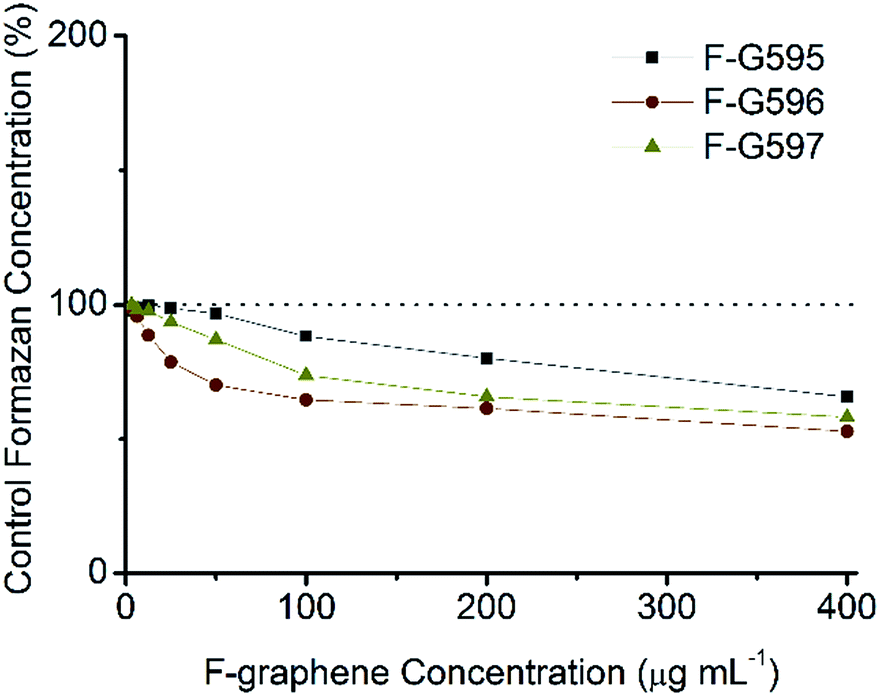
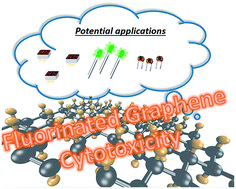
Fluorinated graphenes (F-G) are gaining popularity in recent years and should they be introduced commercially in the future, these nanomaterials will inevitably be released into the environment through disposal or wearing of the products. In view of this, we attempted to investigate the cytotoxicity of three F-G nanomaterials in this study, with the use of …

Cytotoxicity of fluorographene Read More »

Electrochemical properties of layered SnO and PbO for energy applications

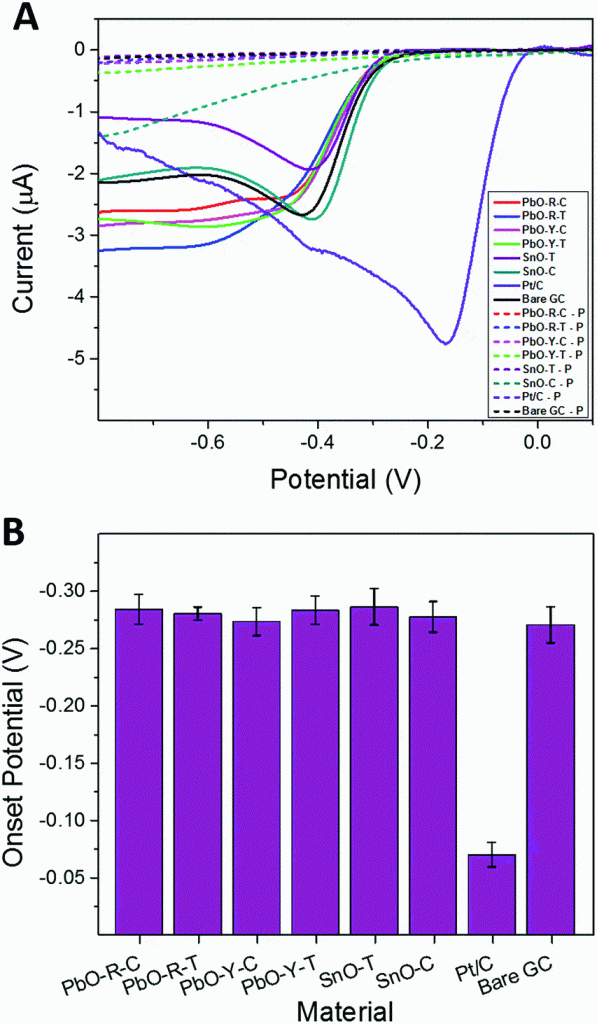
In this paper we synthetized four different lead oxides with tetragonal or orthorhombic symmetry either by thermal decomposition or a chemical route. Another two tin oxides were also synthesized by thermal decomposition and chemical route respectively. We analysed their structure by XRD and SEM and chemical composition by EDS and XPS. Thermal decomposition was analysed …

Electrochemical properties of layered SnO and PbO for energy applications Read More »

A limited anodic and cathodic potential window of MoS2: limitations in electrochemical applications

Molybdenum disulphide has been touted as a good material with diverse possible applications such as an energy storage and sensing platform. However, we demonstrate here the limitation of MoS2 as an analytical sensing platform due to the limited potential window in both the anodic and cathodic regions attributed to the inherent electrochemistry (oxidation of Mo4+ …

A limited anodic and cathodic potential window of MoS2: limitations in electrochemical applications Read More »

Refinements to the structure of graphite oxide: absolute quantification of functional groups via selective labelling

Chemical modification and functionalization of inherent functional groups within graphite oxide ( GO) are essential aspects of graphene-based nano-materials used in wide-ranging applications. Despite extensive research, there remains some discrepancy in its structure, with current knowledge limited primarily to spectroscopic data from XPS, NMR and vibrational spectroscopies. We report herein an innovative electrochemistry-based approach. Four …

Refinements to the structure of graphite oxide: absolute quantification of functional groups via selective labelling Read More »

Definitive proof of graphene hydrogenation by Clemmensen reduction: use of deuterium labeling

Graphane is one of the most intensively studied derivatives of graphene. Here we demonstrate the evaluation of exact degree of graphene hydrogenation using the Clemmensen reduction reaction and deuterium labeling. The Clemmensen reduction reaction is based on application of zinc in an acid environment. It effectively reduces various functional groups (like ketones) present in graphite …

Definitive proof of graphene hydrogenation by Clemmensen reduction: use of deuterium labeling Read More »