Year: 2014

Remote Electrochemical Monitoring of an Autonomous Self-Propelled Capsule

While self-propelled autonomous devices have witnessed dramatic developments in recent years, the systems monitoring their movement have not kept up and continue to rely on optical tracking, which is difficult to automate and requires large processing power for analysis of recorded movies. Optical systems are also limited by transparency of the media/system and are constrained …

Remote Electrochemical Monitoring of an Autonomous Self-Propelled Capsule Read More »
Precise Tuning of the Charge Transfer Kinetics and Catalytic Properties of MoS2 Materials via Electrochemical Methods

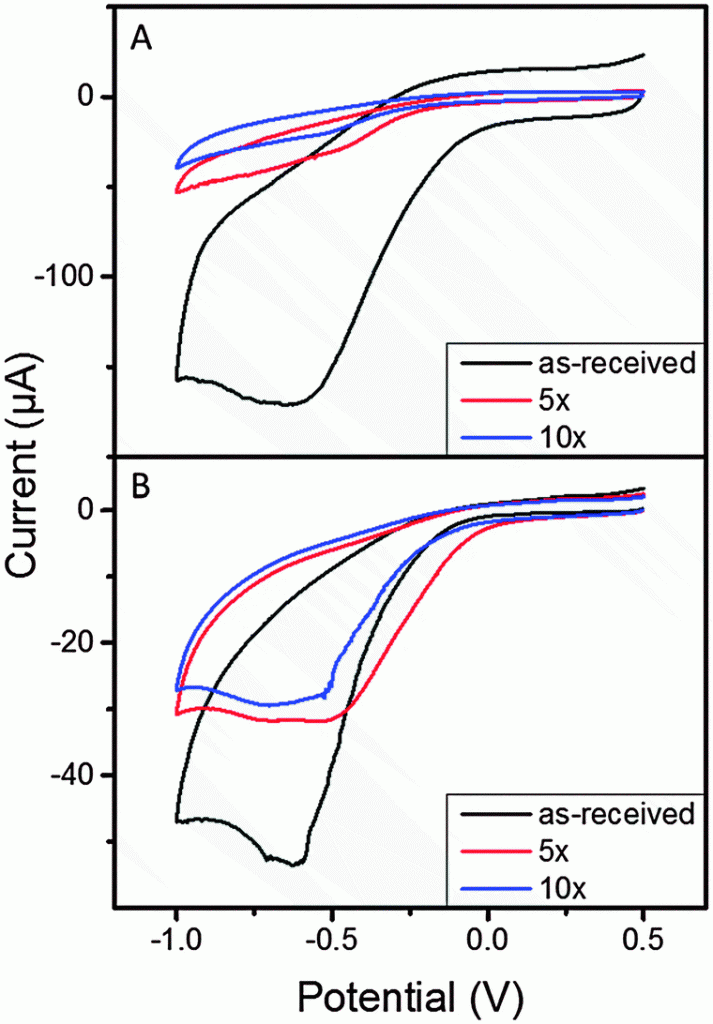
MoS2 has become particularly popular for its catalytic properties towards the hydrogen evolution reaction (HER). It has been shown that the metallic 1T phase of MoS2, obtained by chemical exfoliation after lithium intercalation, possesses enhanced catalytic activity over the semiconducting 2H phase due to the improved conductivity properties which facilitate charge-transfer kinetics. Here we demonstrate …

Precise Tuning of the Charge Transfer Kinetics and Catalytic Properties of MoS2 Materials via Electrochemical Methods Read More »

Chemical Optimization for Simultaneous Voltammetric Detection of Molybdenum and Silver Nanoparticles in Aqueous Buffer Solutions

Simultaneous acquisition of redox signals from different types of metal nanoparticles (NPs) in a multiplexing system requires a good separation in redox potential from each component for successful identification. The appearance of a single distinct peak for each NP type is also preferred. Here, we report variations in the electrochemical nature of molybdenum (Mo) and …

Chemical Optimization for Simultaneous Voltammetric Detection of Molybdenum and Silver Nanoparticles in Aqueous Buffer Solutions Read More »

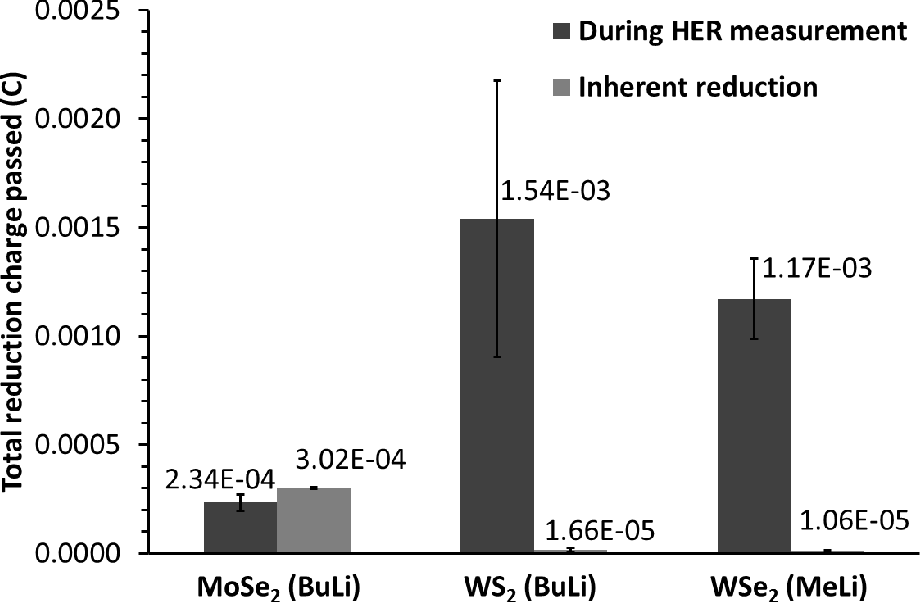
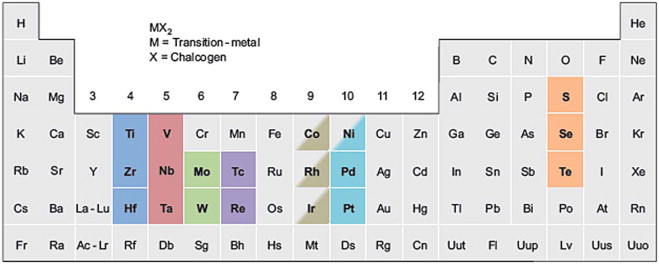
Electrochemistry of Transition Metal Dichalcogenides: Strong Dependence on the Metal-to-Chalcogen Composition and Exfoliation Method

Beyond MoS2 as the first transition metal dichalcogenide (TMD) to have gained recognition as an efficient catalyst for the hydrogen evolution reaction (HER), interest in other TMD nanomaterials is steadily beginning to proliferate. This is particularly true in the field of electrochemistry, with a myriad of emerging applications ranging from catalysis to supercapacitors and solar …

Electrochemistry of Transition Metal Dichalcogenides: Strong Dependence on the Metal-to-Chalcogen Composition and Exfoliation Method Read More »

Direct Voltammetric Determination of Redox-Active Iron in Carbon Nanotubes

With the advances in nanotechnology over the past decade, consumer products are increasingly being incorporated with carbon nanotubes (CNTs). As the harmful effects of CNTs are suggested to be primarily due to the bioavailable amounts of metallic impurities, it is vital to detect and quantify these species using sensitive and facile methods. Therefore, in this …

Direct Voltammetric Determination of Redox-Active Iron in Carbon Nanotubes Read More »

Carbon fragments are ripped off from graphite oxide sheets during their thermal reduction

Since the discovery of graphene, many different exfoliation processes of graphite oxide have been reported. Thermal reduction is the most often used method for graphene synthesis. It is a general assumption that during the exfoliation process water vapor and carbon-monoxide and -dioxide are produced. In this paper it is shown that more complex products are …

Carbon fragments are ripped off from graphite oxide sheets during their thermal reduction Read More »

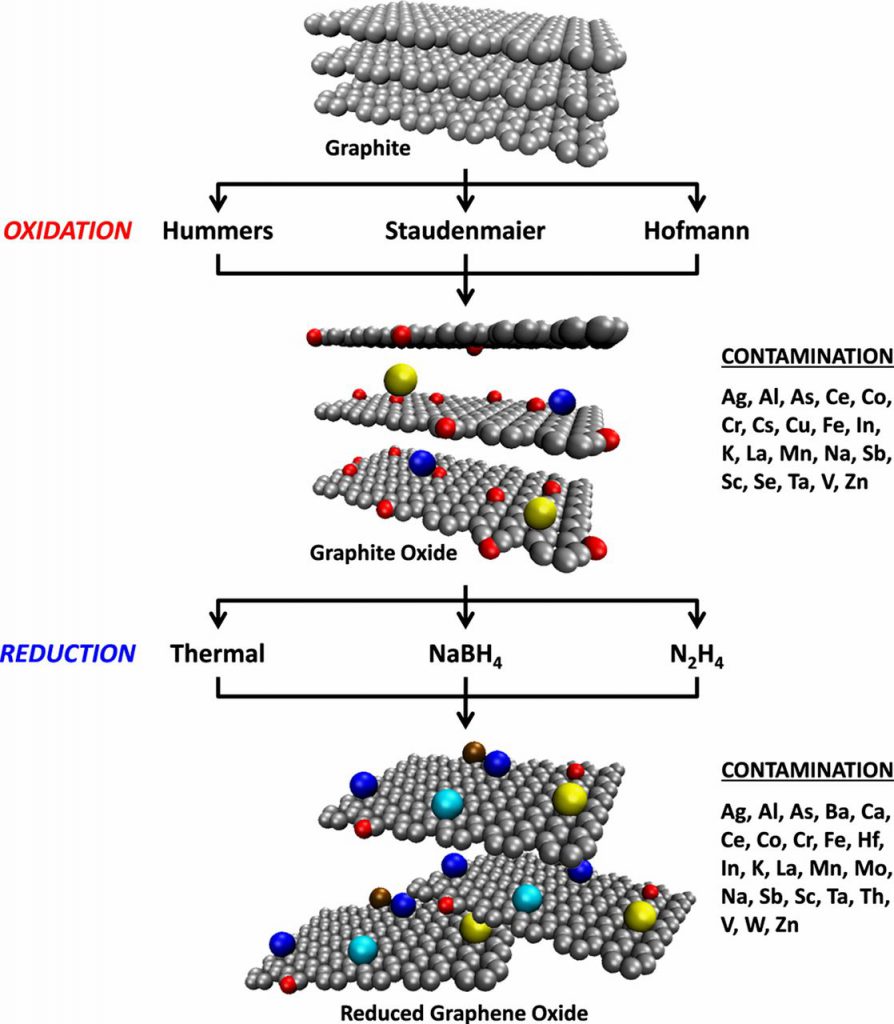
Chemical Preparation of Graphene Materials Results in Extensive Unintentional Doping with Heteroatoms and Metals

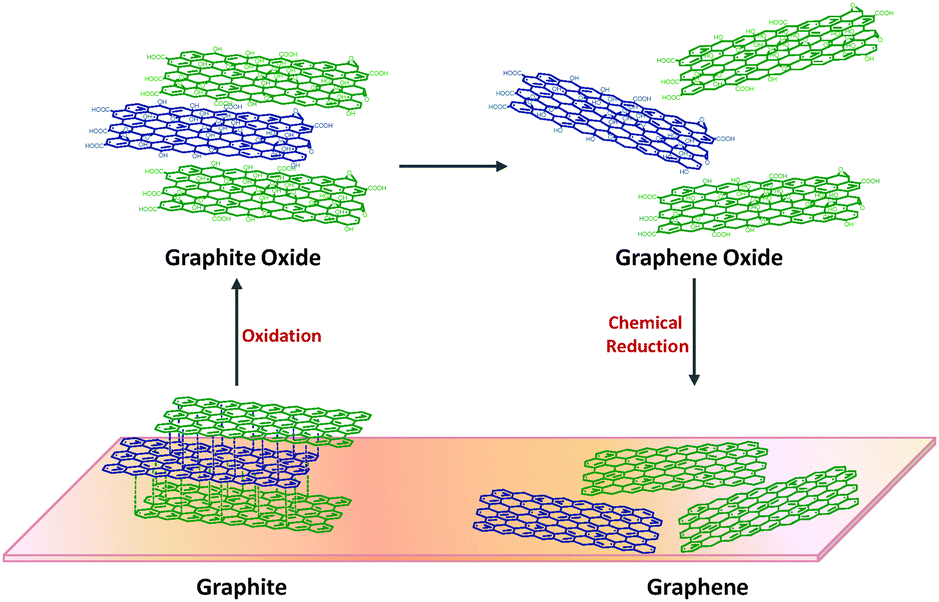
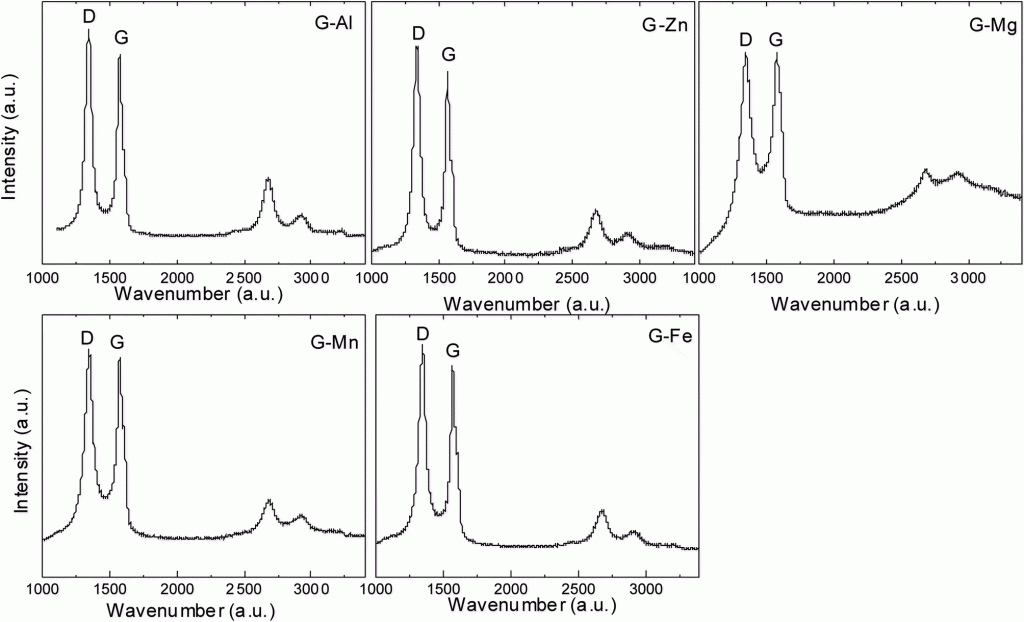
Chemical synthesis of graphene relies on the usage of various chemical reagents. The initial synthesis step, in which graphite is oxidized to graphite oxide, is achieved by a combination of chemical oxidants and acids. A subsequent chemical reduction step eliminates/reduces most oxygen functionalities to yield graphene. We demonstrate here that these chemical treatments significantly contaminate …

Chemical Preparation of Graphene Materials Results in Extensive Unintentional Doping with Heteroatoms and Metals Read More »

Iridium-Catalyst-Based Autonomous Bubble-Propelled Graphene Micromotors with Ultralow Catalyst Loading

A novel concept of an iridium-based bubble-propelled Janus-particle-type graphene micromotor with very high surface area and with very low catalyst loading is described. The low loading of Ir catalyst (0.54at%) allows for fast motion of graphene microparticles with high surface area of 316.2m(2)g(-1). The micromotor was prepared with a simple and scalable method by thermal …

Iridium-Catalyst-Based Autonomous Bubble-Propelled Graphene Micromotors with Ultralow Catalyst Loading Read More »

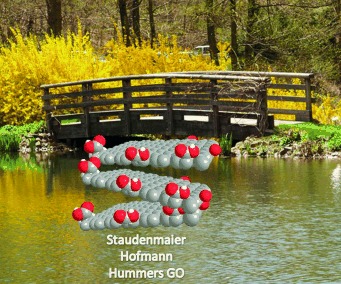
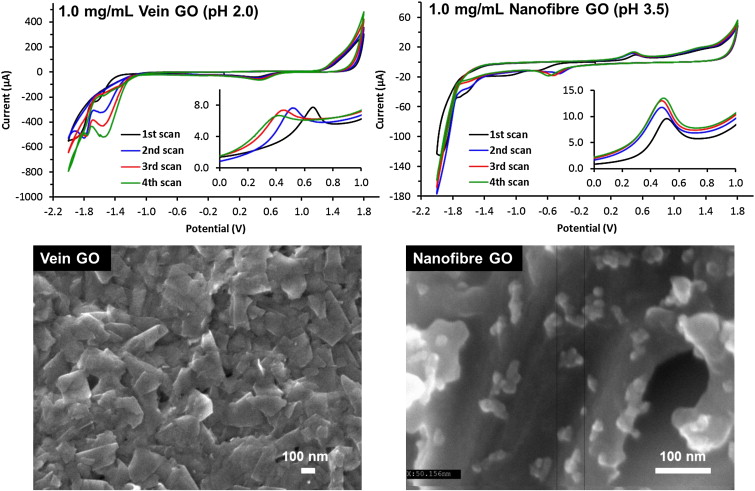
Graphene Oxides Prepared by Hummers’, Hofmann’s, and Staudenmaier’s Methods: Dramatic Influences on Heavy-Metal-Ion Adsorption

Graphene oxide (GO), an up-and-coming material rich in oxygenated groups, shows much promise in pollution management. GO is synthesised using several synthetic routes, and the adsorption behaviour of GO is investigated to establish its ability to remove the heavy-metal pollutants of lead and cadmium ions. The GO is synthesised by Hummers’ (HU), Hofmann’s (HO) and …

Graphene Oxides Prepared by Hummers’, Hofmann’s, and Staudenmaier’s Methods: Dramatic Influences on Heavy-Metal-Ion Adsorption Read More »

Layered transition-metal dichalcogenides (MoS2 and WS2) for sensing and biosensing

Layered transition-metal dichalcogenides comprise a category of two-dimensional materials that offer exciting properties, including metallic and semi-conducting electrical capabilities, fluorescence and fast heterogeneous electron transfer. To date, these materials have mostly been employed in energy-storage and generation devices. However, in very recent times, there was a significant emerging trend in their utilization in analytical chemistry. …

Layered transition-metal dichalcogenides (MoS2 and WS2) for sensing and biosensing Read More »

Vacuum-assisted microwave reduction/exfoliation of graphite oxide and the influence of precursor graphite oxide

One-step synthesis of high quality graphene at gram-scale quantities is important for industrial applications, e.g. in electrochemistry for sensing and energy storage. Currently, thermal reduction/exfoliation of graphite oxide (GO) is a typical method of choice. However, it has the drawback of requiring specialized equipment for rapid thermal shock. A recent alternative method, microwave-assisted exfoliation, usually …

Vacuum-assisted microwave reduction/exfoliation of graphite oxide and the influence of precursor graphite oxide Read More »
Synthetic routes contaminate graphene materials with a whole spectrum of unanticipated metallic elements

The synthesis of graphene materials is typically carried out by oxidizing graphite to graphite oxide followed by a reduction process. Numerous methods exist for both the oxidation and reduction steps, which causes unpredictable contamination from metallic impurities into the final material. These impurities are known to have considerable impact on the properties of graphene materials. …

Synthetic routes contaminate graphene materials with a whole spectrum of unanticipated metallic elements Read More »
Mycotoxins: Simultaneous Detection of Zearalenone and Citrinin by Voltammetry on Edge Plane Pyrolytic Graphite Electrode

Mycotoxins are highly toxic compounds often found in the food. It is of paramount importance to have analytical technique for point-of-care on-spot detection for authorised personnel to immediately take the action required. Electrochemistry offers the portability for miniaturized sensor of mycotoxins. Here we show that edge-plane pyrolytic electrode offers excellent selectivity and sensitivity towards simultaneous …

Mycotoxins: Simultaneous Detection of Zearalenone and Citrinin by Voltammetry on Edge Plane Pyrolytic Graphite Electrode Read More »
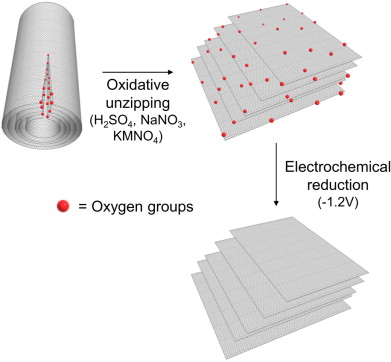
Electrochemically reduced graphene nanoribbons: Interference from inherent electrochemistry of the material in DPV studies

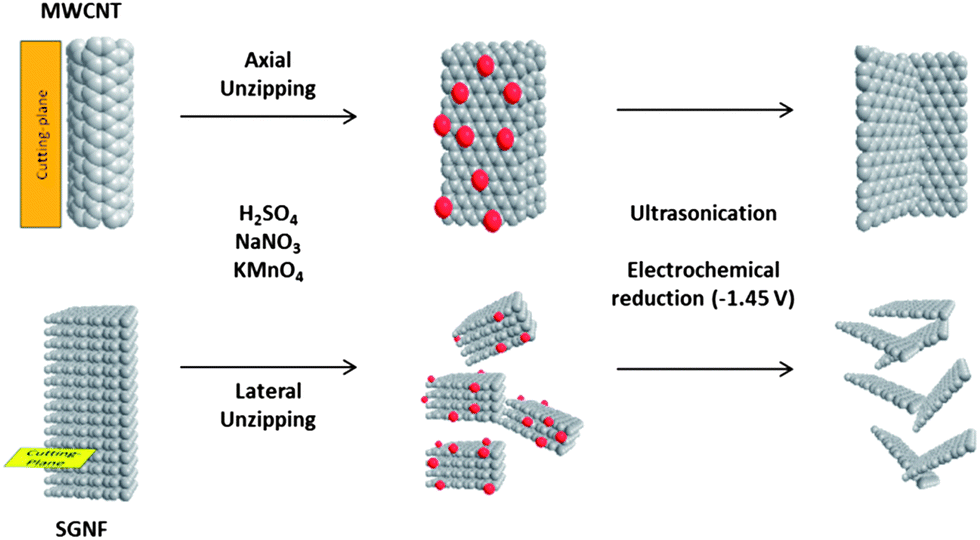
Graphene nanoribbons (GNRs) are attracting the interest of scientific community due to the outstanding versatility of their properties and applications. One of the most successful routes for the production of GNRs is the oxidative unzipping of carbon nanotubes followed by electrochemical reduction of oxygen functionalities. Electrochemically reduced graphene nanoribbons may present a reduced anodic potential …

Electrochemically reduced graphene nanoribbons: Interference from inherent electrochemistry of the material in DPV studies Read More »

3D-graphene for electrocatalysis of oxygen reduction reaction: Increasing number of layers increases the catalytic effect

Oxygen reaction reaction (ORR) is of enormous importance for energy storage and generation devices. Graphene offers catalytic properties towards ORR; however, its performance is often hindered by restacking of the graphene sheets. Here we show that mechanically rigid 3D graphene deposited on nickel template can act as efficient catalyst for ORR. We compare electrocatalytic activity …

3D-graphene for electrocatalysis of oxygen reduction reaction: Increasing number of layers increases the catalytic effect Read More »
Direct In Vivo Electrochemical Detection of Haemoglobin in Red Blood Cells

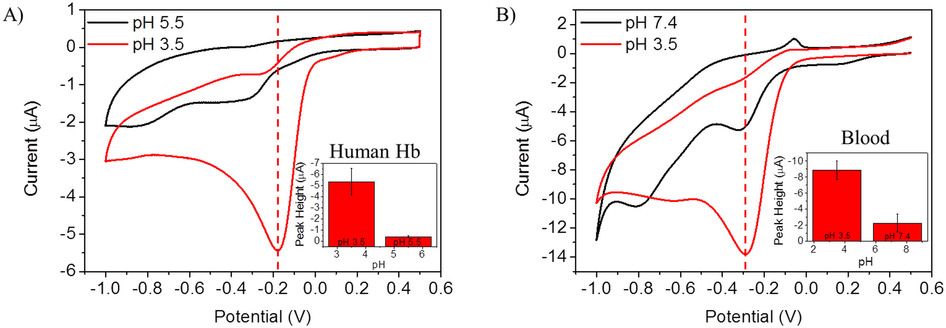
The electrochemical behavior of iron ion in haemoglobin provides insight to the chemical activity in the red blood cell which is important in the field of hematology. Herein, the detection of haemoglobin in human red blood cells on glassy carbon electrode (GC) was demonstrated. Red blood cells or raw blood cells was immobilized on a …

Direct In Vivo Electrochemical Detection of Haemoglobin in Red Blood Cells Read More »
Heteroatom modified graphenes: electronic and electrochemical applications

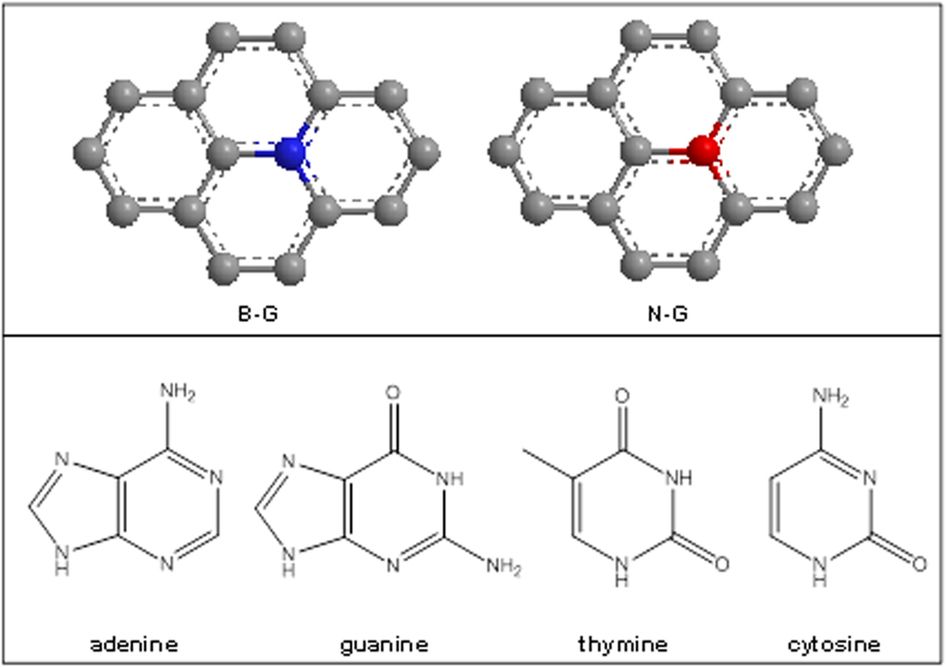
Graphene exhibits zero band gap, very small electrical resistivity, fast heat dissipation, and fast heterogeneous electron transfer properties. These features, coupled with affordable preparation cost and high surface area, predetermine graphene materials for application in electronic and electrochemical devices. Doping graphene with electron-withdrawing or -donating heteroatoms leads to tailoring of graphene electronic and electrochemical properties. …

Heteroatom modified graphenes: electronic and electrochemical applications Read More »
Marangoni self-propelled capsules in a maze: pollutants ‘sense and act’ in complex channel environments

Environmental remediation is a highly pressing issue in society. Here we demonstrate that autonomous self-propelled millimeter sized capsules can sense the presence of pollutants, mark sites for visible identification and remove the contamination, while navigating in a complex environment of interconnected channels, the maze. Such long-range self-powered capsules propelled by the Marangoni effect are capable …

Marangoni self-propelled capsules in a maze: pollutants ‘sense and act’ in complex channel environments Read More »
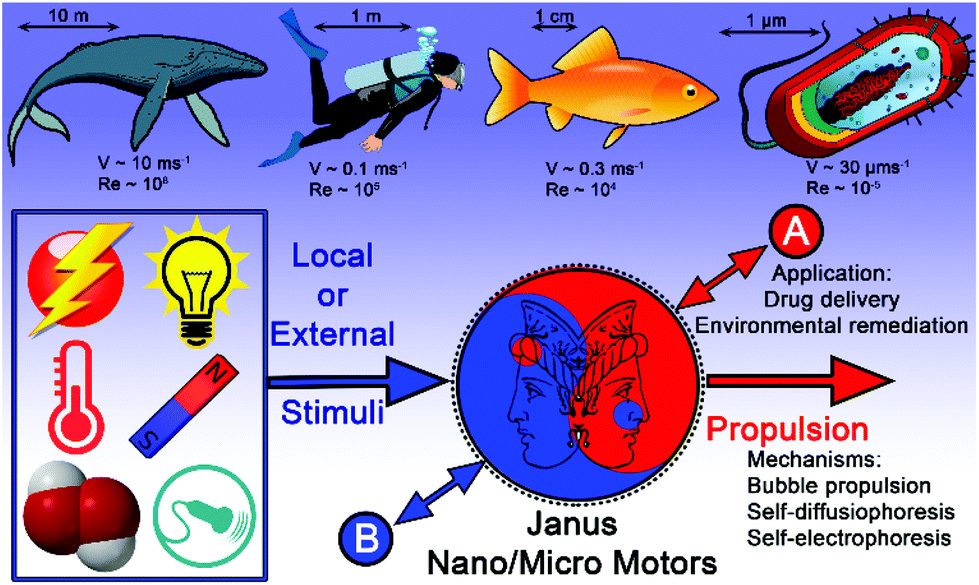
Impact Electrochemistry: Measuring Individual Nanoparticles

While the electrochemistry of redox-active ions or molecules has been studied for decades, the electrochemistry of individual nanoparticles remains largely unexplored. In this issue of ACS Nano, Stuart eta! report the direct electrochemical detection of impacting carbon C-60 nanoparticles in a non aqueous solution. This study opens up the possibility of detecting and counting various …

Impact Electrochemistry: Measuring Individual Nanoparticles Read More »
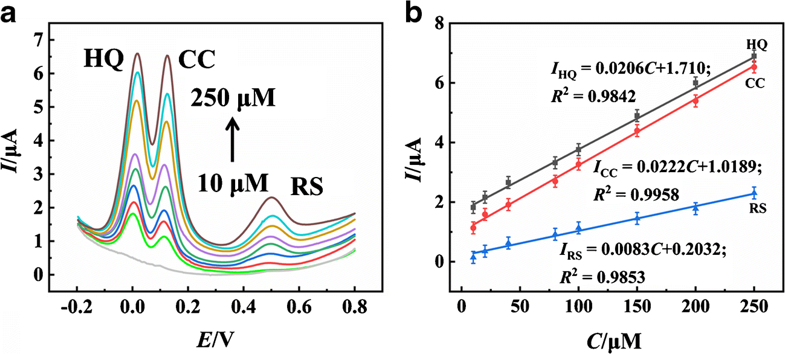
Cytotoxicity of Exfoliated Transition-Metal Dichalcogenides (MoS2, WS2, and WSe2) is Lower Than That of Graphene and its Analogues

Studies involving transition-metal dichalcogenides (TMDs) have been around for many decades and in recent years, many were focused on using TMDs to synthesize inorganic analogues of carbon nanotubes, fullerene, as well as graphene and its derivatives with the ultimate aim of employing these materials into consumer products. In view of this rising trend, we investigated …

Cytotoxicity of Exfoliated Transition-Metal Dichalcogenides (MoS2, WS2, and WSe2) is Lower Than That of Graphene and its Analogues Read More »
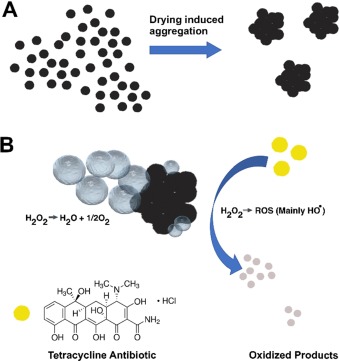
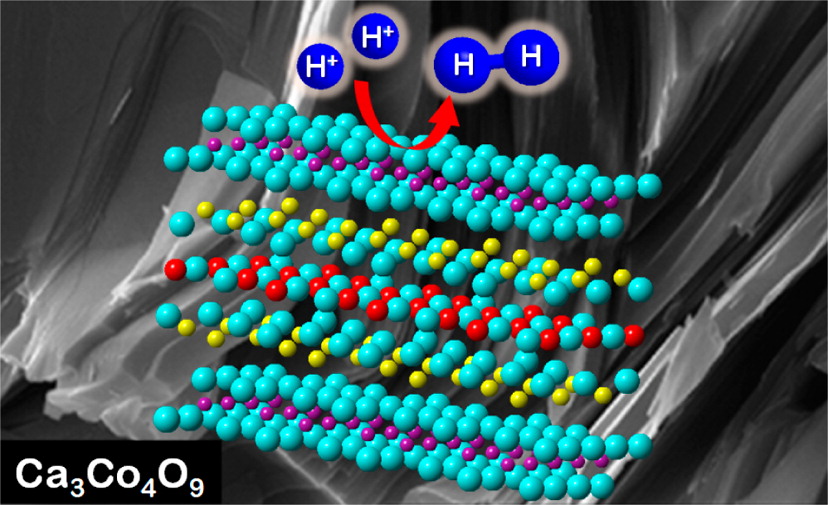
Alternating Misfit Layered Transition/Alkaline Earth Metal Chalcogenide Ca3Co4O9 as a New Class of Chalcogenide Materials for Hydrogen Evolution

Layered misfit chalcogenide structures have garnered much attention and prestige in several applications such as thermoelectric materials and high-temperature superconductors. However, its potentials for important electrochemical applications such as hydrogen evolution and oxygen reduction reactions have not been systematically studied. Till date, such applications have mainly applied precious metal and oxides with perovskite- or spinel-based …

Alternating Misfit Layered Transition/Alkaline Earth Metal Chalcogenide Ca3Co4O9 as a New Class of Chalcogenide Materials for Hydrogen Evolution Read More »

Uranium- and Thorium-Doped Graphene for Efficient Oxygen and Hydrogen Peroxide Reduction

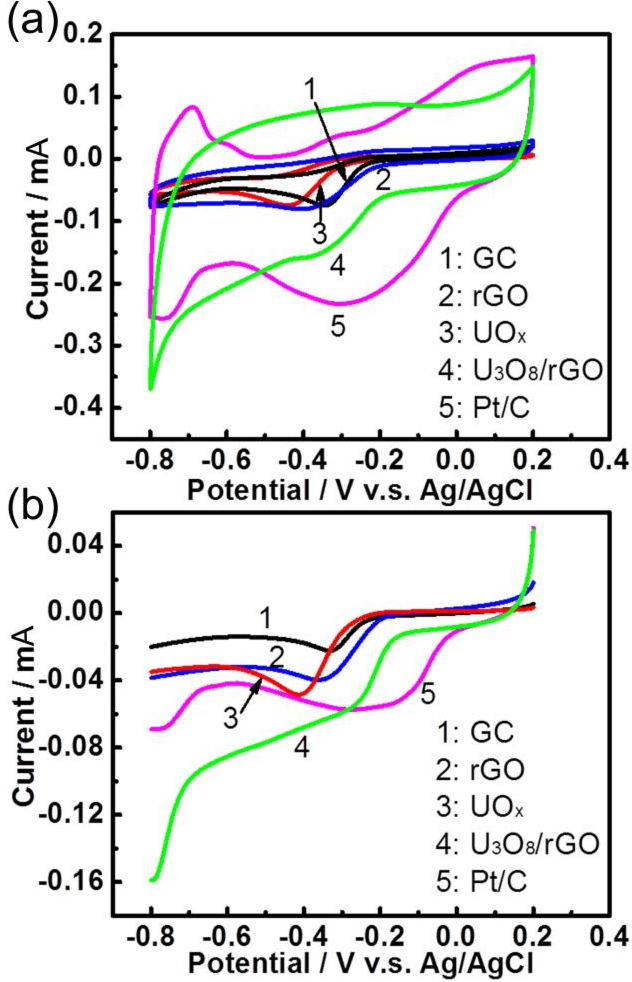
Oxygen reduction and hydrogen peroxide reduction are technologically important reactions in the fields of energy generation and sensing. Metal-doped graphenes, where metal serves as the catalytic center and graphene as the high area conductor, have been used as electrocatalysts for such applications. In this paper, we investigated the use of uranium-graphene and thorium-graphene hybrids prepared …

Uranium- and Thorium-Doped Graphene for Efficient Oxygen and Hydrogen Peroxide Reduction Read More »
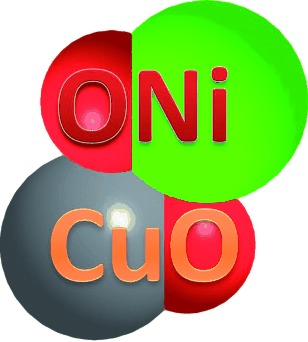
Towards graphene bromide: bromination of graphite oxide

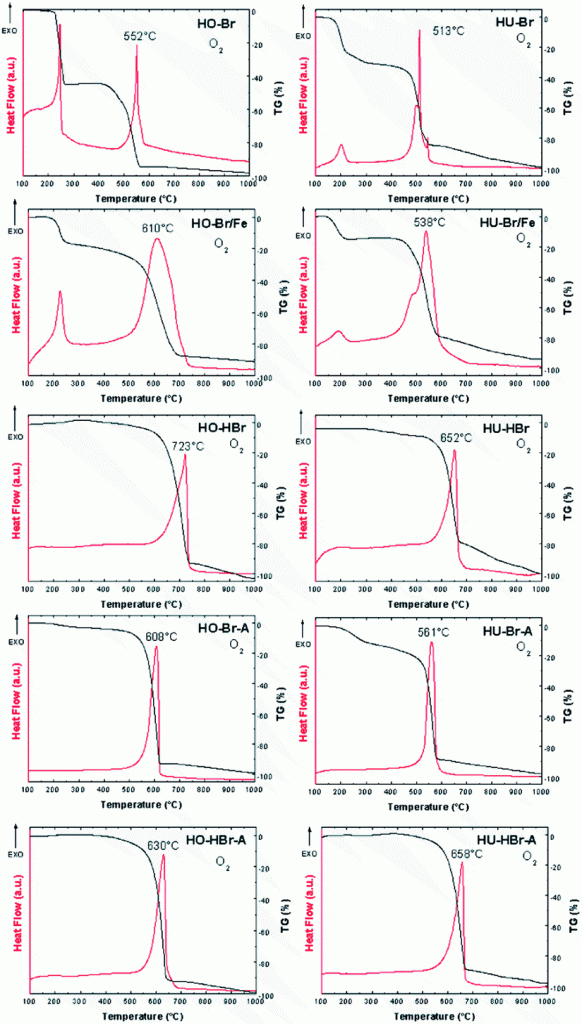
Halogenated graphene derivatives are interesting for their outstanding physical and chemical properties. In this paper, we present various methods for the synthesis of brominated graphene derivatives by the bromination of graphite oxides. Graphite oxides, prepared according to either the Hummers or Hofmann method, were brominated using bromine or hydrobromic acid under reflux or in an …

Towards graphene bromide: bromination of graphite oxide Read More »

Graphene Oxides: Transformations in Natural Waters over a Period of Three Months

Graphene oxide (GO), a derivative of graphene consisting of various oxygen moieties, has gained popularity owing to its excellent physiochemical properties and applicability in various fields. GO nanomaterials can be synthesized by using Hofmann (HO), Hummers (HU), and Staudenmaier (ST) methods of oxidative treatment of graphite to give GO-HO, GO-HU, and GO-ST, respectively. These GO …

Graphene Oxides: Transformations in Natural Waters over a Period of Three Months Read More »

Fluorographites (CFx)(n) Exhibit Improved Heterogeneous Electron-Transfer Rates with Increasing Level of Fluorination: Towards the Sensing of Biomolecules

Halogenated sp(2) materials are of high interest owing to their important electronic and electrochemical properties. Although methods for graphite and graphene fluorination have been extensively researched, the fundamental electrochemical properties of fluorinated graphite are not well established. In this paper, the electrochemistry of three fluorographite materials of different carbon-to-fluorine ratio were studied: (CF0.33)(n), (CF0.47)(n), and …

Fluorographites (CFx)(n) Exhibit Improved Heterogeneous Electron-Transfer Rates with Increasing Level of Fluorination: Towards the Sensing of Biomolecules Read More »

Oxidation Debris in Graphene Oxide Is Responsible for Its Inherent Electroactivity

Graphene oxide Is known to exhibit many interesting properties, ranging from inherent fluorescence to inherent electrochemistry, just to name a few. Recent research has found that graphene oxide is a composite material consisting of the so-called “oxidation debris” and unoxidized graphene fragments. Surprisingly, the oxidation debris, which contains small and highly oxidized aromatic fragments adsorbed …

Oxidation Debris in Graphene Oxide Is Responsible for Its Inherent Electroactivity Read More »

Biomimetic Artificial Inorganic Enzyme-Free Self-Propelled Microfish Robot for Selective Detection of Pb2+ in Water

The availability of drinking water is of utmost importance for the world population. Anthropogenic pollutants of water, such as heavy-metal ions, are major problems in water contamination. The toxicity assays used range from cell assays to animal tests. Herein, we replace biological toxicity assays, which use higher organisms, with artificial inorganic self-propelled microtubular robots. The …

Biomimetic Artificial Inorganic Enzyme-Free Self-Propelled Microfish Robot for Selective Detection of Pb2+ in Water Read More »

Concurrent Phosphorus Doping and Reduction of Graphene Oxide

Doped graphene materials are of huge importance because doping with electron-donating or electron-withdrawing groups can significantly change the electronic structure and impact the electronic and electrochemical properties of these materials. It is highly important to be able to produce these materials in large quantities for practical applications. The only method capable of large-scale production is …

Concurrent Phosphorus Doping and Reduction of Graphene Oxide Read More »

Capacitance of p-and n-Doped Graphenes is Dominated by Structural Defects Regardless of the Dopant Type

Graphene materials possess attractive properties that can be used for the fabrication of supercapacitors with enhanced energy-storage performance. It has been shown that both boron and nitrogen doping of graphene can improve the intrinsic capacitance of the material relative to the undoped precursor. We address the question of whether p-doping (using boron as dopant) or …

Capacitance of p-and n-Doped Graphenes is Dominated by Structural Defects Regardless of the Dopant Type Read More »

Transition Metal-Depleted Graphenes for Electrochemical Applications via Reduction of CO2 by Lithium

Graphene has immense potential for future applications in the electrochemical field, such as in supercapacitors, fuel cells, batteries, or sensors. Graphene materials for such applications are typically fabricated through a top-down approach towards oxidation of graphite to graphite oxide, with consequent exfoliation/reduction to yield reduced graphenes. Such a method allows the manufacture of graphenes in …

Transition Metal-Depleted Graphenes for Electrochemical Applications via Reduction of CO2 by Lithium Read More »

Crucial Role of Surfactants in Bubble-Propelled Microengines

Bubble-propelled autonomous microengines are expected to perform various tasks in related biomedical and environmental fields. The presence of surfactant in the environment is necessary for movement of microjets because it lowers interfacial tension required for detachment of the bubble from the microjet engine. We study the dependence of the mobility of microjets on the concentration …

Crucial Role of Surfactants in Bubble-Propelled Microengines Read More »

Simultaneous Electrochemical Detection of Silver and Molybdenum Nanoparticles

Nanoparticles (NPs) and quantum dots (QDs) are of interest as redox tags in electrochemical biosensing. Simultaneous monitoring of the redox reactions of these tags with different redox potentials under mild conditions may allow the multiplex detection of target analytes in point-of-care applications. The multiplex detection of Ag and Mo NPs on a glassy carbon electrode …

Simultaneous Electrochemical Detection of Silver and Molybdenum Nanoparticles Read More »

Beyond Platinum: Bubble-Propelled Micromotors Based on Ag and MnO2 Catalysts

Autonomous bubble-propelled catalytic micro- and nanomachines show great promise in the fields of biomedicine, environmental science, and natural resources. It is envisioned that thousands and millions of such micromachines will swarm and communicate with each other, performing desired actions. To date, mainly platinum catalyst surfaces have been used for the decomposition of a fuel, hydrogen …

Beyond Platinum: Bubble-Propelled Micromotors Based on Ag and MnO2 Catalysts Read More »

Regeneration of a Conjugated sp(2) Graphene System through Selective Defunctionalization of Epoxides by Using a Proven Synthetic Chemistry Mechanism

Graphene is a promising material capable of driving technological advancement. It is, however, a challenge to obtain pristine graphene in large quantities given the limitation of current synthetic methods. Among the numerous methods available, the chemical approach provides an optimistic outlook and has garnered much interest within the graphene community as a potential alternative. One …

Regeneration of a Conjugated sp(2) Graphene System through Selective Defunctionalization of Epoxides by Using a Proven Synthetic Chemistry Mechanism Read More »

Simultaneous Direct Voltammetric Determination of Metal-Oxide Nanoparticles from Their Mixture (CuO/NiO)

Metallic oxide nanoparticles are increasingly being incorporated into consumer products, posing health hazards and damage to the ecology when they are released into the environment. In view of this situation, the development of highly sensitive and facile methods for the detection and quantification of harmful metallic oxide nanoparticles present in a sample is necessary. In …

Simultaneous Direct Voltammetric Determination of Metal-Oxide Nanoparticles from Their Mixture (CuO/NiO) Read More »

Rational Design of Carboxyl Groups Perpendicularly Attached to a Graphene Sheet: A Platform for Enhanced Biosensing Applications

Graphene oxide (GO)-based materials offer great potential for biofunctionalization with applications ranging from biosensing to drug delivery. Such biofunctionalization utilizes specific functional groups, typically a carboxyl moiety, as anchoring points for biomolecule. However, due to the fact that the exact chemical structure of GO is still largely unknown and poorly defined (it was postulated to …

Rational Design of Carboxyl Groups Perpendicularly Attached to a Graphene Sheet: A Platform for Enhanced Biosensing Applications Read More »

Clean room-free rapid fabrication of roll-up self-powered catalytic microengines

The fabrication of metallic microtubes which work as self-running micromotors has been a challenging and costly task. In this paper, a newly developed fast and scalable method was introduced, which would help realize the possibility for common laboratories in the world to easily fabricate the high-tech rolled-up micromotors, as long as magnetron sputtering machines are …

Clean room-free rapid fabrication of roll-up self-powered catalytic microengines Read More »

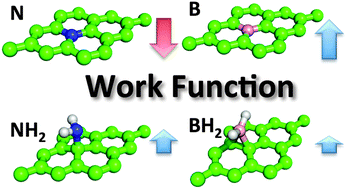
Chemical nature of boron and nitrogen dopant atoms in graphene strongly influences its electronic properties

Boron and nitrogen doped graphenes are highly promising materials for electrochemical applications, such as energy storage, generation and sensing. The doped graphenes can be prepared by a broad variety of chemical approaches. The substitution of a carbon atom should induce n-type behavior in the case of nitrogen and p-type behavior in the case of boron-doped …

Chemical nature of boron and nitrogen dopant atoms in graphene strongly influences its electronic properties Read More »

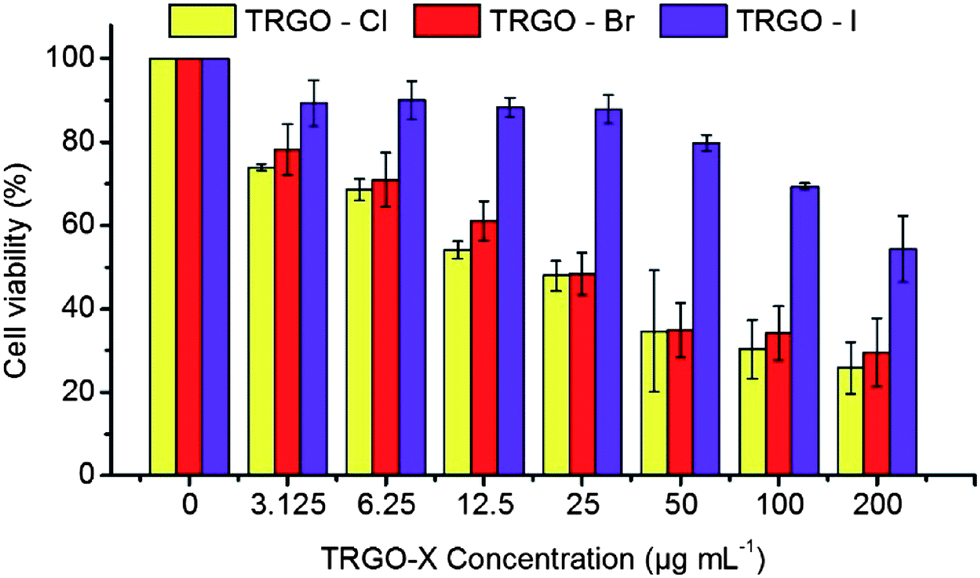
Cytotoxicity of halogenated graphenes

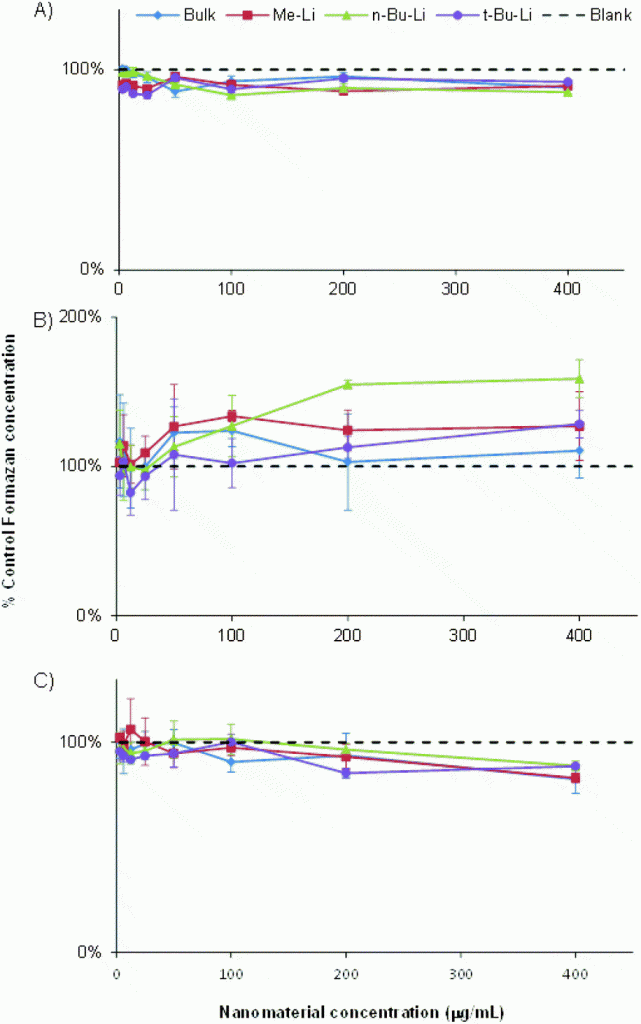
Graphene and its family of derivatives possess unique and remarkable physicochemical properties which make them valuable materials for applications in many areas like electronics, energy storage and biomedicine. In response to the possibility of its large-scale manufacturing as commercial products in the future, an investigation was conducted to determine the cytotoxicity of one particular family …

Cytotoxicity of halogenated graphenes Read More »

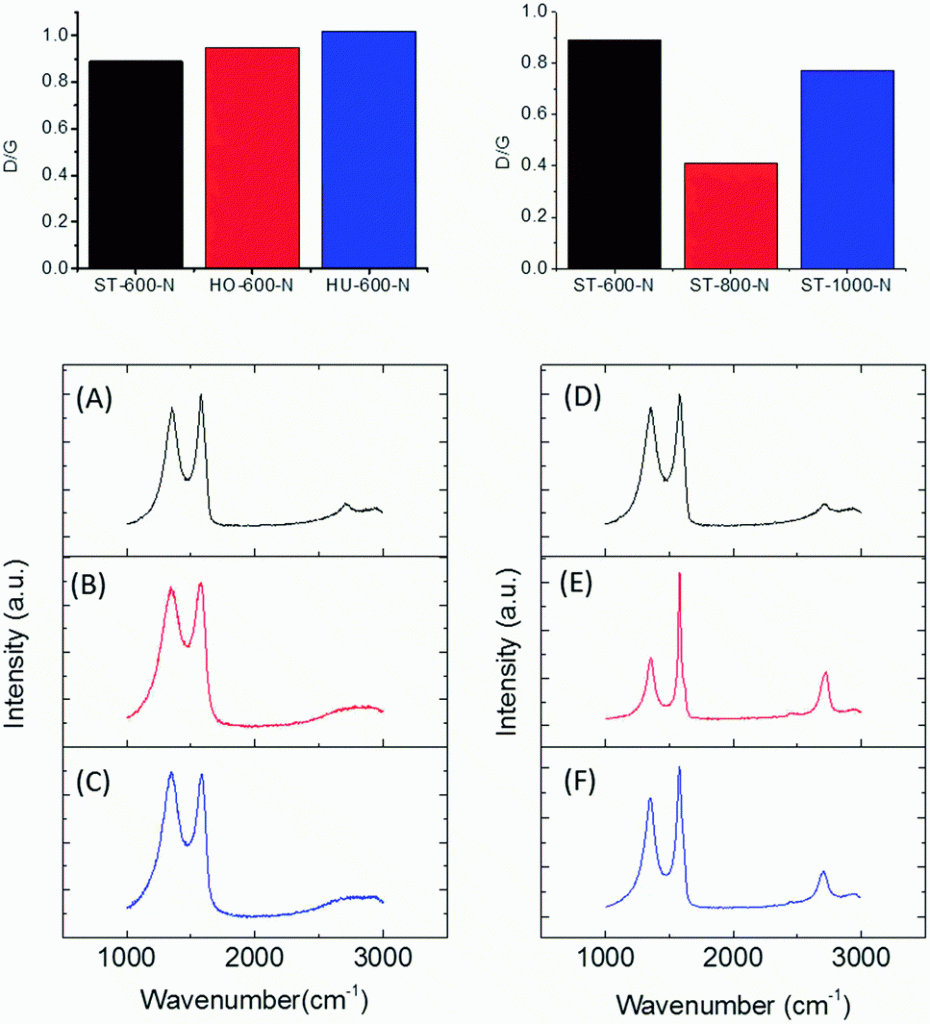
Nitrogen doped graphene: influence of precursors and conditions of the synthesis

Heteroatoms doped graphenes, especially nitrogen doped graphenes, have attracted much attention due to their remarkable performance as parts of lithium-ion batteries, advanced catalyst supports, super capacitors and fuel cells. The performance of doped materials strongly depends on the level of doping. While the nitrogen doped graphenes are synthesized by various methods, the parameters influencing the …

Nitrogen doped graphene: influence of precursors and conditions of the synthesis Read More »

Blood metabolite strongly suppresses motion of electrochemically deposited catalytic self-propelled microjet engines

Potential applications of self-propelled catalytic microjet engines in biomedical fields require the ability of microjets to perform tasks in various media, particularly in blood. Here, we show uric acid, a metabolite which is present in blood at a relatively low concentration, acts as a fuel stabilizer and radical scavenger that dramatically reduces the mobility of …

Blood metabolite strongly suppresses motion of electrochemically deposited catalytic self-propelled microjet engines Read More »

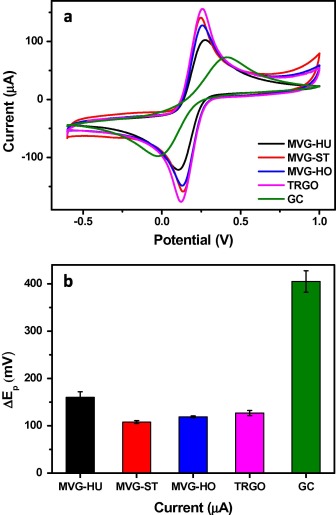
Electron transfer properties of chemically reduced graphene materials with different oxygen contents

Herein, we endeavoured to tune the surface composition and hence electron transfer properties of chemically reduced graphene oxides through varying the mass of sodium borohydride (NaBH4) in the reduction step. The resulting materials were characterised via X-ray photoelectron spectroscopy (XPS), Raman spectroscopy, Fourier transform infrared spectroscopy (FTIR), and conductivity studies. The XPS and Raman spectra …

Electron transfer properties of chemically reduced graphene materials with different oxygen contents Read More »

The CVD graphene transfer procedure introduces metallic impurities which alter the graphene electrochemical properties

High quality graphene films can be fabricated by chemical vapor deposition (CVD) using Ni and Cu as catalytic substrates. Such a synthesis procedure always requires a subsequent transfer process to be performed in order to eliminate the metallic substrate and transfer the graphene onto the desired surface. We show here that such a transfer process …

The CVD graphene transfer procedure introduces metallic impurities which alter the graphene electrochemical properties Read More »

Graphene oxide nanoribbons exhibit significantly greater toxicity than graphene oxide nanoplatelets

Graphene oxide (GOs) has emerged in recent years as a versatile nanomaterial, demonstrating tremendous potential for multifunctional biomedical applications. GOs can be prepared by the top-down or bottom-up approach, which leads to a great variability of GOs being produced due to the different procedures and starting carbon sources adopted. This will have an effect on …

Graphene oxide nanoribbons exhibit significantly greater toxicity than graphene oxide nanoplatelets Read More »

Magnetic control of electrochemical processes at electrode surface using iron-rich graphene materials with dual functionality

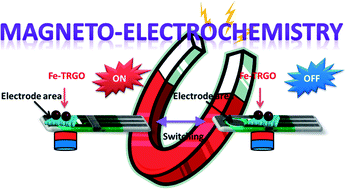
Metal-doped graphene hybrid materials demonstrate promising capabilities in catalysis and various sensing applications. There also exists great interest for on-demand control of the selectivity of many electrochemical processes. In this work, an iron-doped thermally reduced graphene oxide (Fe-TRGO) was prepared and used to investigate the possibility of a reproducible, magnetically controlled method to modulate electrochemical …

Magnetic control of electrochemical processes at electrode surface using iron-rich graphene materials with dual functionality Read More »

Fluorographenes via thermal exfoliation of graphite oxide in SF6, SF4 and MoF6 atmospheres

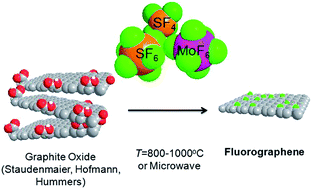
Functionalization of graphene with heteroatoms is of paramount interest. Doping of graphene materials with electron withdrawing groups leads to the opening of the band gap which further results in a change of its electronic and electrochemical properties. Fluorine exhibits the largest electronegativity and thus it is expected that fluorographenes will have significantly different properties from …

Fluorographenes via thermal exfoliation of graphite oxide in SF6, SF4 and MoF6 atmospheres Read More »

Towards electrochemical purification of chemically reduced graphene oxide from redox accessible impurities

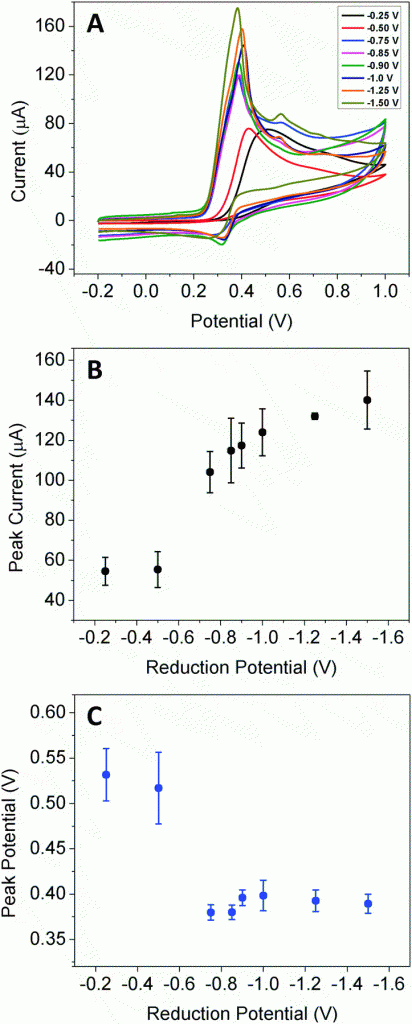
The electrochemical properties of graphene are highly sensitive to residual metallic impurities that persist despite various purification efforts. To accurately evaluate the electrochemical performance of graphene, highly purified materials free of metallic impurities are required. In this study, the partial purification of chemically reduced graphene oxides prepared via Hummers (CRGO-HU) and Staudenmaier (CRGO-ST) oxidation methods …

Towards electrochemical purification of chemically reduced graphene oxide from redox accessible impurities Read More »

Redox reaction of p-aminophenol at carbon nanotube electrodes is accelerated by carbonaceous impurities

We show here that the enhanced electrochemical behaviour of carbon nanotubes towards the redox reactions of p-aminophenol does not stem from the innate properties of carbon nanotubes. Investigating the isolated effect of each component present within carbon nanotubes samples, which are the carbon nanotube, the graphitic and amorphous carbonaceous impurities and the metallic impurities, we …

Redox reaction of p-aminophenol at carbon nanotube electrodes is accelerated by carbonaceous impurities Read More »

Acetylene bubble-powered autonomous capsules: towards in situ fuel

A fuel-free autonomous self-propelled motor is illustrated. The motor is powered by the chemistry of calcium carbide and utilising water as a co-reactant, through a polymer encapsulation strategy. Expulsion of acetylene bubbles powers the capsule motor. This is an important step, going beyond the toxic hydrogen peroxide fuel used normally, to find alternative propellants for …

Acetylene bubble-powered autonomous capsules: towards in situ fuel Read More »

CVD graphene based immunosensor

Graphene synthesis by chemical vapour deposition (CVD) method has been receiving much attention from researchers. This is due to the fact that high quality graphene can be obtained at relatively low production costs. While there has been much advancement in CVD synthesis of graphene, little study has been done on the biosensing applications of CVD …

CVD graphene based immunosensor Read More »

Chemical reduction of graphene oxide: a synthetic chemistry viewpoint

The chemical reduction of graphene oxide is a promising route towards the large scale production of graphene for commercial applications. The current state-of-the-art in graphene oxide reduction, consisting of more than 50 types of reducing agent, will be reviewed from a synthetic chemistry point of view. Emphasis is placed on the techniques, reaction mechanisms and …

Chemical reduction of graphene oxide: a synthetic chemistry viewpoint Read More »

Electrochemical tuning of oxygen-containing groups on graphene oxides: towards control of the performance for the analysis of biomarkers

Graphene materials are very popular in the field of biosensing owing to their distinctive characteristics. However, oxygen-containing groups are known to exist intrinsically in graphene-related materials. These groups influence the electrochemical properties of graphene materials and therefore affect the sensing performance of graphene-based electrodes when used to detect redox active biomarkers. A well-defined carbon/oxygen (C/O) …

Electrochemical tuning of oxygen-containing groups on graphene oxides: towards control of the performance for the analysis of biomarkers Read More »

Detection of biomarkers with graphene nanoplatelets and nanoribbons

Well-defined graphene nanosheets have become increasingly popular in the electrochemical detection and quantification of small molecules. In this work, the electrochemical oxidation of biomarkers such as uric acid, ascorbic acid, dopamine, NADH and DNA bases, namely guanine and adenine, was performed using cyclic voltammetry and differential pulse voltammetry to compare the electrochemical properties of electrochemically …

Detection of biomarkers with graphene nanoplatelets and nanoribbons Read More »

Towards Graphane Applications in Security: The Electrochemical Detection of Trinitrotoluene in Seawater on Hydrogenated Graphene

With greater security and humanitarian concerns, the pressing need to develop fast and sensitive point-of-care explosives detectors has never been more pronounced. Electrochemical detectors facilitate accurate and swift detection of these explosive traces to provide opportunities for preemptive measures. Sensitivity of the electrode material is one of the many important factors in the development of …

Towards Graphane Applications in Security: The Electrochemical Detection of Trinitrotoluene in Seawater on Hydrogenated Graphene Read More »

MoS2 exhibits stronger toxicity with increased exfoliation

MoS2 belong to a class of inorganic 2D nanomaterials known as transition metal dichalcogenides (TMDs) which have recently attracted a renewed and growing interest due to their interesting electronic and catalytic properties when scaled down to single or few layer sheets. Although exfoliated MoS2 nanosheets have been proposed for numerous energy-related and biosensing applications, little …

MoS2 exhibits stronger toxicity with increased exfoliation Read More »

Layered transition metal dichalcogenides for electrochemical energy generation and storage

Layered transition metal dichalcogenides (TMDs) (MoS2, MoSe2, WS2, WSe2, etc.) are a chemically diverse class of compounds having band gaps from 0 to similar to 2 eV and remarkable electrochemical properties. The band gaps and electrochemical properties of TMDs can be tuned by exchanging the transition metal or chalcogenide elements. After a brief description of …

Layered transition metal dichalcogenides for electrochemical energy generation and storage Read More »

Towards biocompatible nano/microscale machines: self-propelled catalytic nanomotors not exhibiting acute toxicity

Recent advances in nanotechnology have led to the evolution of self-propelled, artificial nano/microjet motors. These intelligent devices are considered to be the next generation self-powered drug delivery system in the field of biomedical applications. While many studies have strived to further improve the various properties of these devices such as their efficiency, performance and power, …

Towards biocompatible nano/microscale machines: self-propelled catalytic nanomotors not exhibiting acute toxicity Read More »

Residual metallic impurities within carbon nanotubes play a dominant role in supposedly “metal-free” oxygen reduction reactions

Oxygen reduction reactions (ORRs) are of key importance in the area of electrochemical energy production. The replacement of the Pt industrial standard with heteroatom doped metal-free carbon nanotubes was previously suggested for ORRs. Here we will show that the ORR electrocatalysis on these supposedly metal-free materials is likely in fact due to the presence of …

Residual metallic impurities within carbon nanotubes play a dominant role in supposedly “metal-free” oxygen reduction reactions Read More »

Highly hydrogenated graphene via active hydrogen reduction of graphene oxide in the aqueous phase at room temperature

Hydrogenated graphene and graphane are in the forefront of graphene research. Hydrogenated graphene is expected to exhibit ferromagnetism, tunable band gap, fluorescence, and high thermal and low electrical conductivity. Currently available techniques for fabrication of highly hydrogenated graphene use either a liquid ammonia (-33 degrees C) reduction pathway using alkali metals or plasma low pressure …

Highly hydrogenated graphene via active hydrogen reduction of graphene oxide in the aqueous phase at room temperature Read More »

Neutron diffraction as a precise and reliable method for obtaining structural properties of bulk quantities of graphene

Graphene based carbon materials have attracted a great deal of attention in the last decade; nowadays tons of graphene are produced yearly. However, there is lack of precise and reliable techniques for the determination of structural properties of graphene on the bulk scale. The analytical methods being routinely applied for graphene characterization, including TEM and …

Neutron diffraction as a precise and reliable method for obtaining structural properties of bulk quantities of graphene Read More »

Towards highly electrically conductive and thermally insulating graphene nanocomposites: Al2O3-graphene

Highly electrically conductive materials with low heat transfer rates are of very high importance for high temperature fuel cell technologies and the refractory material industry. We aim to develop such materials with high electrical conductivities/high thermal resistivities by creating composite materials of graphene and Al2O3. Here we describe a novel and facile method for the …

Towards highly electrically conductive and thermally insulating graphene nanocomposites: Al2O3-graphene Read More »

Haemoglobin electrochemical detection on various reduced graphene surfaces: well-defined glassy carbon electrode outperforms the graphenoids

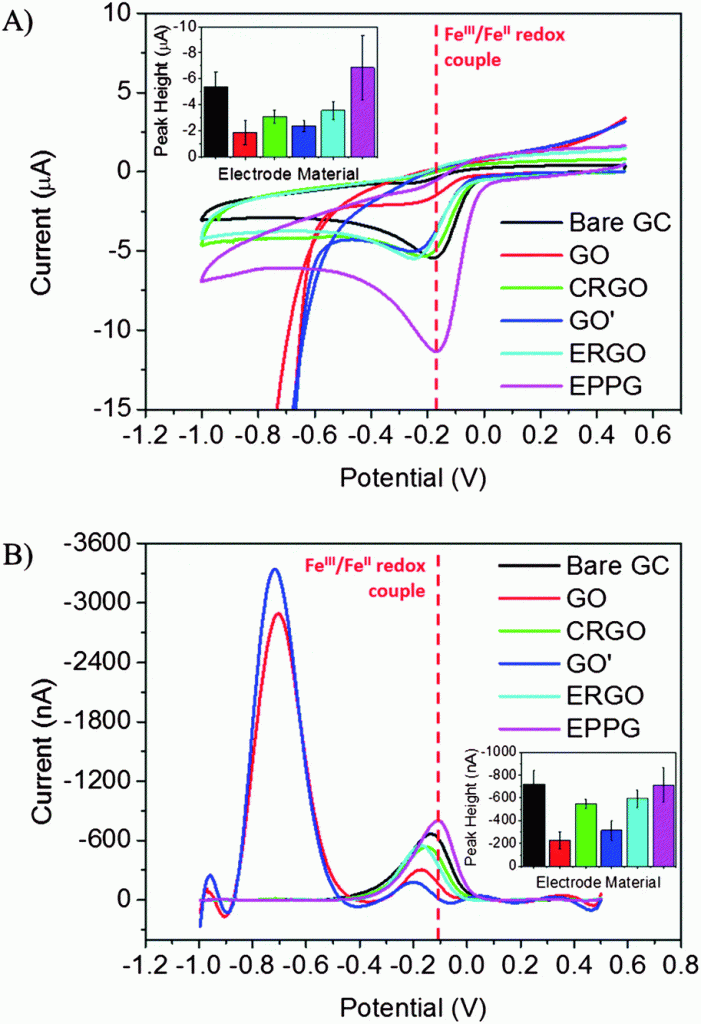
Monitoring the direct electron transfer reactions of haemoglobin is important for understanding of chemical changes within the red blood cell for haematological studies. However, the facilitation of electron transfer between haemoglobin and bare solid electrodes is challenging. Herein, the influence of carbon nanomaterials; graphite oxide (GO), chemically reduced graphene oxide (CRGO), graphene oxide (GO’), electrochemically …

Haemoglobin electrochemical detection on various reduced graphene surfaces: well-defined glassy carbon electrode outperforms the graphenoids Read More »

Molybdenum disulfide (MoS2) nanoflakes as inherently electroactive labels for DNA hybridization detection

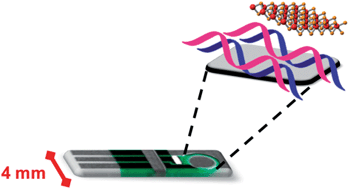
The detection of specific DNA sequences plays a critical role in the areas of medical diagnostics, environmental monitoring, drug discovery and food safety. This has therefore become a strong driving force behind the ever-increasing demand for simple, cost-effective, highly sensitive and selective DNA biosensors. In this study, we report for the first time, a novel …

Molybdenum disulfide (MoS2) nanoflakes as inherently electroactive labels for DNA hybridization detection Read More »

Highly conductive graphene nanoribbons from the reduction of graphene oxide nanoribbons with lithium aluminium hydride

Graphene nanoribbons are highly promising materials for nanoelectronics. They are typically prepared via the oxidative treatment of carbon nanotubes, which first leads to graphene oxide nanoribbons with poor conductivity. In order to be applied in nanoelectronic systems, such graphene oxide nanoribbons must be converted to their conductive counterparts through a reduction process. We show here …

Highly conductive graphene nanoribbons from the reduction of graphene oxide nanoribbons with lithium aluminium hydride Read More »

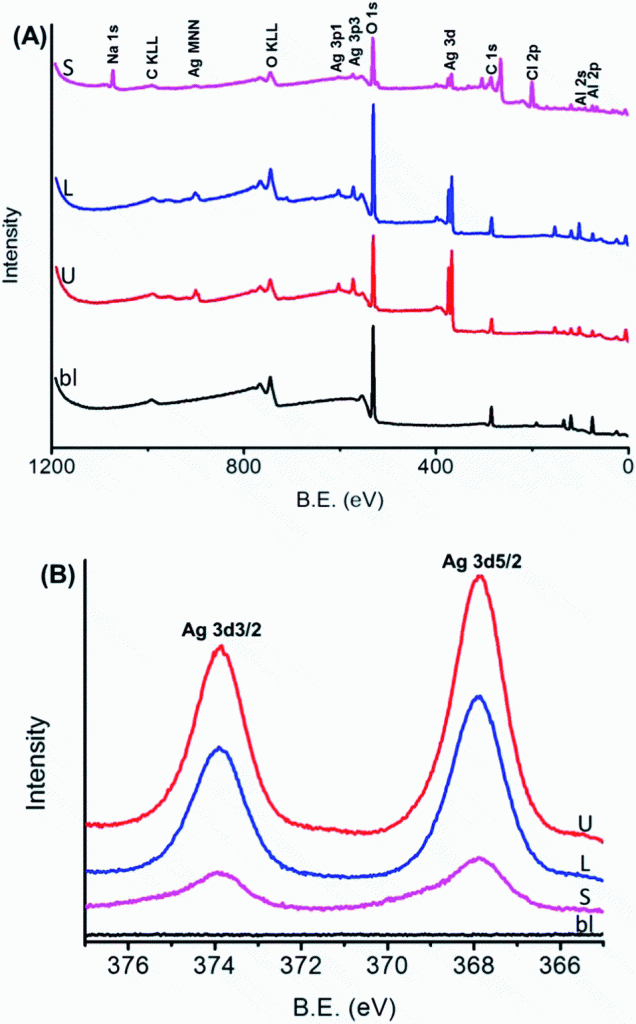
Fate of silver nanoparticles in natural waters; integrative use of conventional and electrochemical analytical techniques

The rapid emergence of commercially available products containing silver nanoparticles (AgNPs) in recent years is worrying, as the widespread use of these items could lead to hazardous silver pollution to our environment waters. When released into the environment, AgNPs’ toxicity and transport in water is ultimately dependent on its transformation. Therefore, the study on AgNPs’ …

Fate of silver nanoparticles in natural waters; integrative use of conventional and electrochemical analytical techniques Read More »

Tissue cell assisted fabrication of tubular catalytic platinum microengines

We report a facile platform for mass production of robust self-propelled tubular microengines. Tissue cells extracted from fruits of banana and apple, Musa acuminata and Malus domestica, are used as the support on which a thin platinum film is deposited by means of physical vapor deposition. Upon sonication of the cells/Pt-coated substrate in water, microscrolls …

Tissue cell assisted fabrication of tubular catalytic platinum microengines Read More »