Year: 2012

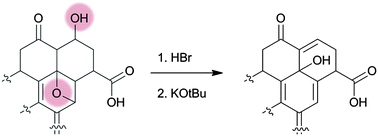
Renewal of sp(2) bonds in graphene oxides via dehydrobromination

Graphene-based materials are emerging to become one of the most exciting candidates for various applications. There has been a keen interest in developing methods that will not only result in their bulk production, but could also generate graphene-based materials that possess good electrical and physical properties. The most convenient method towards bulk production of graphene-based …

Renewal of sp(2) bonds in graphene oxides via dehydrobromination Read More »
Graphane electrochemistry: Electron transfer at hydrogenated graphenes

Graphane, the hydrogenated derivate of graphene is a highly novel material in the field of two dimensional nanocarbon related research. Preparation of hydrogenated graphene is achieved via a high-pressure/high-temperature (up to 150 bar and 500 degrees C) thermal exfoliation procedure of graphite oxide. We investigated the properties of the materials via voltammetry and electrochemical impedance …

Graphane electrochemistry: Electron transfer at hydrogenated graphenes Read More »

Graphenes Prepared by Hummers, Staudenmaier and Hofmann Methods for Analysis of TNT-Based Nitroaromatic Explosives in Seawater

The detection of TNT and related nitroaromatic compounds in seawater is of great interest. Electrochemical techniques can be applied for detection purposes since nitroaromatic compounds contain easily reducible nitro groups. In this study, we investigate the performance of thermally reduced graphenes prepared by three different oxidative methods: Hummers, Staudenmaier and Hofmann methods with consequent thermal …

Graphenes Prepared by Hummers, Staudenmaier and Hofmann Methods for Analysis of TNT-Based Nitroaromatic Explosives in Seawater Read More »

Graphite Oxides: Effects of Permanganate and Chlorate Oxidants on the Oxygen Composition

Research on graphene materials has refocused on graphite oxides (GOs) in recent years. The fabrication of GO is commonly accomplished by using concentrated sulfuric acid in conjunction with: a) fuming nitric acid and KClO3 oxidant (Staudenmaier); b) concentrated nitric acid and KClO3 oxidant (Hofmann); c) sodium nitrate for in situ production of nitric acid in …

Graphite Oxides: Effects of Permanganate and Chlorate Oxidants on the Oxygen Composition Read More »

Graphene Sheet Orientation of Parent Material Exhibits Dramatic Influence on Graphene Properties

The production of graphene from various sources has garnered much attention in recent years with the development of methods that range from bottom-up to top-down approaches. The top-down approach often requires thermal treatment to obtain a few-layered and lowly oxygenated graphene sheets. Herein, we demonstrate the production of graphene through oxidation and thermal-reduction/exfoliation of two …

Graphene Sheet Orientation of Parent Material Exhibits Dramatic Influence on Graphene Properties Read More »

Inherently Electroactive Graphene Oxide Nanoplatelets As Labels for Single Nucleotide Polymorphism Detection

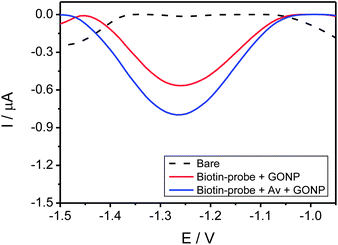
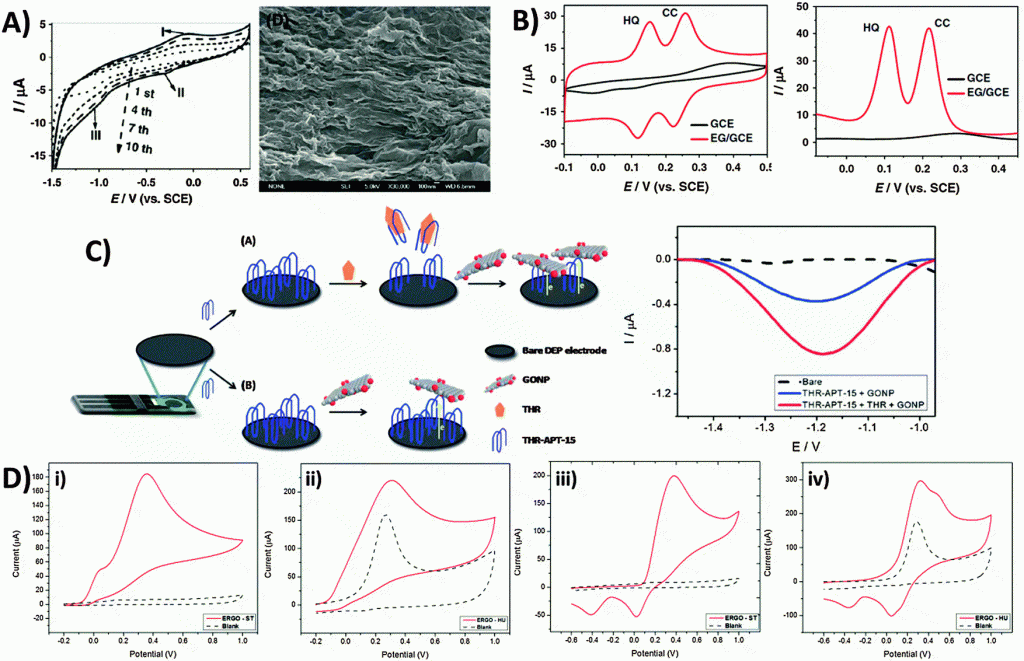
Graphene materials are being widely used in electrochemistry due to their versatility and excellent properties as platforms for biosensing. However, no records show the use of inherent redox properties of graphene oxide as a label for detection. Here for the first time we used graphene oxide nanoplatelets (GONPs) as electroactive labels for DNA analysis. The …

Inherently Electroactive Graphene Oxide Nanoplatelets As Labels for Single Nucleotide Polymorphism Detection Read More »

Liquid-Liquid Interface Motion of a Capsule Motor Powered by the Interlayer Marangoni Effect

A novel thin capsule motor has been described in this report. It utilizes the Marangoni effect for the solid capsule to run at a water-oil interlayer, which has not been reported previously. Intrinsic and environment factors influencing the motion were investigated. It is also possible for the velocity, direction, and start/stop of the motion of …

Liquid-Liquid Interface Motion of a Capsule Motor Powered by the Interlayer Marangoni Effect Read More »

Bioavailability of Metallic Impurities in Carbon Nanotubes Is Greatly Enhanced by Ultrasonication

Metallic impurities within carbon nanotubes (CNTs) are considered as the main cause of their toxicity. Ultrasonication is a common procedure used to purify and obtain homogeneous dispersions of CNTs as well as to mix them with other components for further processing into composites. Herein, the influence of ultrasonication upon the bioavailability of metallic impurities in …

Bioavailability of Metallic Impurities in Carbon Nanotubes Is Greatly Enhanced by Ultrasonication Read More »

Macroscopic Self-Propelled Objects

Self-propelled systems are currently in the spotlight of the research community. We review the progress of the construction of both millimeter- and centimeter-sized self-propelled macroscopic objects. We will also discuss the various sources of energy used by these systems, such as the electromagnetic field, electric field, thermal gradient, and chemical energy, and present how these …

Macroscopic Self-Propelled Objects Read More »

Chemically reduced graphene contains inherent metallic impurities present in parent natural and synthetic graphite

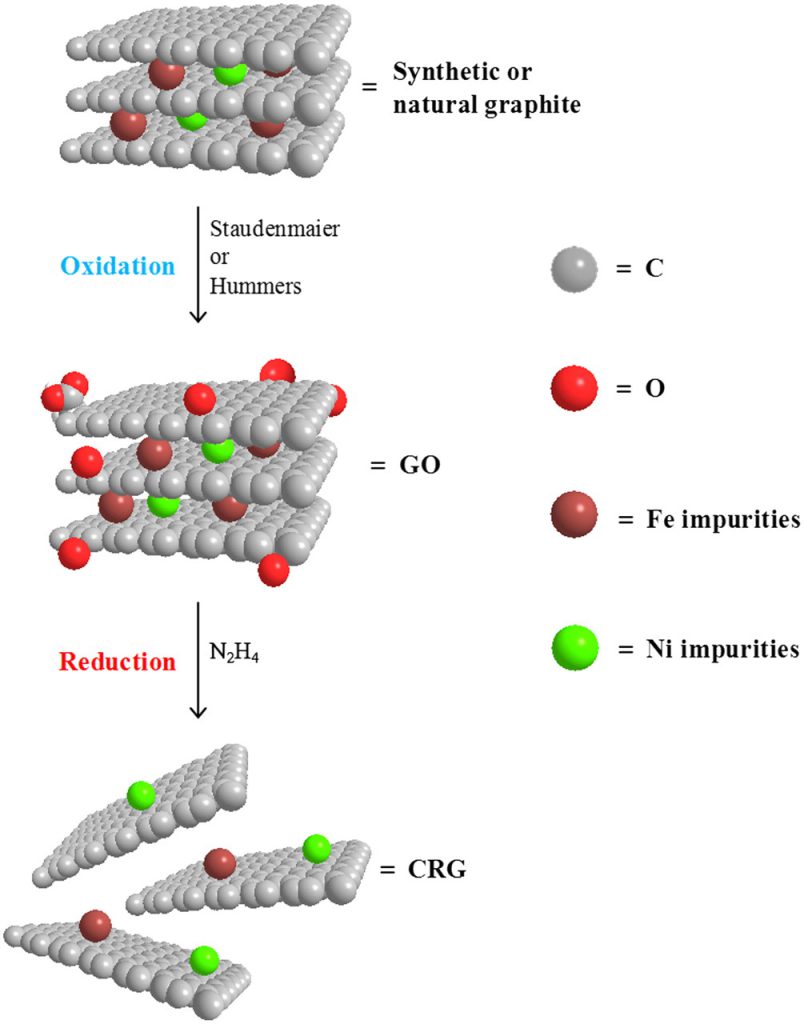
Graphene-related materials are in the forefront of nanomaterial research. One of the most common ways to prepare graphenes is to oxidize graphite (natural or synthetic) to graphite oxide and exfoliate it to graphene oxide with consequent chemical reduction to chemically reduced graphene. Here, we show that both natural and synthetic graphite contain a large amount …

Chemically reduced graphene contains inherent metallic impurities present in parent natural and synthetic graphite Read More »

Surfactants show both large positive and negative effects on observed electron transfer rates at thermally reduced graphenes

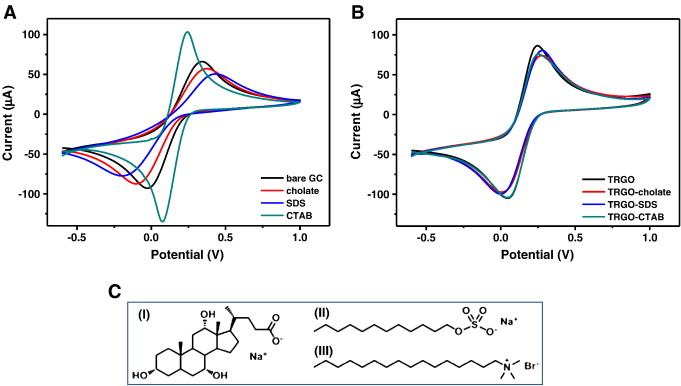
The use of surfactants is ubiquitous in the production of graphene and its analogs as well as their stabilization in solution due to their hydrophobicity causing significant aggregation in aqueous media. Several redox probes ([Fe(CN)(6)](4-/3-), [Ru(NH3)(6)](2+/3+), Fe-aq(2+/3+)) were employed to assess the effect of various surfactants on the electrochemical responses of glassy carbon (GC) as …

Surfactants show both large positive and negative effects on observed electron transfer rates at thermally reduced graphenes Read More »

Oxidation of DNA bases is influenced by their position in the DNA strand

Electrochemical detection of DNA is an important field of research, with strong implications for next generation diagnostics. In this paper, we show that the electrochemical responses of DNA bases (guanine, adenine, thymine, cytosine) in terms of peak potentials and peak current may be influenced by the sequences of an oligomer at standard glassy carbon (GC), …

Oxidation of DNA bases is influenced by their position in the DNA strand Read More »

Comparison of the electroanalytical performance of chemically modified graphenes (CMGs) using uric acid

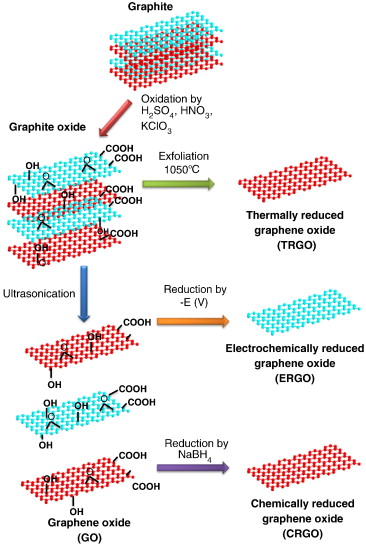
We compared the differential pulse voltammetric performance of various chemically modified graphenes (CMGs) to those of glassy carbon (GC) and edge plane pyrolytic graphite (EPPG), using a biologically important analyte, uric acid. Analytical parameters of sensitivity, linearity, repeatability and selectivity were considered. Graphite oxide, graphene oxide, chemically reduced graphene oxide, electrochemically reduced graphene oxide and …

Comparison of the electroanalytical performance of chemically modified graphenes (CMGs) using uric acid Read More »

Lithium Aluminum Hydride as Reducing Agent for Chemically Reduced Graphene Oxides

Chemical reduction of graphene oxide is one of the main routes of preparation for large quantities of graphenes. A wide range of reducing agents was described for this task, such as hydroquinone, ascorbic acid, saccharides, proteins, hydrazine, or sodium borohydride. With exception of sodium borohydride and hydrazine, no “standard” organic chemistry agents have been described …

Lithium Aluminum Hydride as Reducing Agent for Chemically Reduced Graphene Oxides Read More »

Friedel-Crafts Acylation on Graphene

There is an excitement around graphene as a promising new material for nanotechnological and nanoarchitectonic applications. Despite the low chemical reactivity of graphene, chemical functionalization remains a prominent and viable solution to tailor its chemical, physical, and electronic properties. Herein, we report the covalent functionalization of reduced graphene oxide through FriedelCrafts reactions under mild conditions …

Friedel-Crafts Acylation on Graphene Read More »

Oxidation of DNA Bases Influenced by the Presence of Other Bases

Electrochemical detection of DNA is a highly important topic. Here we show that the electrochemical responses of one DNA base (guanine, adenine, cytosine or thymine), in terms of oxidation potential, current intensity, peak width and resolution can be highly influenced by the presence of other DNA bases at electrochemically reduced graphene oxide (ER-GO) as well …

Oxidation of DNA Bases Influenced by the Presence of Other Bases Read More »

On Oxygen-Containing Groups in Chemically Modified Graphenes

Reduced graphenes (belonging to the class of chemically modified graphenes, CMG) are one of the most investigated and utilized materials in current research. Oxygen functionalities on the CMG surfaces have dramatic influences on material properties. Interestingly, these functionalities are rarely comprehensively characterized. Herein, the four most commonly used CMGs, mainly electrochemically reduced graphene oxide (ER-GO), …

On Oxygen-Containing Groups in Chemically Modified Graphenes Read More »

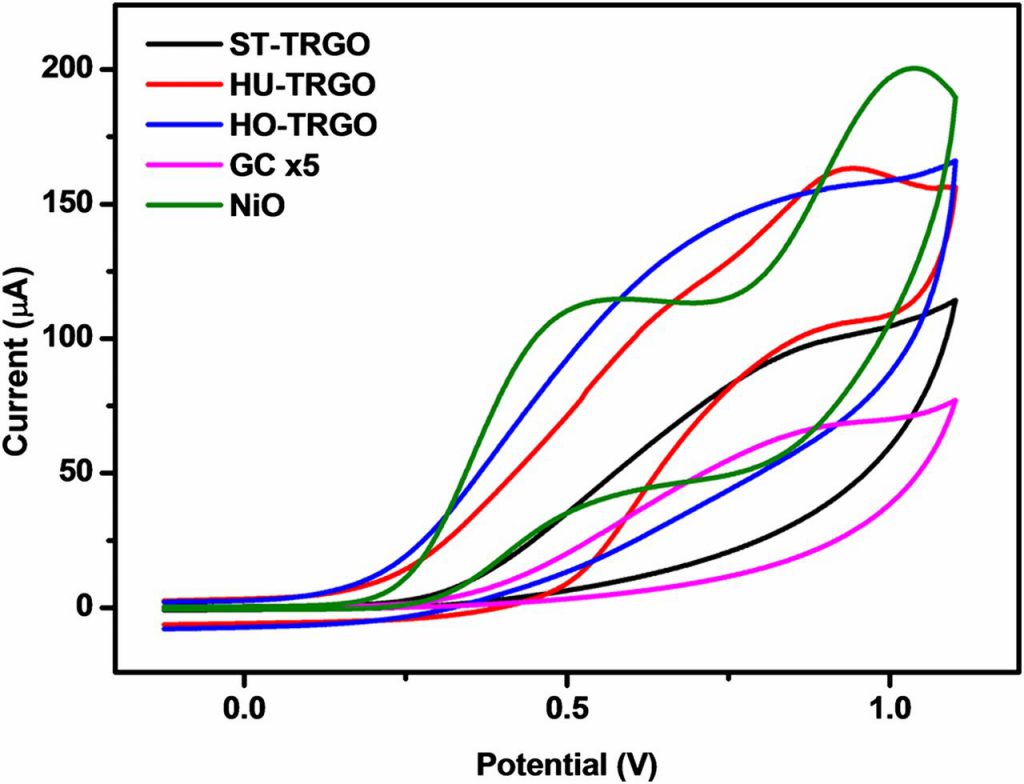
The Inherent Electrochemistry of Nickel/Nickel-Oxide Nanoparticles

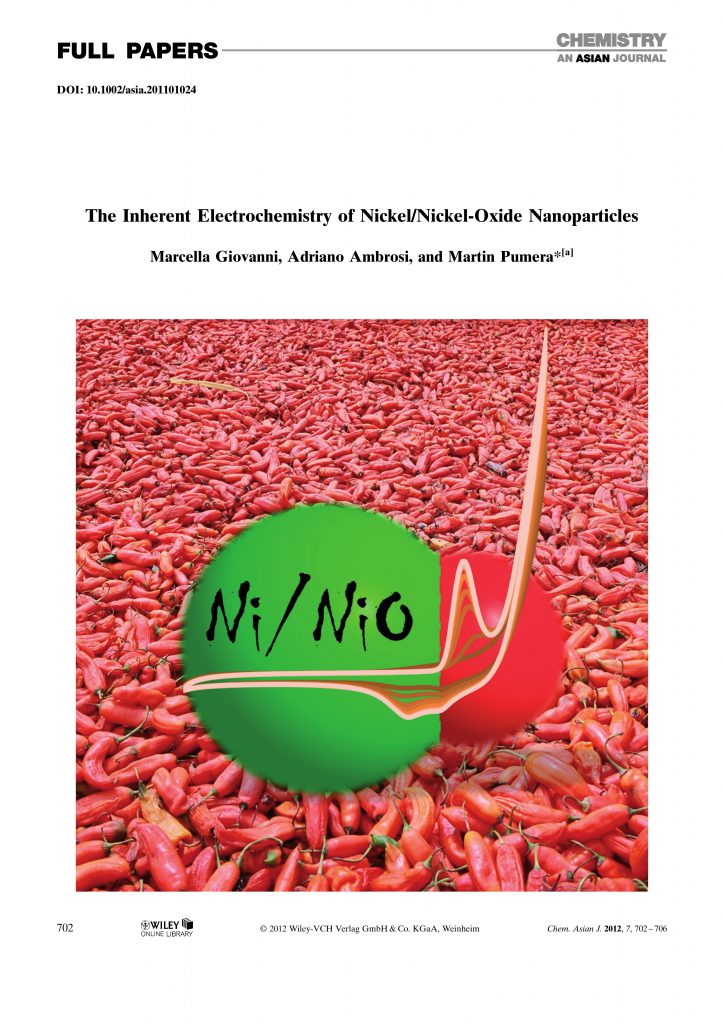
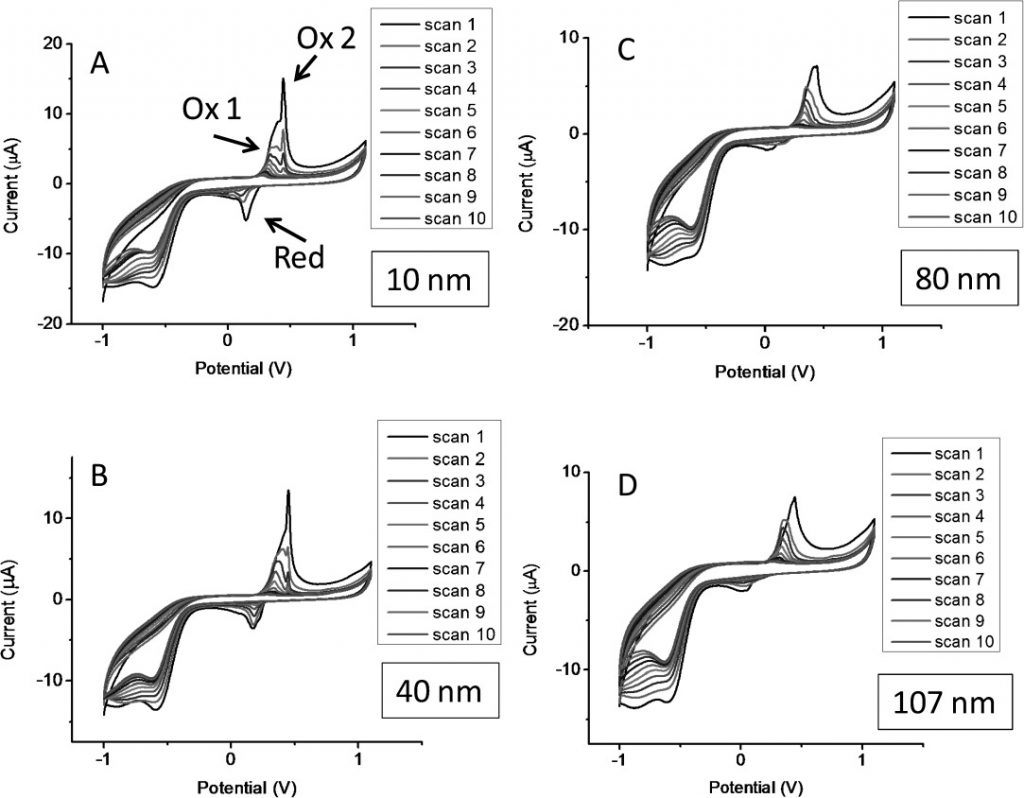
The direct detection of nanoparticles is at the forefront of research owing to their environmental and toxicological applications. Herein, we studied the inherent electrochemistry of Ni and NiO nanoparticles and proposed a simple and direct electrochemical method for the determination of the concentrations of both nickel (Ni) and nickel oxide (NiO) nanoparticles in alkaline solution. …

The Inherent Electrochemistry of Nickel/Nickel-Oxide Nanoparticles Read More »

Inherent Electrochemistry and Activation of Chemically Modified Graphenes for Electrochemical Applications

Graphene research is currently at the frontier of electrochemistry. Many different graphene-based materials are employed by electrochemists as electrodes in sensing and in energy-storage devices. Because the methods for their preparation are inherently different, graphene materials are expected to exhibit different electrochemical behaviors depending on the functionalities and density of defects present. Electrochemical treatment of …

Inherent Electrochemistry and Activation of Chemically Modified Graphenes for Electrochemical Applications Read More »

Graphene/carbon nanotube composites not exhibiting synergic effect for supercapacitors: The resulting capacitance being average of capacitance of individual components

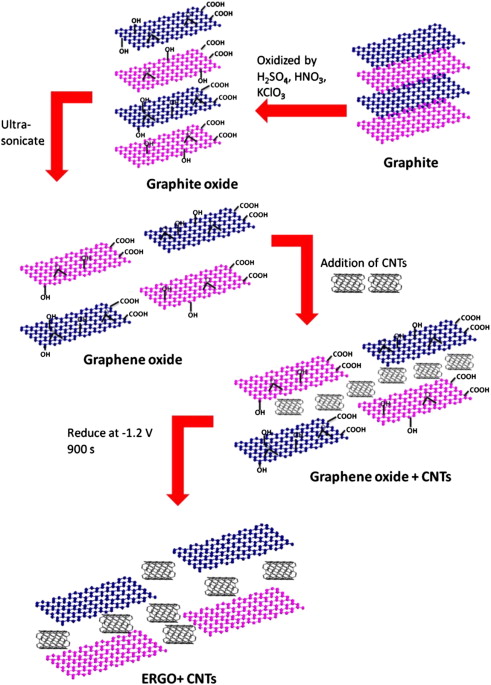
There were many claims of synergic effect of carbon nanotubes and graphene leading to enhanced capacitance of the resulting composite. Here we show that “spacing” of graphene sheets with carbon nanotubes does not yield to any synergic effect of dramatically improved capacitance but in contrary, the resulting capacitance is merely arithmetic average of weight specific …

Graphene/carbon nanotube composites not exhibiting synergic effect for supercapacitors: The resulting capacitance being average of capacitance of individual components Read More »

Graphene, Carbon Nanotubes and Nanoparticles in Cell Metabolism

Nanomaterials and nanotechnology is in forefront of materials research. Minimal attention is given to the potential participation of these materials in cell metabolism. Here we review recent efforts to understanding how carbon nanomaterials participate on cell metabolism. First, the introduction to the materials science of graphene, carbon nanotubes and metallic nanoparticles is give. Second, different …

Graphene, Carbon Nanotubes and Nanoparticles in Cell Metabolism Read More »

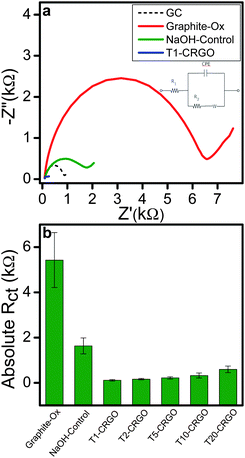
Surfactants used for dispersion of graphenes exhibit strong influence on electrochemical impedance spectroscopic response

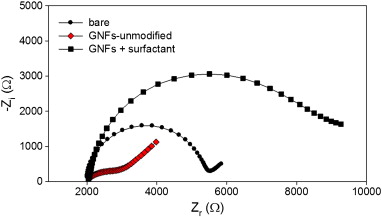
We show here that electrochemical impedance spectroscopy response of graphene is dramatically influenced by presence/absence of surfactants. In many protocols for the production of graphene surfactants are employed in order to favour the exfoliation process and to prevent the sheets from re-aggregation. It was already demonstrated in previous works that surfactants have unfavourable effect on …

Surfactants used for dispersion of graphenes exhibit strong influence on electrochemical impedance spectroscopic response Read More »

Redox-Active Nickel in Carbon Nanotubes and Its Direct Determination

The presence of residual metal-catalyst impurities in carbon nanotubes is responsible for their toxicity. It is important to differentiate between the total amount of impurities and the redox-active (bioavailable) amount of such impurities because only the bioavailable impurities exhibit toxic effects. Herein, we report a simple and specific method for quantifying the amount of redox-active …

Redox-Active Nickel in Carbon Nanotubes and Its Direct Determination Read More »
Reduction Pathways of 2,4,6-Trinitrotoluene: An Electrochemical and Theoretical Study

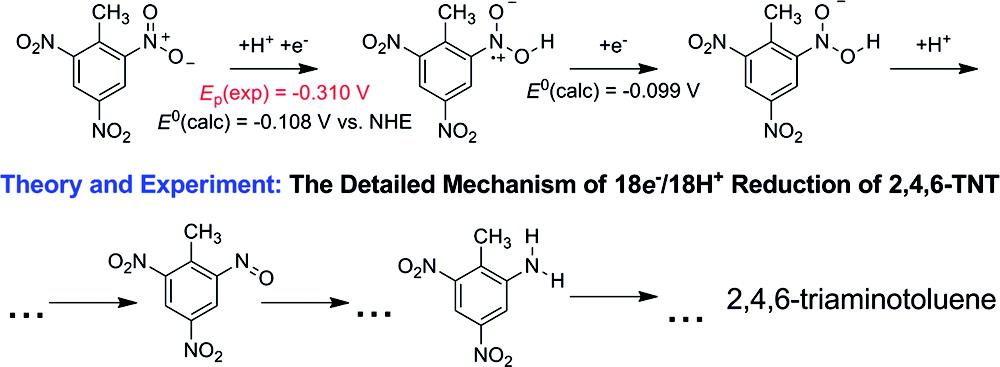
The reduction pathways of trinitrotoluene are studied using electrochemical and computational methods. The electrochemical reduction of three nitro groups in 2,4,6-trinitrotoluene (TNT) is characterized by three major reduction peaks in cyclic voltammograms at the peak potentials of -0.310, -0.463, and -0.629 V vs a normal hydrogen electrode (NHE). The second and third peaks coincide with …

Reduction Pathways of 2,4,6-Trinitrotoluene: An Electrochemical and Theoretical Study Read More »

Nanoporous Carbon Materials for Electrochemical Sensing

Nanoporous carbon materials are highly important materials for a wide array of applications. Here we show that nanoporous carbon can act as highly active materials for electrochemical sensing. We observed that nanoporous carbon material exhibits a faster heterogeneous electron transfer than graphite and pure carbon nanotubes. Nanoporous carbon exhibits a superior electrochemical performance for sensing …

Nanoporous Carbon Materials for Electrochemical Sensing Read More »

Voltammetry of carbon nanotubes and graphenes: excitement, disappointment, and reality

Voltammetry of carbon nanotubes and graphene underwent significant development in the first decade of the 21st century. The initial excitement concerning the performance of the new materials was replaced with increasing crises in the field caused by the use of impure materials. Here, I provide a personal view of these developments and some reality checks …

Voltammetry of carbon nanotubes and graphenes: excitement, disappointment, and reality Read More »

Nucleic Acid Functionalized Graphene for Biosensing

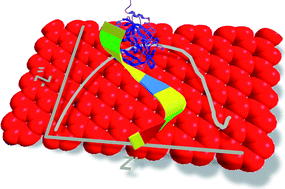
There is immense demand for complex nanoarchitectures based on graphene nanostructures in the fields of biosensing or nanoelectronics. DNA molecules represent the most versatile and programmable recognition element and can provide a unique massive parallel assembly strategy with graphene nanomaterials. Here we demonstrate a facile strategy for covalent linking of single stranded DNA (ssDNA) to …

Nucleic Acid Functionalized Graphene for Biosensing Read More »

Number of graphene layers exhibiting an influence on oxidation of DNA bases: Analytical parameters

This article investigates the analytical performance of double-, few- and multi-layer graphene upon oxidation of adenine and guanine. We observed that the sensitivity of differential pulse voltammetric response of guanine and adenine is significantly higher at few-layer graphene surface than single-layer graphene. We use glassy carbon electrode as substrate coated with graphenes. Our findings shall …

Number of graphene layers exhibiting an influence on oxidation of DNA bases: Analytical parameters Read More »

Gold Nanospacers Greatly Enhance the Capacitance of Electrochemically Reduced Graphene

Graphene has great potential in electrochemical storage applications for supercapacitors owing to its high conductivity, large surface area, and the economical feasibility in producing it. The main issue that faces graphene nanomaterials in this application is that they tend to restack, thus decreasing the accessible surface area and leading to low capacitance. Gold nanoparticles of …

Gold Nanospacers Greatly Enhance the Capacitance of Electrochemically Reduced Graphene Read More »

Stripping voltammetry at chemically modified graphenes

Several chemically modified graphene (CMG) materials were used to modify bare glassy carbon (GC) electrodes for the square wave anodic stripping voltammetry detection of cadmium ion concentration in aqueous solution, without the use of additives to amplify the detection signal. These CMGs included graphene oxide, graphite oxide, thermally reduced graphene oxide, chemically reduced graphene oxide …

Stripping voltammetry at chemically modified graphenes Read More »

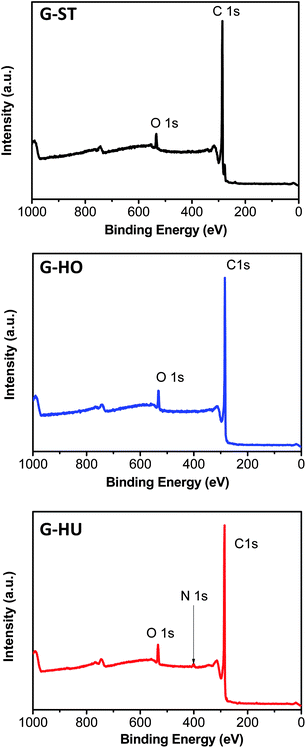
Graphenes prepared by Staudenmaier, Hofmann and Hummers methods with consequent thermal exfoliation exhibit very different electrochemical properties

Large-scale fabrication of graphene is highly important for industrial and academic applications of this material. The most common large-scale preparation method is the oxidation of graphite to graphite oxide using concentrated acids in the presence of strong oxidants and consequent thermal exfoliation and reduction by thermal shock to produce reduced graphene. These oxidation methods typically …

Graphenes prepared by Staudenmaier, Hofmann and Hummers methods with consequent thermal exfoliation exhibit very different electrochemical properties Read More »

Micromotors with built-in compasses

We demonstrate here that iron containing rolled-up microtubular engines can be magnetized and act as compass needles – they sense the direction of an external magnetic field from afar and align the directionalities of their movements according to the external field, in a similar fashion to magnetotactic bacteria.

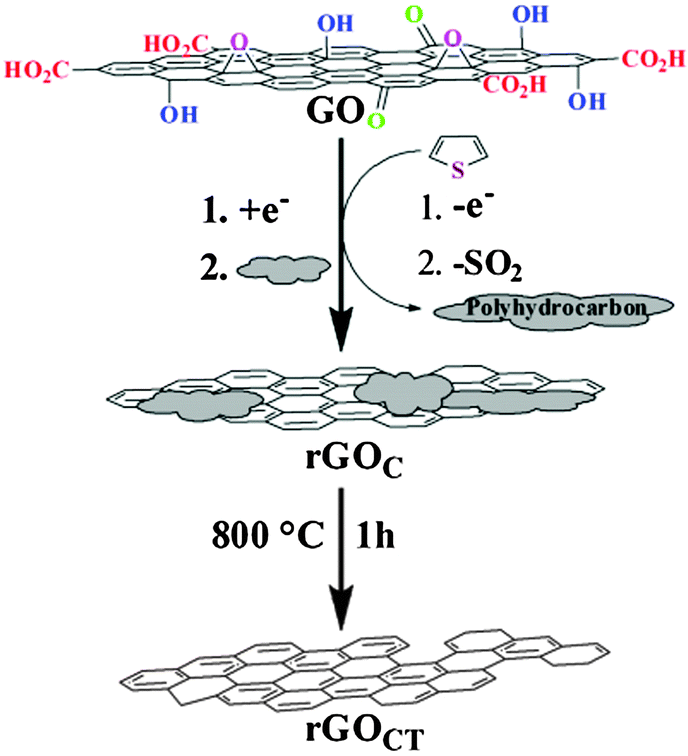
Graphene oxide reduction by standard industrial reducing agent: thiourea dioxide

The current fabrication methods of pristine graphene are not feasible for bulk production. The closest approach, which is through chemical reduction of graphene oxide to chemically reduced graphene oxide that resembles pristine graphene, has been widely adopted instead. Herein, we report a new methodology for the reduction of graphene oxide to chemically reduced graphene oxide …

Graphene oxide reduction by standard industrial reducing agent: thiourea dioxide Read More »

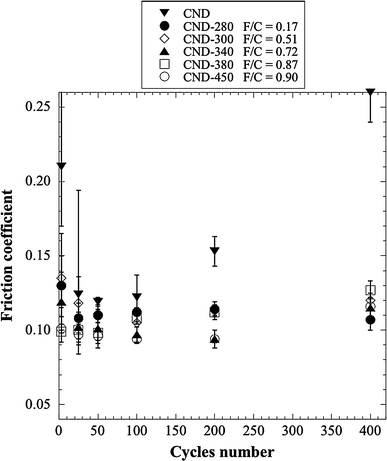
Electrochemical properties of carbon nanodiscs

Carbon nanodiscs are new bottom-up prepared nanomaterials with well-defined diameter and thickness (of 1-2 mu m and 20-50 nm, respectively). We investigate their electrochemical performance towards oxidation and reduction of small inorganic molecules as well as biomarkers. We have found that carbon nanodiscs exhibit faster observable heterogeneous electron transfer rates than graphite. However, this can …

Electrochemical properties of carbon nanodiscs Read More »

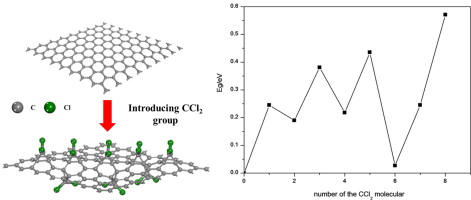
Introducing dichlorocarbene in graphene

The functionalization of graphene with dichlorocarbene has been successfully attained based on a conventional method for the generation of dichlorocarbenes. The obtained material was fully characterized using high resolution X-ray photoelectron spectroscopy, transmission electron microscopy, infrared and Raman spectroscopies.

Impedimetric immunoglobulin G immunosensor based on chemically modified graphenes

Immunosensors which display high sensitivity and selectivity are of utmost importance to the biomedical field. Graphene is a material which has immense potential for the fabrication of immunosensors. For the first time, we evaluate the immunosensing capabilities of various graphene surfaces in this work. We propose a simple and label-free electrochemical impedimetric immunosensor for immunoglobulin …

Impedimetric immunoglobulin G immunosensor based on chemically modified graphenes Read More »

Detection of DNA hybridization on chemically modified graphene platforms

The increasing demand for simple, low-cost, rapid, sensitive and label-free methods for the detection of DNA sequences and the presence of single nucleotide polymorphisms (SNPs) has become an important issue in biomedical research. In this work, we studied the performances of several chemically modified graphene nanomaterials as sensing platforms by using the electrochemical impedance spectroscopy …

Detection of DNA hybridization on chemically modified graphene platforms Read More »

Reynolds numbers exhibit dramatic influence on directionality of movement of self-propelled systems

Self-propelled artificial objects are at the current forefront of research. We demonstrate here that the motion directionality of millimetre sized self-propelled objects is highly dependent on the Reynolds numbers (Re) of the systems, with emphasis on the “intermediate” Re region (1-600). Our findings have strong implication on the motion controllability and predictability of these independent …

Reynolds numbers exhibit dramatic influence on directionality of movement of self-propelled systems Read More »

Nanographite Impurities in Carbon Nanotubes: Their Influence on the Oxidation of Insulin, Nitric Oxide, and Extracellular Thiols

There has been growing interest in the use of modified-carbon-nanotube electrodes in applications such as the electrochemical detection of biologically significant compounds, owing to their apparent electrocatalytic properties and ability to enhance oxidative signals. In spite of their salient properties, little work has been done to further examine the reasons for these reported characteristics. In …

Nanographite Impurities in Carbon Nanotubes: Their Influence on the Oxidation of Insulin, Nitric Oxide, and Extracellular Thiols Read More »

Influence of parent graphite particle size on the electrochemistry of thermally reduced graphene oxide

Electrochemical applications of graphene are of very high importance. For electrochemistry, bulk quantities of materials are needed. The most common preparation of bulk quantities of graphene materials is based on oxidation of graphite to graphite oxide and subsequent thermal exfoliation of graphite oxide to thermally reduced graphene oxide (TR-GO). It is important to investigate to …

Influence of parent graphite particle size on the electrochemistry of thermally reduced graphene oxide Read More »

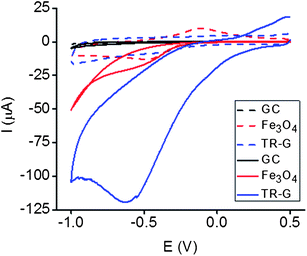
Metal-based impurities in graphenes: application for electroanalysis

We show here that metallic impurities presented in graphenes prepared from graphite can be usefully employed for electroanalysis. We demonstrate that cumene hydroperoxide electrochemical reduction on graphene containing iron-based impurities provides significantly larger voltammetric currents than the same experiment using iron oxide nanoparticles. This opens doors for turning metallic impurities into potentially useful components of …

Metal-based impurities in graphenes: application for electroanalysis Read More »

Nanoporous carbon as a sensing platform for DNA detection: The use of impedance spectroscopy for hairpin-DNA based assay

Nanoporous carbons represent well defined materials with large surface area, defined porosity, high electrical conductivity and fast heterogeneous electron transfer rates. These materials are seldom used for sensing and even more rarely for biosensing. We for the first time show the application of nanoporous carbon using electrochemical impedance spectroscopy technique to detect DNA hybridization and …

Nanoporous carbon as a sensing platform for DNA detection: The use of impedance spectroscopy for hairpin-DNA based assay Read More »

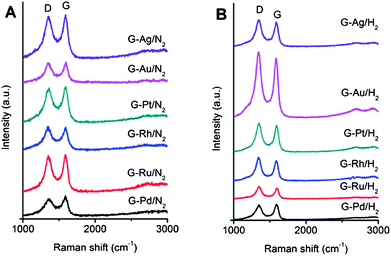
Noble metal (Pd, Ru, Rh, Pt, Au, Ag) doped graphene hybrids for electrocatalysis

Metal decorated graphene materials are highly important for catalysis. In this work, noble metal doped-graphene hybrids were prepared by a simple and scalable method. The thermal reductions of metal doped-graphite oxide precursors were carried out in nitrogen and hydrogen atmospheres and the effects of these atmospheres as well as the metal components on the characteristics …

Noble metal (Pd, Ru, Rh, Pt, Au, Ag) doped graphene hybrids for electrocatalysis Read More »

Thermally reduced graphenes exhibiting a close relationship to amorphous carbon

Graphene is an important material for sensing and energy storage applications. Since the vast majority of sensing and energy storage chemical and electrochemical systems require bulk quantities of graphene, thermally reduced graphene oxide (TRGO) is commonly employed instead of pristine graphene. The sp(2) planar structure of TRGO is heavily damaged, consisting of a very short …

Thermally reduced graphenes exhibiting a close relationship to amorphous carbon Read More »
Graphene for impedimetric biosensing

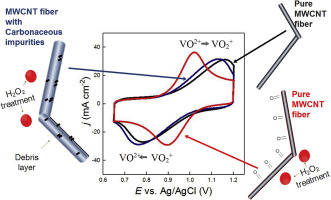
Graphene displays promising features for biosensing applications. Electrochemical impedance spectroscopy (EIS) is a very sensitive, label-free technique that is ideally suited to be coupled with a graphene platform. We discuss recent advances of graphene-based platforms for impedimetric genosensors and immunosensors. We also provide an overview on EIS and the preparation of graphene by different methods, …

Graphene for impedimetric biosensing Read More »

Impedimetric thrombin aptasensor based on chemically modified graphenes

Highly sensitive biosensors are of high importance to the biomedical field. Graphene represents a promising transducing platform for construction of biosensors. Here for the first time we compare the biosensing performance of a wide set of graphenes prepared by different methods. In this work, we present a simple and label-free electrochemical impedimetric aptasensor for thrombin …

Impedimetric thrombin aptasensor based on chemically modified graphenes Read More »
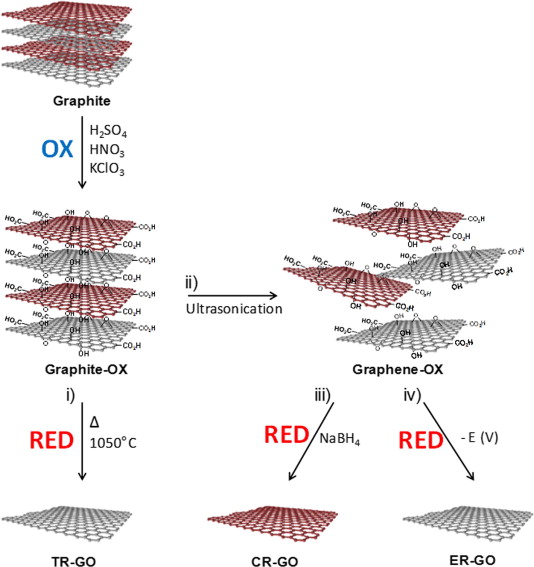
Graphene materials preparation methods have dramatic influence upon their capacitance

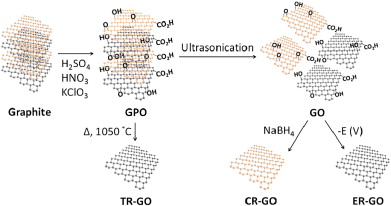
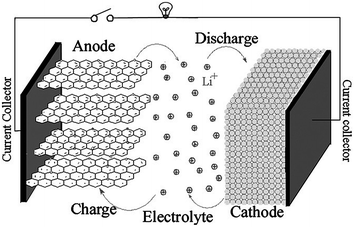
Graphene related materials are widely expected to play a major role as materials for the construction of supercapacitors. We demonstrate here that graphene oxides prepared by various well-established methods exhibit dramatically different capacitances. We exfoliated graphite oxide sonographically to graphene oxide (GO) and we reduced GO by chemical or electrochemical means to chemically reduced graphene …

Graphene materials preparation methods have dramatic influence upon their capacitance Read More »