Year: 2011

Amorphous Carbon Impurities Play an Active Role in Redox Processes of Carbon Nanotubes

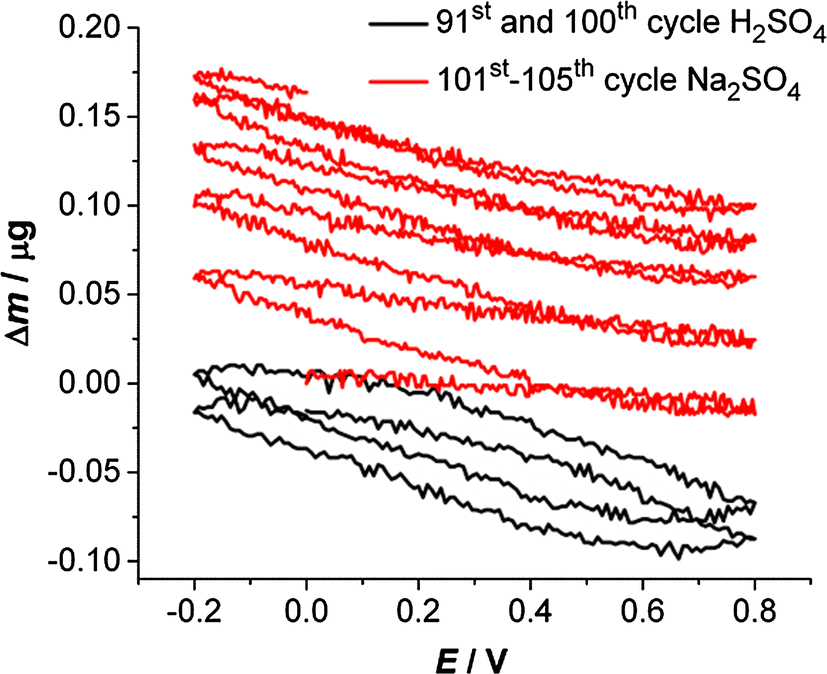
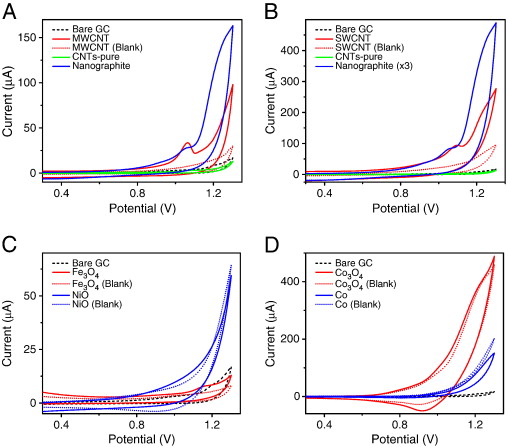
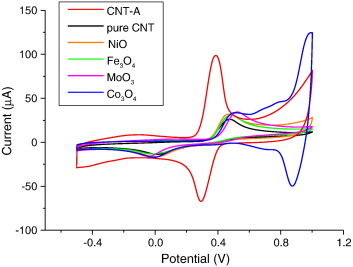
Carbon nanotubes (CNTs) produced via chemical vapor deposition (CVD) generally contain significant amounts of impurities ranging from residual metallic catalysts to nanographitic and amorphous carbon debris. Here, we show that in addition to the graphitic portion of impurities, also the amorphous carbon impurities significantly alter the electrochemical behavior of CNTs. We use a particular type …

Amorphous Carbon Impurities Play an Active Role in Redox Processes of Carbon Nanotubes Read More »


External-Energy-Independent Polymer Capsule Motors and Their Cooperative Behaviors

The design and development of mobile nano-, micro-, and millimeter-scale autonomous systems have been perused over several decades. Here, we introduce a millimeter-sized polymer capsule motor with specific features and functionalities. It runs without any external energy sources or the consumption of external fuels such as H2O2 or glucose. The occurrence of motion is due …

External-Energy-Independent Polymer Capsule Motors and Their Cooperative Behaviors Read More »

Influence of Methyl Substituent Position on Redox Properties of Nitroaromatics Related to 2,4,6-Trinitrotoluene

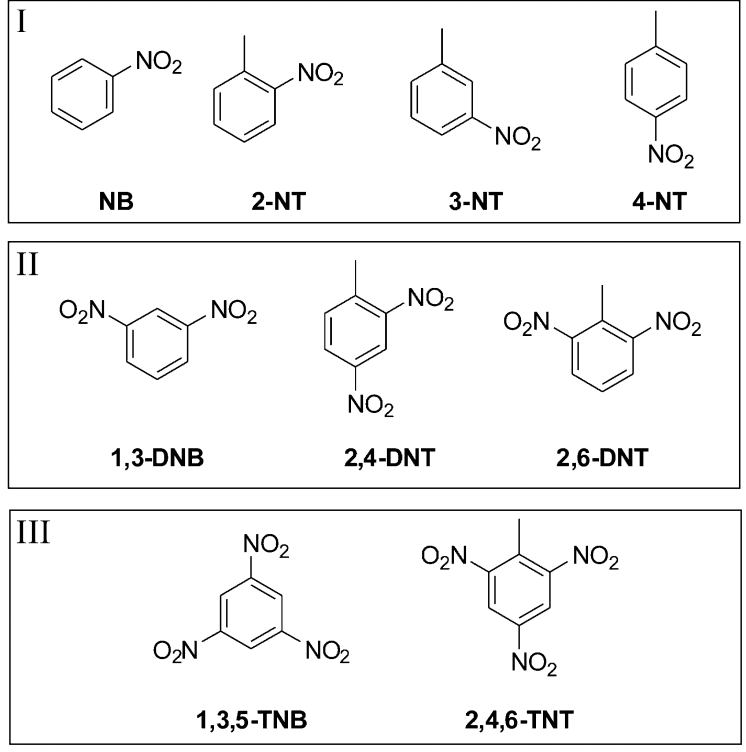
The environmental remediation of military installation sites is very important due to frequently large presence of carcinogenic derivatives of explosives in the ground and in ground waters. These nitroaromatic explosives and their derivatives are assessed by sensing devices. It is highly important to have insight on the reasons affecting the reduction potentials of these compounds. …

Influence of Methyl Substituent Position on Redox Properties of Nitroaromatics Related to 2,4,6-Trinitrotoluene Read More »

On reproducibility of preparation of basal plane pyrolytic graphite electrode surface

The basal plane pyrolytic graphite (BPPG) electrode is widely used as a “standard” electrode for studies of electrochemical activity of graphite, graphene and carbon nanotubes. We compared here different methods for preparation of the surface of BPPG using statistical analysis of the data. We showed that including/omitting of polishing step or including/omitting of acetone washing …

On reproducibility of preparation of basal plane pyrolytic graphite electrode surface Read More »

Graphene Oxides Exhibit Limited Cathodic Potential Window Due to Their Inherent Electroactivity

Graphene oxides are considered to show great promise for the construction of high-performance electrochemical devices for sensing and energy storage applications. Herein, we show that, despite the advantages of graphene oxides, such as facile preparation in bulk quantities and enhanced electrochemical performances, these electrode materials, namely, graphene oxide, chemically reduced graphene oxide, and graphite oxide, …

Graphene Oxides Exhibit Limited Cathodic Potential Window Due to Their Inherent Electroactivity Read More »

Electrochemistry at Chemically Modified Graphenes

Electrochemical applications of graphene are of great interest to many researchers as they can potentially lead to crucial technological advancements in fabrication of electrochemical devices for energy production and storage, and highly sensitive sensors. There are many routes towards fabrication of bulk quantities of chemically modified graphenes (CMG) for applications such as electrode materials. Each …

Electrochemistry at Chemically Modified Graphenes Read More »
Regulatory peptides desmopressin and glutathione voltammetric determination on nickel oxide modified electrodes

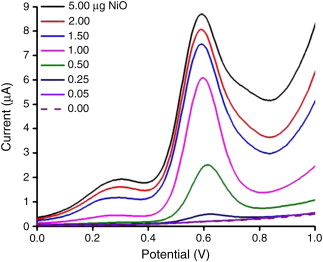
The determination of important regulatory peptides containing disulphidic bridge and thiols are of much interest. We investigated, via differential pulse voltammetry, the use of glassy carbon electrodes modified with nickel(II) oxide nanoparticles for electrocatalytic oxidation of L-glutathione and desmopressin. Linear response in the range of 0.2 to 6.0 mM of L-glutathione was observed, which brackets …

Regulatory peptides desmopressin and glutathione voltammetric determination on nickel oxide modified electrodes Read More »

Platelet graphite nanofibers/soft polymer composites for electrochemical sensing and biosensing

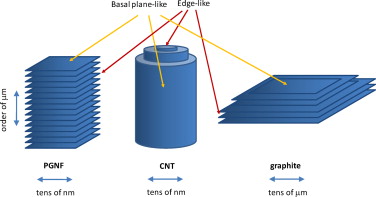
The fabrication and attractive sensing and biosensing performance of platelet graphite nanofibers/polysulfone (PGNF/PSf) composite nanomaterials is described. The PGNF/PSf nanocomposites were fabricated by facile phase-inversion method. Their electrochemical performance was compared to the one of carbon nanotubes/PSf and graphite microparticles/PSf composite. It was clearly demonstrated that PGNF/PSf provides superior voltammetric and amperometric performance for sensing …

Platelet graphite nanofibers/soft polymer composites for electrochemical sensing and biosensing Read More »

On the Origin of the Solid-State Thermochromism and Thermal Fatigue of Polycyclic Overcrowded Enes

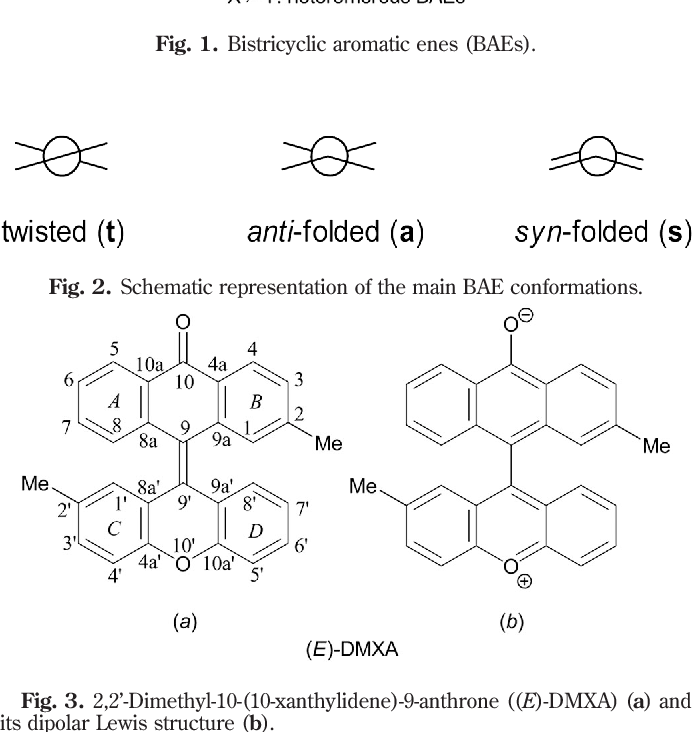
Aimed at unraveling the relative contribution of the folding, twisting and bending in the mechanism of the solid-state thermochromism of overcrowded polycyclic aromatic enes (PAEs), the structures of two typical heteromeric and homomeric representatives, 2-(thioxanthen-9-ylidene)indane-1,3-dione (1) and 9,9′-bi-9(10H)-anthracenylidene-10,10′-dione (bianthrone, 2), were studied by temperature-resolved single crystal X-ray diffraction (120-530 K) and solid-state UV-visible spectroscopy. Aside …

On the Origin of the Solid-State Thermochromism and Thermal Fatigue of Polycyclic Overcrowded Enes Read More »
Nanographitic impurities are responsible for electrocatalytic activity of carbon nanotubes towards oxidation of carbamazepine

Carbamazepine is one of the most extensively prescribed drug and its residues can be found in the ground and surface waters. Recently, a new method for the sensitive “electrocatalytic” determination of carbamazepine on carbon nanotube electrodes was developed. We demonstrate here that the reported excellent electrocatalytic properties of carbon nanotubes for the oxidation of carbamazepine …

Nanographitic impurities are responsible for electrocatalytic activity of carbon nanotubes towards oxidation of carbamazepine Read More »

Electron hopping rate measurements in ITO junctions: Charge diffusion in a layer-by-layer deposited ruthenium(II)-bis(benzimidazolyl)pyridine-phosphonate-TiO2 film

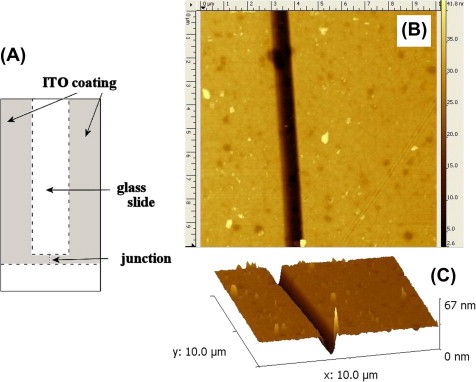
Focused ion beam (FIB) machining allowed a sub-micron trench to be cut through tin-doped indium oxide (ITO) film on glass to give a generator – collector junction electrode with narrow gap (ca. 600 nm). A layer-by-layer deposited film composed of a dinuclear ruthenium(II)-bis(benzimidazolyl)pyridine-phosphonate (as the negative component) and nanoparticulate TiO2 (ca. 6 nm diameter, as …

Electron hopping rate measurements in ITO junctions: Charge diffusion in a layer-by-layer deposited ruthenium(II)-bis(benzimidazolyl)pyridine-phosphonate-TiO2 film Read More »
Signal Transducers and Enzyme Cofactors are Susceptible to Oxidation by Nanographite Impurities in Carbon Nanotube Materials

Carbon nanotubes (CNTs) are often employed in biofuel cells, artificial photosystems and bioelectronics in order to enhance electron transfer and to efficiently shuttle electrons between redox active molecules and the electrode surface. However, it should be noted that typical CNTs are highly heterogeneous materials, containing large amounts of impurities. Herein, we report the influence of …

Signal Transducers and Enzyme Cofactors are Susceptible to Oxidation by Nanographite Impurities in Carbon Nanotube Materials Read More »
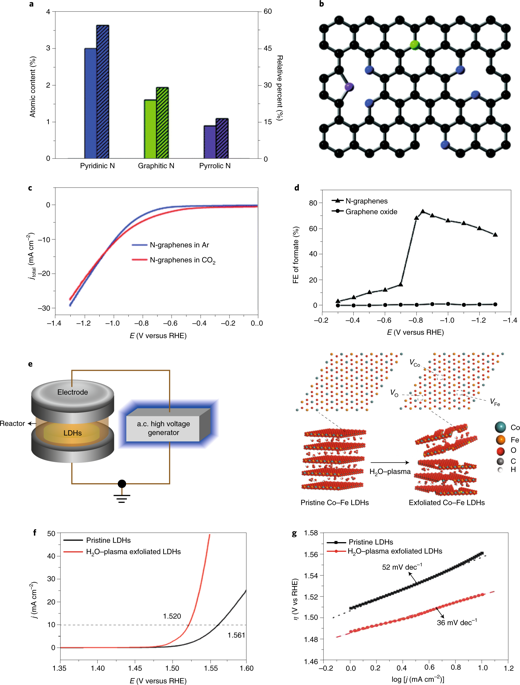
Graphene based nanomaterials as electrochemical detectors in Lab-on-a-chip devices

Graphene related materials have received significant attention as new and advantageous materials for electrochemistry. Here we present an evaluation of graphene oxide amperometric detectors in microfluidics devices and we compare the results to those obtained at graphite microparticles and bare glassy carbon electrodes. We evaluate the influence on peak currents (sensitivity) and peak width (resolution …

Graphene based nanomaterials as electrochemical detectors in Lab-on-a-chip devices Read More »

Carbon nanotubes can exhibit negative effects in electroanalysis due to presence of nanographite impurities

Carbon nanotubes are widely used in electroanalysis. There is a significant interest in the determination of dopamine in the presence of its interference, ascorbic acid. It has been claimed that CNTs modified electrodes can solve this analytical problem as the oxidation of ascorbic acid at their surfaces occurs at a significantly lower potential than the …

Carbon nanotubes can exhibit negative effects in electroanalysis due to presence of nanographite impurities Read More »

Nanographite Impurities within Carbon Nanotubes are responsible for their Stable and Sensitive Response Toward Electrochemical Oxidation of Phenols

Electrochemists employ carbon nanotube surfaces to achieve highly stable and sensitive electrochemical detection of phenols. There is a large amount of interest in the electrochemical oxidation of phenolic compounds, especially for environmental detection. Herein, we investigate the reasons behind the observed stable and sensitive response on carbon nanotube surfaces. We unambiguously demonstrate that the reported …

Nanographite Impurities within Carbon Nanotubes are responsible for their Stable and Sensitive Response Toward Electrochemical Oxidation of Phenols Read More »

Nanogold Spacing of Stacked Graphene Nanofibers for Supercapacitors

Graphene exhibits great potential for energy storage devices in electrochemical supercapacitors as it is a lightweight, inexpensive material. However, as graphene nanomaterials are prone to stacking and therefore blocking electroactive sites, its real capacity is low. Recently, there has been a significant interest in quasi 1D structures of carbon nanofibers with radially oriented graphene sheets, …

Nanogold Spacing of Stacked Graphene Nanofibers for Supercapacitors Read More »

Graphene Platform for Hairpin-DNA-Based Impedimetric Genosensing

There is enormous need for sensitive and selective detection of single nucleotide polymorphism of a DNA strand as this issue is related to many major diseases and disorders, such as Parkinson’s and Alzheimer’s disease. To achieve sensitivity and selectivity of the detection, a highly sensitive transducer of the signal with high surface area is required. …

Graphene Platform for Hairpin-DNA-Based Impedimetric Genosensing Read More »

Graphene-based nanomaterials for energy storage

There is enormous interest in the use of graphene-based materials for energy storage. This article discusses the progress that has been accomplished in the development of chemical, electrochemical, and electrical energy storage systems using graphene. We summarize the theoretical and experimental work on graphene-based hydrogen storage systems, lithium batteries, and supercapacitors. Even though the research …

Graphene-based nanomaterials for energy storage Read More »
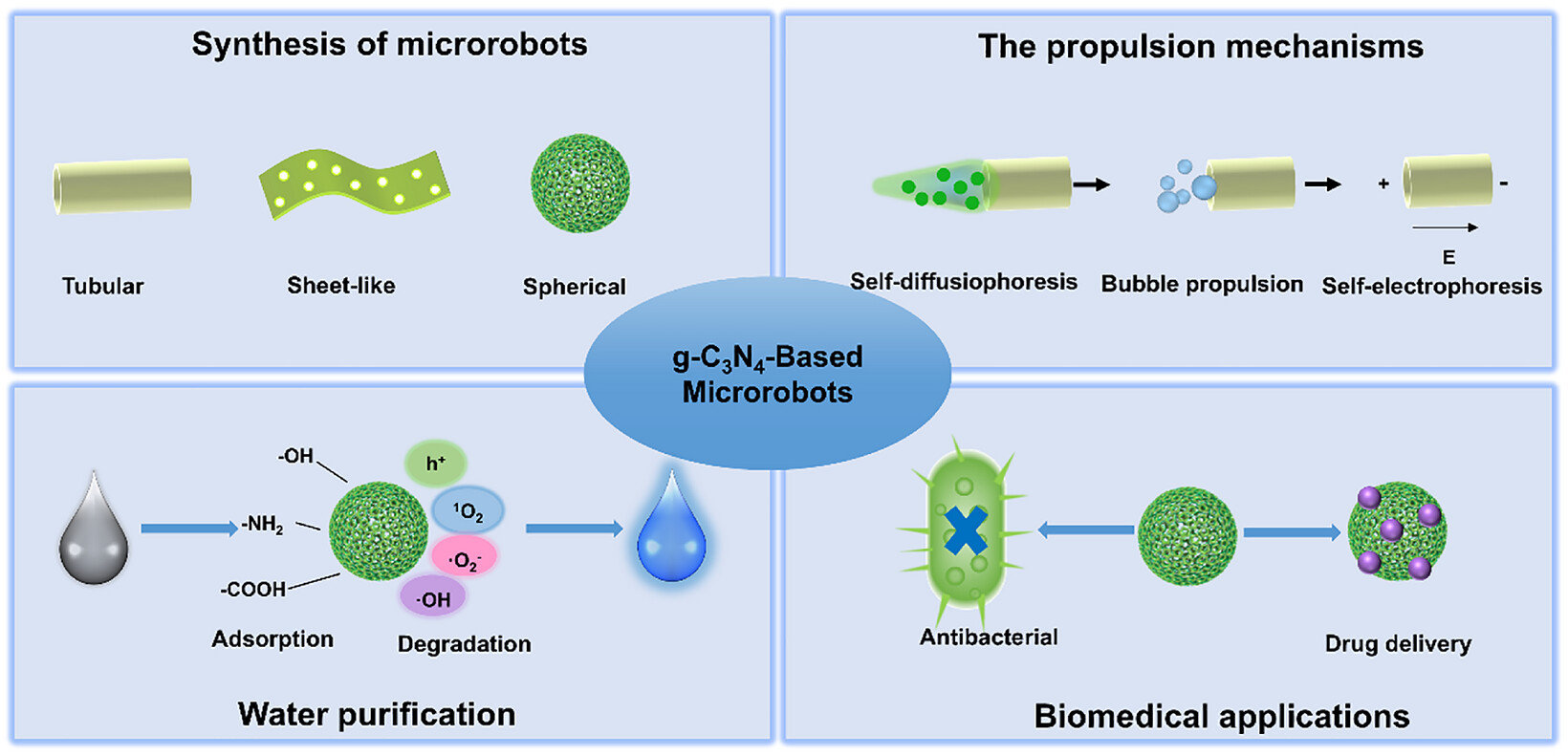
Electroanalytical parameters of carbon nanotubes are inferior with respect to well defined surfaces of glassy carbon and EPPG

This paper reports on the electroanalytical parameters of single – (SWCNT), double – (DWCNT) and multi-walled carbon nanotubes (MWCNT) compared with the standard, well defined surfaces of glassy carbon (GC) and edge-plane pyrolytic graphite (EPPG) electrodes. Such parameters include repeatability, sensitivity and linearity of the analytical response, and selectivity of the materials using differential pulse …

Electroanalytical parameters of carbon nanotubes are inferior with respect to well defined surfaces of glassy carbon and EPPG Read More »

Nanotoxicology: The Molecular Science Point of View

Research on nanotoxicity is of extremely high scientific, social, and economic value. As nanomaterial-based products enter the market, there is an urgent need for related research in order to prevent dramatic consequences of any health-oriented issues caused by nanotechnology-driven products. The results of research on nanotoxicity have profound significance because the design of nanomaterials used …

Nanotoxicology: The Molecular Science Point of View Read More »

Molybdenum metallic nanoparticle detection via differential pulse voltammetry

Direct electrochemical detection of nanoparticles is of high importance of analytical chemistry and nanotechnology. We show here that molybdenum nanoparticles are readily oxidizable in phosphate buffer of neutral pH at -5 mV (vs. Ag/AgCl). This open doors for direct detection of molybdenum with important implications for the use molybdenum nanoparticles as labels in electrochemical biosensors. …

Molybdenum metallic nanoparticle detection via differential pulse voltammetry Read More »

Graphene in biosensing

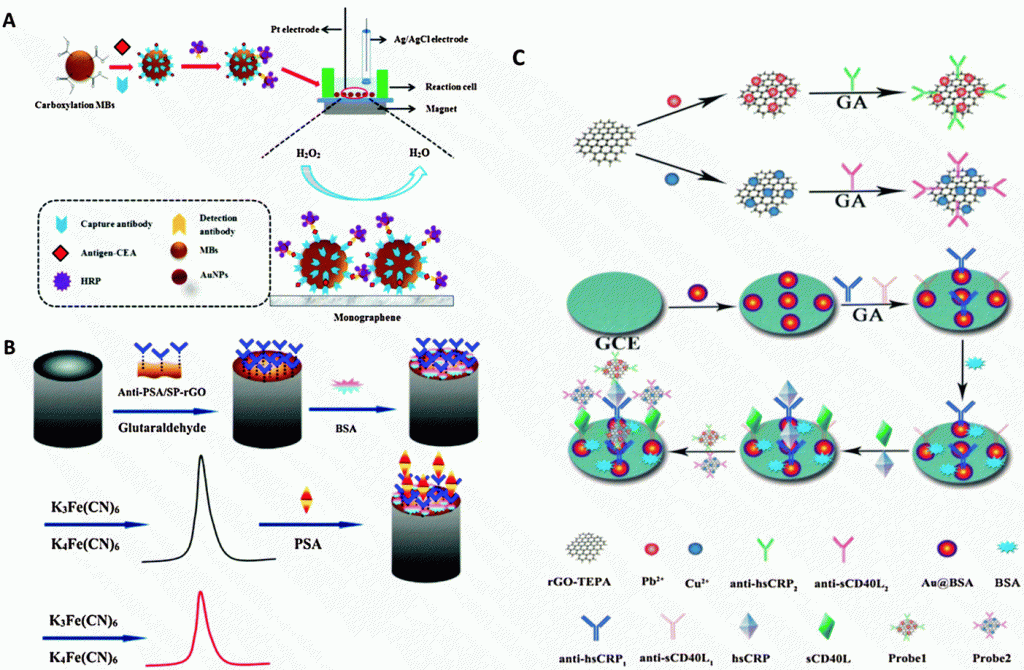
Biosensing is paramount for improving the quality of human life. Biosensors and biosensing protocols are able to detect a wide range of compounds, sensitively and selectively, with applications in security, health care for point-of-care analyses of diseases, and environmental safety. Here, we describe biosensors and biosensing systems employing graphene. Graphene is a zero-gap semiconductor material, …

Graphene in biosensing Read More »

Influence of gold nanoparticle size (2-50 nm) upon its electrochemical behavior: an electrochemical impedance spectroscopic and voltammetric study

The electrochemical behavior of different size gold nanoparticles (AuNPs) was investigated. AuNPs with 2, 5, 10, 15, 20 and 50 nm diameters were immobilized onto a screen printed carbon electrode surface by physical adsorption. The impedimetric response was measured for different diameter AuNPs at a fixed value of their surface area, at the same content …

Influence of gold nanoparticle size (2-50 nm) upon its electrochemical behavior: an electrochemical impedance spectroscopic and voltammetric study Read More »

Enhanced diffusion of pollutants by self-propulsion

Current environmental models mostly account for the passive participation of pollutants in their environmental propagation. Here we demonstrate the paradigm-changing concept that pollutants can propagate themselves with a rate that is greater than the rate for standard molecular diffusion by five orders of magnitude.

Graphene-based electrochemical sensor for detection of 2,4,6-trinitrotoluene (TNT) in seawater: the comparison of single-, few-, and multilayer graphene nanoribbons and graphite microparticles

The detection of explosives in seawater is of great interest. We compared response single-, few-, and multilayer graphene nanoribbons and graphite microparticle-based electrodes toward the electrochemical reduction of 2,4,6-trinitrotoluene (TNT). We optimized parameters such as accumulation time, accumulation potential, and pH. We found that few-layer graphene exhibits about 20% enhanced signal for TNT after accumulation …

Graphene-based electrochemical sensor for detection of 2,4,6-trinitrotoluene (TNT) in seawater: the comparison of single-, few-, and multilayer graphene nanoribbons and graphite microparticles Read More »

Chemically-modified graphenes for oxidation of DNA bases: analytical parameters

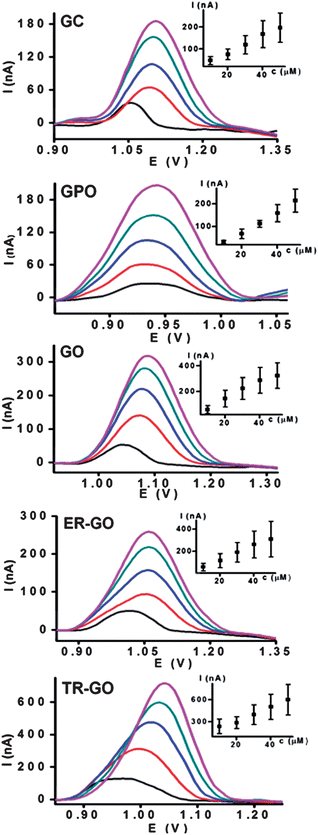
We studied the electroanalytical performances of chemically-modified graphenes (CMGs) containing different defect densities and amounts of oxygen-containing groups, namely graphite oxide (GPO), graphene oxide (GO), thermally reduced graphene oxide (TR-GO) and electrochemically reduced graphene oxide (ER-GO) by comparing the sensitivity, selectivity, linearity and repeatability towards the oxidation of DNA bases. We have observed that for …

Chemically-modified graphenes for oxidation of DNA bases: analytical parameters Read More »

Impurities within carbon nanotubes govern the electrochemical oxidation of substituted hydrazines

Electrochemistry and electrocatalysis on carbon nanomaterials is at the forefront of research. The presence of carbonaceous and metallic impurities within carbon nanotubes (CNTs) is a persistent problem. Here we show that the electrochemistry of the entire group of hydrazine compounds is governed by impurities within single-walled, double-walled and few-walled CNTs. The oxidation of organic substituted …

Impurities within carbon nanotubes govern the electrochemical oxidation of substituted hydrazines Read More »

Nanomaterials meet microfluidics

Nanomaterials and lab-on-a-chip platforms have undergone enormous development during the past decade. Here, we present an overview of how microfluidics benefited from the use of nanomaterials for the enhanced separation and detection of analytes. We also discuss how nanomaterials benefit from microfluidics in terms of synthesis and in terms of the simulation of environments for …

Nanomaterials meet microfluidics Read More »

Direct Determination of Bioavailable Molybdenum in Carbon Nanotubes

Bioavailable residual metallic impurities within carbon nanotubes (CNTs) are responsible for the toxicity of CNTs. Herein we present a method for fast, sensitive determination of bioavailable molybdenum residual catalyst impurities within CNTs by using electrochemical oxidation in neutral pH buffers at low potentials. This method is unique because no other method can rapidly distinguish between …

Direct Determination of Bioavailable Molybdenum in Carbon Nanotubes Read More »