Year: 2009

What amount of metallic impurities in carbon nanotubes is small enough not to dominate their redox properties?

As carbon nanotubes become a part of everyday life, the paramount questions about then toxicity persist While it has been proven that a significant part of the toxicity of carbon nanotubes is due to the redox activity of the residual metallic impurities present within them, there is still no response to the fundamental question of …
What amount of metallic impurities in carbon nanotubes is small enough not to dominate their redox properties? Read More »

Germanium-oxide-coated carbon nanotubes

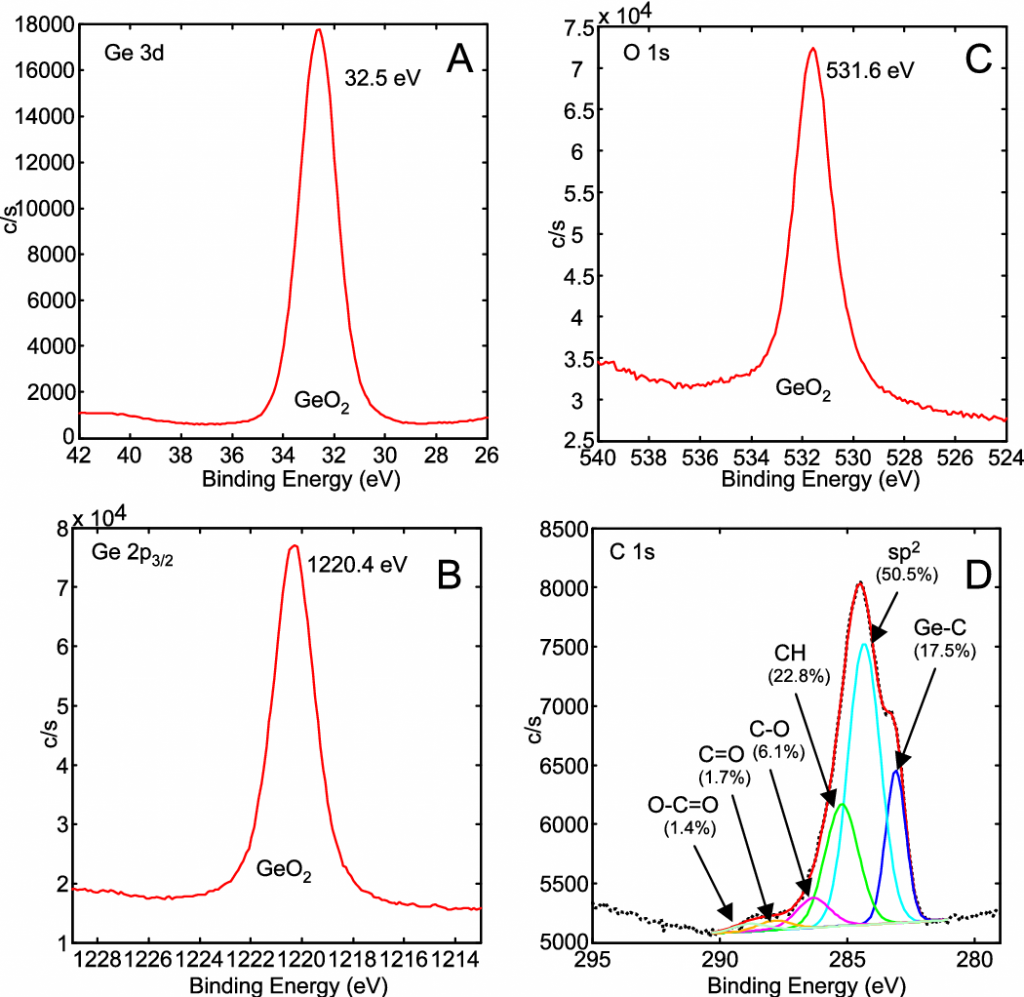
An ultrathin coating of individual multi-wall carbon nanotubes with germanium oxide was developed. Coated carbon nanotubes were prepared by in situ gelation of tetramethoxy germanium, forming an amorphous germanium oxide layer. The resulting germanium oxide/carbon nanotube nanocables were characterized by transmission electron microscopy (TEM), TEM/energy-dispersive x-ray spectroscopy, x-ray photoelectron spectroscopy (XPS) and current-voltage measurements. The …

Germanium-oxide-coated carbon nanotubes Read More »

Nanomaterials as electrochemical detectors in microfluidics and CE: Fundamentals, designs, and applications

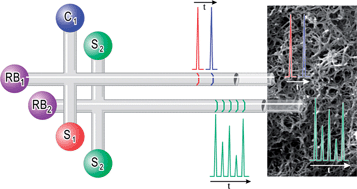
The different approaches for constructing nanomaterial-based detectors for conventional CE and microchip electrophoresis are described in this review. They include three main types of nanomaterials, including carbon nanotubes, nanoparticles, and nanorods in various designs. The fundamental reasons for the enhanced detection performance of nanomaterial-based detectors, such as higher sensitivity, improved limits of detection, and higher …

Nanomaterials as electrochemical detectors in microfluidics and CE: Fundamentals, designs, and applications Read More »

Effects of heterogeneous electron-transfer rate on the resolution of electrophoretic separations based on microfluidics with end-column electrochemical detection

We demonstrate here that the electrode kinetics of an electrochemical detector contributes greatly to the resolution of the analyte bands in microchip electrophoresis systems with amperometric detection. The separation performance in terms of resolution and theoretical plate number can be improved and tailored by selecting or modifying the working electrode and/or by controlling the detection …

Effects of heterogeneous electron-transfer rate on the resolution of electrophoretic separations based on microfluidics with end-column electrochemical detection Read More »

Influence of Nitric Acid Treatment of Carbon Nanotubes on Their Physico-Chemical Properties

We report a systematic evaluation of the influence of the use of nitric acid at elevated temperature (80 degrees C) as purification and functionalization treatment for four different types of multi wall carbon nanotubes (MWCNTs) and for carbon microparticles upon their physico-chemical properties. We used BET, Raman spectroscopy, high resolution X-ray photoelectron spectroscopy and electrochemical …

Influence of Nitric Acid Treatment of Carbon Nanotubes on Their Physico-Chemical Properties Read More »

Multicomponent Metallic Impurities and Their Influence upon the Electrochemistry of Carbon Nanotubes

Multicomponent metallic residual catalyst impurities, which are present within carbon nanotubes even after their purification with mineral acid, are responsible for the observed “electrocatalytic” oxidation of hydrazine on carbon nanotubes. We demonstrate that in the case where multicomponent Co/Mo/Fe impurities are present within double-walled carbon nanotubes (DWCNTs), all three impurity components govern the electrochemical response …

Multicomponent Metallic Impurities and Their Influence upon the Electrochemistry of Carbon Nanotubes Read More »

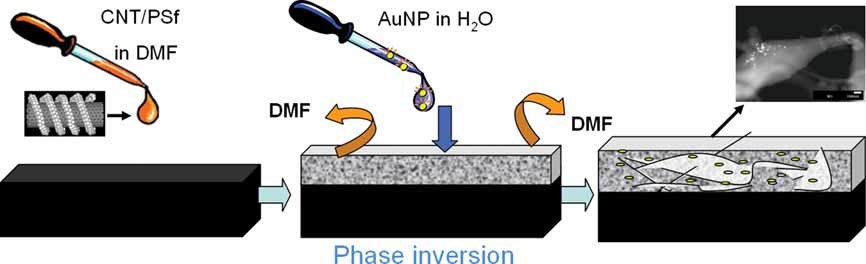
Carbon nanotube/polysulfone soft composites: preparation, characterization and application for electrochemical sensing of biomarkers

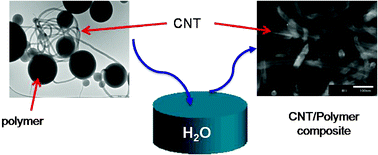
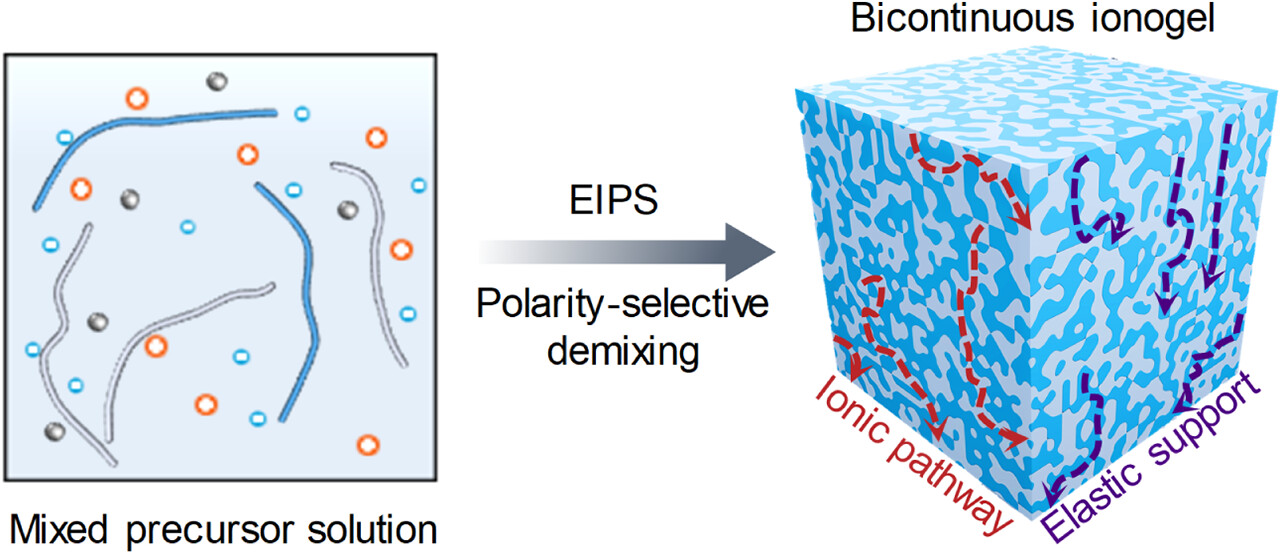
Multi-walled carbon nanotube/polysulfone soft composites (MWCNT/PSf) prepared via phase inversion are a novel platform for electrochemical and electroanalytical purposes with practical applications in the design of screen-printed electrodes for electrochemical sensing. We present here a thorough characterization of the morphological, physical, chemical and electrochemical properties of this material. These composites constitute a robust mesoporous network …

Carbon nanotube/polysulfone soft composites: preparation, characterization and application for electrochemical sensing of biomarkers Read More »

The Electrochemistry of Carbon Nanotubes: Fundamentals and Applications

Carbon nanotubes (CNTs) are in the forefront of electrochemical research. It has become clear that an understanding of the fundamental reasons for the electrochemical activity of CNTs is essential for further progress in the field. This review provides a critical discussion of the fundamental reasons behind the electrochemical and “electrocatalytic” activity of CNTs as well …

The Electrochemistry of Carbon Nanotubes: Fundamentals and Applications Read More »

Ultrathin Organically Modified Silica Layer Coated Carbon Nanotubes: Fabrication, Characterization and Electrical Insulating Properties

This paper describes the use of organically modified silica (ormosil) for the Ultrathin nanoprecise coating of individual multiwall carbon nanotubes using a soft-chemistry approach. Hybrid organic/inorganic ormosil nano-coated carbon nanotubes were Successfully prepared by in-situ deposition of 3-aminopropyltrimethoxysilane or N-methylaminopropyltrimethoxysilane in an aqueous suspension by means of their electrostatic interactions with carboxylic group functionalized multiwall …

Ultrathin Organically Modified Silica Layer Coated Carbon Nanotubes: Fabrication, Characterization and Electrical Insulating Properties Read More »

Metallic Impurities within Residual Catalyst Metallic Nanoparticles Are in Some Cases Responsible for “Electrocatalytic” Effect of Carbon Nanotubes

We show that in some cases, the metallic impurities within residual catalyst metallic nanoparticle impurities, which remain in carbon nanotubes from their synthesis even after purification, are responsible for “electrocatalytic” properties of carbon nanotubes. Ibis is demonstrated in an example of double-walled carbon nanotubes (DWCNTs) containing cobalt residual catalyst nanoparticle impurities, which themselves contain iron-based …

Metallic Impurities within Residual Catalyst Metallic Nanoparticles Are in Some Cases Responsible for “Electrocatalytic” Effect of Carbon Nanotubes Read More »

The preferential electrocatalytic behaviour of graphite and multiwalled carbon nanotubes on enediol groups and their analytical implications in real domains

Carbon nanotubes (CNTs) possess preferential ‘electrocatalytic’ properties that affect the oxidation of enediol groups, establishing a relationship between electrocatalysis and chemical structure. Since this chemical structure occurs in analytes involved in high impact areas such as the pharmaceutical, cosmetic, and food safety industries, this preferential electrochemical behaviour was demonstrated using both standard and selected real-world …

The preferential electrocatalytic behaviour of graphite and multiwalled carbon nanotubes on enediol groups and their analytical implications in real domains Read More »

Lab-on-a-chip for ultrasensitive detection of carbofuran by enzymatic inhibition with replacement of enzyme using magnetic beads

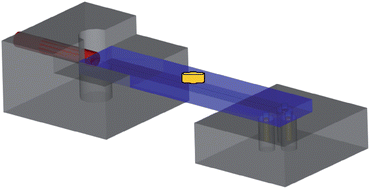
In this paper an ultrasensitive method to determine toxicity due to pesticides in a glass lab-on-a-chip by means of enzymatic inhibition of acetylcholinesterase immobilised on magnetic beads is described. The reproducible insertion of a controlled amount of enzyme-coupled magnetic beads inside the chip channel and their immobilisation in a capture region with the aid of …

Lab-on-a-chip for ultrasensitive detection of carbofuran by enzymatic inhibition with replacement of enzyme using magnetic beads Read More »

Towards lab-on-a-chip approaches in real analytical domains based on microfluidic chips/electrochemical multi-walled carbon nanotube platforms

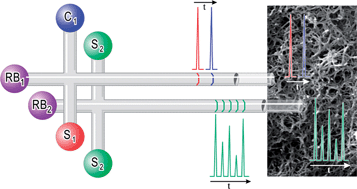
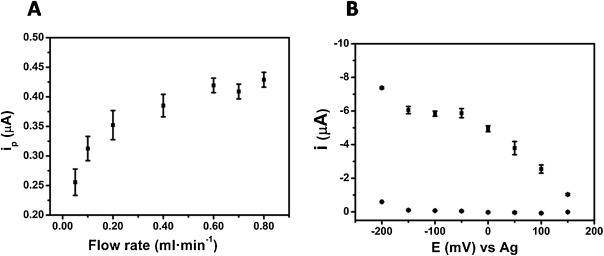
“Lab-on-a-chip” approaches based on the novel marriage between an electrokinetic microfluidic platform and nanotechnology is proposed for analytical domains. Conceptually, the analytical challenges are linked with the analytical promises offered from the integration of lab-on-a-chip and nanotechnologies. The analytical suitability of the electrokinetic microfluidic platform with multi-walled carbon nanotubes as detectors is proposed based on …

Towards lab-on-a-chip approaches in real analytical domains based on microfluidic chips/electrochemical multi-walled carbon nanotube platforms Read More »

Electrochemistry of Graphene: New Horizons for Sensing and Energy Storage

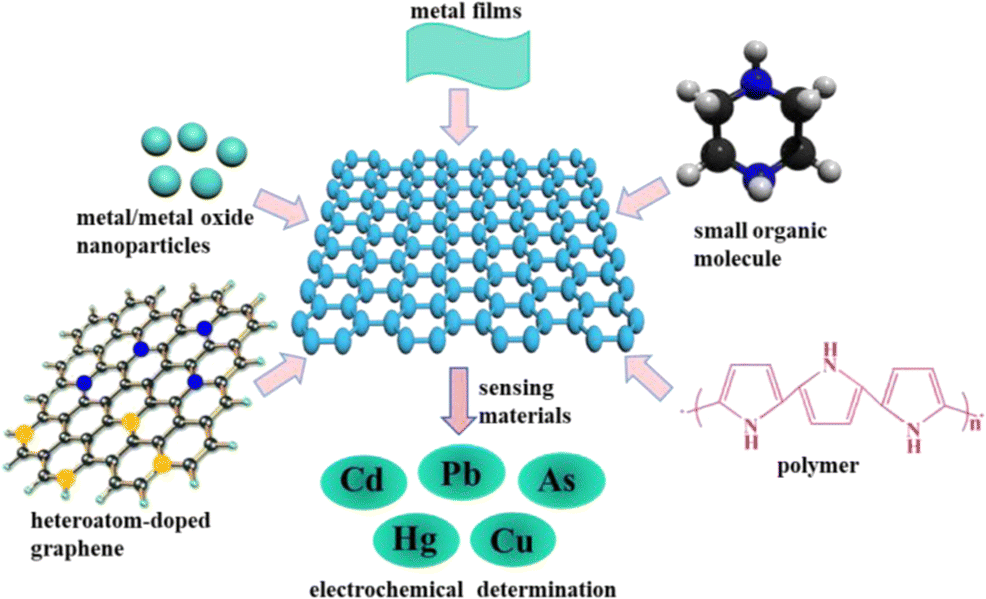
Graphene is a new 2D nanomaterial with outstanding material, physical, chemical, and electrochemical properties. In this review, we first discuss the methods of preparing graphene sheers and their chemistry. Following that, the fundamental reasons governing the electrochemistry of graphene are meaningfully described Graphene is all excellent. electrode material with the advantages of conductivity and electrochemistry …

Electrochemistry of Graphene: New Horizons for Sensing and Energy Storage Read More »

Electrochemical activation of carbon nanotube/polymer composites

Electrochemical activation of carbon nanotube/polysulfone composite electrodes for enhanced heterogeneous electron transfer is studied. The physicochemical insight into the electrochemical activation of carbon nanotube/polymer composites was provided by transmission electron microscopy, Raman spectroscopy, electrochemical impedance spectroscopy, and cyclic voltammetry. Dopamine, ascorbic acid, NADH, and ferricyanide are used as a model redox system for evaluating the …

Electrochemical activation of carbon nanotube/polymer composites Read More »

Nanorobots: The Ultimate Wireless Self-Propelled Sensing and Actuating Devices

Natural motor proteins, “bionanorobots,” have inspired researchers to develop artificial nanomachines (nanorobots) able to move autonomously by the conversion of chemical to mechanical energy. Such artificial nanorobots are self-propelled by the electrochemical decomposition of the fuel (up to now, hydrogen peroxide). Several approaches have been developed to provide nanorobots with some functionality, such as for …

Nanorobots: The Ultimate Wireless Self-Propelled Sensing and Actuating Devices Read More »