Year: 2001

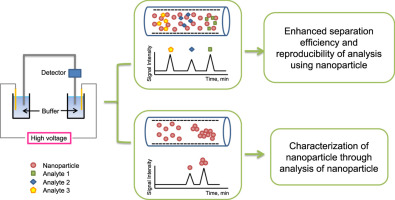
Gold nanoparticle-enhanced microchip capillary electrophoresis

We describe here the use of gold nanoparticles in conjunction with chip-based capillary electrophoresis to improve the selectivities between solutes and to increase the efficiency of the separation. We coated the microchannel wall of a microfluidic device with a layer of poly(diallyldimethylammonium chloride) (PDADMAC) and then collected on it citrate-stabilized gold nanoparticles. The resolutions and …

Gold nanoparticle-enhanced microchip capillary electrophoresis Read More »
Determination of cyclodextrins and their derivatives by capillary electrophoresis with indirect UV and conductivity detection

A fast and simple capillary electrophoretic method suitable for the determination of native alpha-, beta-, gamma -cyclodextrins their randomly substituted tert-butyl derivatives (average degree of substitution 3.8 – 4.4), heptakis (2,6-di-O-methyl)- and heptakis (2,3,6-tri-O-methyl)-beta -cyclodextrin was developed. Naphthyl-2-sulfonic acid (2-NSA). 3-iodobenzoic acid (3-IBA) and (1S)-1-phenylethylamine (PHEA) were tested as selective complex forming and UV absorbing …

Determination of cyclodextrins and their derivatives by capillary electrophoresis with indirect UV and conductivity detection Read More »

Comparison of association constants of cyclodextrins and their tert-butyl derivatives with halogenbenzoic acids and acridine derivatives.

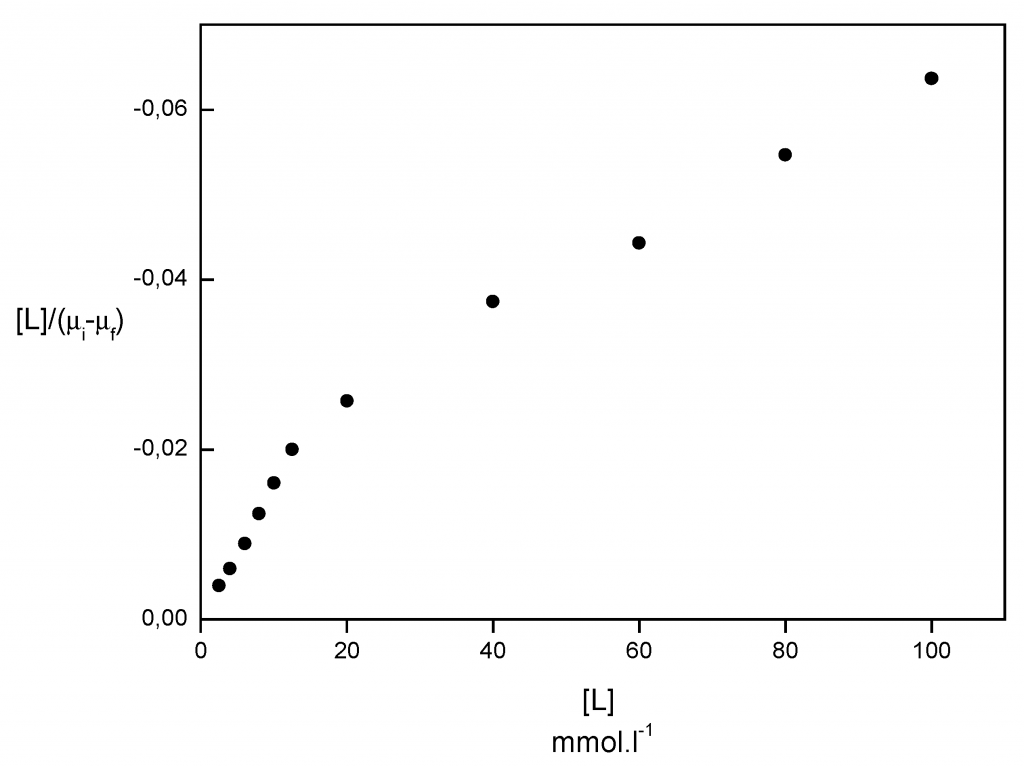
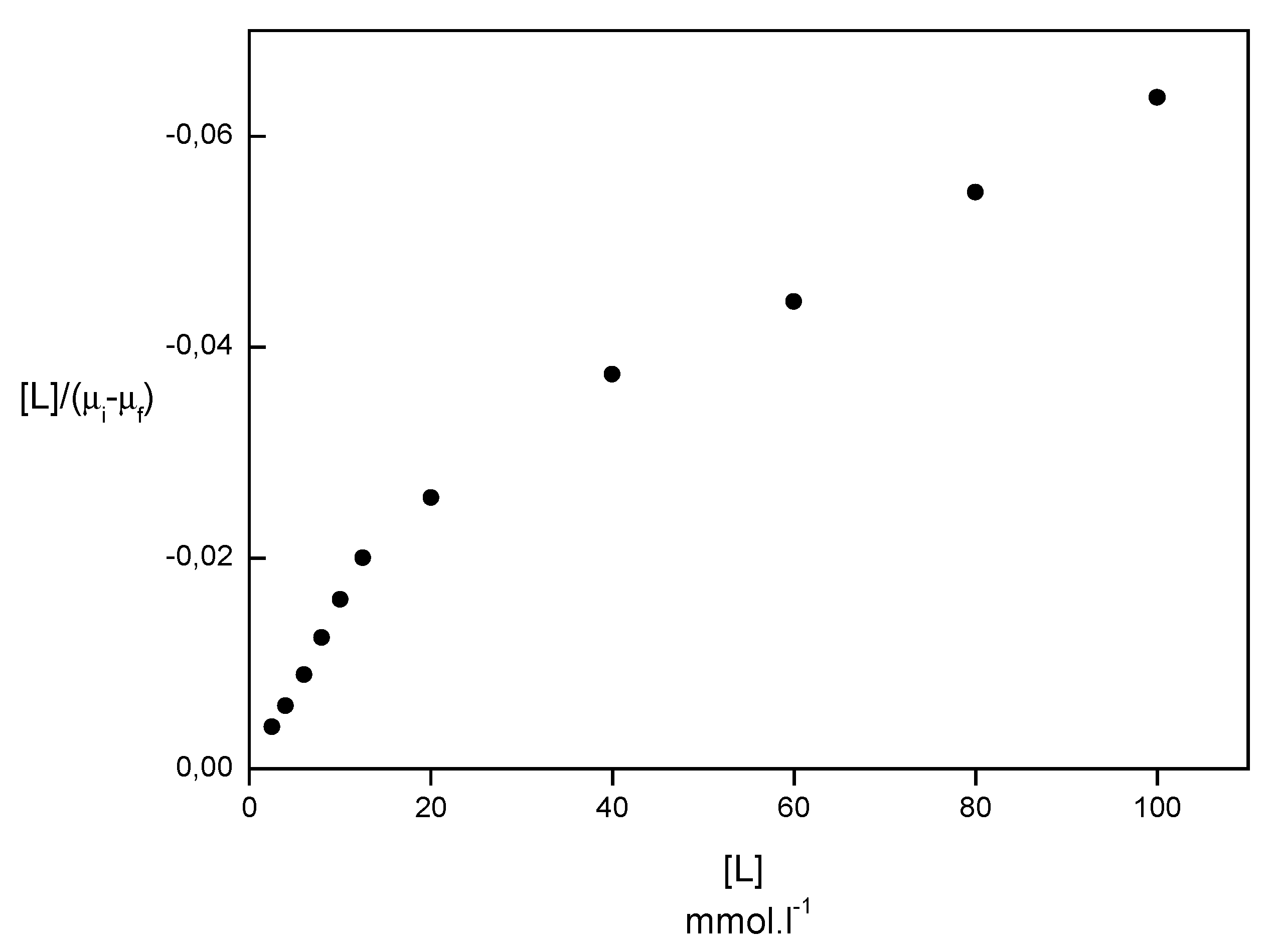
Association constants of complexes of a new class of cyclodextrin alkyl derivatives – randomly substituted tert-butyl derivatives (TB-CDs) with complete set of mono-halobenzoic acids and acridine derivatives were measured using capillary electrophoresis and compared with association constants of natural cyclodextrins. In most cases the association constants of natural cyclodextrin and its corresponding tert-butyl derivative were …

Comparison of association constants of cyclodextrins and their tert-butyl derivatives with halogenbenzoic acids and acridine derivatives. Read More »

Determination of amino derivatives of polycyclic aromatic hydrocarbons using capillary electrophoresis

A simple and sensitive capillary electrophoretic method was developed for the separation and determination of selected carcinogenic amino derivatives of polycyclic aromatic hydrocarbons. The influence of pH and content of methanol in the background electrolyte on electrophoretic mobilities of 2-aminofluorene, 2,7-diaminofluorene, I-aminonaphthalene, I-aminopyrene and 6-aminochrysene was studied. The detection limits were estimated to be 2.5 …

Determination of amino derivatives of polycyclic aromatic hydrocarbons using capillary electrophoresis Read More »