Keyword Author: synthetic methods

Graphene Oxide: Carbocatalyst or Reagent?

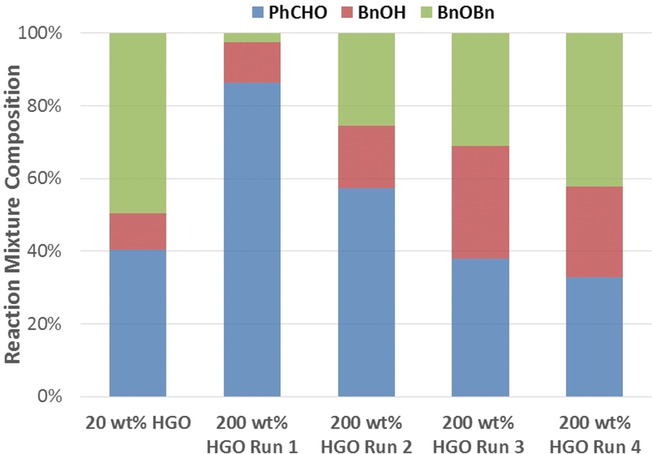
Metal-free heterogeneous carbon-based materials have the potential to facilitate a wide range of organic transformations in an economical and environmentally-friendly manner. However, the mechanism of their action is often obfuscated by their ill-defined nature, so careful analysis of the reaction products is essential before they can be labelled “catalysts” in accordance with the IUPAC definition. …

Graphene Oxide: Carbocatalyst or Reagent? Read More »

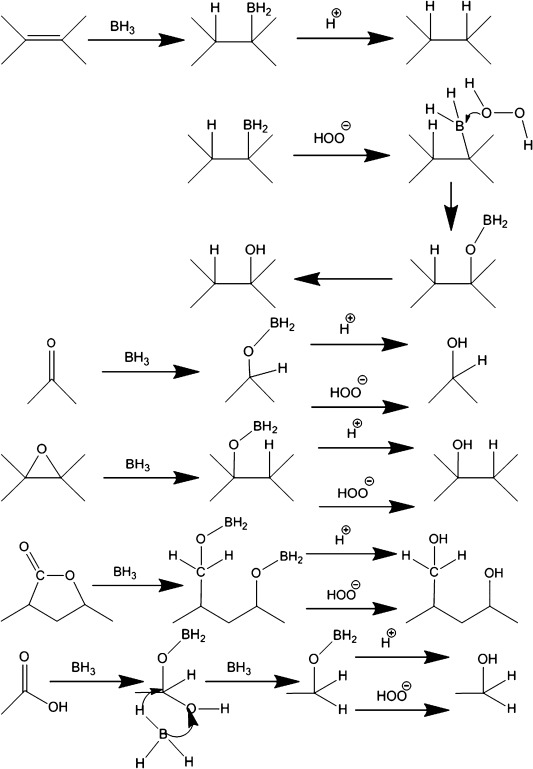
Hydroboration of Graphene Oxide: Towards Stoichiometric Graphol and Hydroxygraphane

Covalently functionalized graphene materials with well-defined stoichiometric composition are of a very high importance in the research of 2D carbon material family due to their well-defined properties. Unfortunately, most of the contemporary graphene-functionalized materials do not have this kind of defined composition and, usually, the amount of heteroatoms bonded to graphene framework is in the …

Hydroboration of Graphene Oxide: Towards Stoichiometric Graphol and Hydroxygraphane Read More »

Chemical Preparation of Graphene Materials Results in Extensive Unintentional Doping with Heteroatoms and Metals

Chemical synthesis of graphene relies on the usage of various chemical reagents. The initial synthesis step, in which graphite is oxidized to graphite oxide, is achieved by a combination of chemical oxidants and acids. A subsequent chemical reduction step eliminates/reduces most oxygen functionalities to yield graphene. We demonstrate here that these chemical treatments significantly contaminate …

Chemical Preparation of Graphene Materials Results in Extensive Unintentional Doping with Heteroatoms and Metals Read More »

Rational Design of Carboxyl Groups Perpendicularly Attached to a Graphene Sheet: A Platform for Enhanced Biosensing Applications

Graphene oxide (GO)-based materials offer great potential for biofunctionalization with applications ranging from biosensing to drug delivery. Such biofunctionalization utilizes specific functional groups, typically a carboxyl moiety, as anchoring points for biomolecule. However, due to the fact that the exact chemical structure of GO is still largely unknown and poorly defined (it was postulated to …

Rational Design of Carboxyl Groups Perpendicularly Attached to a Graphene Sheet: A Platform for Enhanced Biosensing Applications Read More »

The Toxicity of Graphene Oxides: Dependence on the Oxidative Methods Used

Graphene, a class of two-dimensional carbon nanomaterial, has attracted extensive interest in recent years, with a significant amount of research focusing on graphene oxides (GOs). They have been primed as potential candidates for biomedical applications such as cell labeling and drug delivery, thus the toxicity and behavior of graphene oxides in biological systems are fundamental …

The Toxicity of Graphene Oxides: Dependence on the Oxidative Methods Used Read More »