Keyword Author: surface chemistry

Covalent Functionalization of Exfoliated Arsenic with Chlorocarbene

Few-layer and monolayer arsenic (arsenene) materials have been attracting great attention mainly from a theoretical perspective. Chemical modification of these materials would expand significantly the range of their applications. Here, we describe a chlorocarbene-mediated modification of exfoliated layered arsenic materials. Carbene-based species are highly reactive and offer further possibilities of functionalization. Our approach for modifying …

Covalent Functionalization of Exfoliated Arsenic with Chlorocarbene Read More »
The Covalent Functionalization of Layered Black Phosphorus by Nucleophilic Reagents

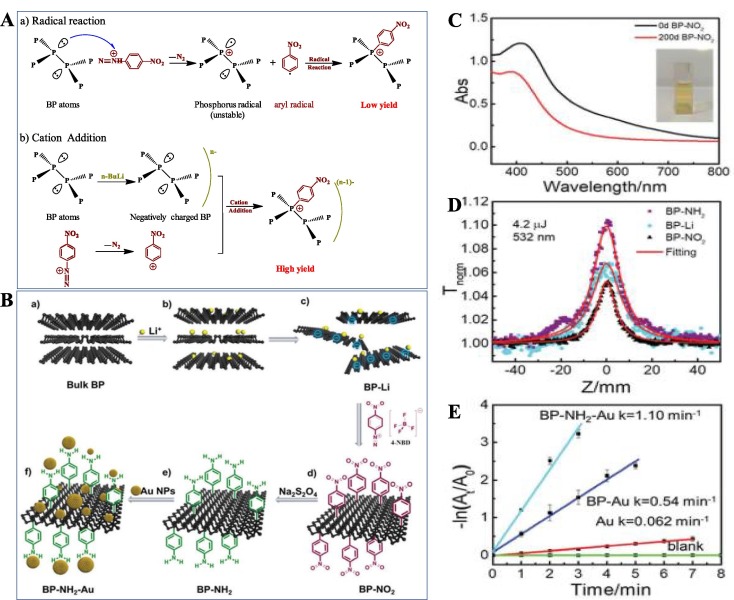
Layered black phosphorus has been attracting great attention due to its interesting material properties which lead to a plethora of proposed applications. Several approaches are demonstrated here for covalent chemical modifications of layered black phosphorus in order to form P-C and P-O-C bonds. Nucleophilic reagents are highly effective for chemical modification of black phosphorus. Further …

The Covalent Functionalization of Layered Black Phosphorus by Nucleophilic Reagents Read More »

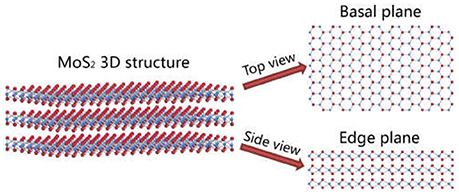
Pristine Basal-and Edge-Plane-Oriented Molybdenite MoS2 Exhibiting Highly Anisotropic Properties

The layered structure of molybdenum disulfide (MoS2) is structurally similar to that of graphite, with individual sheets strongly covalently bonded within but held together through weak van der Waals interactions. This results in two distinct surfaces of MoS2: basal and edge planes. The edge plane was theoretically predicted to be more electroactive than the basal …

Pristine Basal-and Edge-Plane-Oriented Molybdenite MoS2 Exhibiting Highly Anisotropic Properties Read More »

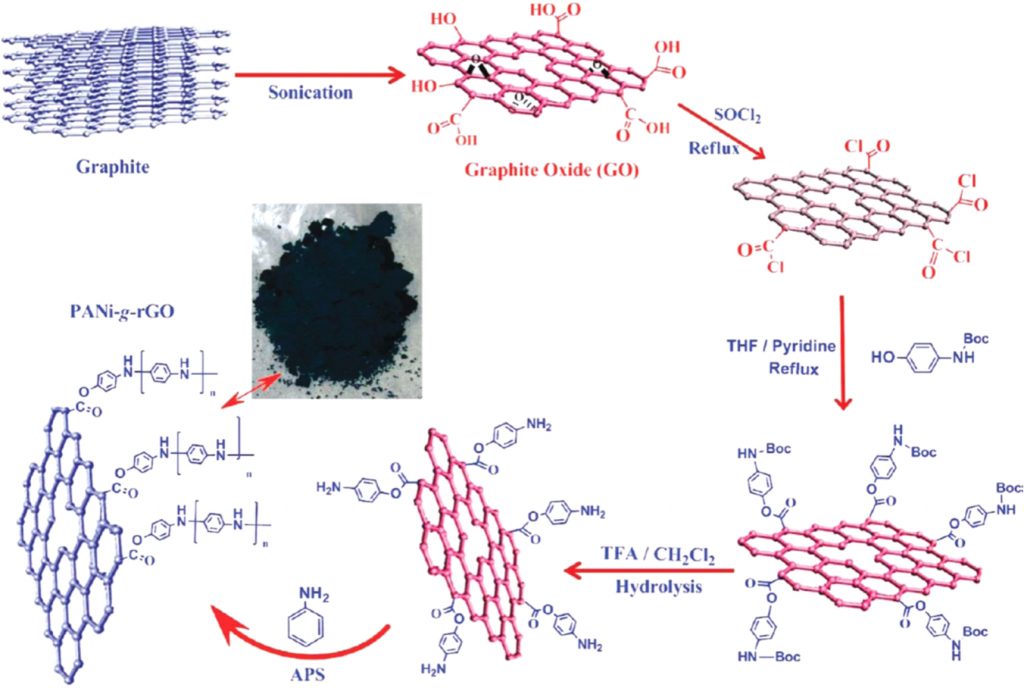
Friedel-Crafts Acylation on Graphene

There is an excitement around graphene as a promising new material for nanotechnological and nanoarchitectonic applications. Despite the low chemical reactivity of graphene, chemical functionalization remains a prominent and viable solution to tailor its chemical, physical, and electronic properties. Herein, we report the covalent functionalization of reduced graphene oxide through FriedelCrafts reactions under mild conditions …

Friedel-Crafts Acylation on Graphene Read More »

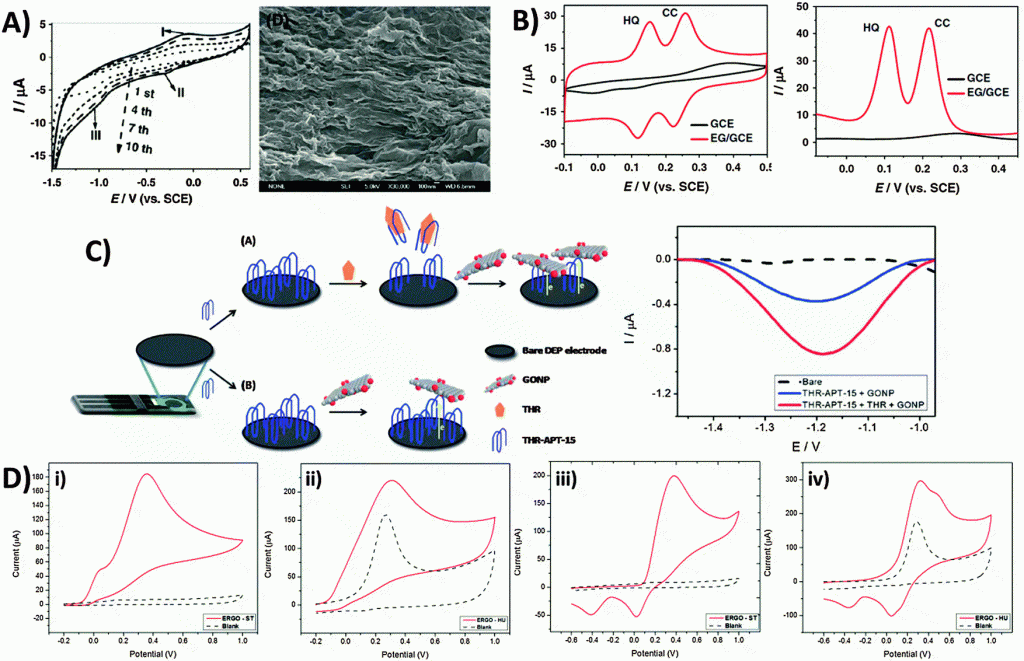
Inherent Electrochemistry and Activation of Chemically Modified Graphenes for Electrochemical Applications

Graphene research is currently at the frontier of electrochemistry. Many different graphene-based materials are employed by electrochemists as electrodes in sensing and in energy-storage devices. Because the methods for their preparation are inherently different, graphene materials are expected to exhibit different electrochemical behaviors depending on the functionalities and density of defects present. Electrochemical treatment of …

Inherent Electrochemistry and Activation of Chemically Modified Graphenes for Electrochemical Applications Read More »

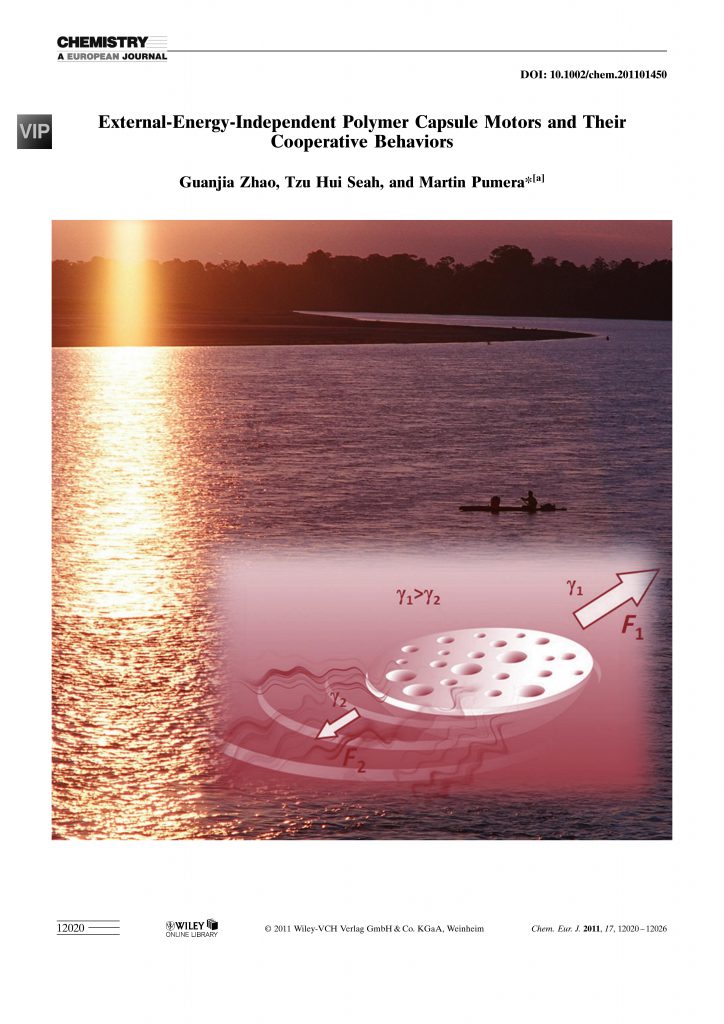
External-Energy-Independent Polymer Capsule Motors and Their Cooperative Behaviors

The design and development of mobile nano-, micro-, and millimeter-scale autonomous systems have been perused over several decades. Here, we introduce a millimeter-sized polymer capsule motor with specific features and functionalities. It runs without any external energy sources or the consumption of external fuels such as H2O2 or glucose. The occurrence of motion is due …

External-Energy-Independent Polymer Capsule Motors and Their Cooperative Behaviors Read More »