Keyword Author: magnetic microrobots

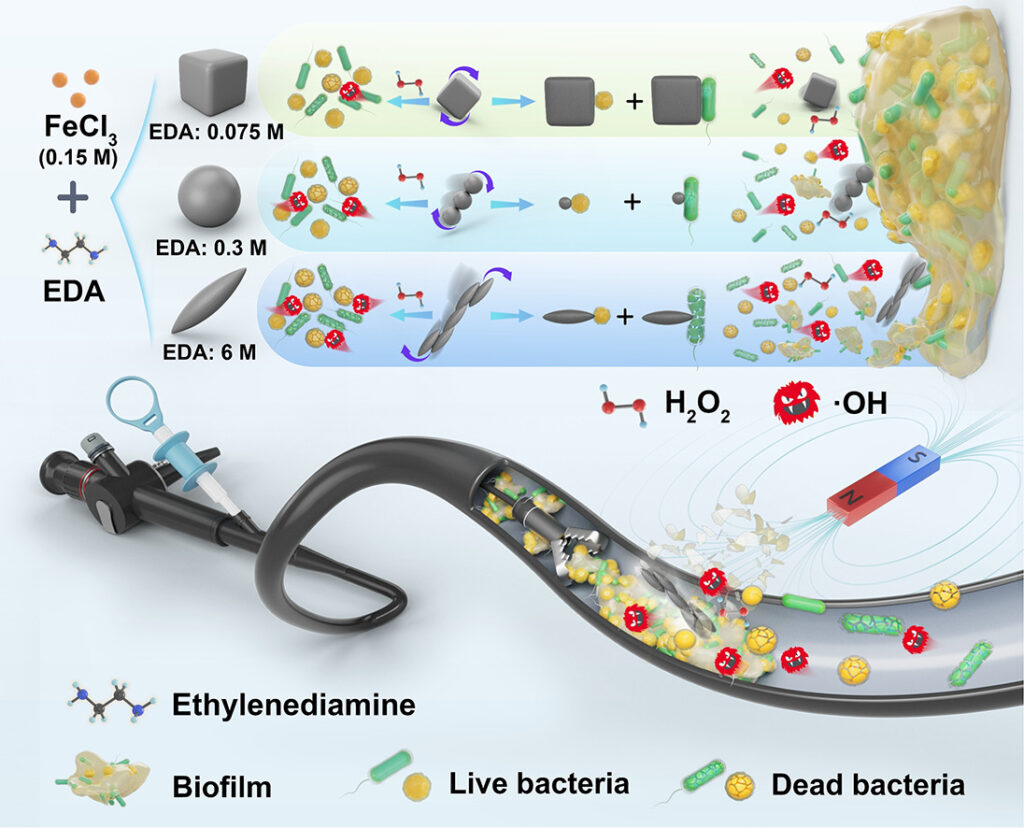
Shape-dependent magnetic-driven microrobots for biofilm-eradicating medical device disinfection through mechanical and chemical bactericidal action

Biomedical device-associated infections are a primary cause of clinical treatment failure, with persistent biofilm infections in the intricate architectures of medical devices further compounding the issue. In this work, we developed magnetite microrobots (Fe3O4 MRs) with various geometries, including cubic, spherical, and fusiform shapes, which integrate magnetically driven mechano-bactericidal performance with peroxidase (POD)-like catalytic activity …
Shape-dependent magnetic-driven microrobots for biofilm-eradicating medical device disinfection through mechanical and chemical bactericidal action Read More »

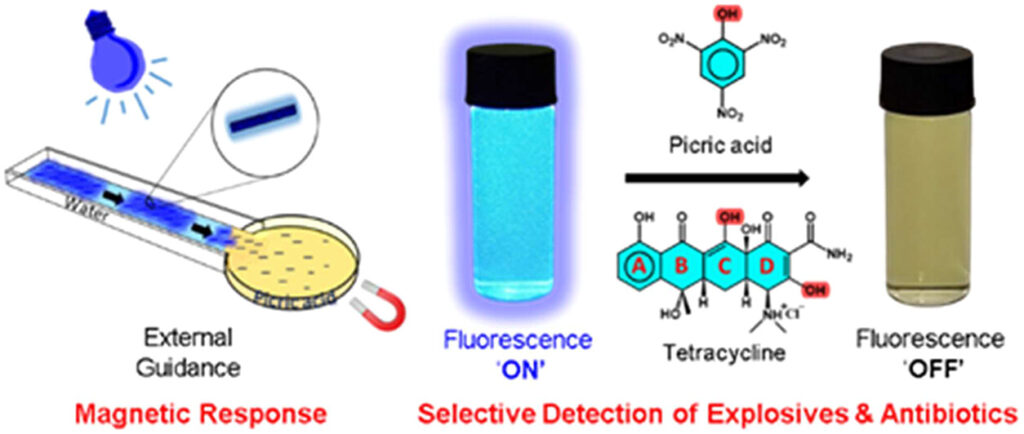
Magneto-Fluorescent Microrobots with Selective Detection Intelligence for High-Energy Explosives and Antibiotics in Aqueous Environments

Fluorescence-based sensing is a straightforward and powerful technique with high sensitivity for the detection of a wide range of chemical and biological analytes. Integrating the high sensing capabilities of fluorescent probes with wireless navigation systems can enable the extension of their operational range, even in challenging scenarios with limited accessibility or involving hazardous substances. This …

Magneto-Fluorescent Microrobots with Selective Detection Intelligence for High-Energy Explosives and Antibiotics in Aqueous Environments Read More »

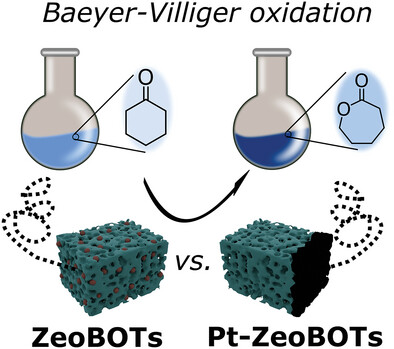
Microrobots Enhancing Synthetic Chemistry Reactions in Non-Aqueous Media

Catalysis is a foundational pillar of modern synthetic chemistry, essential for countless industrial processes. Traditional catalysts are often static, either immobilized or dispersed in fluid media. The innovative concept of catalytic microrobots allows the introduction of self-propelled and navigable catalyst particles that are engineered for dynamic and customizable catalysis. Catalytic microrobots are microscale devices with …

Microrobots Enhancing Synthetic Chemistry Reactions in Non-Aqueous Media Read More »

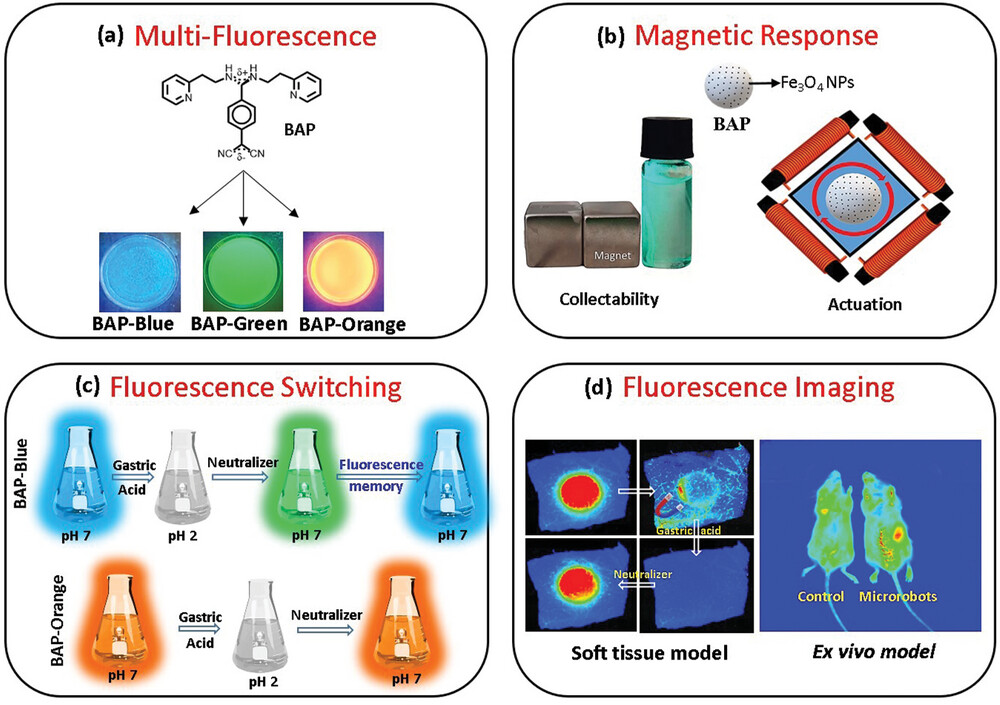
Intelligent Magnetic Microrobots with Fluorescent Internal Memory for Monitoring Intragastric Acidity

This study investigates the dynamic fluctuations of pH caused by gastric acid secretion, a process of both biological and clinical significance, with microrobots. Abnormal patterns of acidity often indicate gastrointestinal diseases, underlying the importance of precise intragastric pH monitoring. Traditional methods using fluorescent probes face challenges due to their faint solid-state fluorescence, limited target specificity, …

Intelligent Magnetic Microrobots with Fluorescent Internal Memory for Monitoring Intragastric Acidity Read More »