Keyword Author: chemical exfoliation

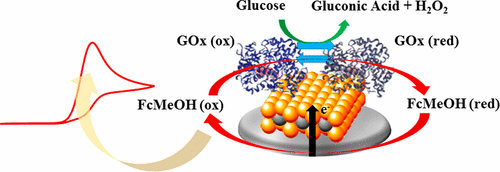
1T-Phase Transition Metal Dichalcogenides (MoS2, MoSe2, WS2, and WSe2) with Fast Heterogeneous Electron Transfer: Application on Second-Generation Enzyme-Based Biosensor

Two-dimensional transition metal dichalcogenides (TMDs) have been in the spotlight for their intriguing properties, including a tunable band gap and fast heterogeneous electron-transfer (HET) rate. Understandably, they are especially attractive in the field of electrochemical biosensors. In this article, HET capabilities of various TMDs (MoS2, MoSe2, WS2, and WSe2) within group VI chemically exfoliated via …
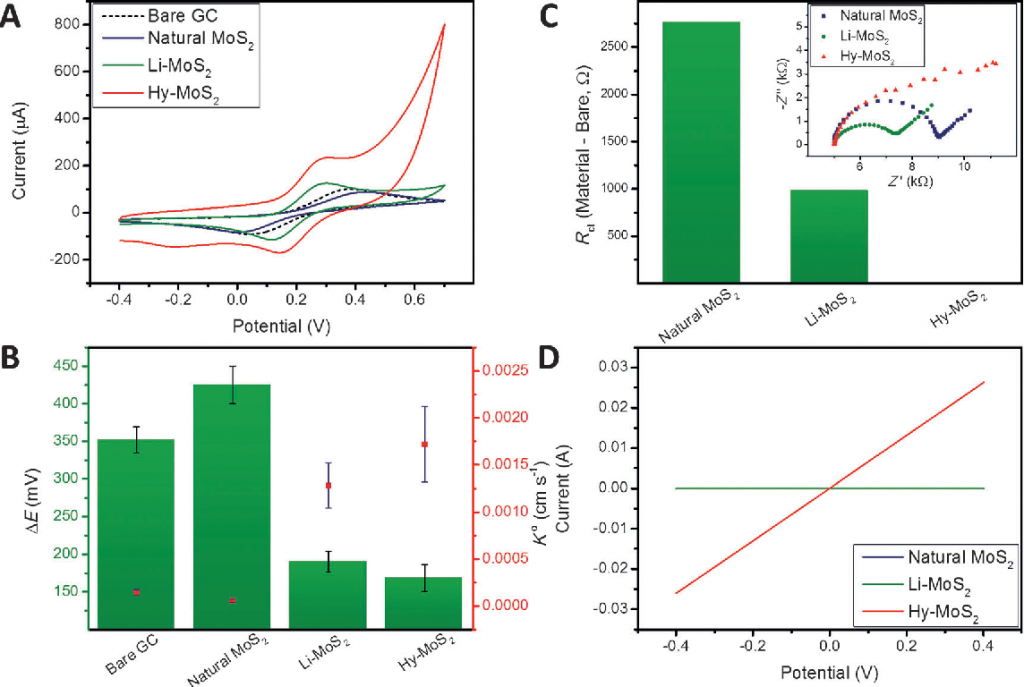
1T-Phase Transition Metal Dichalcogenides (MoS2, MoSe2, WS2, and WSe2) with Fast Heterogeneous Electron Transfer: Application on Second-Generation Enzyme-Based Biosensor Read More »

Top-Down and Bottom-Up Approaches in Engineering 1T Phase Molybdenum Disulfide (MoS2): Towards Highly Catalytically Active Materials

The metallic 1T phase of MoS2 has been widely identified to be responsible for the improved performances of MoS2 in applications including hydrogen evolution reactions and electrochemical supercapacitors. To this aim, various synthetic methods have been reported to obtain 1T phase-rich MoS2. Here, the aim is to evaluate the efficiencies of the bottom-up (hydrothermal reaction) …

Top-Down and Bottom-Up Approaches in Engineering 1T Phase Molybdenum Disulfide (MoS2): Towards Highly Catalytically Active Materials Read More »

Electrochemistry of Transition Metal Dichalcogenides: Strong Dependence on the Metal-to-Chalcogen Composition and Exfoliation Method

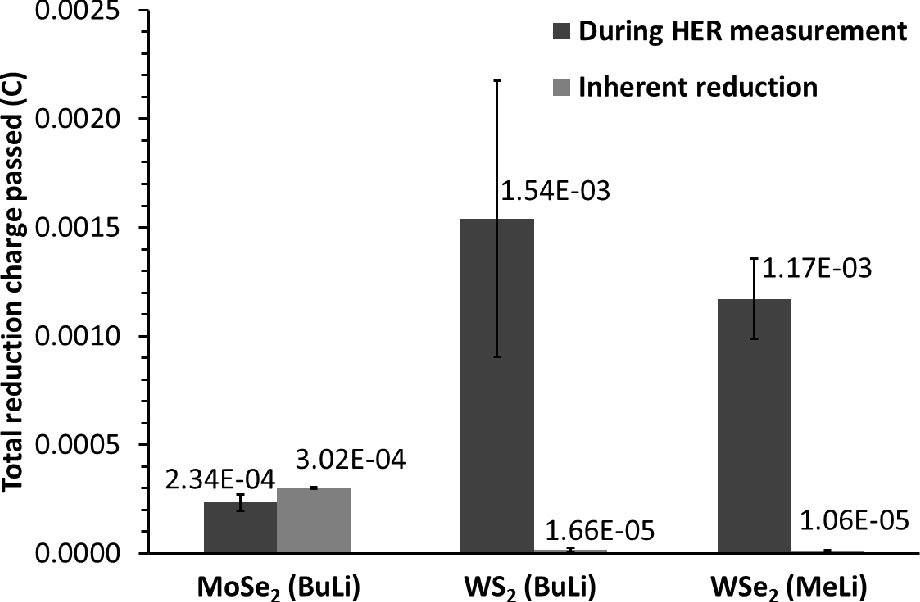
Beyond MoS2 as the first transition metal dichalcogenide (TMD) to have gained recognition as an efficient catalyst for the hydrogen evolution reaction (HER), interest in other TMD nanomaterials is steadily beginning to proliferate. This is particularly true in the field of electrochemistry, with a myriad of emerging applications ranging from catalysis to supercapacitors and solar …

Electrochemistry of Transition Metal Dichalcogenides: Strong Dependence on the Metal-to-Chalcogen Composition and Exfoliation Method Read More »