Keyword Author: carbon nanotubes

Nanomaterials Electrochemistry: Insights for Materials Scientists and Electrochemists

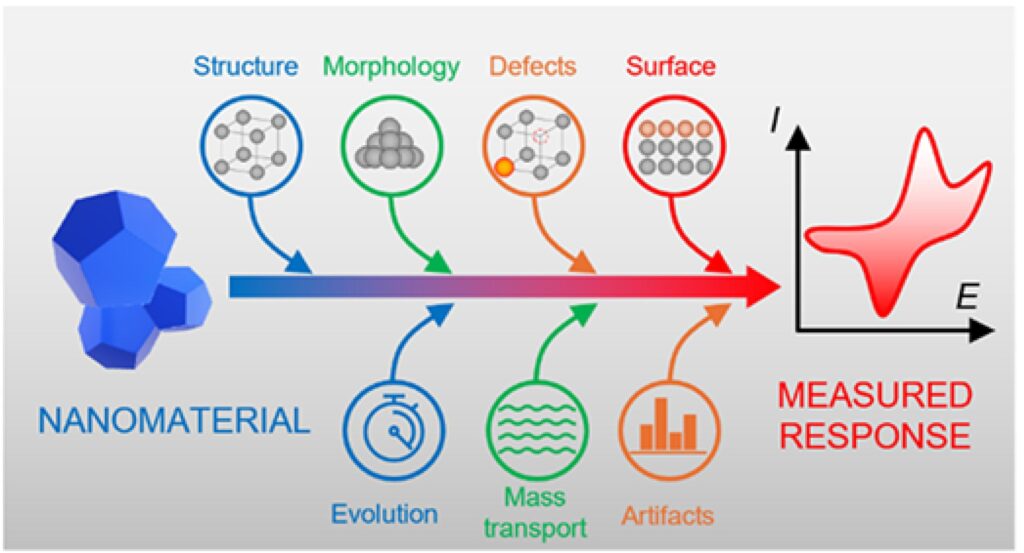
Electrochemistry is a key enabler of modern technology, underpinning materials processing, chemical synthesis, and energy storage and conversion. Electrochemistry requires electrodes─conducting materials to external circuit. However, the actual composition of these electrodes is often far removed from that assumed in electrochemical equations─atomically flat homogeneous surfaces. Electrochemical response of nanomaterials arises from a complex interplay of …

Nanomaterials Electrochemistry: Insights for Materials Scientists and Electrochemists Read More »

Contrasts between Mild and Harsh Oxidation of Carbon Nanotubes in terms of their Properties and Electrochemical Performance

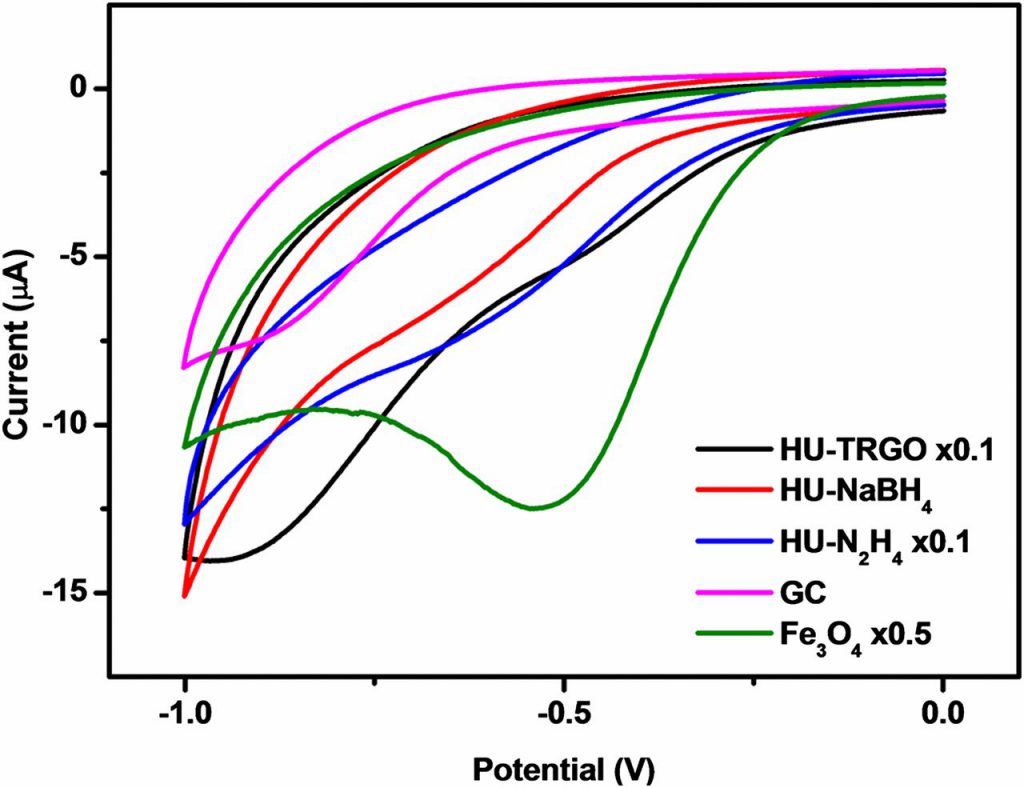
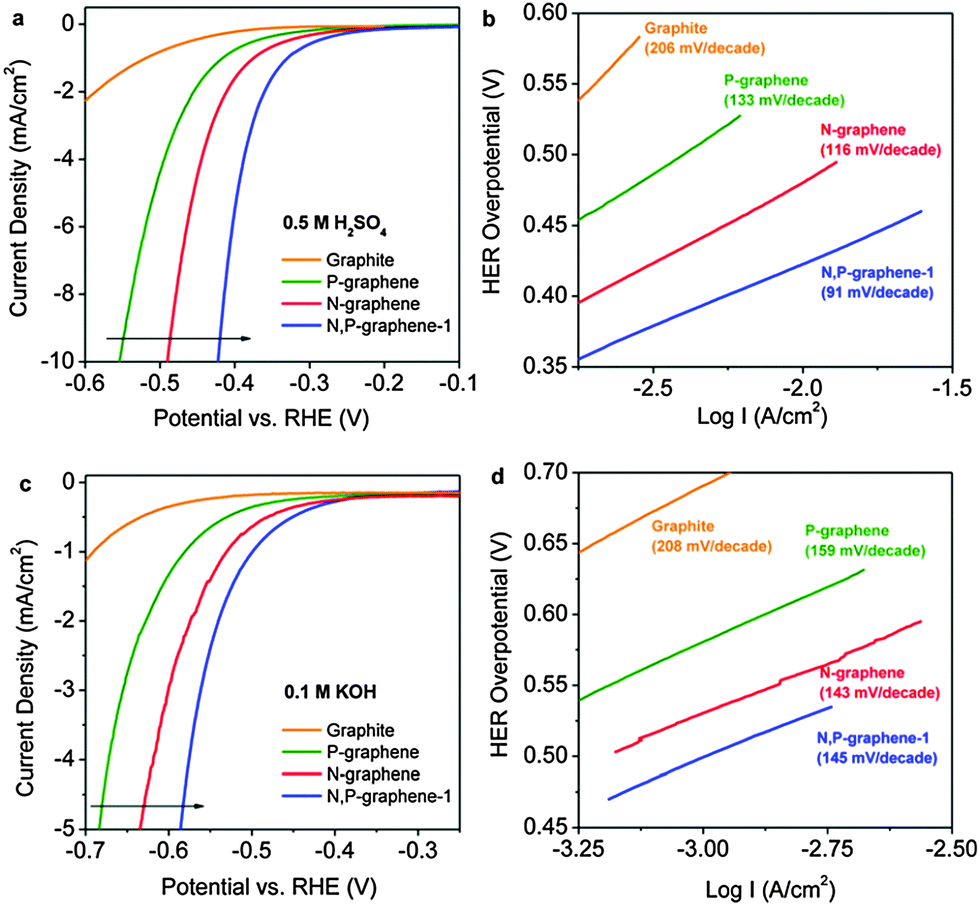
Fundamental studies and electrochemical applications of carbon nanotubes (CNTs) have impacted a wide range of disciplines. A key issue for CNT electrochemistry is to understand how the physical, chemical, and electronic properties of different CNT materials affect their electrochemical performance. We investigate the differences arising from CNTs undergoing mild (H2O2) or harsh (HNO3) oxidation processes. …

Contrasts between Mild and Harsh Oxidation of Carbon Nanotubes in terms of their Properties and Electrochemical Performance Read More »

Evaluation of the Sorbent Properties of Single- and Multiwalled Carbon Nanotubes for Volatile Organic Compounds through Thermal Desorption-Gas Chromatography/Mass Spectrometry

Carbon nanotubes (CNTs) possess well-defined structural and chemical characteristics coupled with a large surface area that makes them ideal as sorbent materials for applications where adsorption processes are required. The adsorption properties of carboxylated derivatives of multiwalled carbon nanotubes (COOH-MWCNT) and singlewalled carbon nanotubes (COOH-SWCNT), together with their nonfunctionalized counterparts (MWCNT and SWCNT) for 48common …

Evaluation of the Sorbent Properties of Single- and Multiwalled Carbon Nanotubes for Volatile Organic Compounds through Thermal Desorption-Gas Chromatography/Mass Spectrometry Read More »

Direct Voltammetric Determination of Redox-Active Iron in Carbon Nanotubes

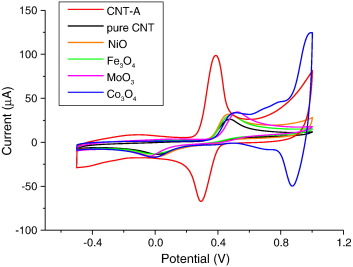
With the advances in nanotechnology over the past decade, consumer products are increasingly being incorporated with carbon nanotubes (CNTs). As the harmful effects of CNTs are suggested to be primarily due to the bioavailable amounts of metallic impurities, it is vital to detect and quantify these species using sensitive and facile methods. Therefore, in this …

Direct Voltammetric Determination of Redox-Active Iron in Carbon Nanotubes Read More »

Redox reaction of p-aminophenol at carbon nanotube electrodes is accelerated by carbonaceous impurities

We show here that the enhanced electrochemical behaviour of carbon nanotubes towards the redox reactions of p-aminophenol does not stem from the innate properties of carbon nanotubes. Investigating the isolated effect of each component present within carbon nanotubes samples, which are the carbon nanotube, the graphitic and amorphous carbonaceous impurities and the metallic impurities, we …

Redox reaction of p-aminophenol at carbon nanotube electrodes is accelerated by carbonaceous impurities Read More »

Graphene/carbon nanotube composites not exhibiting synergic effect for supercapacitors: The resulting capacitance being average of capacitance of individual components

There were many claims of synergic effect of carbon nanotubes and graphene leading to enhanced capacitance of the resulting composite. Here we show that “spacing” of graphene sheets with carbon nanotubes does not yield to any synergic effect of dramatically improved capacitance but in contrary, the resulting capacitance is merely arithmetic average of weight specific …

Graphene/carbon nanotube composites not exhibiting synergic effect for supercapacitors: The resulting capacitance being average of capacitance of individual components Read More »

Nanographite Impurities in Carbon Nanotubes: Their Influence on the Oxidation of Insulin, Nitric Oxide, and Extracellular Thiols

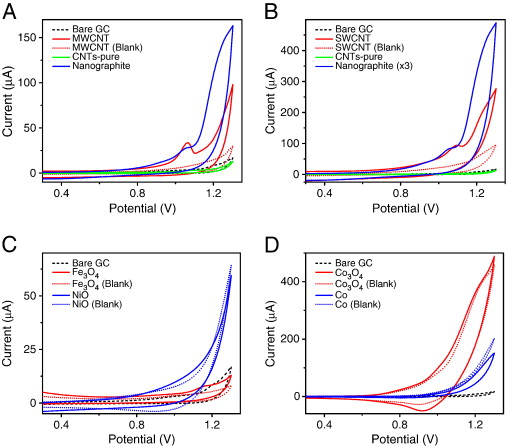
There has been growing interest in the use of modified-carbon-nanotube electrodes in applications such as the electrochemical detection of biologically significant compounds, owing to their apparent electrocatalytic properties and ability to enhance oxidative signals. In spite of their salient properties, little work has been done to further examine the reasons for these reported characteristics. In …

Nanographite Impurities in Carbon Nanotubes: Their Influence on the Oxidation of Insulin, Nitric Oxide, and Extracellular Thiols Read More »

Nanographitic impurities are responsible for electrocatalytic activity of carbon nanotubes towards oxidation of carbamazepine

Carbamazepine is one of the most extensively prescribed drug and its residues can be found in the ground and surface waters. Recently, a new method for the sensitive “electrocatalytic” determination of carbamazepine on carbon nanotube electrodes was developed. We demonstrate here that the reported excellent electrocatalytic properties of carbon nanotubes for the oxidation of carbamazepine …

Nanographitic impurities are responsible for electrocatalytic activity of carbon nanotubes towards oxidation of carbamazepine Read More »
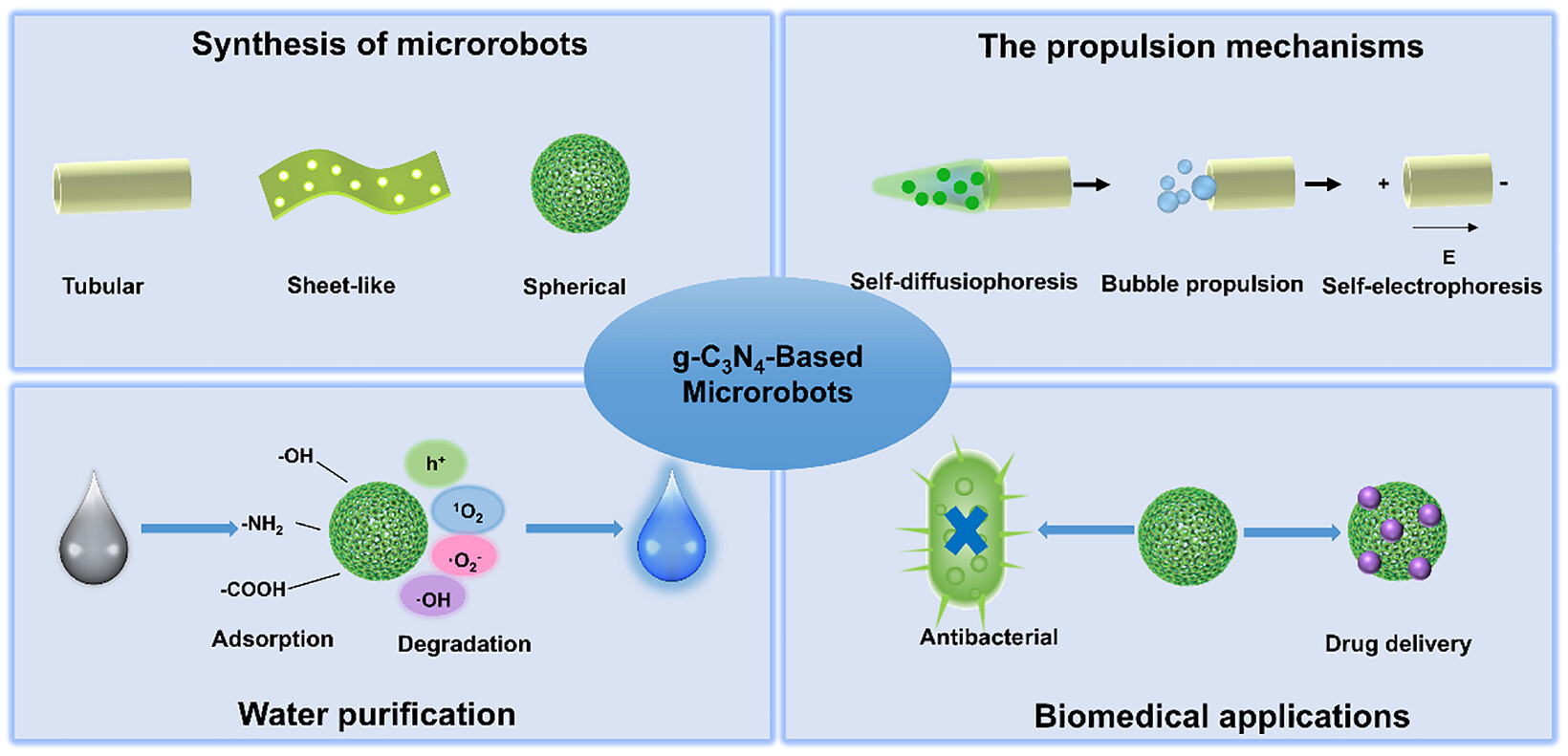
Carbon nanotubes can exhibit negative effects in electroanalysis due to presence of nanographite impurities

Carbon nanotubes are widely used in electroanalysis. There is a significant interest in the determination of dopamine in the presence of its interference, ascorbic acid. It has been claimed that CNTs modified electrodes can solve this analytical problem as the oxidation of ascorbic acid at their surfaces occurs at a significantly lower potential than the …

Carbon nanotubes can exhibit negative effects in electroanalysis due to presence of nanographite impurities Read More »

Signal Transducers and Enzyme Cofactors are Susceptible to Oxidation by Nanographite Impurities in Carbon Nanotube Materials

Carbon nanotubes (CNTs) are often employed in biofuel cells, artificial photosystems and bioelectronics in order to enhance electron transfer and to efficiently shuttle electrons between redox active molecules and the electrode surface. However, it should be noted that typical CNTs are highly heterogeneous materials, containing large amounts of impurities. Herein, we report the influence of …

Signal Transducers and Enzyme Cofactors are Susceptible to Oxidation by Nanographite Impurities in Carbon Nanotube Materials Read More »
Carbon nanotube-chalcogenide glass composite

This article describes the preparation of multi-walled carbon nanotube-chalcogenide glass composite by direct synthesis and the melt-quenching method. The carbon nanotubes-chalcogenide glass composite was characterized by high-resolution transmission electron microscopy (HRTEM). TEM/energy-dispersive X-ray spectroscopy, low energy electron excited X-ray spectroscopy, Raman spectroscopy, spectroscopic ellipsometry, microhardness, and impedance spectroscopy. CNTs-AgAsS2 glass composite possess highly increased ionic …

Carbon nanotube-chalcogenide glass composite Read More »

The Electrochemistry of Carbon Nanotubes: Fundamentals and Applications

Carbon nanotubes (CNTs) are in the forefront of electrochemical research. It has become clear that an understanding of the fundamental reasons for the electrochemical activity of CNTs is essential for further progress in the field. This review provides a critical discussion of the fundamental reasons behind the electrochemical and “electrocatalytic” activity of CNTs as well …

The Electrochemistry of Carbon Nanotubes: Fundamentals and Applications Read More »

Towards an ultrasensitive method for the determination of metal impurities in carbon nanotubes

Residual catalyst metal nanoparticles remain one of the major obstructions in the utilization of carbon nanotubes (CNTs) in many areas owing to their ability to participate in redox chemistry of biomarkers. Presented here is a comparative study of several techniques for quality control of carbon nanotubes in terms of metallic impurities, namely magnetic susceptibility, electron …

Towards an ultrasensitive method for the determination of metal impurities in carbon nanotubes Read More »

Carbon nanotube disposable detectors in microchip capillary electrophoresis for water-soluble vitamin determination: Analytical possibilities in pharmaceutical quality control

In this work, the synergy of one mature example from “lab-on-chip” domain, such as CE microchips with emerging miniaturized carbon nanotube detectors in analytical science, is presented. Two different carbon electrodes (glassy carbon electrode (GCE) 3 mm diameter, and screen-printed electrode (SPE) 0.3 mm x 2.5 mm) were modified with multiwalled carbon nanotubes (MWCNTs) and …

Carbon nanotube disposable detectors in microchip capillary electrophoresis for water-soluble vitamin determination: Analytical possibilities in pharmaceutical quality control Read More »

Relationship between Carbon Nanotube Structure and Electrochemical Behavior: Heterogeneous Electron Transfer at Electrochemically Activated Carbon Nanotubes

The electrochemical activation of multiwalled carbon nanotubes (MWCNTs) (at potentials of 1.5-2.0 V vs Ag/AgCl for 60-360 s) results in significantly increased rate constants (k(obs)(0)) for heterogeneous electron-transfer with [Fe(CN)(6)](3-14-) (from 8.34 x 10(-5)cms(-1) for as-received MWCNTs to 3.67 x 10(-3) cm s(-1) for MWCNTs that were electrochemically activated at 2.0 V for 180s). The …

Relationship between Carbon Nanotube Structure and Electrochemical Behavior: Heterogeneous Electron Transfer at Electrochemically Activated Carbon Nanotubes Read More »

Carbon nanotube/polysulfone screen-printed electrochemical immunosensor

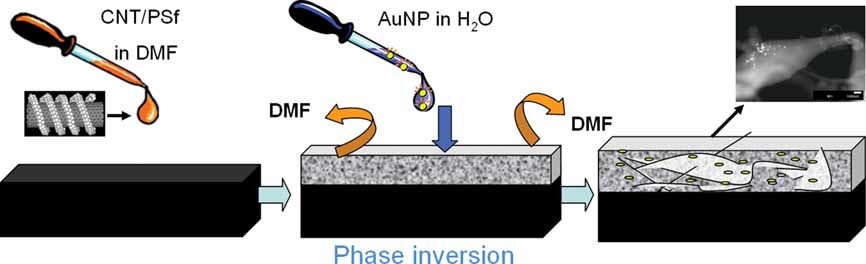
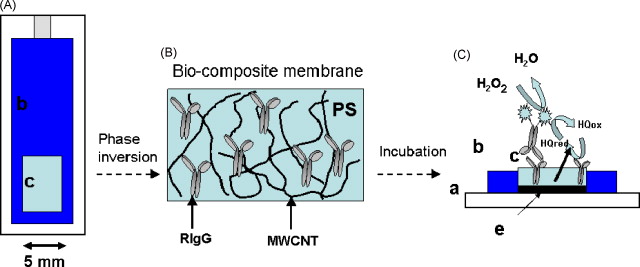
The simple and efficient method for preparing sensitive carbon nanotube/polysulfone/RIgG immunocomposite is described. The membrane of the modified disposable screen-printed electrochemical immunosensor is based on phase inversion method. Carbon nanotube/polysulfone membrane acts both as reservoir of immunological material and transducer while offering high surface area, high toughness and mechanical flexibility. The comparison with graphite/polysulfone/RIgG immunosensors …

Carbon nanotube/polysulfone screen-printed electrochemical immunosensor Read More »

Carbon nanotube-epoxy composites for electrochemical sensing

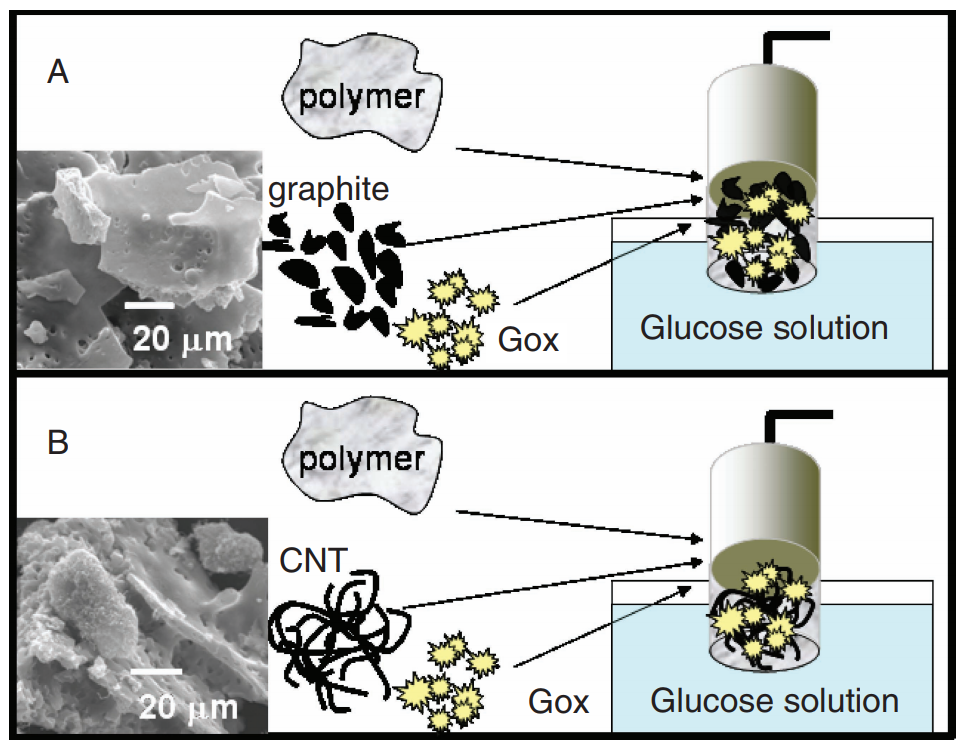
Rigid and conductive carbon nanotube-epoxy composite (CNTEC) electrodes were constructed from two kinds of multiwall carbon nanotubes differing in the length (0.5-2 and 0.5-200 mu m) mixed with epoxy resin. The electrochemical behavior of CNTEC electrodes was characterized by using cyclic voltammetry of ferricyanide, NADH and hydrogen peroxide. The behavior of CNTEC electrodes prepared with …

Carbon nanotube-epoxy composites for electrochemical sensing Read More »